Harmonizing Recovery: At-Home Sound Practices for Outpatient Wellness
Key Insights
Discover how at-home sound practices, guided by Soul Art Dubai and Larissa Steinbach, can support your outpatient recovery journey with scientific backing and practical steps.
The Symphony of Self-Healing: Sound for Outpatient Recovery
Did you know that sound, an omnipresent element of our daily lives, holds profound potential to support your journey toward holistic well-being, especially during outpatient recovery? As individuals navigate the complex path of healing from various conditions, the comfort and control of their home environment become invaluable. However, maintaining progress and fostering inner calm outside structured care can be a significant challenge.
This article explores how scientifically-grounded sound practices can become an accessible and potent tool for enhancing outpatient recovery. We will delve into the physiological and neurological mechanisms by which sound influences our bodies and minds, offering practical insights and actionable steps you can integrate into your daily life. Prepare to discover how the ancient wisdom of sound, championed by wellness leaders like Larissa Steinbach at Soul Art Dubai, can harmonize your recovery journey.
At Soul Art, we believe that true recovery extends beyond clinical settings, flourishing when supported by consistent, gentle self-care practices. Embracing sound wellness at home empowers you to actively participate in your healing, cultivating resilience and a profound sense of inner peace. Join us as we uncover the vibrational pathways to sustained well-being.
The Science Behind Vibrational Wellness
The therapeutic application of sound, often referred to as sound wellness or vibrational therapy, is far from a new-age concept; it is deeply rooted in physiological and neurobiological principles. Modern research, spanning controlled laboratory studies, clinical trials, and advanced imaging techniques like EEG, consistently reveals how specific frequencies and rhythmic patterns interact with our biological systems. These interactions can significantly influence our brain states, nervous system activity, and even cellular function, offering a powerful complementary approach for those in outpatient recovery.
Brainwave Entrainment: Tuning into Tranquility
One of the most well-researched mechanisms of sound wellness is brainwave entrainment. This phenomenon occurs when rhythmic auditory stimulation causes our brainwaves to synchronize with the external frequency, gently guiding our minds into desired states. Research published in Frontiers in Human Neuroscience highlights this process, identifying specific brainwave states associated with different benefits:
- Theta (4-7 Hz): Linked to deep relaxation, emotional processing, and meditative states, which can be highly beneficial for individuals seeking introspection and emotional release during recovery.
- Alpha (8-12 Hz): Associated with calm alertness, improved focus, and flow states, helping to reduce mental clutter and enhance a sense of presence.
- Delta (0.5-3 Hz): Corresponds with deep rest and restorative sleep, crucial for physical and mental healing. Many people report that engaging with sound practices helps them transition more easily into these regenerative sleep cycles.
By consciously engaging with sound, we can encourage our brains to shift from stressed or anxious beta states towards these more beneficial frequencies, fostering an environment conducive to healing and recovery. This intentional tuning can be particularly helpful for managing the cognitive and emotional demands of outpatient care.
Autonomic Nervous System Regulation: The Calm Response
Sound also plays a critical role in regulating the autonomic nervous system (ANS), the control center for our involuntary bodily functions. Studies utilizing Heart Rate Variability (HRV) measurements—a key indicator of ANS balance—demonstrate that sound meditation increases parasympathetic activation. The parasympathetic nervous system is responsible for the body's "rest and digest" response, counteracting the "fight or flight" response of the sympathetic nervous system.
This activation is often stimulated by the vagus nerve, which connects the brain to many vital organs, and by encouraging diaphragmatic breathing patterns. By reducing sympathetic overactivity, sound practices may help alleviate chronic stress, lower blood pressure, and improve digestion—all essential components for overall well-being during recovery. For someone navigating the stressors of outpatient treatment, a regulated ANS can mean the difference between feeling overwhelmed and feeling capable.
Hormonal Harmony: Balancing the Body's Chemistry
Beyond brainwaves and the nervous system, sound wellness practices have been associated with beneficial hormonal shifts. Multiple studies suggest that engaging with calming sounds can influence the production of stress hormones like cortisol, often leading to reduced levels. Simultaneously, there may be an increase in neurochemicals associated with well-being, such as endorphins and oxytocin, which can promote feelings of comfort, safety, and connection.
These subtle yet powerful hormonal adjustments contribute to an improved mood, reduced anxiety, and an enhanced capacity for emotional regulation. During outpatient recovery, where emotional fluctuations can be common, supporting this internal hormonal balance can be a cornerstone of sustained progress and mental clarity.
Cellular Resonance and Pain Modulation
The physical vibrations generated by sound instruments can extend beyond auditory perception, interacting directly with our body's tissues at a cellular level. These vibrations are believed to influence how the brain perceives pain, potentially by disrupting pain signals or by stimulating the release of natural painkillers. Preliminary studies indicate that vibrations may also help relax tense muscles, improve local circulation, and gently stimulate healing processes within the body.
A compelling 2015 study published in Pain Research and Management found that music and sound therapy significantly reduced chronic pain in elderly patients. This suggests that sound is not merely a distraction but an active participant in the body's pain management system. For individuals experiencing discomfort or residual pain during their recovery, integrating sound practices may offer a gentle, non-pharmacological pathway to relief and improved physical comfort.
"The subtle power of vibration reminds us that true healing often begins not with grand gestures, but with the quiet resonance that invites the body to remember its innate capacity for balance."
How It Works in Practice: Bringing Sound Home
Translating the science of sound into practical, at-home recovery tools involves embracing accessible techniques that create a supportive internal and external environment. Many people report that the real-world application of sound wellness provides immediate benefits, from reduced stress to improved sleep. These practices are designed to complement ongoing outpatient treatments, offering a gentle yet effective layer of self-care.
Hospitals and clinical settings are increasingly recognizing the value of sound, integrating music therapy and specific sound healing sessions to aid recovery. For instance, music therapy has been used to assist patients recovering after surgery, helping to manage post-operative pain and anxiety. Similarly, cancer centers offer sound sessions as a complementary approach to reduce stress and enhance comfort during challenging treatments like chemotherapy.
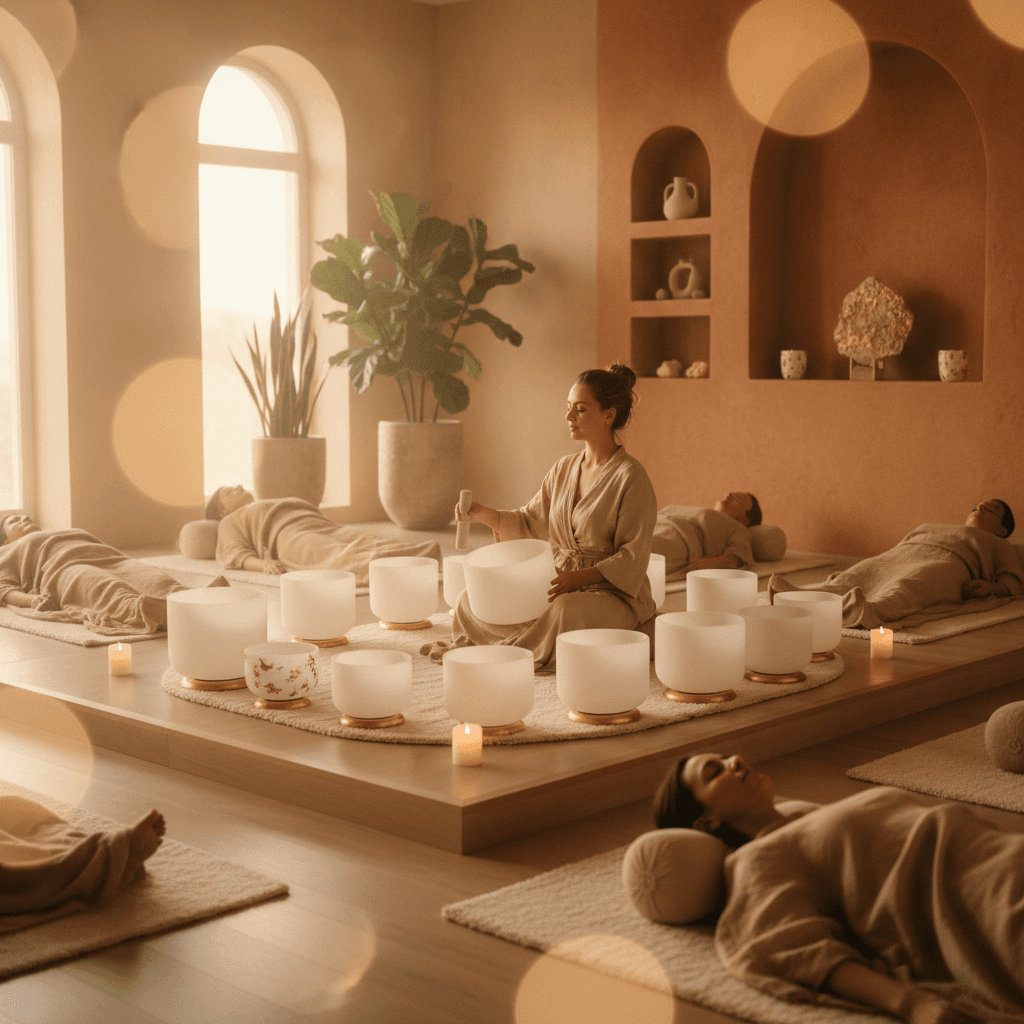
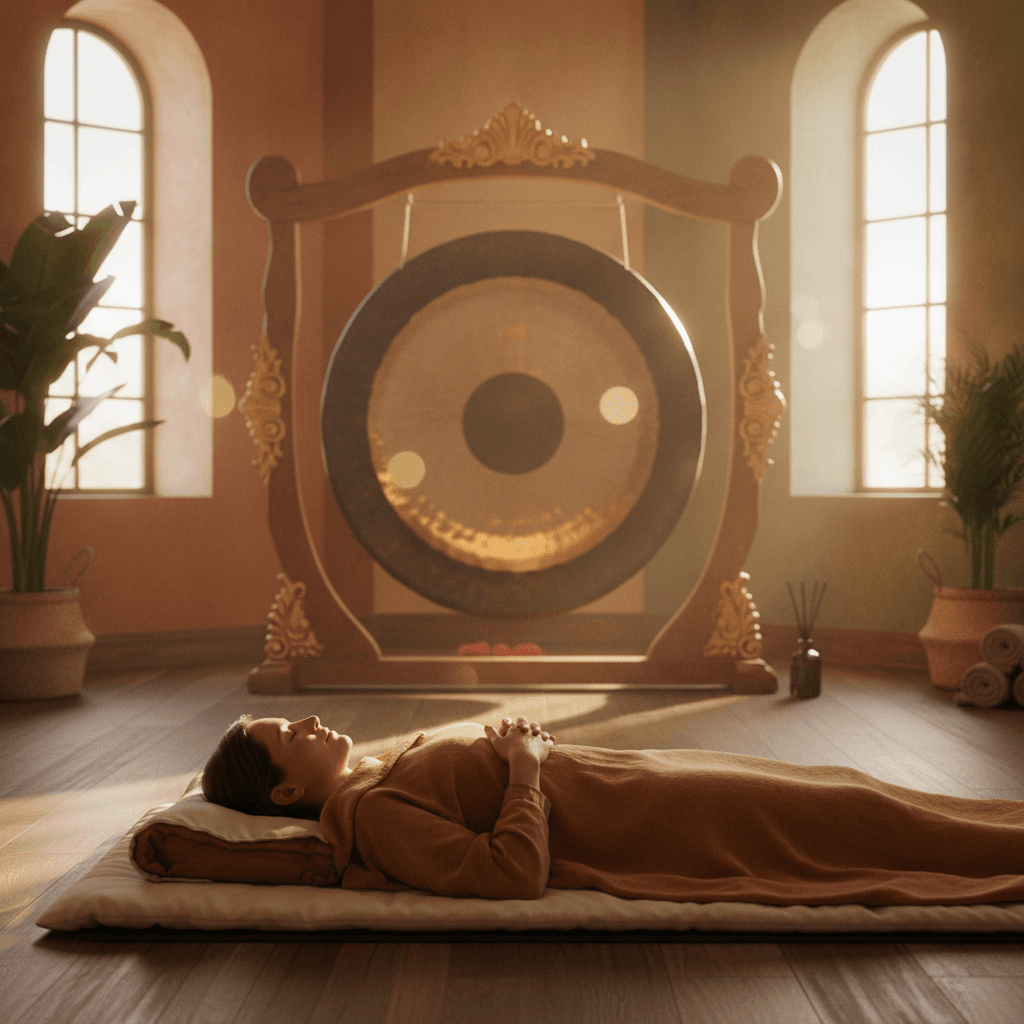
For individuals in outpatient recovery, the principles applied in these clinical settings can be adapted for personal use. Sound baths, which involve immersive experiences with instruments like singing bowls and gongs, are popular in wellness centers and yoga studios for their ability to promote deep relaxation and mental clarity. While a full sound bath requires specific instruments and guidance, the underlying concept of creating a resonant, peaceful auditory environment can be replicated at home.
Modern technology has also made sound-based tools incredibly accessible. Numerous apps and wearables now integrate sound-based exercises designed for focus, improved sleep, and stress management. These tools often utilize binaural beats—auditory illusions created by presenting slightly different frequencies to each ear—to encourage specific brainwave states. For example, listening to binaural beats designed for delta waves can support deeper, more restorative sleep, which is vital for any recovery process.
Beyond structured practices, simple acts of conscious listening can transform your home environment. This might involve curating playlists of calming instrumental music, ambient nature sounds, or guided meditations that incorporate gentle soundscapes. The key is to engage with sound intentionally, using it as a deliberate tool to shift your state and support your recovery goals. Many individuals find that integrating sound practices helps them to establish a stable and peaceful routine, essential for maintaining progress during outpatient treatment.
The Soul Art Approach: Larissa Steinbach's Vision
At Soul Art Dubai, we believe that the journey to wellness is deeply personal, yet universally supported by the harmonizing power of sound. Founded by Larissa Steinbach, Soul Art is dedicated to guiding individuals through bespoke sound experiences that bridge ancient wisdom with cutting-edge scientific understanding. Our approach to supporting outpatient recovery is rooted in a profound respect for the individual’s path and a commitment to providing effective, evidence-informed tools.
Larissa Steinbach brings a unique blend of expertise and intuition to every session, recognizing that while the science provides the framework, the art of sound lies in its empathetic application. She understands the delicate balance required to create a safe and nurturing space for healing, especially for those navigating the sensitivities of outpatient recovery. The Soul Art method emphasizes personalization, tailoring soundscapes and techniques to address specific needs, whether it's managing pain, reducing anxiety, improving sleep, or fostering emotional resilience.
What makes the Soul Art method particularly unique is its holistic integration of diverse sound modalities. Larissa utilizes a curated selection of powerful instruments, each chosen for its distinct vibrational signature and therapeutic potential:
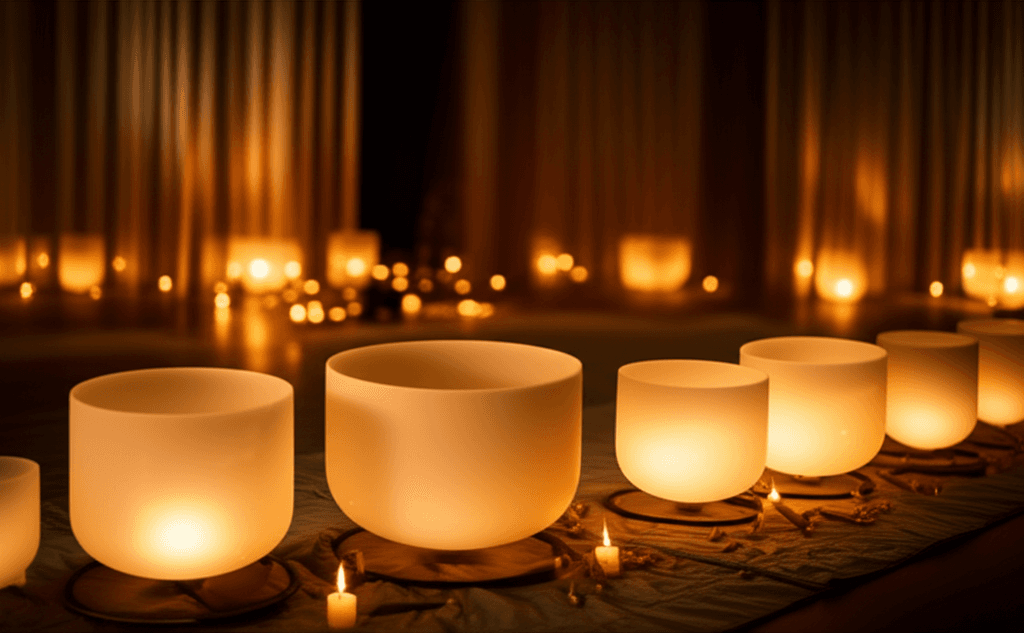
- Tibetan and Crystal Singing Bowls: These instruments produce rich, sustained tones and palpable vibrations that resonate deeply within the body, promoting cellular relaxation and brainwave entrainment. Their complex overtones create an immersive sound field conducive to profound meditative states.
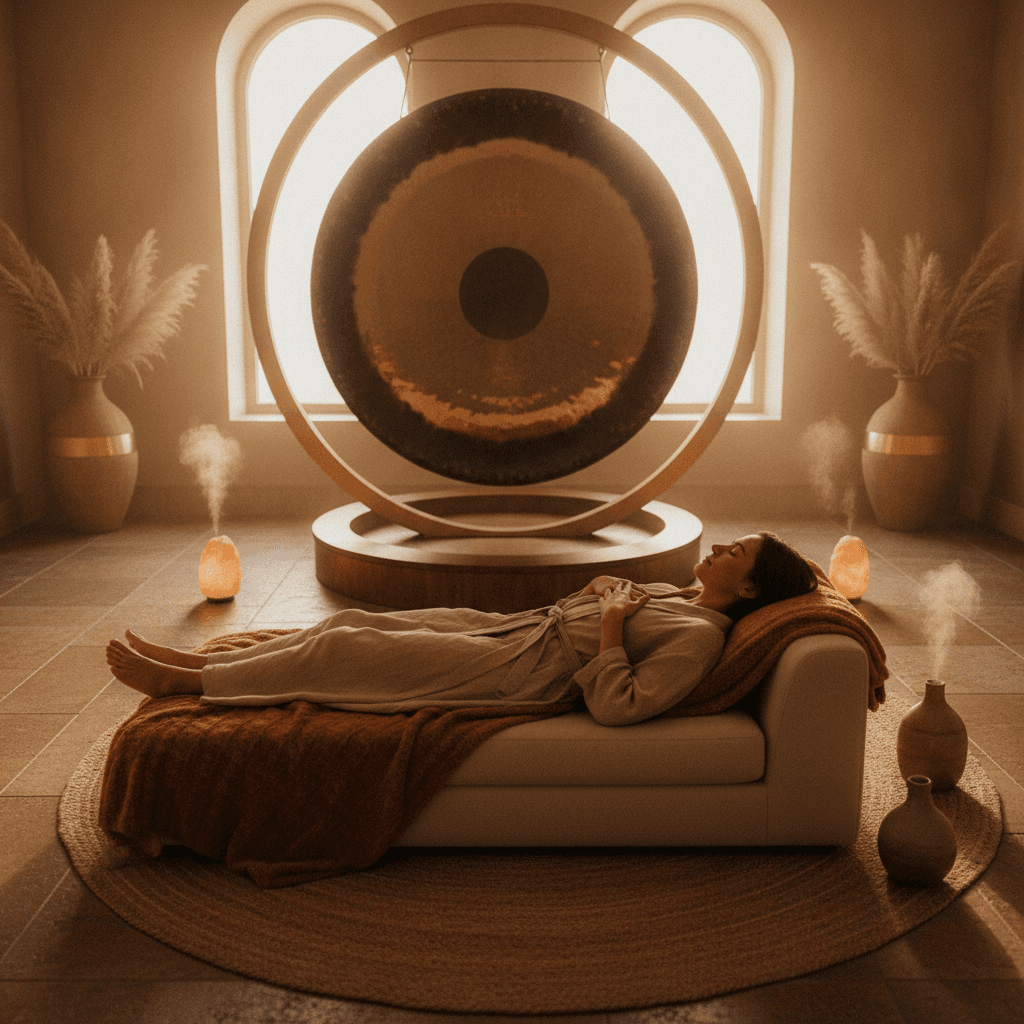
- Gongs: Renowned for their expansive and transformative sounds, gongs create a "sound shower" that can help to clear energetic blockages and facilitate deep emotional release. Their powerful vibrations are often described as deeply cleansing and rejuvenating.
- Tuning Forks: Applied directly to the body or used in the energetic field, tuning forks deliver precise vibrational frequencies that can target specific areas, support muscle relaxation, and stimulate the body’s natural healing response.
- Voice-Based Therapies (Chanting, Toning): Larissa also incorporates the human voice, recognizing its innate power as a healing instrument. Chanting and toning can engage the vagus nerve, regulate breathing, and create internal resonance, fostering a sense of grounding and self-soothing.
At Soul Art, Larissa Steinbach meticulously crafts environments where these sounds become catalysts for self-discovery and recovery. Our sessions are not merely about listening; they are about experiencing sound as a vibrational embrace that supports the body’s innate capacity for balance and restoration. By offering guidance on how to integrate these practices into daily life, Soul Art empowers clients to build a sustainable foundation for well-being long after their outpatient care concludes.
Your Next Steps: Integrating Sound into Your Daily Recovery
Empowering your outpatient recovery with sound wellness begins with intentional, consistent practice. The beauty of at-home sound practices lies in their accessibility and flexibility, allowing you to create a personalized regimen that supports your unique journey. Here are some actionable steps you can take today to integrate the transformative power of sound into your daily life:
- Explore Guided Sound Meditations: Start with professionally guided sound meditations available through apps or online platforms. These often combine calming narration with specific frequencies or instrument sounds, making it easy to ease into the practice. Look for meditations focused on relaxation, pain relief, or sleep support.
- Curate Personal Soundscapes: Create playlists of instrumental music, ambient nature sounds (e.g., ocean waves, gentle rain), or specialized binaural beats that resonate with you. Experiment with different genres and frequencies to discover what helps you feel most calm and centered.
- Invest in a Simple Instrument: Consider acquiring a small Tibetan singing bowl or a single tuning fork. Even a basic instrument can be a powerful tool for self-soothing. Learn simple techniques for striking the bowl or activating the fork to create calming vibrations. Many resources are available online to guide beginners.
- Dedicate a Peaceful Space and Time: Designate a specific time each day, even just 10-15 minutes, and a quiet corner in your home for your sound practice. Consistency is key to experiencing the cumulative benefits of sound on your nervous system and overall well-being.
- Practice Mindful Listening: Beyond structured sessions, cultivate mindful listening throughout your day. Pay attention to the sounds around you, noticing their qualities without judgment. This practice enhances presence and reduces mental clutter, contributing to a more peaceful state.
Integrating these practices can create a profound shift in your daily recovery experience, offering a consistent source of calm and support. While these are excellent starting points, deeper exploration with expert guidance can amplify your results.
Bookings Coming Soon
Soul Art is still in preparation. Session details and booking will be published here after launch.
Coming Soon
In Summary: Harmonizing Your Recovery Journey
Outpatient recovery presents unique challenges, requiring consistent self-care and effective strategies for maintaining well-being outside of clinical settings. Sound practices offer a powerful, scientifically-backed, and accessible pathway to support this journey. By engaging with specific frequencies and vibrations, individuals can influence brainwave states, regulate the nervous system, balance hormones, and even modulate pain perception.
From brainwave entrainment to cellular resonance, the evidence suggests that sound is more than just auditory input; it is a profound vibrational tool for holistic healing. With practical applications ranging from guided meditations to immersive sound baths, these practices empower you to take an active role in your recovery. Larissa Steinbach and Soul Art Dubai are committed to guiding you through these transformative experiences, offering bespoke sound wellness sessions that harmonize your mind, body, and spirit. Embrace the gentle yet potent power of sound to nurture your path to lasting well-being.
Wellness Disclaimer: This article is for educational and informational purposes only. It does not constitute medical advice, diagnosis, or treatment. Soul Art Dubai provides non-medical wellness experiences focused on relaxation, stress management, and general wellbeing. Sound wellness is a complementary practice and should not replace professional medical care.
Related Articles
40 Hz Sensory Stimulation and Alzheimer's Research
Al Barari Sound Bath: Nature's Frequencies for Deep Restoration
Arabian Ranches Sound Baths: Elevating Villa Wellness Scientifically