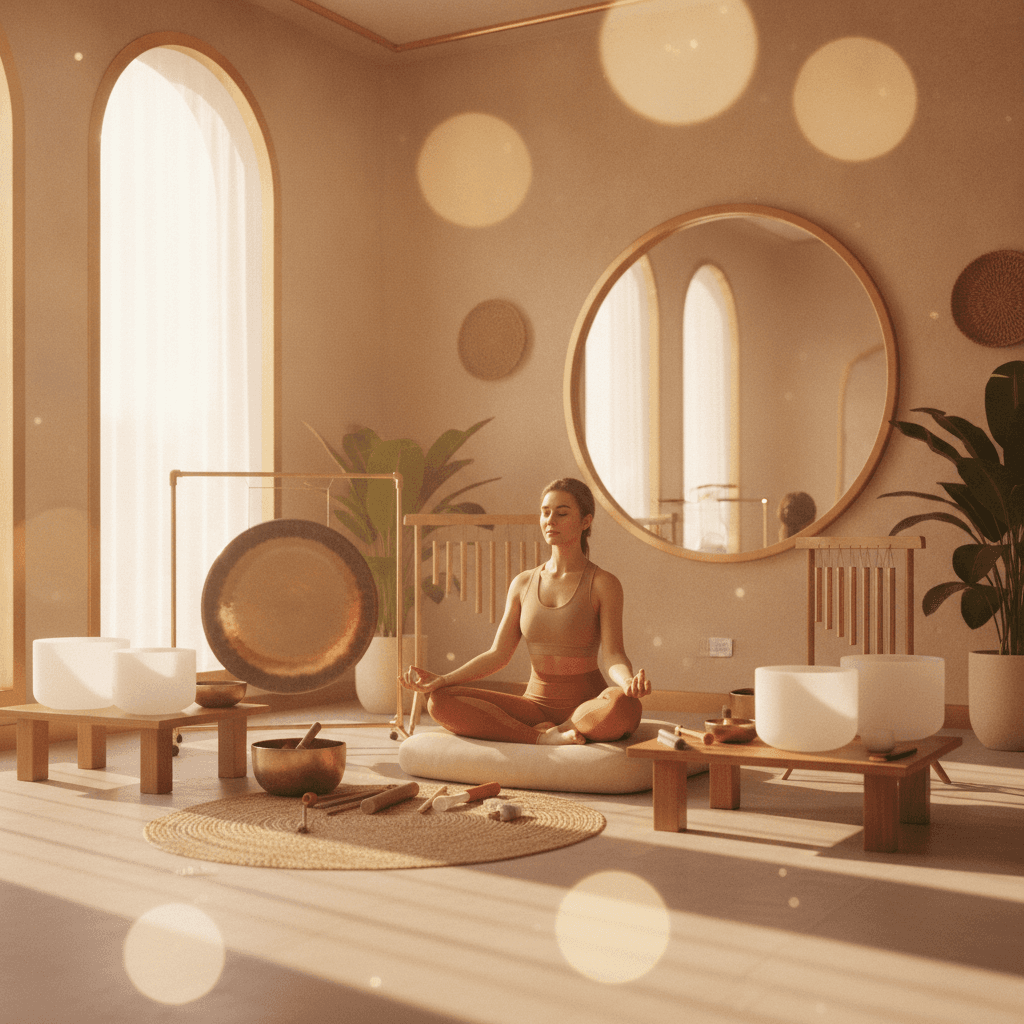
Harmonizing Your Inner World: Sleep, Mood & Stress
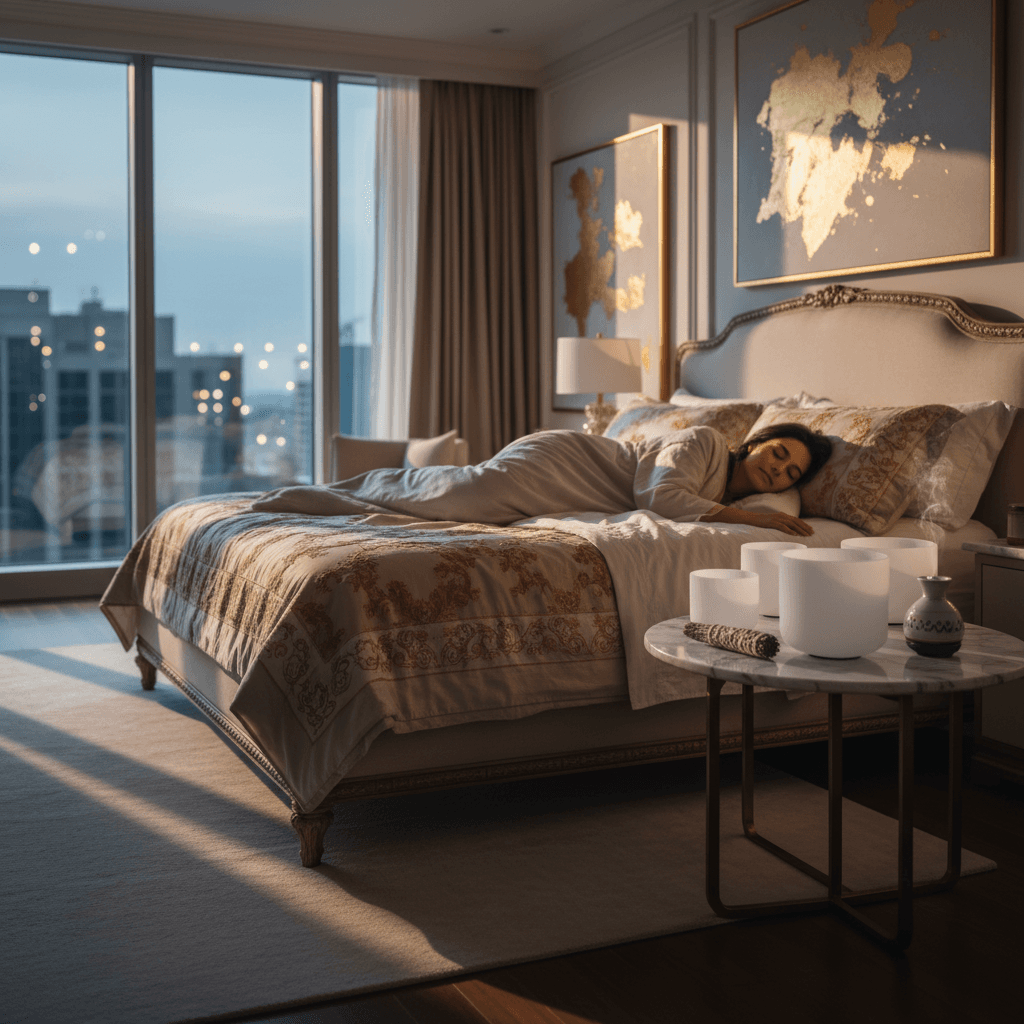
Key Insights
Explore the deep scientific connection between sleep, mood, and stress. Learn how sound wellness at Soul Art Dubai supports emotional balance and restorative rest.
Have you ever noticed how a single restless night can completely unravel your mood the next day? That feeling of being short-tempered, mentally exhausted, and more vulnerable to stress is a universal experience, yet we often dismiss it as a simple consequence of being tired. The truth, however, is far more profound. The relationship between our sleep, our mood, and our stress levels is not a one-way street; it's a deeply interconnected and dynamic cycle.
This journal entry delves into the intricate science behind this crucial trio of wellbeing. We will explore the compelling research that illuminates how sleep directly governs our emotional state, and conversely, how stress and anxiety can sabotage our rest. More importantly, we'll connect this knowledge to the tangible experience of sound wellness, a practice designed to gently guide your nervous system back to a state of equilibrium. Understanding this cycle is the first step toward reclaiming your calm, clarity, and deep, restorative sleep.
The Science Explained: The Intimate Dance of Mind and Rest
Modern science has confirmed what ancient wisdom has long taught: our mental and emotional states are inextricably linked to our physiological rest. This isn't just a feeling; it's a complex interplay of hormones, neurotransmitters, and brain activity that dictates our daily experience of the world.
The Bidirectional Relationship
The connection between sleep and mood is powerfully bidirectional. As researchers at Stanford Medicine have highlighted, it's a feedback loop where each element significantly influences the other. A lack of sleep can impair emotional regulation, while mental health conditions like anxiety and depression frequently cause sleep problems.
Consider a landmark study by University of Pennsylvania researchers. When participants were limited to just 4.5 hours of sleep per night for one week, they reported feeling significantly more stressed, angry, sad, and mentally exhausted. Once they returned to their normal sleep patterns, their mood dramatically improved. This demonstrates a direct causal link: deprive the brain of sleep, and emotional stability suffers.
The Neuroscience of Sleep Deprivation
When we are sleep-deprived, the brain's ability to manage emotions is compromised. Specifically, the amygdala, our emotional rapid-response center, becomes hyperactive. Simultaneously, the prefrontal cortex, which governs logic, reasoning, and impulse control, shows reduced activity. This imbalance makes us more reactive to negative stimuli and less capable of putting stressors into perspective.
A comprehensive meta-analysis published in the American Psychological Association's Psychological Bulletin reviewed over 50 years of research and confirmed that sleep loss serves as a "direct catalyst for the development of emotional difficulties." It doesn't just make us feel grumpy; it fundamentally alters our capacity to process and respond to the world around us.
The Vicious Cycle: From Insomnia to Anxiety
This dynamic can quickly spiral into a challenging cycle. Stress and anxiety trigger the body's sympathetic nervous system, our "fight-or-flight" response, releasing cortisol and adrenaline. This state of high alert makes it incredibly difficult to fall asleep, as the body is physically primed for danger, not rest.
The consequences of this cycle can be severe. Research from Harvard Medical School's Division of Sleep Medicine reveals some startling statistics:
- Individuals with chronic insomnia are five times more likely to develop depression.
- Even more strikingly, they are twenty times more likely to develop panic disorder, a form of anxiety.
These findings suggest that poor sleep isn't just a symptom of mental distress—it's a potent risk factor. Interrupting this cycle is therefore not just about feeling better rested; it's a critical component of maintaining long-term emotional and mental wellbeing.
How It Works in Practice: From Theory to Tangible Calm
Understanding the science is one thing, but experiencing the shift from a state of stress to one of deep calm is another. This is where a wellness practice like a sound bath can serve as a powerful catalyst for breaking the negative cycle of stress and poor sleep.
Many clients arrive at our Dubai studio feeling what they describe as "wired but tired." Their minds are racing with to-do lists and worries, yet their bodies are depleted. They exist in a state of chronic sympathetic nervous system activation, unable to access the deep rest they desperately need.
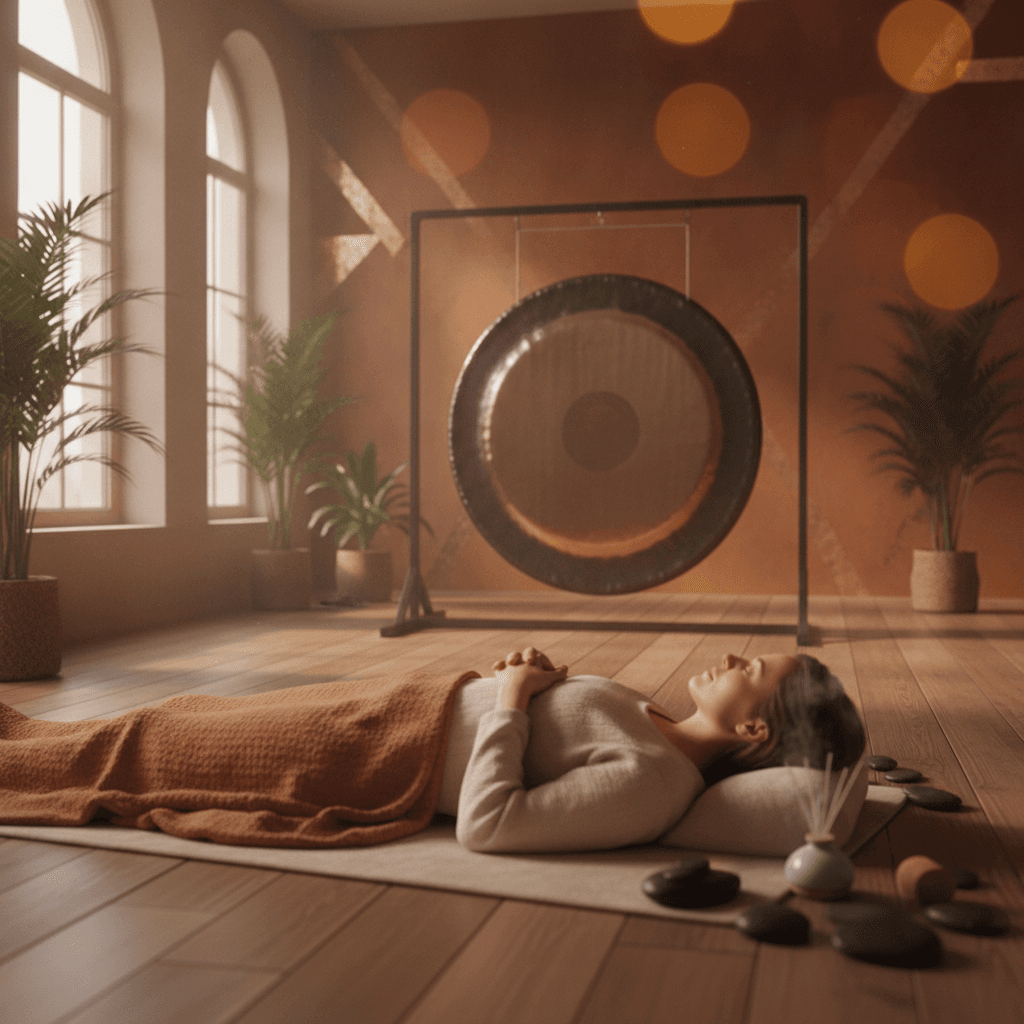
As a session begins, the first resonant tones from a Himalayan singing bowl or the deep, grounding hum of a planetary gong begin to permeate the space. These are not just pleasant sounds; they are physical vibrations that the body can feel. This sensory input provides the racing mind with a single, gentle point of focus, drawing it away from cyclical thoughts.
"The true magic isn't just the sound itself, but the silence it leaves behind—a space where your mind can finally rest, and your body can begin to recalibrate."
As the soundscape unfolds, something remarkable happens. The consistent, harmonic frequencies encourage the brain to shift from the alert, active Beta brainwave state to the more relaxed and meditative Alpha and Theta states. This is the neurological doorway to the parasympathetic nervous system, our "rest-and-digest" mode. The heart rate slows, breathing deepens, and muscles release tension they may have been holding for days or weeks.
The experience is one of surrender. You are not trying to relax; you are simply allowing the sound to guide your body into its natural state of rest. For many, this is the first time in a long while they have felt profoundly calm without effort. This "afterglow" of tranquility can last for hours or even days, creating a perfect internal environment for improved mood and, crucially, a more peaceful transition into sleep that night.
The Soul Art Approach: Curated Frequencies for Inner Harmony
At Soul Art, we view sound wellness as a refined art form backed by scientific principles. Our founder, Larissa Steinbach, has developed a unique method that goes beyond simply playing instruments. It is a process of creating curated, immersive soundscapes designed to facilitate a deep journey inward and support the body's innate capacity for equilibrium.
We believe that every session should be a bespoke experience. Rather than a one-size-fits-all approach, we intuitively select from a collection of precisely tuned instruments, including:
- Crystal Tones Alchemy Bowls: For their pure, high-frequency vibrations that promote clarity and lightness.
- Planetary Gongs: For their deep, resonant tones that create a sense of grounding and release.
- Himalayan Singing Bowls: For their rich, ancient harmonics that encourage mental stillness.
- Koshi Chimes: For their delicate, ethereal notes that soothe and uplift the spirit.
The Soul Art method involves layering these frequencies with intention, creating a "sonic tapestry" that guides the listener through various stages of relaxation. We focus on creating an environment of safety and trust, allowing you to fully let go. It is this combination of expert technique, high-vibrational instruments, and a deeply held intention for wellbeing that defines the unique approach of Larissa Steinbach and our studio.
Your Next Steps: Cultivating Better Sleep and Mood, Starting Tonight
While a professional sound bath offers a profound reset, you can begin to nurture the sleep-mood-stress cycle at home with simple, consistent practices. Integrating these small rituals can make a significant difference in your daily wellbeing.
Here are a few actionable steps you can take:
- Create a Digital Sunset: An hour before bed, turn off all screens. The blue light from phones, tablets, and computers suppresses melatonin production, the hormone that signals your body it's time to sleep.
- Practice Mindful Listening: Instead of watching television, try listening to calming, non-lyrical music, a nature soundscape, or a guided meditation. This helps quiet the "mind chatter" and eases you into a restful state.
- Journal Your Worries: Keep a notebook by your bed. Before turning off the light, spend five minutes writing down anything that's on your mind. This act of "parking" your thoughts can prevent them from keeping you awake.
- Engage Your Senses: Introduce calming scents like lavender or chamomile through an essential oil diffuser. The connection between scent and the brain's limbic system (our emotional center) is powerful and can signal safety and relaxation.
- Consider a Professional Reset: When you feel truly stuck in a cycle of stress and poor sleep, a professional sound bath can be an incredibly effective tool. It helps to down-regulate the nervous system in a way that can be difficult to achieve on your own, setting the stage for healthier patterns to emerge.
In Summary: Your Path to Restorative Wellbeing
The evidence is clear: our ability to sleep well is fundamentally connected to our emotional health and resilience to stress. This intricate, bidirectional relationship means that neglecting one aspect inevitably impacts the others, often creating a self-perpetuating cycle of exhaustion and anxiety. Proactively managing this cycle is not a luxury; it is a cornerstone of a vibrant, healthy life.
Sound wellness, as practiced at Soul Art, offers a gentle yet profound pathway to interrupt this negative loop. By guiding your brain and body into a state of deep relaxation, it supports your system's natural ability to rest, recover, and rebalance. We invite you to explore this practice and rediscover the peace and clarity that reside within you.
Bookings Coming Soon
Soul Art is still in preparation. Session details and booking will be published here after launch.
Coming Soon
Related Articles
Unlock Group Harmony: The Science of Small Group Sound Baths at Soul Art
Harmonize Together: The Science of a Couples Sound Bath
Harmonizing Together: Can You Share a Sound Bath with a Friend at Soul Art?