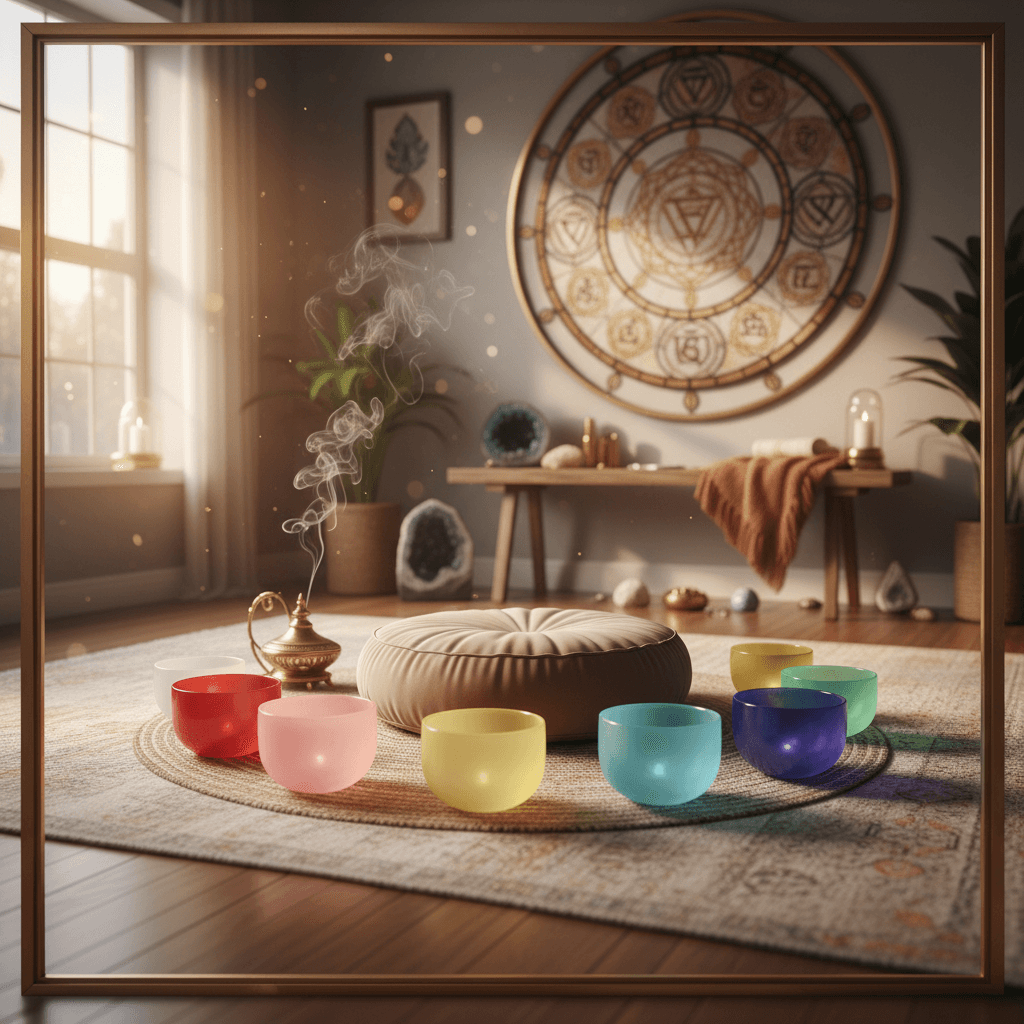
Menopause Sleep Problems: Sound Solutions for Restful Nights
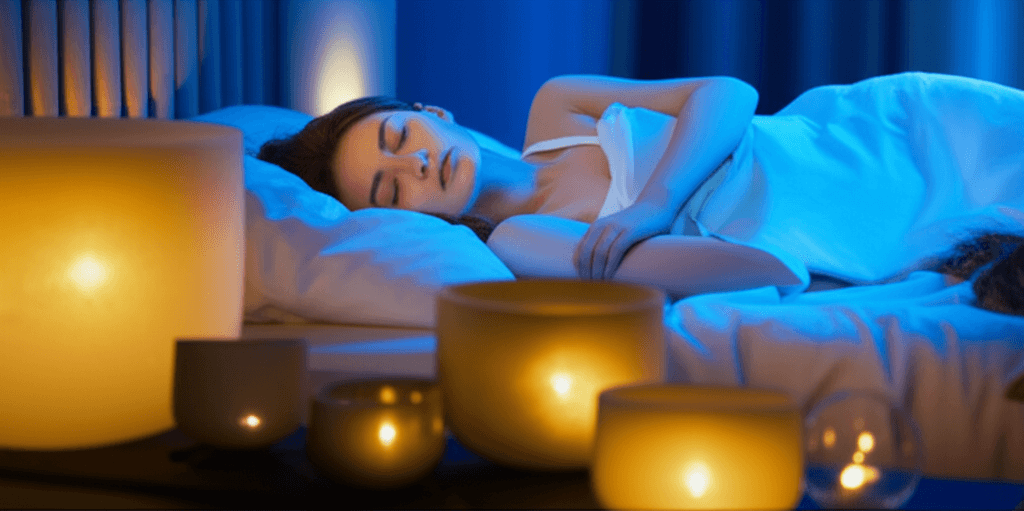
Key Insights
Discover how sound wellness and vibrational therapy at Soul Art Dubai, founded by Larissa Steinbach, can support restful sleep during menopause.
Is insomnia an inevitable part of menopause? For countless women navigating this significant life transition, the answer often feels like a resounding yes. From the mid-30s onward, many begin to experience restless nights, frequent awakenings, and difficulty falling asleep, symptoms that can persist for years.
These sleep disturbances are not merely an inconvenience; they significantly impact mood, energy levels, and overall quality of life. While conventional treatments exist, a growing body of scientific inquiry points towards the profound potential of complementary wellness practices like sound to restore harmony to the body's natural rhythms.
At Soul Art Dubai, founded by the visionary Larissa Steinbach, we explore innovative and evidence-informed approaches to holistic well-being. This article delves into the science behind menopausal sleep issues and reveals how the gentle yet powerful vibrations of sound can offer a pathway to more peaceful, restorative slumber. Join us as we uncover "Menopause Sleep Problems: Sound Solutions."
The Science Explained: Unraveling Menopausal Sleep Disturbances
The transition into menopause, encompassing both perimenopause and postmenopause, marks a period of profound hormonal shifts within a woman’s body. Primarily, the fluctuating and declining levels of estrogen and progesterone are central to the array of symptoms experienced, including pervasive sleep problems. These changes can commence as early as the mid-30s, long before a woman might even consider herself to be "menopausal," creating years of challenging nights.
Research from institutions like the National Institutes of Health (NIH) highlights the widespread nature of this issue. Approximately 16% to 47% of women report sleep disturbances during perimenopause, a figure that escalates dramatically to between 35% and 60% during menopause itself. This indicates that sleep concerns are not isolated incidents but a systemic challenge impacting a significant portion of the female population.
Hormonal Influences on Sleep Architecture
Estrogen and progesterone play crucial roles in regulating sleep patterns. Estrogen influences the production of serotonin and other neurotransmitters vital for sleep, while progesterone has natural sedative properties. As these hormone levels decline, their protective effects on sleep diminish.
This hormonal shift can lead to fragmented, lighter sleep, reducing the time spent in deep, restorative sleep stages. The body's natural sleep rhythms are disrupted, contributing to persistent fatigue, irritability, and even an increased risk of chronic conditions such as diabetes, heart disease, obesity, and depression, as noted in various studies.
Beyond Hot Flashes: Insomnia as a Distinct Challenge
A common misconception is that nighttime hot flashes and night sweats are the sole culprits behind menopausal insomnia. While certainly disruptive, scientific studies suggest a more complex relationship. Research indicates that insomnia is often a separate issue that requires targeted interventions.
In fact, some evidence suggests that increased wakefulness causes women to notice and be bothered by hot flashes they might otherwise sleep through, rather than hot flashes being the primary cause of awakening. This understanding underscores the need for comprehensive approaches that address insomnia directly, rather than solely focusing on vasomotor symptoms. Cognitive Behavioral Therapy for Insomnia (CBT-I), for instance, has shown "substantially larger" benefits for sleep improvement than treatments solely aimed at reducing hot flashes, highlighting the importance of a targeted strategy for sleep difficulties.
The Role of Mind-Body Connection
The intricate connection between the mind and body plays a significant role in how sleep disturbances manifest and persist during menopause. Anxiety about not sleeping can create a frustrating feedback loop, making it even harder to fall asleep. This psychological component, alongside physiological changes, necessitates holistic strategies that address both physical and mental well-being.
Studies are increasingly validating the effectiveness of mind-body therapies (MBTs) for supporting sleep quality, mood, and overall well-being in menopausal women. A meta-analysis published in PMC, synthesizing evidence from 18 randomized controlled trials involving over 1,500 women, found "moderate-to-large improvements" in sleep quality among women utilizing various MBTs, including music therapy. This collective scientific understanding paves the way for complementary practices like sound wellness to offer meaningful relief.
How It Works in Practice: The Power of Sound for Sleep
The concept of using sound for wellness is ancient, yet its scientific validation in modern contexts offers compelling insights into its efficacy, particularly for sleep. Sound wellness practices, often referred to as sound baths or vibrational therapy, leverage specific frequencies and harmonic resonances to guide the body and mind into profound states of relaxation.
When we experience stress, our nervous system often operates in a sympathetic (fight-or-flight) state, making restful sleep elusive. Sound acts as a powerful conduit to shift the nervous system into a parasympathetic (rest-and-digest) mode. This physiological shift is crucial for preparing the body for sleep, enabling deeper rest and recovery.
The Mechanism of Sound-Induced Relaxation
At a fundamental level, sound influences our brainwave activity. During a sound wellness session, the carefully chosen instruments and frequencies can help transition brainwave patterns from the beta state (associated with alertness and active thinking) to alpha (relaxed awareness) and theta states (deep relaxation, meditation, and pre-sleep). Many people report feeling deeply calm and often drifting into a hypnagogic state, a twilight zone between wakefulness and sleep.
The vibrations generated by instruments like gongs, crystal bowls, and chimes are not just heard; they are felt throughout the body. These gentle internal vibrations can promote cellular relaxation, release tension, and improve circulation. This somatic experience is incredibly grounding, drawing attention away from racing thoughts and directing it inwards, towards a state of serene presence.
"To feel the gentle resonance of sound move through you is to remember the body's innate capacity for calm. It's a profound invitation to release, to be present, and to simply rest."
This unique combination of auditory and tactile sensory input provides a multi-dimensional pathway to relaxation that can be particularly beneficial for those struggling with menopausal sleep problems. The consistent, rhythmic nature of the sounds offers a focal point for the mind, reducing mental chatter and making it easier to disengage from the day's anxieties.
Evidence Supporting Sound and Music for Sleep
The scientific community has increasingly acknowledged the therapeutic potential of music and sound interventions. A study referenced in PMC specifically investigating the effect of music on menopausal symptoms found a "significant improvement in the sleep quality of menopausal women." This meta-analysis further reported that music helped improve sleep quality in patients with acute and chronic sleep disorders, and that listening to soothing music for at least 4 weeks effectively improved sleep among older adults.
These findings suggest that music-based interventions are "safe and easy to apply," making them an accessible and appealing complementary approach for managing insomnia associated with menopause. The benefits extend beyond mere relaxation, potentially assisting with mood regulation and anxiety reduction, which are often co-occurring challenges during this transitional phase. By creating an environment conducive to deep rest, sound wellness supports the body's natural ability to restore and rejuvenate.
The Soul Art Approach: Harmonizing Your Sleep with Larissa Steinbach
At Soul Art Dubai, we recognize that true well-being is a symphony of mind, body, and spirit. Larissa Steinbach, the visionary founder, has meticulously crafted the Soul Art approach to sound wellness, specifically designed to address contemporary challenges such as menopausal sleep problems with grace and scientific grounding. Our sessions are not merely passive listening experiences; they are immersive journeys engineered to facilitate deep relaxation and encourage the body's natural healing processes.
Larissa Steinbach’s method is distinguished by its blend of ancient wisdom and modern understanding of neuroscience and physiology. She curates each session with intention, selecting specific instruments and soundscapes known for their ability to influence brainwave patterns and nervous system regulation. This thoughtful orchestration creates a safe, serene space where women can release tension and reconnect with their inner calm.
Unique Aspects of the Soul Art Method
One of the cornerstones of the Soul Art approach is the intentional use of a diverse range of instruments. These often include hand-hammered Himalayan singing bowls, precision-tuned crystal alchemy bowls, resonant gongs, chimes, and other therapeutic percussion. Each instrument is chosen for its unique vibrational quality and its capacity to contribute to a harmonic soundscape that washes over the participants.
The frequencies generated by these instruments are carefully layered to create an environment that gently guides participants into a meditative state. For instance, the deep, sustained tones of a gong can induce a profound sense of release, while the pure, ethereal sounds of crystal bowls can promote mental clarity and emotional balance. These sounds work synergistically to quiet the mind, ease the body, and foster a sense of security conducive to restorative sleep.
Larissa Steinbach also emphasizes the importance of the therapeutic environment. The Soul Art studio in Dubai is designed as a sanctuary, where every detail, from lighting to temperature, contributes to an atmosphere of "quiet luxury" and deep comfort. This holistic attention ensures that participants can fully surrender to the experience, maximizing the benefits of the sound immersion for stress reduction and sleep support.
Facilitating Restorative Sleep
The Soul Art method aims to recalibrate the nervous system, moving it from a state of hyper-arousal to one of profound calm. This is particularly beneficial for women grappling with menopausal insomnia, as it provides a non-pharmacological pathway to break the cycle of restless nights. By regularly engaging in these sessions, individuals may find it easier to fall asleep, experience fewer nighttime awakenings, and achieve more sustained, deeper sleep.
Through her expertise, Larissa Steinbach creates a sanctuary where the transformative power of sound becomes a tangible tool for self-care. It’s a complementary approach that respects the body’s innate wisdom, offering a gentle yet potent solution for navigating the sleep challenges of menopause and fostering overall well-being.
Your Next Steps: Embracing Sound for Better Sleep
Recognizing and addressing menopausal sleep problems is a vital step towards reclaiming your well-being. While hormonal changes are a significant factor, you don't have to passively endure sleepless nights. Incorporating sound wellness into your self-care routine can be a transformative complementary practice, offering profound relaxation and supporting your journey towards more restorative sleep.
Here are a few actionable steps you can take today to begin integrating the power of sound into your life and address menopause sleep problems:
- Explore a Sound Wellness Session: Experience a guided sound bath or vibrational therapy session at a reputable studio like Soul Art Dubai. This direct experience will allow you to feel the deep relaxation and potential sleep-enhancing benefits firsthand. Consider booking an initial consultation to discuss your specific needs.
- Incorporate Daily Sound Practices: Even short durations of exposure to calming sounds can make a difference. Listen to soothing music, nature sounds, or guided meditations with sound components for 15-30 minutes before bedtime. There are many online resources and apps available.
- Create a Soothing Sleep Environment: Complement sound practices with an optimized bedroom. Ensure your room is dark, cool, and quiet. Minimize blue light exposure from screens at least an hour before sleep, as this can interfere with melatonin production.
- Establish a Consistent Sleep Schedule: Go to bed and wake up at roughly the same time each day, even on weekends. This helps regulate your body’s natural circadian rhythm, making it easier to fall asleep and wake up feeling refreshed.
- Consult with Healthcare Professionals: Remember that sound wellness is a complementary practice. Discuss any persistent sleep problems or menopausal symptoms with your doctor. They can provide a comprehensive assessment and discuss medical treatment options, ensuring a holistic approach to your health.
By proactively integrating these strategies, you can begin to shift your sleep patterns and cultivate a greater sense of peace and restfulness. Taking control of your sleep during menopause is an empowering act of self-care.
In Summary: Reclaiming Rest Through Resonance
Menopause brings significant sleep challenges for many women, impacting their physical, mental, and emotional health. From difficulty falling asleep to frequent awakenings and fragmented rest, these issues are complex, often extending beyond just hot flashes, and require targeted solutions. The prevalence of menopausal insomnia highlights the urgent need for effective, holistic wellness approaches.
Scientific evidence increasingly supports the profound benefits of mind-body therapies, including sound wellness, in improving sleep quality and overall well-being for menopausal women. Practices like sound baths guide the nervous system into deep relaxation, influencing brainwave patterns to facilitate more restorative sleep. At Soul Art Dubai, Larissa Steinbach expertly harnesses the power of vibrational therapy to create a sanctuary where women can find respite from restless nights.
By embracing the gentle yet potent frequencies offered through sound, you can actively support your body's innate capacity for calm and enhance your sleep journey during menopause. We invite you to experience the transformative potential of sound wellness at Soul Art, where profound relaxation and deeper sleep may await.
Bookings Coming Soon
Soul Art is still in preparation. Session details and booking will be published here after launch.
Coming Soon
Wellness Disclaimer: This article is for educational and informational purposes only. It does not constitute medical advice, diagnosis, or treatment. Soul Art Dubai provides non-medical wellness experiences focused on relaxation, stress management, and general wellbeing. Sound wellness is a complementary practice and should not replace professional medical care.
Related Articles
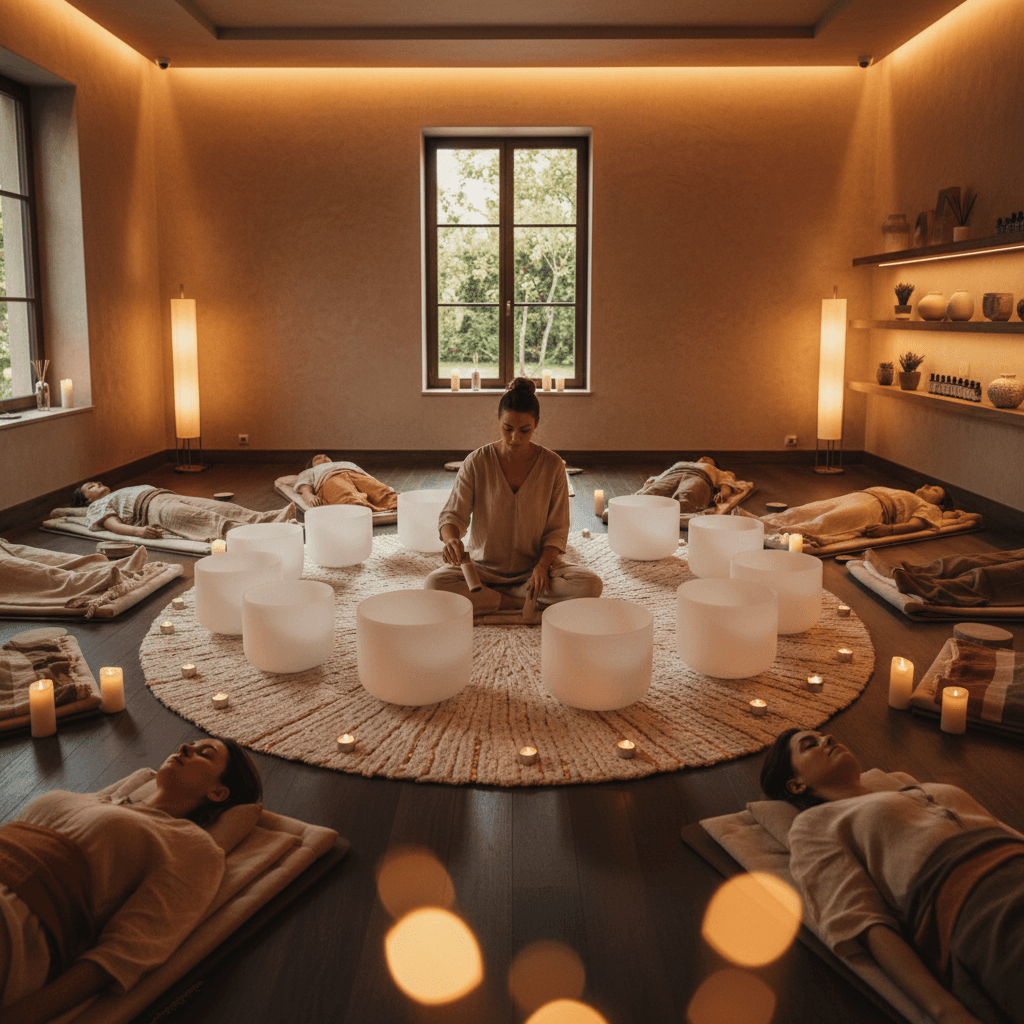
HRT & Sound Therapy: A Synergistic Path to Hormonal Well-being

Nurturing Implantation: Sound Wellness During the Two-Week Wait

Womb Healing: Deep Feminine Restoration at Soul Art Dubai