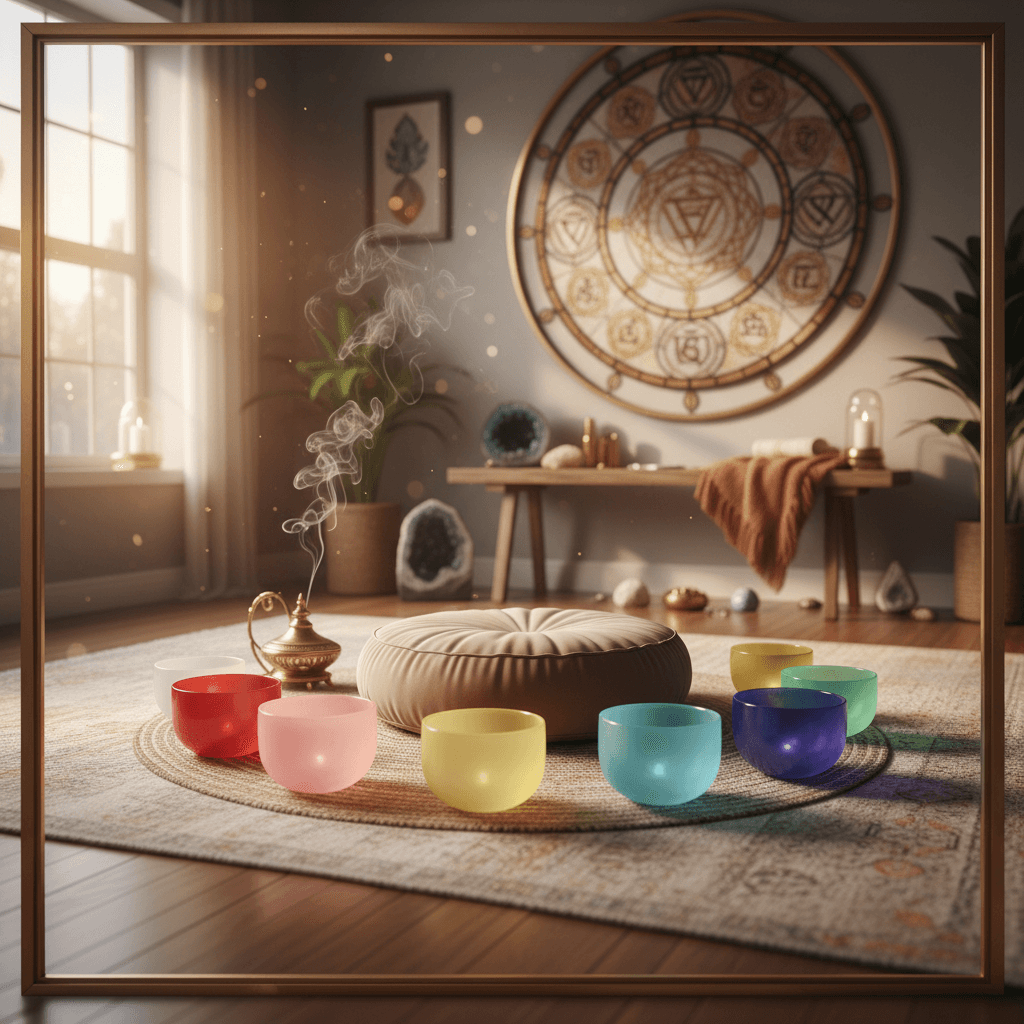
Menopause Mood Swings: Finding Emotional Equilibrium with Sound
Key Insights
Explore the science behind menopausal mood swings and discover holistic wellness strategies, including sound therapy at Soul Art Dubai, to restore emotional balance.
Compelling Introduction
Did you know that as many as 70% of women navigating the profound transition of menopause experience significant mood fluctuations, ranging from unexpected tearfulness to profound irritability? This often-unpredictable emotional landscape, distinct from premenstrual syndrome, can be deeply distressing, leaving many feeling isolated and unsure of how to regain their sense of calm. The journey through perimenopause and menopause is a complex interplay of hormonal shifts, psychological adjustments, and life stressors, all converging to redefine emotional well-being.
At Soul Art Dubai, under the thoughtful guidance of Larissa Steinbach, we understand that achieving emotional balance during this pivotal life stage requires a holistic and informed approach. This article delves into the intricate science behind menopausal mood swings, exploring how hormonal changes impact brain chemistry and offering a spectrum of wellness strategies. You’ll discover practical, scientifically-grounded methods, including the transformative power of sound wellness, designed to support you in finding stability and serenity amidst the currents of change. Understanding these dynamics is the first step toward embracing this transition with grace and confidence.
The Hormonal Symphony: Unraveling Menopause's Impact on Mood
The menopausal transition is not merely a biological endpoint but a dynamic period marked by a symphony of hormonal shifts that profoundly influence emotional health. Far from being "all in your head," these mood swings have distinct physiological underpinnings that merit a deeper understanding. The core of this emotional turbulence often lies in the fluctuating levels of key reproductive hormones, particularly estrogen and progesterone.
Estrogen and Neurotransmitters
Estrogen, often associated solely with reproductive function, plays a crucial, multifaceted role in modulating brain chemistry and mood. During menopause, the erratic decline of estrogen directly impacts neurotransmitter systems responsible for emotional regulation.
- Serotonin: Estrogen has a known antidepressant effect, influencing serotonin levels and receptor sensitivity in the brain. Serotonin is often dubbed the "feel-good" neurotransmitter, and its reduction can lead to symptoms like sadness, anxiety, and increased emotional sensitivity.
- Dopamine: Estrogen also modulates dopamine, a neurotransmitter critical for pleasure, motivation, and reward. Fluctuations can affect feelings of enjoyment and drive, contributing to feelings of apathy or emotional flatness.
- SWAN Study Insights: Longitudinal studies like the Study of Women Across the Nation (SWAN) have clearly demonstrated that mood changes, characterized by depressive symptoms and anxiety, are strongly associated with late perimenopause and the menopausal transition. This period of heightened vulnerability is linked to particularly erratic estradiol levels, the most potent form of estrogen. Research indicates that perimenopausal women face a significantly increased risk for developing depressive symptoms compared to premenopausal women.
The intricate connection between estrogen and these neurotransmitters explains why emotional crying, irritability, and even feelings of rage can become more prevalent during this time. When these systems are disrupted, the brain's ability to maintain emotional equilibrium is compromised, leading to a heightened state of reactivity and sensitivity.
The Role of Stress, Sleep, and the Brain
Beyond direct hormonal influence, menopause introduces a cascade of secondary factors that amplify mood disturbances, forming a complex feedback loop.
- Sleep Disturbances: Insomnia and fragmented sleep are common menopausal symptoms, often exacerbated by hot flashes and night sweats. Poor sleep significantly increases stress hormones like cortisol, making individuals more prone to irritability, emotional sensitivity, and tearfulness. Establishing consistent sleep routines is crucial for improving emotional balance and overall resilience. Research suggests that disturbed sleep patterns intensify mood swings, creating a vicious cycle where anxiety about sleep further impairs rest.
- Anxiety and Vasomotor Symptoms: Emerging research suggests a strong link between anxiety and hot flashes (vasomotor symptoms, VMS). Studies indicate that anxiety may even precede hot flashes, suggesting a psychophysiological feedback loop where mental distress can trigger physical symptoms, and vice versa. Moderate to high anxiety has been associated with a tripling to quintupling likelihood of experiencing VMS, emphasizing the interconnectedness of mind and body during this transition.
- Emotional Processing: Mood disorders, such as anxiety and depression, are closely linked to emotional crying. Individuals experiencing these conditions often report crying more frequently, and paradoxically, may find less emotional relief from crying than those without such conditions. This highlights a deeper dysregulation in emotional processing that can be intensified during menopause.
Beyond Hormones: Life's Interplay
While hormonal changes are central, it's vital to recognize that menopause often coincides with significant life stressors, creating a perfect storm for emotional challenges.
- Midlife Transitions: Many women at this stage navigate changes such as caregiving for elderly parents, the departure of children (empty nest syndrome), divorce, widowhood, or career shifts. These profound adjustments, coupled with evolving feelings about aging and the loss of youth, can make individuals more vulnerable to emotional distress.
- History of Depression: A past history of depression or anxiety is a significant risk factor. Studies show that women with a history of depression are nearly five times more likely to experience a diagnosis of major depression during the menopausal transition. Even women without a prior history are two to four times more likely to report depressed moods. This underscores the importance of personalized support and screening.
- Attitudes Towards Menopause: Intriguingly, research suggests that a woman's attitude towards menopause can influence her experience. Negative expectations or dread about the transition may actually worsen the symptoms experienced, potentially creating a self-fulfilling prophecy. Embracing a positive, informed perspective, knowing that help and support are available, can make a significant difference.
Understanding these multifaceted influences – hormonal, physiological, and psychological – forms the bedrock for developing effective strategies to support emotional balance during menopause. It's about recognizing that these are not personal failings, but rather understandable responses to profound shifts within the body and life.
Navigating Emotional Waves: Practical Strategies for Balance
Connecting the scientific understanding of menopausal mood swings to practical, real-world strategies is crucial for regaining emotional equilibrium. Many women find relief and resilience through a combination of lifestyle adjustments, mindful practices, and complementary therapies. The goal is to nurture the nervous system, stabilize mood-regulating neurotransmitters, and build robust coping mechanisms.
Mind-Body Connection: The Power of Movement and Rest
- Regular Physical Activity: Engaging in consistent physical activity is a cornerstone of emotional wellness. Exercise releases endorphins, natural mood elevators that promote feelings of well-being and significantly reduce stress. Low-impact aerobic exercises like walking, swimming, or cycling, alongside practices such as yoga and strength training, have been shown to help regulate emotions and decrease emotional sensitivity. Even 30 minutes of moderate exercise most days of the week may significantly improve emotional resilience and contribute to a more stable mood. The physical sensation of movement can also be incredibly grounding, offering a tangible connection to the body amidst internal shifts.
- Prioritizing Quality Sleep: Given that sleep disturbances can intensify mood swings by increasing stress hormones, prioritizing quality sleep is paramount. Establishing consistent sleep routines – going to bed and waking up at the same time daily, even on weekends – helps regulate the body’s circadian rhythm. Creating a calming nighttime ritual, such as a warm bath, reading, or listening to soothing music, and reducing screen time before bed, can significantly improve sleep quality. Many people report that even a small improvement in sleep profoundly impacts their emotional stability and capacity to manage daily stressors.
Lifestyle Foundations: Nurturing Your System
- Mindful Nutrition and Hydration: While specific dietary recommendations should always come from a qualified professional, a balanced diet rich in whole foods, fruits, vegetables, and lean proteins may support overall well-being. Avoiding or limiting alcohol and excessive caffeine can also be beneficial. Research shows that alcohol can exacerbate mood disorders and emotional sensitivity, making individuals more prone to intense emotional crying. Staying well-hydrated is also essential for all bodily functions, including neurological health.
- Stress Reduction Techniques: Developing effective stress management tools is vital. Chronic stress can deplete neurotransmitters and elevate cortisol, intensifying menopausal mood swings. Practices like deep breathing exercises, progressive muscle relaxation, or spending time in nature have been associated with reduced anxiety and an improved sense of calm. These techniques help activate the parasympathetic nervous system, shifting the body from a "fight or flight" response to a "rest and digest" state.
Exploring Complementary Support
- Therapeutic Approaches: Cognitive Behavioral Therapy (CBT), a form of psychotherapy, has been shown to be effective in improving mood, quality of life, and emotional functioning, particularly for women experiencing hot flashes and night sweats. CBT helps challenge negative thought patterns and develop healthier coping strategies. Other wellness therapies such as acupuncture, which aims to balance the body's energy flow, and light therapy, which mimics sunlight to boost mood and regulate circadian rhythms, have also been explored as complementary approaches for mood support.
- Hormone Support (Medical Perspective): It's worth noting that some research indicates that women experiencing severe mood swings, heightened anxiety, or depressive symptoms in conjunction with vasomotor symptoms may find benefit from hormone replacement therapy (HRT), as it can help stabilize mood and reduce emotional distress. Studies suggest that HRT can lead to significant improvements in depressive symptoms for some individuals, particularly in early menopause. This is a medical consideration that should always be discussed thoroughly with a healthcare provider. Our focus at Soul Art is on complementary wellness, but we encourage informed decisions regarding all aspects of health.
These practical steps, when consistently applied, can create a powerful framework for navigating the emotional shifts of menopause. They emphasize self-care, conscious choices, and an understanding that managing mood is an active, ongoing process that combines various supportive practices.
The Soul Art Sanctuary: Sound Wellness for Menopausal Harmony
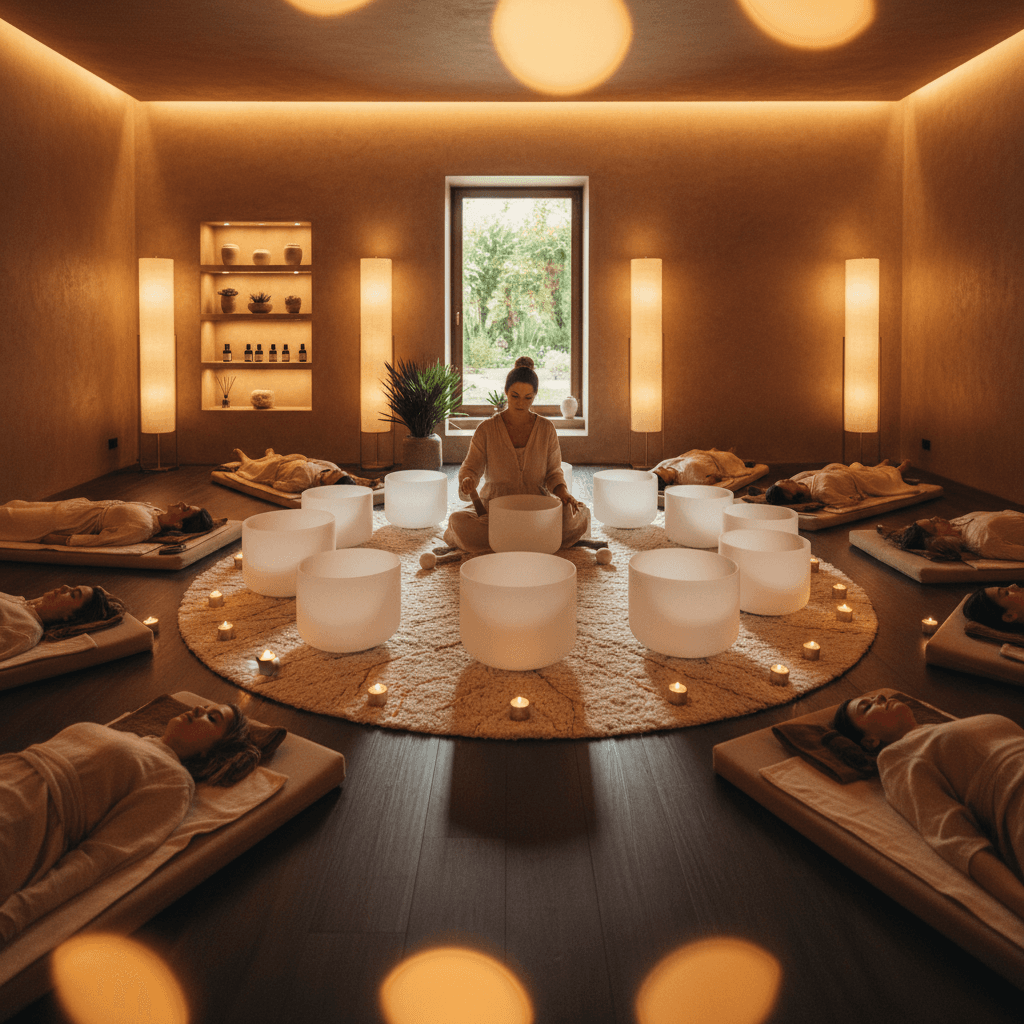
At Soul Art Dubai, founded by the visionary Larissa Steinbach, we offer a unique and profound pathway to emotional balance through the ancient yet scientifically-relevant practice of sound wellness. Our approach is meticulously designed to provide a tranquil sanctuary where the nervous system can reset, and emotional equilibrium can be gently restored. We recognize that menopausal mood swings are not just a mental experience but a deeply embodied one, and our sound sessions are crafted to address this holistic reality.
The Soul Art method centers on the principle that the human body is a vibrational system. When stress, hormonal imbalances, and daily pressures disrupt our internal harmony, it manifests as emotional and physical distress. Sound wellness, specifically through practices like sound baths and vibrational therapy, works by introducing therapeutic frequencies that encourage the brain and body to enter deeply relaxed states.
What Makes the Soul Art Method Unique?
Larissa Steinbach's expertise lies in curating immersive sound journeys that guide participants towards profound states of relaxation and inner peace. Our studio environment is carefully designed to be an oasis of calm, supporting the integration of these powerful sound experiences.
- Precise Frequencies for Nervous System Regulation: We utilize a carefully selected array of instruments, each tuned to specific frequencies known for their calming and harmonizing effects. Instruments like Himalayan singing bowls, crystal singing bowls, gongs, and chimes create rich, resonant soundscapes. These gentle vibrations travel through the body, helping to shift brainwave states from active beta waves to alpha (relaxed) and even theta (deep relaxation, meditative) states. This shift may support the reduction of stress hormones and enhance the body's natural capacity for healing and balance. Many people report a profound sense of peace and mental clarity during and after these sessions.
- Emotional Release and Rebalancing: The immersive sound experience at Soul Art provides a safe space for emotional processing. The deep relaxation induced by the sound vibrations may help release stored tension and emotional blockages, which can be particularly beneficial for those experiencing heightened emotional sensitivity or unexplained tearfulness during menopause. Instead of suppressing emotions, the sound environment gently encourages a state where emotions can be observed and integrated without overwhelming the system.
- Holistic Integration: Larissa Steinbach emphasizes that sound wellness is a complementary practice that works synergistically with other self-care strategies. While it doesn't "cure" menopause, it provides an invaluable tool for managing its emotional symptoms by strengthening the nervous system's resilience. It's about cultivating an inner sanctuary, a place of calm that you can access even amidst the external changes of life. The experience is not just about listening but about feeling the vibrations permeate every cell, creating a unique sensation of internal massage and realignment.
By engaging with the Soul Art approach, individuals may find an effective, non-invasive method to support their emotional well-being during menopause. It's a journey into sensory serenity, designed to foster a deeper connection with the self and restore a fundamental sense of calm and equilibrium.
Cultivating Calm: Your Path to Emotional Well-being
Navigating menopausal mood swings doesn't have to be a solitary or overwhelming experience. By integrating an informed perspective with proactive self-care, you can cultivate a profound sense of emotional balance and well-being. Remember, these changes are a natural part of life, and with the right support, they can be embraced with strength and serenity.
Here are your actionable next steps to empower your journey:
- Prioritize Rest and Movement: Consciously dedicate time each day to both restorative sleep and joyful physical activity. Even short walks can significantly impact your mood and energy levels. Consider creating a consistent sleep ritual to signal to your body that it's time to unwind.
- Nurture Your Inner World: Explore mindfulness practices such as meditation, deep breathing, or journaling. These tools can help you observe your emotions without judgment and develop greater self-awareness, fostering a sense of control over your emotional responses.
- Seek Informed Support: Engage with healthcare professionals to discuss any persistent or severe symptoms, including exploring medical options like HRT if appropriate for you. Remember, a holistic approach often involves multiple layers of support.
- Connect with Others: Don't struggle alone. Share your experiences with trusted friends, family, or support groups. Many women report significant relief simply from knowing they are not alone in their journey.
- Experience Sound Wellness: Discover the deeply calming and rebalancing potential of sound therapy. A session at Soul Art Dubai offers a unique opportunity to immerse yourself in therapeutic vibrations, supporting your nervous system and promoting emotional equilibrium. Many people report feeling profoundly relaxed and centered after a sound session.
Ready to restore your nervous system and rediscover your inner calm? We invite you to explore the transformative power of sound wellness.
In Summary: Embracing Your Menopausal Journey with Grace
Menopausal mood swings are a common, scientifically explainable phenomenon driven by complex hormonal shifts and amplified by lifestyle factors. Understanding the intricate connection between estrogen, neurotransmitters, sleep, and stress is the first step toward reclaiming emotional balance. While these changes can feel overwhelming, a holistic approach combining lifestyle adjustments, mindful practices, and complementary wellness techniques offers powerful support. Larissa Steinbach and Soul Art Dubai provide a unique sanctuary where therapeutic sound experiences can gently guide your nervous system into states of deep relaxation, fostering emotional resilience and a renewed sense of peace. Embracing these supportive practices allows you to navigate this significant life transition with grace, confidence, and inner harmony.
Bookings Coming Soon
Soul Art is still in preparation. Session details and booking will be published here after launch.
Coming Soon
Wellness Disclaimer: This article is for educational and informational purposes only. It does not constitute medical advice, diagnosis, or treatment. Soul Art Dubai provides non-medical wellness experiences focused on relaxation, stress management, and general wellbeing. Sound wellness is a complementary practice and should not replace professional medical care.
Related Articles
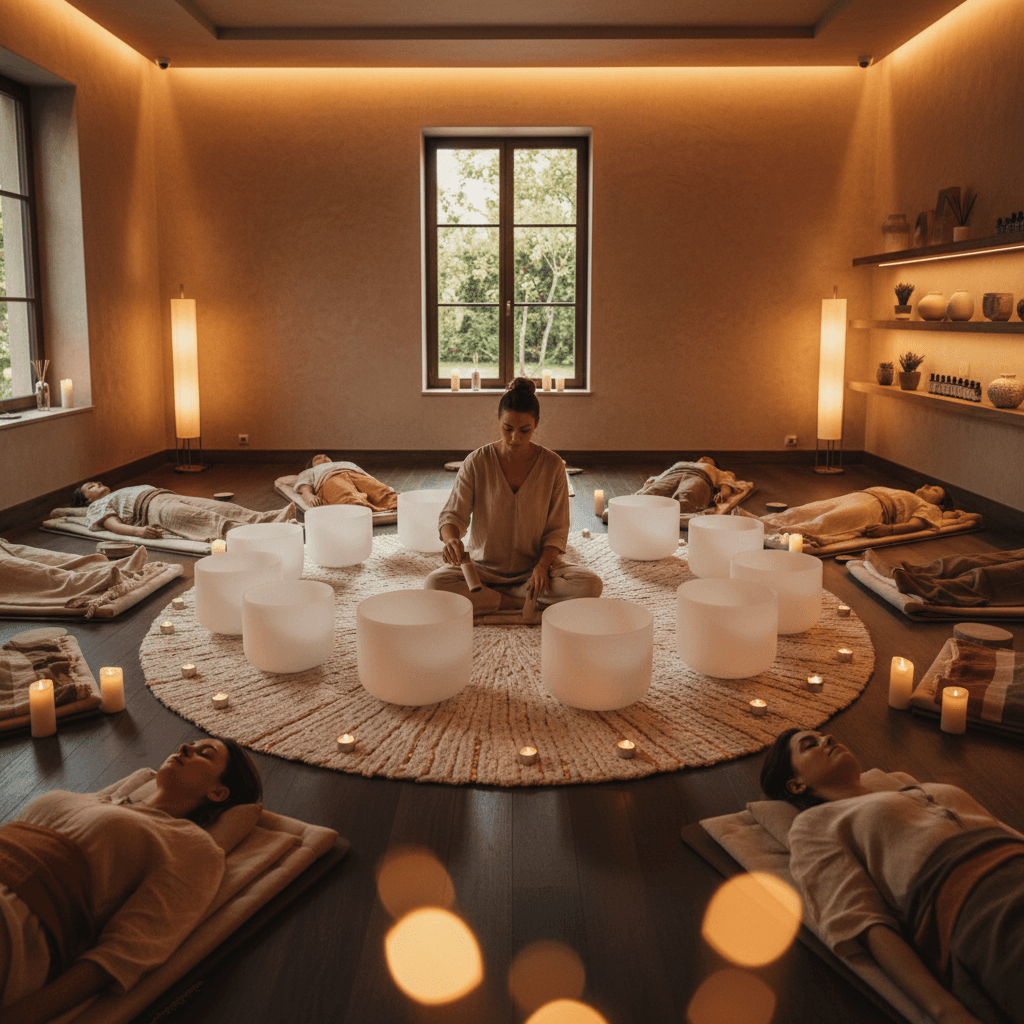
HRT & Sound Therapy: A Synergistic Path to Hormonal Well-being

Nurturing Implantation: Sound Wellness During the Two-Week Wait
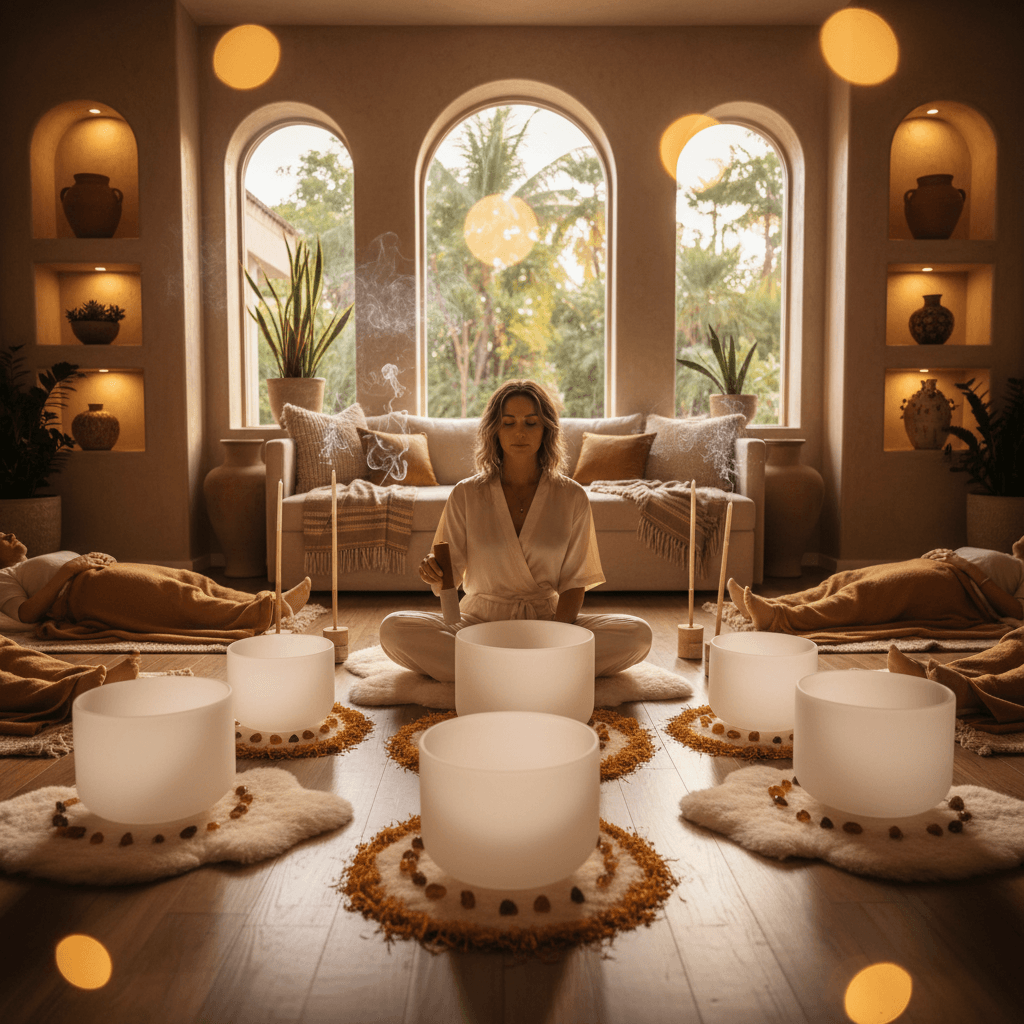
Womb Healing: Deep Feminine Restoration at Soul Art Dubai