Unlock Your Mind: Sound Frequencies for Enhanced Memory Recall
Key Insights
Discover how sound wellness and specific frequencies, as offered by Soul Art Dubai, can profoundly enhance memory and cognitive recall.
Have you ever wondered if there's a natural, profound way to sharpen your recall, improve focus, and strengthen your brain's ability to retain information? In our fast-paced world, maintaining peak cognitive function is more challenging yet more crucial than ever. Many seek innovative solutions beyond conventional methods.
The surprising answer lies in the ancient yet scientifically validated power of sound. From specific frequencies to carefully curated melodies, sound offers a unique pathway to enhance memory and cognitive performance. This article delves into the cutting-edge science behind sound for recall, revealing how it can support a sharper, more vibrant mind.
Join us as we explore how these insights are masterfully integrated into the transformative experiences offered at Soul Art, Dubai's premier sound wellness studio founded by Larissa Steinbach. We'll uncover practical strategies to leverage sound for a more retentive memory and an elevated state of well-being.
The Auditory Pathway to Enhanced Memory
The intricate relationship between sound and memory is a burgeoning field of scientific inquiry. Research consistently points to sound's remarkable ability to influence brain function, directly impacting how we encode, store, and retrieve information. This isn't just about relaxation; it's about optimizing neural pathways for superior cognitive performance.
Multisensory Encoding: The Power of Sound with Sight
Our brains are designed to process information through multiple senses simultaneously. When visual information is paired with a semantically congruent sound, memory recall is significantly improved. This isn't merely a coincidence; it reflects a deeper neurological mechanism.
A study published in PMC (NIH) highlighted that learning a visual object alongside a congruent sound leads to improved visual recognition memory. This improvement is specifically tied to recollection, which involves retrieving detailed information about an event, rather than just a sense of familiarity. The research replicated earlier findings, demonstrating that even when memory is incidental, congruent multisensory experiences create a qualitative shift in how episodic events are encoded.
Crucially, the study showed that memory for the sound itself, even if considered task-irrelevant, supported the recollection-based recognition of the visual object. This suggests that engaging multiple senses during learning can establish stronger, more resilient memory traces. By associating sounds with experiences, we may create richer, more accessible memory networks.
Binaural Beats: Tuning Brainwaves for Recall
Binaural beats represent a fascinating frontier in sound wellness, involving the auditory perception of a third frequency when two slightly different frequencies are presented separately to each ear. This phenomenon encourages brainwave entrainment, guiding the brain into desired states associated with enhanced cognitive function.
Research by Brandon Luu, MD, underscores the significant impact of specific binaural beat frequencies on memory. A key finding revealed that 20 Hz (beta frequency) binaural beats significantly increased word recall by up to 27% compared to white noise. This suggests that certain frequencies can provide substantial, immediate protection against cognitive fatigue, which is crucial for sustained mental clarity. Another study noted that a single 12-minute session of 14 Hz (beta) beats completely prevented a 30% attention loss after intense mental activity.
These findings highlight that the exact frequencies matter immensely; some may offer benefits while others might not. When the brain receives these specific frequencies, it attempts to reconcile the discrepancy, generating an offset frequency that corresponds to specific brainwave states, such as beta waves, which are associated with alertness, focus, and active memory.
Gamma Entrainment: Boosting Brain Health and Cognition
Gamma brainwaves, typically oscillating above 30 Hz, are widely associated with higher-order cognitive functions, including perception, problem-solving, and memory consolidation. Recent research has focused on the therapeutic potential of gamma entrainment, using external stimuli like sound and light to encourage the brain to produce these waves.
Breakthrough studies, including those from MIT, have shown that 40 Hz stimulation via sound (and light) may reduce hallmarks of Alzheimer’s pathology, such as amyloid and tau proteins, in mouse models. This approach has also been associated with preventing neuron death, decreasing synapse loss, and sustaining memory and cognition. A study involving over 100 people in Scotland, for example, found that audio and visual gamma stimulation (at 37.5 Hz) appeared to improve memory recall.
Exposure to a 40 Hz gamma binaural beat psychoacoustic stimulation for an average of 20 minutes has been shown to enhance memory function during recall tasks. The connection between rhythm, cognition, and sensorimotor activities is also well-documented, with a good sense of rhythm often correlating with better grammar skills, suggesting a deeper tie between language and music processing. These findings indicate that precise sound frequencies may play a pivotal role in supporting long-term brain health and cognitive resilience.
The Melodic Bridge: Music's Unique Role in Memory
Music possesses an extraordinary capacity to engage the brain in ways that differ from other stimuli, making it a powerful tool for memory enhancement. For many, music evokes deep emotional responses and vivid recollections.
Research conducted by Dr. Psyche Loui at Northeastern University, published in Nature's Scientific Reports, found that music essentially creates an auditory channel directly to the medial prefrontal cortex, the brain’s reward center. This area is known to lose activity in aging adults, especially those with dementia. Loui's team discovered that music, particularly familiar and well-liked selections, can bridge the gap between the brain's auditory and reward systems, fostering increased connectivity.
"There’s something about music that is this functional connectivity between the auditory and reward system, and that’s why music is so special and able to tap into these seemingly very general cognitive functions that are suddenly very engaged in folks with dementia who are hearing music."
This effect was even stronger when participants selected their own preferred music, highlighting the personal resonance of musical choices. Harvard Health also notes that listening to and performing music reactivates brain areas associated with memory, reasoning, speech, emotion, and reward. Music doesn't just help retrieve stored memories; it may also support the laying down of new ones, as seen in studies where elderly participants showed improved memory and reasoning after moderate physical exercise accompanied by music. Singing lyrics, which engages the right side of the brain, can be particularly beneficial for memory and language acquisition, even aiding recovery from brain injuries.
How It Works in Practice
Translating these scientific insights into a tangible experience means understanding how sound wellness sessions are designed to optimize memory function. It's about creating an environment where your brain can naturally attune itself to frequencies that support enhanced recall and mental clarity.
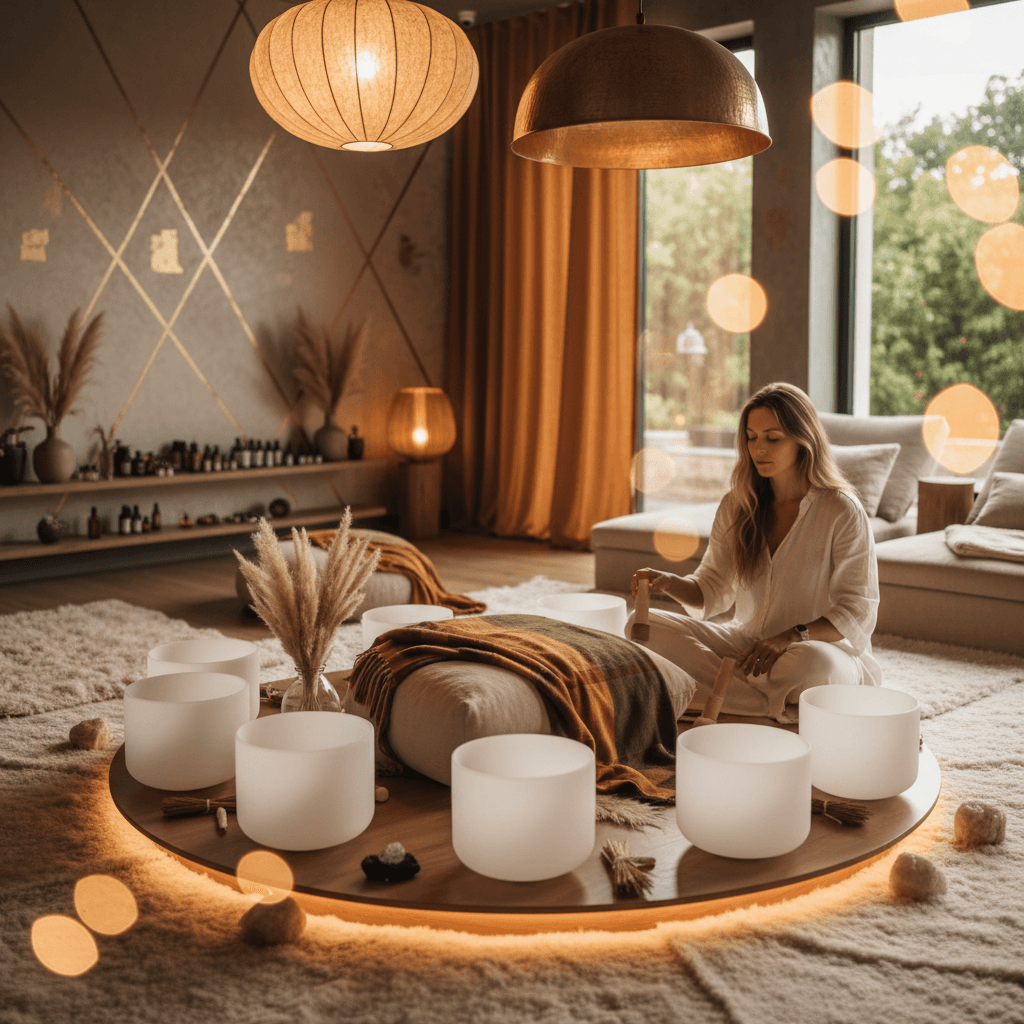
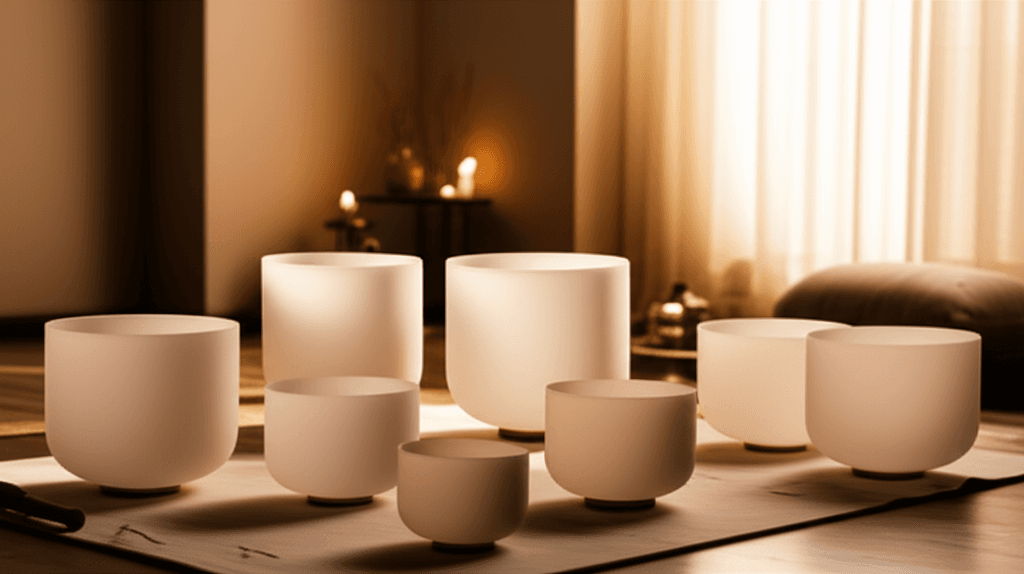
During a sound wellness session, you are immersed in a meticulously curated soundscape. This isn't merely background noise; it's a precisely engineered acoustic environment. Think of it as a gentle guide for your brain, leading it towards states conducive to improved memory. Specialized instruments, from resonant crystal singing bowls to deep-toned gongs and precision-tuned tuning forks, are utilized. Each instrument's unique vibrational signature is chosen for its specific impact on brainwave activity and energetic resonance.
For instance, when targeting memory enhancement, a session may incorporate binaural beats designed to foster beta or gamma brainwave activity. You might experience a sense of heightened focus and mental alertness, followed by a profound state of calm that allows for clearer cognitive processing. The subtle interplay of various frequencies encourages the brain to naturally synchronize with these beneficial patterns.
The experience is deeply sensory, extending beyond just hearing. The vibrations of the sound waves resonate through the body, promoting a feeling of deep relaxation and release of tension. This holistic engagement helps quiet the "noise" of daily stressors, allowing the mind to access and process information with greater ease. Many people report emerging from these sessions with a refreshed sense of mental acuity, improved concentration, and a feeling that their thoughts are more organized and accessible. It's about cultivating an optimal state for cognitive function, where memories are not only more easily stored but also more readily retrieved.
The Soul Art Approach
At Soul Art, Dubai's premier sound wellness studio, Larissa Steinbach and her team are dedicated to harnessing the profound power of sound for holistic well-being, including enhanced memory. Our approach is rooted in a deep understanding of the scientific principles outlined, combined with an intuitive art of sound curation. Larissa Steinbach’s vision is to offer personalized, sophisticated experiences that address specific wellness goals.
The Soul Art methodology integrates a diverse array of tools and techniques. We utilize custom-designed binaural beat programs, precision-tuned therapeutic instruments such as alchemy crystal singing bowls, gongs, and chimes. Each session is a carefully orchestrated symphony of frequencies intended to guide your brainwaves towards optimal states for memory encoding and retrieval. We understand that memory is deeply intertwined with overall brain health, focus, and emotional regulation.
Our unique method focuses on creating an immersive, multi-sensory environment that encourages deep relaxation and mental clarity. By reducing stress and fostering a calm nervous system, Soul Art sessions establish the ideal conditions for cognitive function to flourish. Whether through individual sessions tailored to specific memory goals or group sound journeys designed to promote collective mental revitalization, Larissa Steinbach ensures that every experience is crafted with intention and scientific grounding.
At Soul Art, we believe that optimizing your memory is not just about recall, but about enhancing your overall quality of life. Our sound wellness experiences provide a complementary approach to support a sharper mind, improved focus, and a more vibrant connection to your inner cognitive landscape. We are committed to offering an oasis where the science of sound meets the art of deep personal transformation.
Your Next Steps
Embracing sound for memory enhancement is a journey that can begin today. Integrating these practices into your daily routine may support a sharper, more resilient mind. Here are some actionable steps you can take:
- Mindful Listening Practice: Dedicate short periods each day (even 5-10 minutes) to listen to music or ambient sounds with focused attention. Choose pieces that evoke positive emotions and allow your mind to fully engage without distraction. This practice can strengthen neural pathways associated with auditory processing and memory.
- Explore Binaural Beats: Research and experiment with binaural beat tracks, particularly those targeting beta (around 14-20 Hz) or gamma (around 40 Hz) frequencies, for periods of focus or before memory tasks. Always use high-quality headphones for the best effect, and ensure the frequencies are suitable for your goals.
- Curate Personal Music Playlists: Create playlists of familiar and well-liked music that you find uplifting or calming. Listen to these playlists mindfully, especially when engaging in activities where you want to enhance memory or focus. Remember, personalized music has a stronger connection to the brain's reward system.
- Prioritize Holistic Brain Health: Complement sound practices with foundational wellness habits. Ensure adequate sleep, a balanced diet rich in brain-supporting nutrients, regular physical activity, and stress management techniques. These elements collectively create an optimal environment for cognitive function.
- Consider a Professional Sound Wellness Session: To deeply integrate these scientifically-backed principles, explore a guided sound wellness experience at Soul Art. Our expert practitioners can tailor sessions to your specific needs, providing an immersive and transformative journey designed to optimize your cognitive abilities and overall well-being.
Bookings Coming Soon
Soul Art is still in preparation. Session details and booking will be published here after launch.
Coming Soon
In Summary
The exploration of sound's capacity to enhance memory and cognitive recall offers compelling insights into the brain's remarkable plasticity. From the benefits of multisensory encoding and the brainwave-tuning power of binaural beats to the restorative effects of gamma entrainment and the profound connection between music and memory, science continually illuminates new pathways to a sharper mind. These complementary approaches provide powerful tools for supporting overall brain health and cognitive vitality.
Soul Art, under the guidance of Larissa Steinbach, stands at the forefront of this emerging field, offering meticulously crafted sound wellness experiences designed to help you unlock your cognitive potential. By integrating these practices, you may cultivate improved focus, clearer recall, and a more vibrant mental landscape. Embrace the transformative power of sound and step into a future of enhanced well-being and heightened memory.
Related Articles
Advanced Biohacker: Optimizing Wellness with Complex Sound Protocols

Ozone Therapy & Sound: Mastering Oxidative Stress for Vitality
Hyperbaric Oxygen & Sound: Synergizing Wellness & Brain Vitality