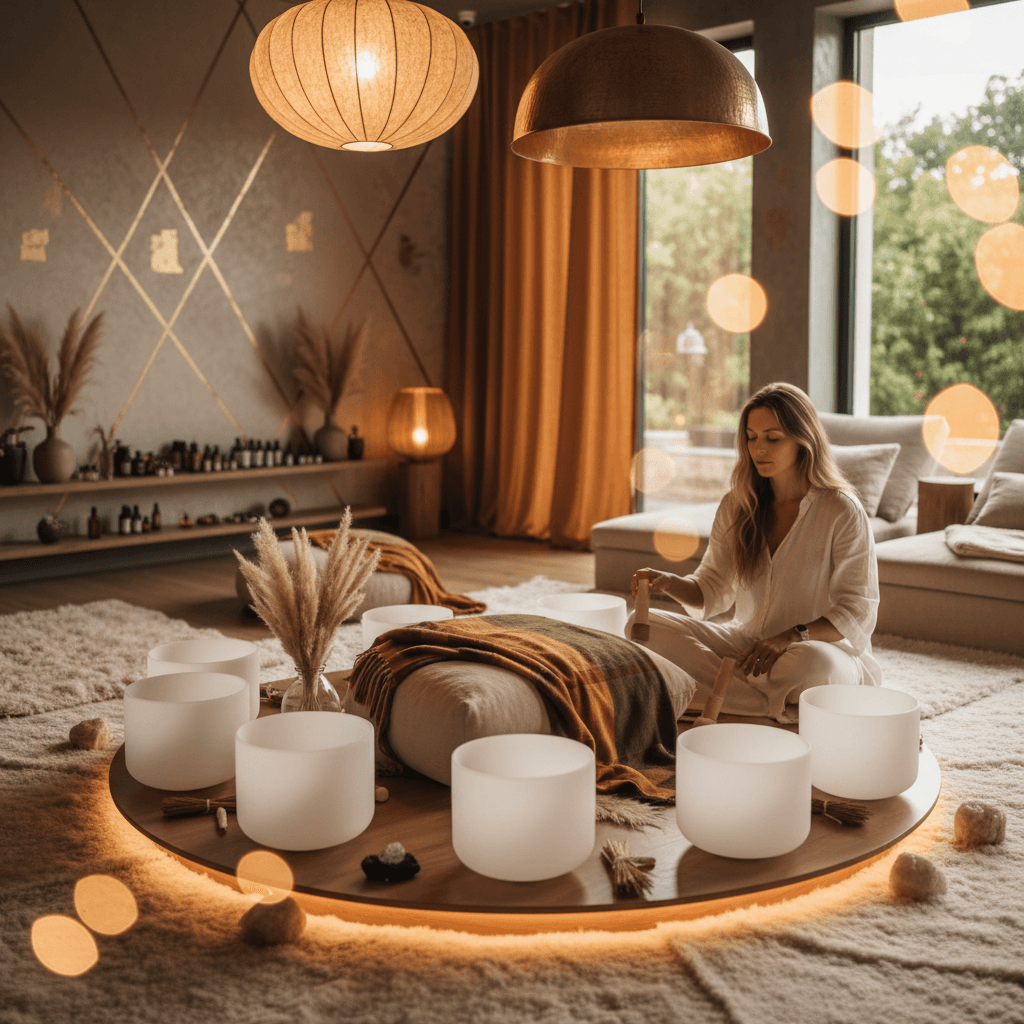
Optimizing Melatonin with Evening Sound Wellness
Key Insights
Explore how intentional sound environments at Soul Art Dubai, led by Larissa Steinbach, can naturally enhance melatonin for deeper sleep and holistic well-being.
Compelling Introduction: The Unseen Architect of Your Sleep
Did you know that the seemingly subtle sounds of your evening environment could be profoundly influencing your body's most crucial sleep hormone? Melatonin, often called the "hormone of darkness," is remarkably sensitive not only to light but also to the acoustic landscape surrounding us. Optimizing its natural production is a cornerstone of deep restorative sleep and overall well-being.
At Soul Art, Dubai's premier sound wellness studio, we delve into the intricate relationship between sound and physiology. We invite you to explore how carefully curated soundscapes can create an optimal internal environment, supporting your body’s innate ability to produce melatonin. This journey will reveal how intentional sound practices can become a powerful tool in your pursuit of enhanced sleep, reduced stress, and vibrant health.
Understanding this connection empowers you to take control of your sleep hygiene beyond just dimming the lights. We will unpack the science behind melatonin, explore how noise subtly sabotages its release, and illustrate how the unique Soul Art approach, guided by Larissa Steinbach, harnesses sound to foster profound nocturnal restoration. Prepare to discover a new dimension of self-care.
The Science Explained: Melatonin, Noise, and the Nervous System
Melatonin, a hormone primarily secreted by the pineal gland, serves as the body’s master regulator of circadian rhythm, orchestrating our sleep-wake cycle. Its levels are typically low during the day, rise shortly after the onset of darkness, and peak in the middle of the night. This natural surge signals to the body that it is time to wind down and prepare for sleep.
Beyond its crucial role in sleep initiation, melatonin possesses potent anti-inflammatory properties, reducing the expression of proinflammatory cytokines like TNFα and IL-1β. Some preliminary studies, even in animal models, suggest that this anti-inflammatory action may contribute to neuroprotection and potentially enhance cognitive functions such as spatial recognition and learning memory. Therefore, adequate melatonin production is vital for both physical and mental restoration.
The Detrimental Impact of Nocturnal Noise
Unfortunately, our modern environments are often far from ideal for optimal melatonin production. Research indicates a significant association between nighttime noise exposure and diminished melatonin secretion, disrupted sleep quality, and even elevated cortisol concentrations. Cortisol, the body’s primary stress hormone, tends to run in an opposite pattern to melatonin, with peak levels typically occurring after awakening, making nighttime quiet even more critical for balance.
Consider a study examining the effects of noise on sleep, which found that noise peaks of 50.3 dB(A) can cause awakenings, while changes in sleep state occur at 48.5 dB(A). Even transient reactions can be triggered by sounds at 47.6 dB(A). These findings suggest that to prevent a significant percentage of sleep disturbances, limiting noise peaks to below 40 dB(A) may be beneficial. Increased sound levels have also been associated with a significant rise in heart rate, with the highest responses noted during REM sleep.
This constant acoustic intrusion during sleep not only disturbs the sleep architecture but also sends stress signals to the body, potentially suppressing melatonin release. The nervous system remains on high alert, hindering the deep relaxation necessary for the pineal gland to effectively produce this vital hormone. Essentially, our ears are "hearing" too much, even when we are seemingly asleep.
The Symbiotic Relationship with Light
While our focus here is on sound, it's essential to acknowledge light's primary role in melatonin regulation. Melatonin levels are remarkably sensitive to room light, with exposure before bedtime strongly suppressing its synthesis. This premature exposure can shorten melatonin duration, effectively truncating the body's internal representation of solar night.
Studies confirm that later evening melatonin levels are reduced when preceded by bright light intervention, even several hours before habitual bedtime. Conversely, brighter light exposure earlier in the day may help mitigate the undesirable effects of evening or nighttime light. This interplay highlights the holistic nature of circadian rhythm management, where both visual and auditory inputs play a critical role in signaling "day" or "night" to our internal clock.
Acoustic Environments and Physiological Well-being
Creating an environment conducive to natural melatonin production involves minimizing both light and noise pollution. Research has shown that implementing nighttime noise control protocols can be associated with enhanced melatonin secretion and improved sleep quality. Beyond sleep, these changes have also been linked to reduced cortisol concentrations and, in some contexts, even elevated bone formation markers.
"The symphony of silence, or rather, the intentionally curated soundscape, is not merely an absence of noise but a deliberate presence of frequencies that guide the body into its natural state of repose. It’s about creating an internal echo of the 'dark night' our physiology craves."
These physiological shifts underscore that acoustic environmental factors may represent a modifiable determinant of various recovery trajectories and overall well-being. By controlling our sound environment, we are not just seeking quiet; we are actively supporting intricate bodily processes that rely on the precise timing of melatonin. Intentional sound, therefore, becomes a powerful, non-invasive tool to harmonize our internal rhythms with the natural world, fostering deep rest and systemic balance.
How It Works in Practice: Crafting Your Evening Sound Sanctuary
Connecting the scientific understanding of melatonin and noise to practical application involves a conscious re-evaluation of our evening routines and environments. The goal is to move beyond passive exposure to sound and instead, actively cultivate an acoustic sanctuary that signals safety and rest to the nervous system. This transition supports the body’s innate ability to release melatonin naturally.
Imagine entering a space where every sound is intentional, designed to gently guide your mind and body into a state of profound relaxation. This is the essence of sound wellness practices, where specific frequencies and vibrations become a conduit for deep rest. They work by lowering brainwave activity from a busy beta state to more relaxed alpha and theta states, which are conducive to sleep.
When the external auditory environment shifts from jarring, unpredictable noises to harmonious, sustained tones, the autonomic nervous system responds by downregulating its stress response. The fight-or-flight (sympathetic) system deactivates, allowing the rest-and-digest (parasympathetic) system to take over. This physiological shift is crucial for preparing the body for sleep and facilitating the optimal production of melatonin.
Clients often report a noticeable reduction in mental chatter and an increased sense of calm during and after sound sessions. The resonant frequencies help to quiet the mind, release accumulated tension, and create a sensation of being deeply held. This sensory experience helps to create an internal "dark night" for the ears, mimicking the quiet environment our ancestors experienced, which our bodies are still genetically wired for.
The consistent exposure to these intentional soundscapes can effectively re-pattern the brain’s response to auditory stimuli, making it more resilient to everyday stressors. By consistently providing an environment free from disruptive noise, we are actively supporting the body’s natural rhythm, signaling that it is safe to produce melatonin and transition into a deeply restorative sleep. This practice is a gentle yet powerful way to align with our intrinsic biological clock.
The Soul Art Approach: Larissa Steinbach's Philosophy of Harmonious Rest
At Soul Art, Dubai, we believe that true wellness is a symphony of mind, body, and spirit, orchestrated by intentional experiences. Larissa Steinbach, the visionary founder of Soul Art, has meticulously designed a methodology that leverages the power of sound to foster profound states of relaxation and balance. Her approach is rooted in the scientific understanding of how sound interacts with our physiology, particularly in optimizing melatonin production.
Larissa's philosophy centers on creating an oasis where the nervous system can gently unwind, moving away from the constant stimulation of modern life. This is achieved through carefully curated sound baths and vibrational healing sessions that encourage deep cellular resonance. The absence of jarring external noise is paramount, replaced by a rich tapestry of harmonious frequencies.
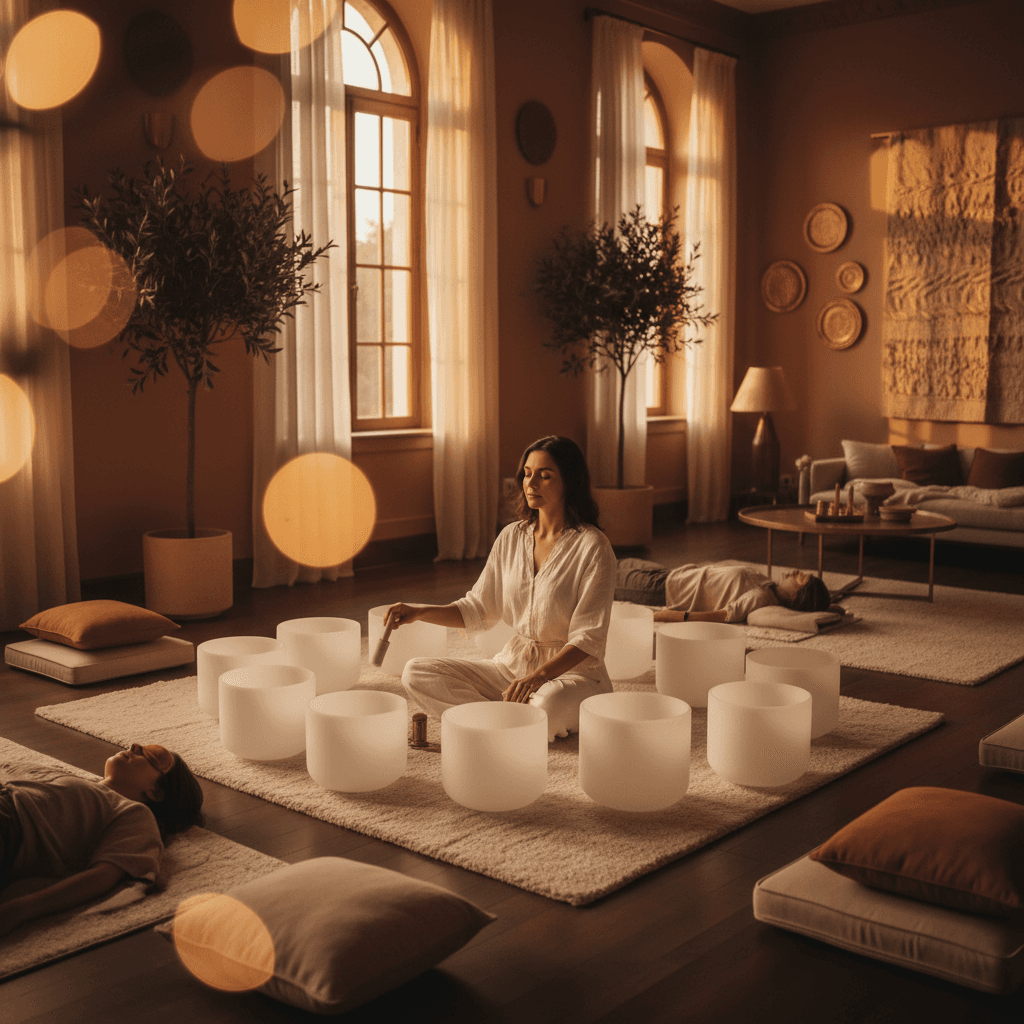
Unique to the Soul Art method is the precise selection and application of instruments, including Himalayan singing bowls, crystal bowls, gongs, and chimes. Each instrument is chosen for its specific vibrational qualities and ability to elicit particular brainwave states. For instance, the deep, sustained tones of a gong can guide the brain into delta and theta wave patterns, traditionally associated with deep sleep and meditative states.
Larissa Steinbach guides participants through a journey of sound, where the auditory experience becomes a gateway to inner stillness. This process helps to quiet the mind and prepare the body for the natural evening surge of melatonin. It is a complementary approach that respects the body’s innate wisdom, offering a non-pharmacological pathway to support healthy sleep cycles.
The Soul Art experience is more than just listening; it is an immersion. Participants lie comfortably, allowing the sound waves to wash over and through them, facilitating a profound sense of peace and safety. This environment of acoustic tranquility is precisely what the pineal gland needs to perform its essential function, signaling the body to embrace rest and repair.
Your Next Steps: Cultivating Your Evening Melatonin Ritual
Integrating the principles of sound wellness into your daily life can significantly enhance your body's ability to optimize melatonin production. Even small adjustments to your evening routine can yield noticeable benefits for your sleep quality and overall well-being. Consider these actionable steps to create your own sanctuary for restorative rest.
-
Mindful Noise Reduction: Identify and minimize sources of disruptive noise in your evening environment. This might involve turning off televisions, silencing notifications, or using soundproofing techniques like heavier curtains. Aim to keep your bedroom as acoustically calm as possible, especially in the hours leading up to bedtime.
-
Create a Sound-Rich Wind-Down Routine: Incorporate intentional, calming sounds into your pre-sleep ritual. This could be soft ambient music, nature sounds, or guided meditations that use specific frequencies designed for relaxation. These sounds signal to your brain that it's time to transition from an active state to one of rest.
-
Explore Sound Baths and Vibrational Healing: Experience a professional sound bath session at Soul Art. These immersive experiences are expertly crafted to induce deep relaxation and support nervous system regulation, providing an ideal environment for natural melatonin enhancement. Many people report feeling deeply rested and rejuvenated after a session.
-
Optimize Your Light Environment: Complement your sound efforts by dimming lights and reducing blue light exposure from screens at least one to two hours before bed. Remember, both light and sound send powerful signals to your brain about whether it’s day or night. Creating a "dark and quiet" sensory environment is key.
-
Consistency is Key: Just as building any healthy habit requires consistency, so does optimizing your sleep environment. Regularly practicing these steps will reinforce positive physiological responses, helping your body to naturally anticipate and produce melatonin more effectively over time.
In Summary: The Harmony of Healthy Sleep
Melatonin, the essential hormone guiding our sleep, is profoundly influenced by our surrounding environment, especially light and sound. Disruptive nocturnal noise can significantly impair its production, leading to compromised sleep and broader health implications. By contrast, cultivating an intentional, quiet, and harmonious acoustic environment actively supports the body's natural capacity to generate this vital sleep regulator.
The unique approach at Soul Art, envisioned by Larissa Steinbach, harnesses the power of sound to create an optimal space for deep relaxation and melatonin optimization. Through expertly guided sound baths and vibrational practices, we offer a complementary pathway to calm the nervous system and enhance restorative sleep. Embrace the transformative potential of sound to unlock a deeper, more harmonious state of well-being.
Bookings Coming Soon
Soul Art is still in preparation. Session details and booking will be published here after launch.
Coming Soon
Wellness Disclaimer: This article is for educational and informational purposes only. It does not constitute medical advice, diagnosis, or treatment. Soul Art Dubai provides non-medical wellness experiences focused on relaxation, stress management, and general wellbeing. Sound wellness is a complementary practice and should not replace professional medical care.
Related Articles
Advanced Biohacker: Optimizing Wellness with Complex Sound Protocols
Ozone Therapy & Sound: Mastering Oxidative Stress for Vitality
Hyperbaric Oxygen & Sound: Synergizing Wellness & Brain Vitality