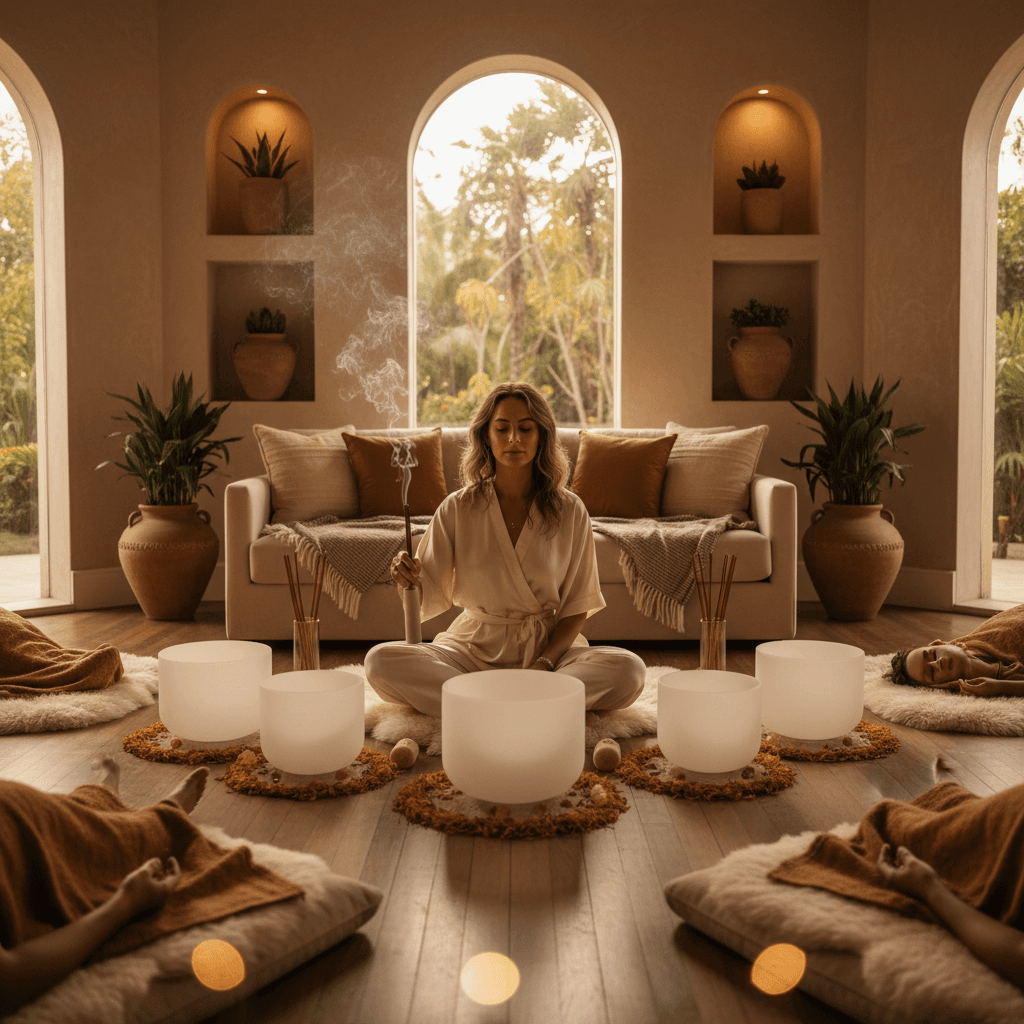
Unlock Deeper States: How Sound Deepens Your Meditation Practice
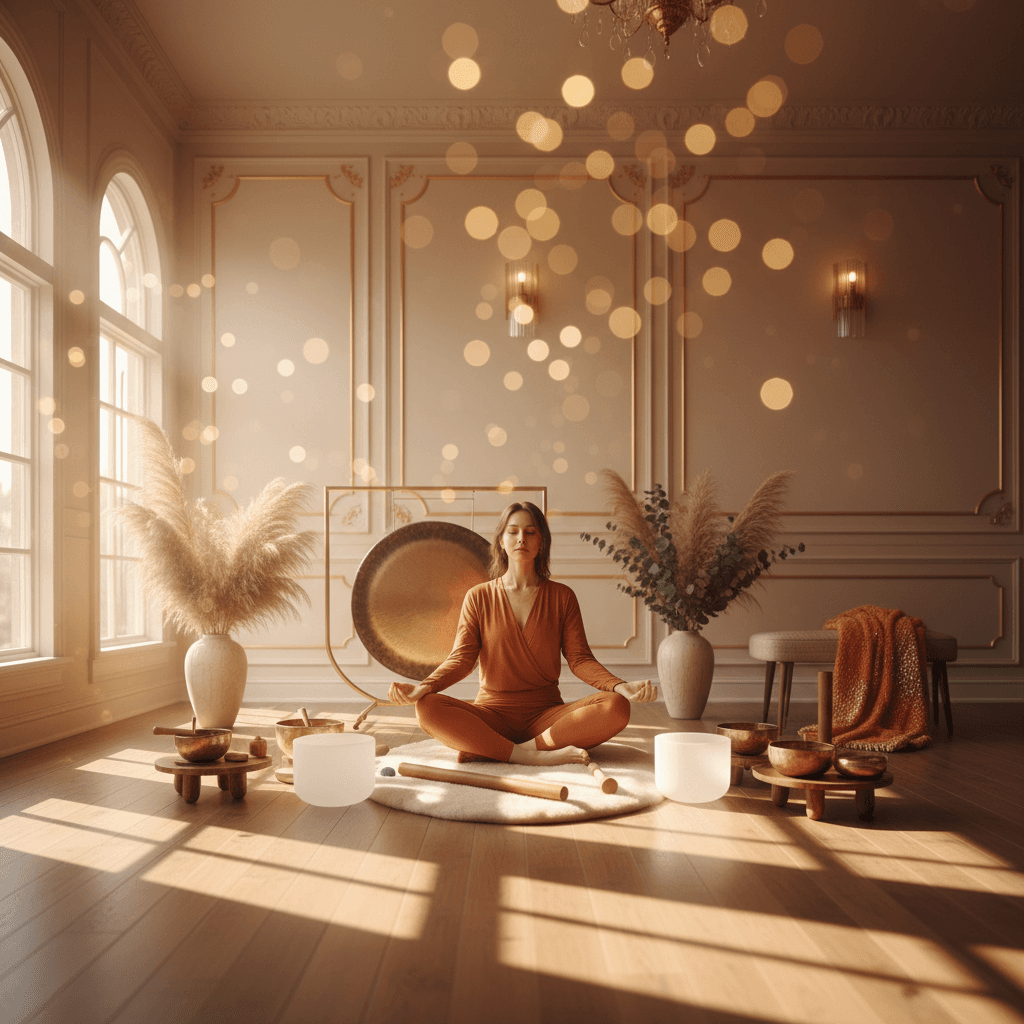
Key Insights
Discover the scientific reasons why sound profoundly enhances meditation, from brainwave entrainment to emotional regulation. Explore Soul Art's unique approach with Larissa Steinbach.
What if the secret to a deeper, more profound meditation experience wasn't just in silencing the mind, but in engaging it with specific, resonant sound? For centuries, diverse cultures have intuitively understood the transformative power of sound in spiritual practices. Today, cutting-edge science is catching up, revealing the intricate mechanisms through which sound can profoundly enhance our meditative states.
The journey of meditation, while outwardly simple, can often feel challenging, especially for those new to the practice. Quieting the incessant chatter of the mind and finding a focal point can be a significant hurdle. However, recent studies suggest that carefully curated soundscapes may be one of the most effective tools to usher us into, and sustain, deeper states of meditative awareness.
This article delves into the fascinating world where ancient wisdom meets modern neuroscience. We will explore how sound, through its unique vibrational properties and influence on brainwave patterns, can facilitate an unparalleled depth in your meditation practice. Join us as we uncover the scientific underpinnings and practical applications of sound meditation, particularly through the unique methodology championed by Larissa Steinbach at Soul Art, Dubai's premier sound wellness studio.
The Science Explained: Unveiling Sound's Meditative Power
The integration of sound into meditation is far more than a pleasant accompaniment; it is a sophisticated interaction with our physiological and neurological systems. Emerging research provides compelling evidence that sound, in its various forms, acts as a powerful catalyst for altering our states of consciousness and promoting profound relaxation. This deep dive into the science reveals how sound paves the way for a truly immersive meditative experience.
The Brainwave Symphony: Auditory Entrainment and States of Consciousness
One of the most compelling scientific explanations for sound's meditative effects lies in the phenomenon of auditory entrainment. This is the brain's natural tendency to synchronize its electrical activity with the frequency of external auditory cues. When exposed to consistent rhythmic or tonal patterns, our brainwaves begin to align, moving us from more active states towards those associated with relaxation and deep meditation.
Specific sound frequencies, such as those found in the alpha and theta ranges, are particularly potent in this regard. Alpha waves (typically 8-12 Hz) are linked to a relaxed, wakeful state, often experienced during light meditation or daydreaming. Theta waves (typically 4-7 Hz) are associated with deeper meditative states, creativity, and access to subconscious insights, similar to the threshold between wakefulness and sleep. Sound-based meditation using auditory stimuli, including specific Solfeggio frequencies, is designed to gently guide the brain into these peaceful and contemplative states, fostering a profound sense of calm and heightened awareness.
Neurophysiological Impact: From Deep Brain Areas to Autonomic Regulation
The impact of sound on our neurology extends beyond brainwave entrainment, reaching into the deep structures of the brain responsible for memory and emotional regulation. A groundbreaking study conducted at Mount Sinai West, utilizing advanced invasive neural recording techniques, provided precise insights into these changes. The research team studied neurosurgical patients engaging in a brief audio-guided "loving kindness" meditation, a specific type of meditative practice.
Participants, even as novice meditators, reported a high degree of deep meditation after a short session. The study, unique for its use of detailed neural recordings in a naturalistic, relaxing environment, demonstrated that meditation induces changes in deep brain areas associated with emotional regulation. While the sample size was small and the effects of repeated practice were not assessed, these preliminary findings underscore meditation's capacity, potentially amplified by sound, to influence fundamental brain functions.
Furthermore, sound therapy has been consistently found to positively influence the autonomic nervous system (ANS). The ANS governs involuntary bodily functions, regulating our "fight or flight" (sympathetic) and "rest and digest" (parasympathetic) responses. Studies indicate that sound meditation effectively lowers cortisol levels, the primary stress hormone, while encouraging parasympathetic action. This shift helps the body transition from a state of heightened arousal and anxiety into deeper realms of awareness, serving as an efficient method for stress management.
The Vibrational Body: Beyond Auditory Perception
The experience of sound in meditation transcends mere auditory perception; it is a full-body, tactile phenomenon. As WashU "sound bath" facilitator and mindfulness researcher Diana Parra Perez highlights, sound is perceived not only through the ear but also by the body through vibrations that travel through the air and resonate within us. This tactile element is a crucial, often overlooked, aspect of sound healing.
When instruments like Tibetan singing bowls, crystal singing bowls, or gongs are played, their frequencies create powerful vibrations that can be felt throughout the body. These physical sensations contribute significantly to the feelings of deep relaxation and release. Research suggests that rhythm, even more so than melody, can provide physical pain relief, indicating that the vibrational nature of sound plays a direct role in our physical comfort and wellbeing. The ancient kinship between sound and healing, evident in practices like the Australian aboriginal didgeridoo or Himalayan singing bowls, emphasizes this profound connection between vibrations and holistic well-being.
Documented Wellness Benefits: Mood, Tension, and Spiritual Well-being
Numerous studies have substantiated the wide-ranging wellness benefits of sound meditation. An hour-long sound meditation session, often featuring a range of instruments like Tibetan and crystal singing bowls, gongs, and chimes, has been shown to reduce tension, anger, fatigue, anxiety, and depression. Simultaneously, participants often report an increased sense of spiritual well-being.
"Sound-based interventions, including music therapy and sound baths, effectively reduced pain intensity and improved pain-related quality of life for individuals with chronic pain conditions."
A particular study noted highly significant effects on reducing tension post-meditation, supporting the hypothesis that sound meditation increases feelings of relaxation and decreases stress. Depressed mood and anxiety scores also saw significant reductions. Interestingly, participants aged 40 to 59 years appeared to especially benefit, demonstrating the largest reduction in physical pain and a strong reduction in tension, particularly for those new to this type of meditation. "Newbies" to sound bath practices, in fact, often experience substantial tension reduction, suggesting that the benefits are accessible to all, regardless of prior meditation experience.
How It Works in Practice: An Immersive Journey
Translating these scientific principles into a tangible experience is where the true magic of sound meditation unfolds. A sound bath, a popular form of sound meditation, offers an immersive journey where the listener is "bathed" in resonant frequencies, fostering an environment conducive to deep relaxation and inner exploration. Unlike other forms of meditation that might require intense concentration or prior training, sound meditation provides a gentle yet powerful entry point, with benefits accessible even to those with no prior meditative experience.
During a typical sound meditation session, participants often lie comfortably, allowing the body to naturally relax. The practitioner then skillfully plays a variety of instruments, such as Tibetan singing bowls, crystal singing bowls, gongs, chimes, and sometimes even a didgeridoo. Each instrument contributes its unique frequency and vibration, creating a rich tapestry of sound that envelops the space and resonates within the body.
The continuous, often evolving soundscape serves as a gentle anchor for the mind. Instead of struggling to silence thoughts, the brain can find a focal point in the intricate patterns of sound and vibration. This allows the mind to quiet naturally, shifting from its usual analytical beta state to the more relaxed alpha and contemplative theta brainwave patterns. Many people report feeling a profound sense of peace and weightlessness as they surrender to the sounds.
The beauty of sound meditation lies in its ability to reveal habitual reactions without harshness. As insights from Insight Meditation practices suggest, the visibility of patterns such as anger or withdrawal makes it possible to interrupt them rather than reinforce them. In a high-pressure environment, even brief pauses matter, and sound meditation strengthens the capacity to respond intentionally instead of acting from impulse, reclaiming agency from the inside out.
Responsibility deepens when it is paired with care rather than self-judgment. Sound meditation offers this balance, guiding practitioners toward clear seeing without harshness and supporting sustainable inner change. The consistent, gentle presence of sound fosters discipline and trust in the practice itself. Over time, this mindful choice reinforces the understanding that inner agency remains available, even when external freedom feels limited, leading to increased feelings of spiritual well-being and inner peace.
The Soul Art Approach: Curated Harmony by Larissa Steinbach
At Soul Art, Dubai's premier sound wellness studio, we believe in a meticulously curated approach to sound meditation. Larissa Steinbach, our founder, brings a unique blend of ancient wisdom and contemporary scientific understanding to every session. Her methodology is designed not just to induce relaxation, but to facilitate profound inner shifts and foster a deeper connection to one's authentic self.
Larissa Steinbach's philosophy centres on creating a sacred and serene environment where clients can truly let go of external distractions and internal resistance. Drawing inspiration from the naturalistic settings favored in cutting-edge research, Soul Art’s studio is thoughtfully designed to be a sanctuary, free from the typical pressures of daily life. This careful attention to environment enhances the ecological validity of the experience, mirroring real-world conditions where deep relaxation can genuinely occur.
The Soul Art method utilizes a diverse palette of instruments, each chosen for its specific vibrational qualities and ability to contribute to a harmonious soundscape. Our sessions frequently feature:
- Tibetan Singing Bowls: Hand-hammered bowls that produce rich, sustained tones and powerful vibrations, known for stress reduction and deep relaxation.
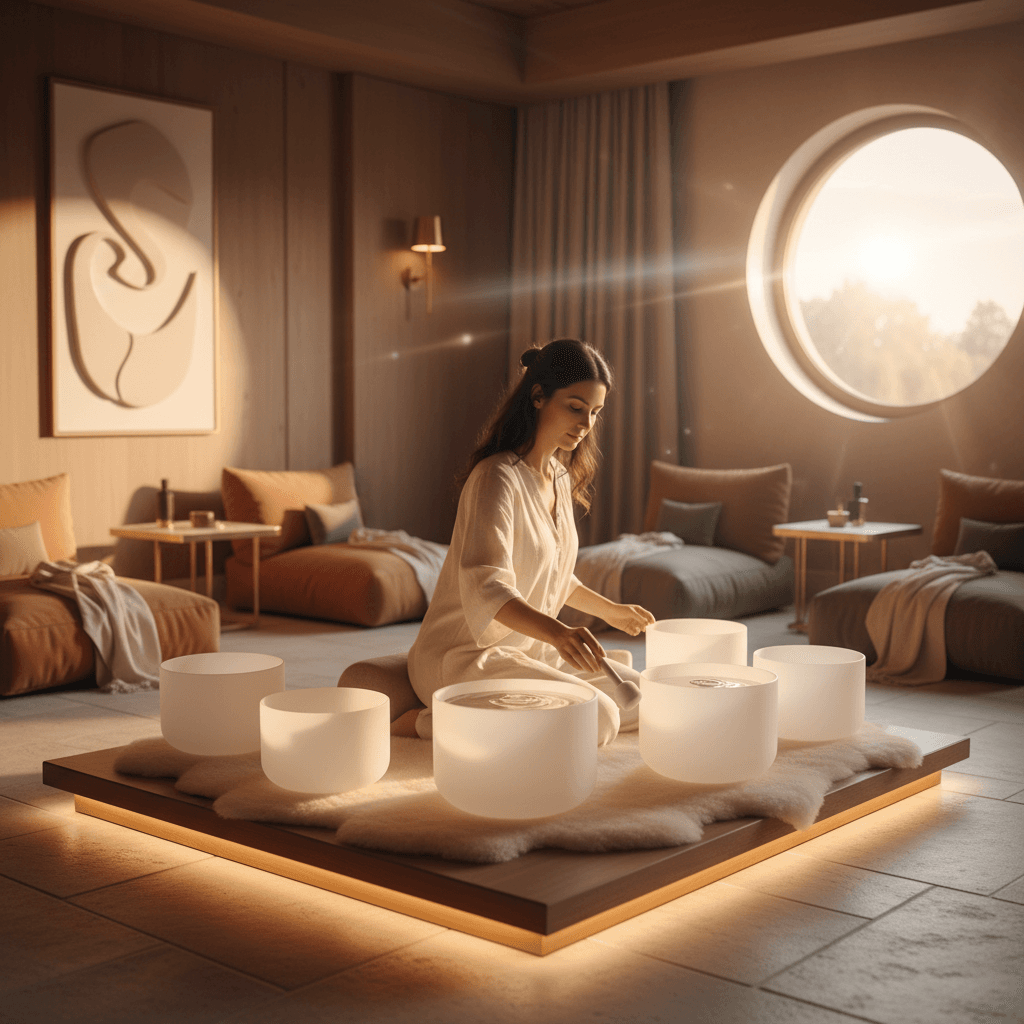
- Crystal Singing Bowls: Crafted from pure quartz, these bowls emit pure, resonant frequencies that are said to align with the body's energy centers.
- Gongs: Reverberating instruments that create a complex tapestry of sound, often used for release and transformative experiences.
- Chimes and Other Small Bells: Used to add delicate textures and clear energy, guiding the listener through various phases of the meditation.
Larissa Steinbach carefully orchestrates these instruments to create unique "sound baths" tailored to the collective energy and individual needs of the participants. The intention behind each Soul Art session is to provide more than just passive listening; it is an invitation to actively engage with the vibrations, allowing them to recalibrate the nervous system, release stagnant energy, and foster a heightened sense of inner peace and clarity. This personalized and intentional approach is what makes the Soul Art experience truly distinctive and effective.
Your Next Steps: Integrating Sound into Your Life
The journey to deeper meditation and enhanced well-being through sound is an accessible one, regardless of your prior experience. Incorporating sound into your daily routine can yield significant benefits, supporting your mental, emotional, and physical health. Here are some actionable steps you can take today to begin or deepen your exploration:
- Start with Mindful Listening: Begin by simply noticing the sounds around you. Whether it's the gentle hum of nature or ambient music, take a moment to truly listen without judgment. This simple act can cultivate mindfulness and bring you into the present moment.
- Explore Guided Sound Meditations at Home: Many online resources offer audio tracks featuring Solfeggio frequencies, binaural beats, or instrument-specific soundscapes. Find a comfortable, quiet space, use headphones if possible, and allow the sounds to guide you. Even 15-minute sessions daily, as suggested by some research, can foster consistency.
- Seek Professional Guidance: To fully immerse yourself in the profound benefits of sound meditation, consider experiencing a guided session or sound bath. Under the expert guidance of practitioners like Larissa Steinbach at Soul Art, you can navigate these experiences safely and effectively, gaining deeper insights and relaxation than self-guided attempts might initially offer.
- Practice Consistency: Regular engagement with sound meditation builds discipline and trust in the practice itself. Make it a consistent part of your self-care routine, even if it's just for a few minutes each day. Over time, you may find that responsibility becomes less about effort and more about alignment with your core values.
- Journal Your Experiences: After a sound meditation session, take a few moments to journal any thoughts, feelings, or physical sensations that arose. This practice helps track subtle psychological or physiological changes and reinforces your inner agency, making the benefits more tangible and personal.
Bookings Coming Soon
Soul Art is still in preparation. Session details and booking will be published here after launch.
Coming Soon
In Summary: The Harmonious Path to Deeper Meditation
The synergy between sound and meditation offers a powerful, scientifically-backed pathway to enhanced well-being and profound inner peace. From guiding brainwaves into restorative alpha and theta states to regulating the autonomic nervous system and fostering emotional clarity, sound provides a unique access point to deeper meditative experiences. Its vibrational presence resonates through the body, offering not just auditory pleasure but also tangible physical and mental relief.
This ancient practice, now illuminated by modern research, offers an accessible and highly effective tool for stress reduction, emotional regulation, and spiritual growth. Soul Art, under the visionary leadership of Larissa Steinbach, stands at the forefront of this wellness revolution in Dubai, offering carefully curated sound meditation experiences designed to unlock your inner potential. Embrace the harmonious path, and allow the transformative power of sound to deepen your meditation and enrich your life.
Wellness Disclaimer: This article is for educational and informational purposes only. It does not constitute medical advice, diagnosis, or treatment. Soul Art Dubai provides non-medical wellness experiences focused on relaxation, stress management, and general wellbeing. Sound wellness is a complementary practice and should not replace professional medical care.
Related Articles
Harmonic Blueprints: Unveiling Sacred Geometry Through Sound at Soul Art
Astral Projection: Exploring Consciousness with Sound Wellness
Devotional Sound: Heart Offerings – Aligning Your Inner Resonance