Mindful Listening: A Label-Free Path to Spiritual Well-being

Key Insights
Unlock profound well-being through mindful listening. Explore the science behind this powerful practice and how Soul Art Dubai fosters connection without labels.
Have you ever truly listened, not just to words, but to the silence between them, the hum of the city, or the rhythm of your own breath? In our constantly noisy world, genuine listening has become a rare art, yet it holds a profound key to our well-being. What if the simple act of listening could be a powerful spiritual practice, accessible to everyone, regardless of belief systems?
This article explores "listening as a spiritual practice without labels," delving into the robust scientific evidence that supports mindful listening's transformative power. We will journey through its neurological impacts, its connection to holistic health, and how this ancient practice is being re-imagined for modern life. You'll discover how Larissa Steinbach, through Soul Art in Dubai, guides individuals towards deeper self-connection and resilience using the potent medium of sound. Prepare to unlock a pathway to inner clarity, stress reduction, and a renewed sense of purpose.
The Science of Intentional Listening: A Path to Inner Resilience
The concept of mindful listening, while seemingly intuitive, is underpinned by decades of rigorous scientific inquiry. Pioneers like John Kabat-Zinn are widely credited for bringing meditation, and by extension mindful listening, from its traditional spiritual roots into the realm of systematic research. Since his foundational studies on Mindfulness-Based Stress Reduction (MBSR) in 1982, thousands of research papers and meta-studies have illuminated the profound effects of mindfulness on our physiology, neurology, and psychology.
Mindful listening is not merely about hearing; it’s about engaging fully with auditory stimuli, both external and internal, with an attitude of open attention and acceptance. This active engagement has been associated with a remarkable array of benefits for mental, emotional, and even physical health. It is a powerful wellness practice that cultivates a deeper connection to the present moment, fostering a rich and complex processing of sensory input.
Neurological and Physiological Benefits
The brain responds remarkably to focused attention. Mindful listening may support enhanced cognitive functions and contribute to overall brain health. Preliminary studies indicate several key areas of impact:
- Improvement of Mental Clarity and Focus: Research suggests that mindfulness practices lead to a richer and more complex processing of auditory stimuli. For trained participants, brain regions involved in processing sound were found to be more connected to anterior cortical midline structures, which serve to link our sense of self to the world. This deeper connection with sensory input may mean that individuals who practice mindful listening are better able to attend to, process, and respond to auditory stimuli, leading to improved mental clarity.
- Stress Reduction and Emotional Regulation: The American Psychological Association highlights that mindfulness influences two different stress pathways in the brain, altering brain structures and activity in regions associated with attention and emotion regulation. By dialing down the body’s response to stress, mindfulness may have beneficial downstream effects throughout the body, potentially mitigating the impact of chronic stress on the immune system.
- Boost of Creative Abilities: A comprehensive review led by Northwestern University researchers analyzed over forty years of studies, revealing a statistically significant correlation between mindfulness and creativity. Open monitoring, a technique often incorporated into mindful listening, was shown to have a particularly strong effect, though the specific mechanisms continue to be an area of active research.
- Development of Self-Confidence and Leadership: A pilot study from Westminster University, involving senior managers, found that meditation statistically significantly enhanced participants' self-perception of leadership skills. This included improvements in their ability to inspire a shared vision, demonstrate moral intelligence, and encourage and motivate others, suggesting a powerful link between inner stillness and external impact.
- Enhanced Physical Well-being: Mindfulness-based interventions may also support physical health. Some research suggests it may reduce pain, fatigue, and stress in people with chronic pain. Preliminary evidence also indicates that mindfulness might boost the immune system and help individuals recover more quickly from common illnesses.
The Mind-Body Connection: Spirituality and Health
While often conflated with organized religion, spirituality, as defined by the International Consensus Conference on Spiritual Care in Health Care, is "the way individuals seek ultimate meaning, purpose, connection, value, or transcendence." This broad definition allows for connection to family, community, or nature, extending well beyond religious dogma. The scientific community is increasingly recognizing the role of spirituality as a vital component of holistic wellness.
Recent evidence has strongly associated spirituality with several positive health outcomes, both physical and emotional. This connection is gaining significant traction:
- Improved Physical Health: Studies have found a relationship between spirituality and lower levels of hospitalization and pain, greater survival rates, and better functional status and cardiovascular outcomes. While some support for direct effects on mortality rates remains mixed when isolating spirituality from religious practices, meta-analyses suggest an overall positive association.
- Enhanced Mental Health: A significant portion, over 80%, of research in this area focuses on mental health. For instance, a European study spanning 22 countries found that greater religiousness was associated with lower suicide rates, even after accounting for various confounders. Similar findings emerged from a UK study involving more than 7,000 participants, showing significantly lower rates of suicide ideation and attempts among religious individuals compared to non-religious ones. These results are consistent across both religious and non-religious countries, pointing to a universal benefit from spiritual engagement.
- Integration into Healthcare: The growing body of evidence linking spirituality to health has led to its incorporation into clinical practice and medical education worldwide. Organizations such as the American College of Physicians and the American Medical Association have recognized its importance. This integration underscores that addressing the spiritual dimension of patient care is not just compassionate, but also scientifically supported as a complementary approach to well-being.
- Neurobiological Correlates: The neuroscientific study of spiritual practices presents fascinating challenges and opportunities. Researchers are utilizing neuroimaging techniques, including functional magnetic resonance imaging (fMRI), single photon emission computed tomography (SPECT), and positron emission tomography (PET), to elucidate the neurobiological mechanisms associated with practices like prayer and meditation. These studies help to objectively measure changes in brain activity and structure that correlate with subjective spiritual experiences, deepening our understanding of the brain’s role in these phenomena.
How It Works in Practice
Translating the science of mindful listening into tangible experience means moving beyond passive hearing to an active, engaged presence. It's a journey from simply receiving auditory input to truly perceiving stimuli simply as they are, fostering a deeper connection to our internal and external worlds. This intentional engagement can profoundly reshape our daily interactions and our inner landscape.
In practice, mindful listening involves training your attention to achieve a mental state of calm concentration and positive emotions. It’s about becoming exquisitely aware of the sounds around you and within you, without judgment or immediate reaction. Think of it as tuning into a symphony where every subtle note, every resonance, and even the spaces of silence contribute to a holistic experience. Many people report that this practice helps them cultivate a heightened sense of awareness, leading to a richer and more optimal moment-to-moment experience, much like focusing on the sensory experience of eating chocolate can enhance pleasure, as one study demonstrated.
This practice extends beyond external sounds. It also involves listening to the subtle cues of your own body, your emotions, and your inner dialogue. By paying attention to these internal soundscapes, you become more attuned to your needs and less reactive to internal stressors. For caregivers, for example, mindful listening can be an effective antidote to "empathy fatigue" (or caregiver fatigue). While we naturally experience other people's feelings, we can also learn to be aware of such automatic responses. Mindful listening provides a pathway to temper these responses, allowing for compassion without being overwhelmed. It helps us understand that empathy on "autopilot" can be inhibited or controlled through conscious awareness.
The practical application of mindful listening often includes:
- Focused Attention: Directing your attention to a specific sound—be it breath, ambient music, or nature sounds—and observing its qualities without judgment. This helps to anchor you in the present moment, reducing preoccupation with past worries or future anxieties.
- Acceptance: Allowing sounds to simply exist without assigning labels of "good" or "bad," "pleasant" or "unpleasant." This non-judgmental stance is crucial for fostering inner calm and reducing reactivity.
- Sensory Immersion: Noticing the texture, duration, volume, and resonance of sounds. This deep sensory engagement helps to bypass the analytical mind and drop into a state of pure presence.
- Awareness of Silence: Recognizing that silence is not merely the absence of sound, but a profound space that contains potential and allows for integration. Mindful listening embraces these moments of quiet as much as it does overt sounds.
By regularly engaging in these practices, individuals can cultivate a greater sense of peace, improve their communication skills, and develop a more compassionate relationship with themselves and others. It’s a powerful tool for self-discovery and a pathway to a more resilient and fulfilled life.
The Soul Art Approach
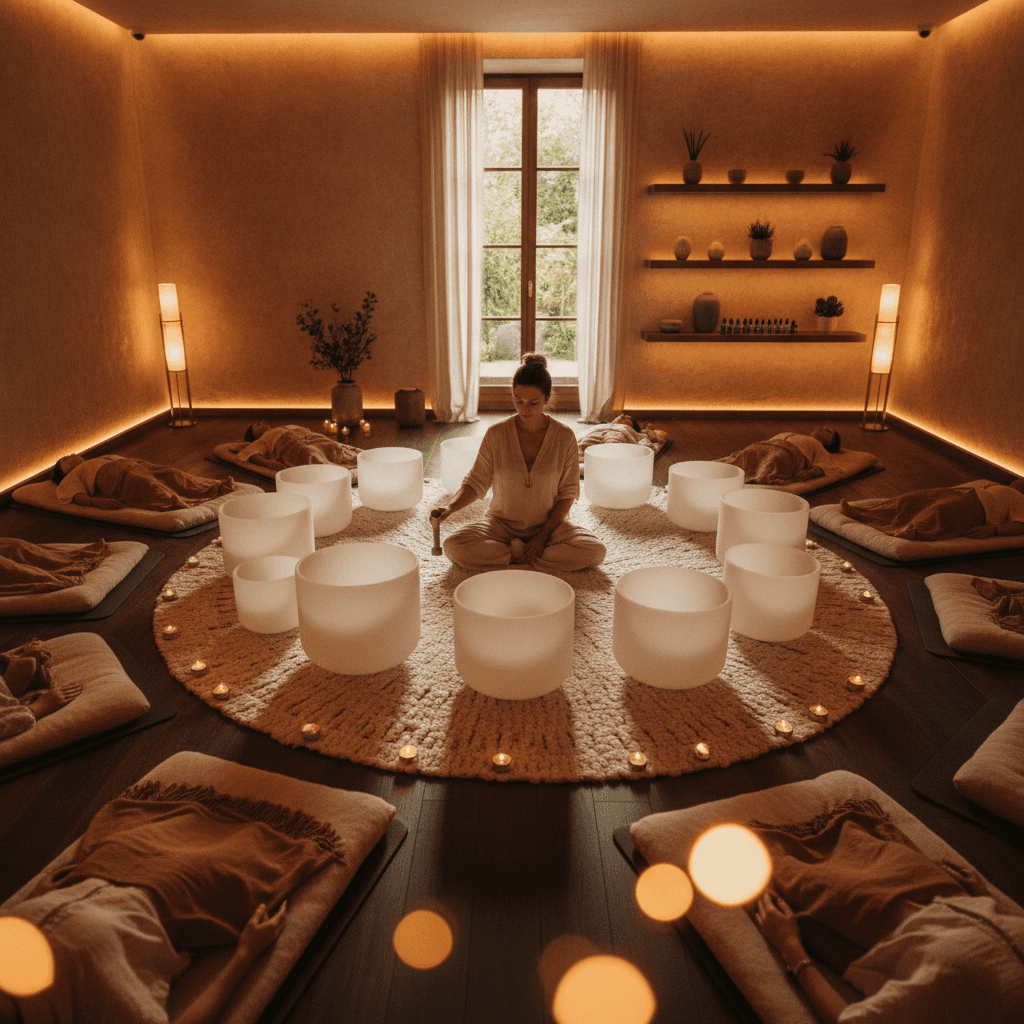
At Soul Art, Dubai's premier sound wellness studio, Larissa Steinbach has meticulously crafted an experience that embodies the principles of "listening as a spiritual practice without labels." Recognizing the universal human need for connection, clarity, and peace, Larissa harnesses the ancient wisdom of sound to guide modern individuals on a journey of inner exploration. Her unique approach at Soul Art is designed to be inclusive, respectful of all backgrounds, and deeply transformative.
Larissa Steinbach, with her profound understanding of the therapeutic power of sound frequencies, curates environments where mindful listening becomes an effortless, immersive experience. Soul Art transcends conventional wellness, offering a sanctuary where every individual can find their own resonance. The core of the Soul Art method lies in creating a space where the intricate layers of sound can penetrate and soothe the nervous system, facilitating deep relaxation and self-awareness.
What makes the Soul Art method truly unique is its dedication to facilitating profound connection through sound, bypassing the need for specific spiritual or religious frameworks. It’s about meeting each person where they are, offering a path to inner peace that is accessible to all. The sessions are meticulously designed to:
- Harmonize the Nervous System: Through carefully selected frequencies and vibrations, Soul Art sessions aim to gently guide the body and mind into a state of deep rest, helping to release accumulated stress and tension.
- Foster Present Moment Awareness: Participants are encouraged to simply listen, allowing the sounds to wash over them, drawing their attention away from daily distractions and into the here and now. This cultivated presence is a cornerstone of mindful listening.
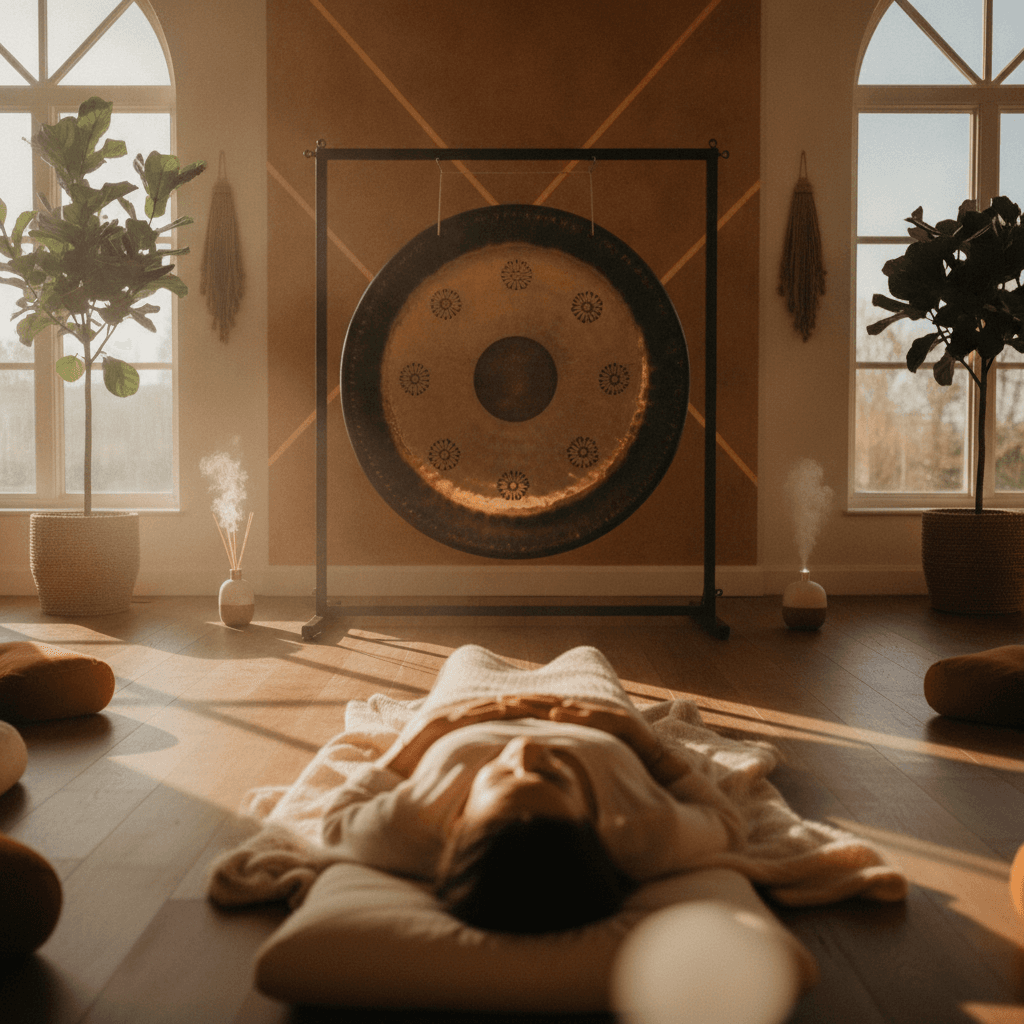
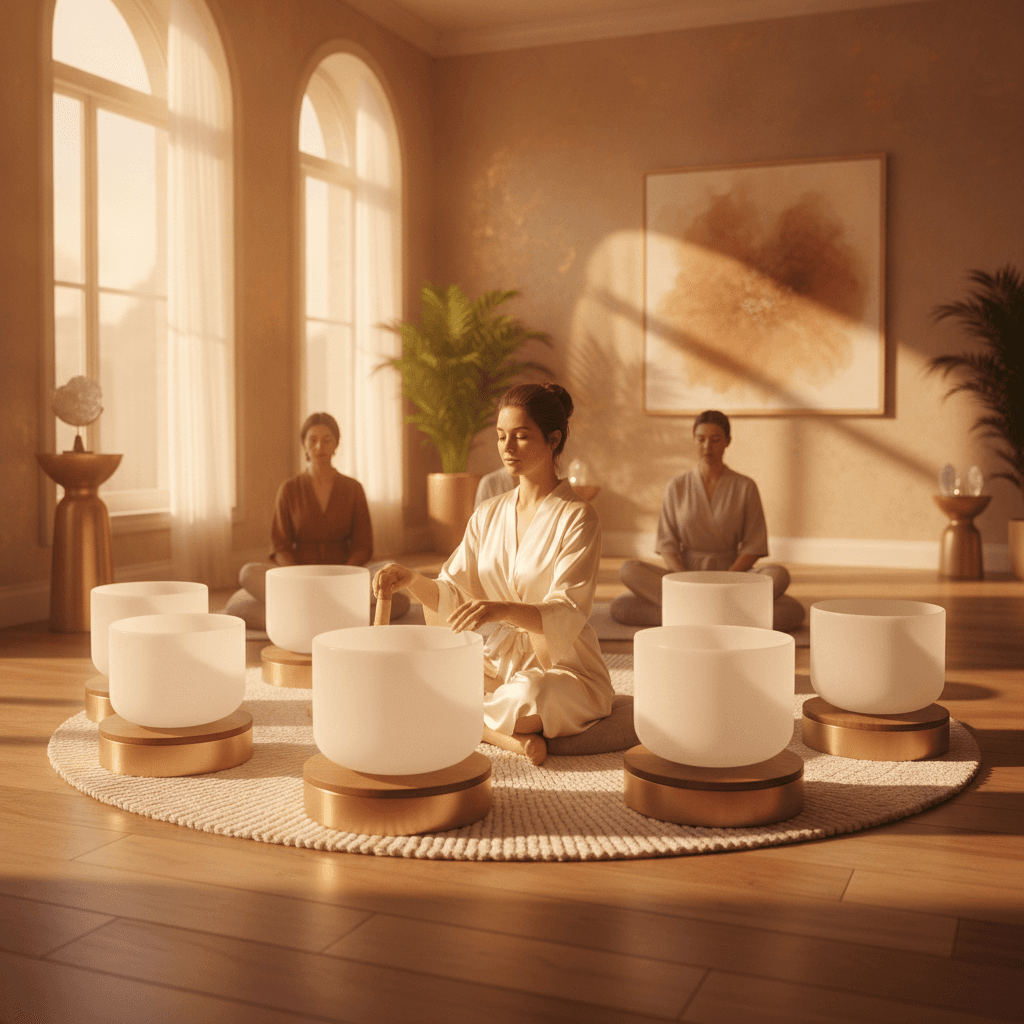
- Utilize Specific Instruments: Larissa Steinbach expertly plays a range of high-quality instruments known for their therapeutic properties. These include resonant singing bowls, powerful gongs, delicate chimes, and other vibrational tools, each chosen for its unique ability to induce specific states of relaxation and inner exploration.
- Cultivate Self-Reflection: Beyond the immediate relaxation, the soundscapes at Soul Art are designed to open a space for introspection and personal insight. This allows individuals to "listen" to their inner wisdom, fostering greater self-confidence and clarity without external direction.
"True listening is not just hearing what is spoken, but feeling the unseen vibrations, the unspoken truths, and the quiet wisdom within. It is a path to the soul, unburdened by dogma." – Larissa Steinbach
At Soul Art, the experience is tailored to provide not just a moment of respite, but a foundation for integrating mindful listening into one's daily life. It’s an invitation to rediscover the profound potential of sound as a powerful medium for holistic wellness and a label-free spiritual practice.
Your Next Steps
Embracing mindful listening as a spiritual practice without labels is a journey that begins with intention. You don't need a special location or complex tools to start. The simplest step can lead to profound shifts in your well-being. Here are some actionable steps you can implement today to begin cultivating this powerful practice:
- Start Small with Intentional Moments: Choose one brief moment each day to consciously listen. This could be the sound of brewing coffee, the rustle of leaves outside your window, or the distant city hum. Focus on the nuances of the sound without judgment, observing its texture, duration, and ebb and flow.
- Practice Mindful Walking: As you walk, shift your attention from your thoughts to the sounds of your environment. Notice your footsteps, the sounds of traffic, birdsong, or human voices. Let the sounds ground you in the present, fostering a sense of calm and heightened awareness.
- Integrate Sound into Your Self-Care Routine: Dedicate a few minutes each day to listening to calming music, nature sounds, or even silence. Close your eyes and allow the sounds to wash over you, noticing any sensations or emotions that arise without attachment. This can be a powerful stress management tool.
- Journal Your Listening Experiences: After a mindful listening session, take a few minutes to write down what you observed. What sounds did you notice? How did they make you feel? Did your mind wander, and how did you bring it back? This reflection can deepen your understanding and commitment to the practice.
- Explore Guided Sound Experiences: For a more immersive and expertly guided introduction, consider exploring professional sound wellness sessions. Guided sound baths provide a structured environment that facilitates deep relaxation and helps you tune into the subtleties of sound and silence.
By consistently integrating these simple yet profound practices, you can gradually develop a more attuned sense of listening. This complementary approach to holistic wellness may support improved mental clarity, reduced stress, and a deeper connection to yourself and the world around you. Ready to explore the transformative power of sound in a dedicated space?
Bookings Coming Soon
Soul Art is still in preparation. Session details and booking will be published here after launch.
Coming Soon
In Summary
In an increasingly busy world, the deliberate act of listening emerges as a powerful, label-free spiritual practice with profound scientific backing. From enhancing mental clarity and boosting creativity to reducing stress and fostering self-confidence, the benefits of mindful listening are robust and far-reaching. Research consistently highlights its positive associations with both mental and physical health outcomes, demonstrating its capacity to support overall well-being.
At Soul Art, Larissa Steinbach champions this transformative practice, offering meticulously crafted sound wellness experiences that harmonize the nervous system and promote deep self-connection. By engaging with sound in a mindful way, individuals can cultivate a rich inner life, free from rigid dogma, and discover a universal pathway to peace and resilience. Embrace the power of sound and unlock a deeper, more present version of yourself.
Wellness Disclaimer: This article is for educational and informational purposes only. It does not constitute medical advice, diagnosis, or treatment. Soul Art Dubai provides non-medical wellness experiences focused on relaxation, stress management, and general wellbeing. Sound wellness is a complementary practice and should not replace professional medical care.
Related Articles
Ramadan Sound Bath: Elevating Well-being with Respect & Science
Celebrate with Sound: Birthday Rituals for Deep Reflection

Beyond the Echo: Mastering Closing Rituals for Sound Journeys