Embracing Authentic Release: Letting-Go Rituals Without Spiritual Bypass
Key Insights
Discover how to truly let go without spiritual bypassing. Soul Art explores the neuroscience of authentic emotional release and ritual's power.
The Illusion of Release: Why True Letting Go Requires More Than Positive Thinking
Have you ever found yourself quickly dismissing difficult emotions with a spiritual platitude like "everything happens for a reason" or "just manifest positivity," even when your inner world feels anything but peaceful? This common tendency, often subtle and unintentional, can be a sign of spiritual bypassing. It's a sophisticated defense mechanism that uses spiritual ideas and practices not for genuine healing, but to sidestep or avoid confronting unresolved emotional issues and psychological wounds.
True letting go isn't about ignoring discomfort or pretending it doesn't exist. Instead, it involves a brave and conscious engagement with our full emotional spectrum, allowing feelings to be processed rather than suppressed. This article will delve into the profound science behind this phenomenon, exploring how authentic letting-go rituals, distinct from spiritual bypassing, can lead to profound emotional integration and nervous system regulation. We'll uncover how practices at Soul Art, under the visionary guidance of Larissa Steinbach, offer a unique pathway to genuine release, fostering resilience and holistic well-being.
The Science Explained: Unpacking Spiritual Bypassing and the Power of Rituals
What is Spiritual Bypassing?
Spiritual bypassing, a term coined by psychotherapist John Welwood, describes the widespread tendency to use spiritual ideas and practices to avoid facing unresolved emotional issues. Robert Augustus Masters, PhD, further elaborates on this in Spiritual Bypassing: When Spirituality Disconnects Us From What Really Matters, framing it as a form of “spiritual materialism.” Here, spirituality can be subtly weaponized by the ego to maintain control and bypass genuine discomfort. This avoidance is often sophisticated, making it challenging to recognize and address.
As psychologist Annie Wright notes, spiritual practice can be a double-edged sword. While it may provide vital resources that soothe the nervous system and foster resilience, it can also become a trap. It can serve as a way to maintain control and avoid the vulnerability essential for true healing. When we consistently avoid difficult emotions, they tend to accumulate and manifest in other problematic ways, such as anxiety, depression, relationship issues, or even physical symptoms.
Spiritual bypassing creates a disconnection from your authentic self and genuine relationships. It prevents others from seeing or supporting your full emotional experience. Over time, this pattern can lead to increased isolation, unresolved trauma, and a sense that your spiritual practices aren't delivering the peace or growth you anticipated. The “shrinking self” emerges, presenting a polished spiritual identity—always positive, never reactive, perpetually at peace—at the cost of exiling natural human emotions like anger, neediness, confusion, jealousy, or grief from conscious awareness.
The Neurobiology of Avoidance and Integration
The brain's response to overwhelming emotional or sensory experiences often involves dissociation. Bessel van der Kolk, MD, a renowned psychiatrist and trauma researcher, defines dissociation as a disruption in the normal integration of consciousness, memory, identity, and perception. It functions as a neurological survival mechanism, disconnecting an individual from experiences that feel too much to bear. Robert Augustus Masters' work highlights how spiritual bypassing functions as a sophisticated avoidance strategy, maintaining separation from the self and others by suppressing authentic feelings and needs. This suppression prevents the necessary integration of these experiences into our conscious awareness.
The physiological toll of unresolved emotional pain is significant. Prolonged grief, for instance, can lead to an increased risk of several diseases due to the chronic physiological and psychological stress it imposes on the body. Studies have shown that bereaved individuals face a higher risk for conditions like heart disease, cancer, and high blood pressure. For example, Carey et al. reported a 21-fold increased risk of myocardial infarction (heart attack) within the first day after a significant loss. Additionally, acute elevations in systolic blood pressure have been observed when participants recalled grief-inducing experiences. This highlights the cardiovascular vulnerability associated with acute emotional stress, often referred to as the "broken-heart phenomenon" or Takotsubo cardiomyopathy. Unprocessed emotions also influence cortisol levels; men experiencing high levels of numbness after a death may have elevated cortisol levels even 18 months later.
Conversely, fostering secure attachment and allowing for emotional processing has powerful impacts on human development. Research in Western psychology demonstrates that close bonding and loving attunement influence how our brains form, how well our endocrine and immune systems function, how we handle emotions, and how our nervous system manages stress. John Welwood emphasizes that "feeling is a form of intelligence"—the body's direct, holistic, intuitive way of knowing and responding. It is highly attuned and intelligent, capable of processing many factors simultaneously, unlike our conceptual mind. Authentic feeling helps us contact deep inner truths, crucial for integration and resilience.
The Ancient Wisdom of Letting Go: The Science of Ritual
Rituals, far from being mere superstitions, are deeply embedded in human psychology and have demonstrable benefits for coping with difficult emotions, particularly grief and loss. Dr. Mary-Frances O’Connor, an associate professor of psychology at the University of Arizona and author of The Grieving Brain, asserts the importance of traditions. She explains that "mourning rituals can offer constancy and comfort in a moment when everything can feel very uncertain." By connecting us to practices that have existed for hundreds of years, rituals remind us that those who came before us have navigated grief and uncertainty, carrying on to restore meaningful lives.
The power of rituals lies in their capacity to provide a structured, meaningful container for complex emotional experiences. Dr. Tara Swart, a neuroscientist, highlights that rituals are a spiritual practice which science has proved to be beneficial. While the belief in a ritual may amplify its effects, the very act of repetition can also build belief and establish new neural pathways. Culturally, rituals surrounding grief vary widely, from the communal, holistic practices like smudging and storytelling found in many Indigenous traditions to more private expressions in some Western societies. Despite these variations, the universal human capacity to mourn and connect in the face of loss is underscored by shared expressions of sorrow, such as crying, fear, regret, and anger.
Rituals serve psychological, social, and spiritual purposes for the bereaved. They help survivors acknowledge a loss, allowing for a healthy reshaping of the relationship between the living and the deceased. They provide an externalized form for internal processes, aiding in the transition and integration of a new reality. Critically, these rituals must invite genuine participation and authentic emotional expression. Insincere or superficial rituals can leave individuals feeling isolated with their pain, reinforcing the very disconnection that spiritual bypassing promotes. True rituals create space for the full breadth of human emotion, facilitating authentic release and fostering a sense of shared humanity and continuity.
How It Works in Practice: Embodied Release and Integration
Moving beyond the intellectual understanding of spiritual bypassing, the journey to authentic letting go is deeply embodied. It’s a shift from merely thinking about releasing to feeling and experiencing release within the body. When we spiritually bypass, we often intellectualize our feelings, attempting to rationalize or reframe them into something more palatable. This keeps the emotional energy trapped in the nervous system, preventing genuine processing. True letting go, by contrast, invites us to sit with and acknowledge the raw, unedited truth of our inner experience. It's not about the absence of feeling, but rather the development of the capacity to process and move through emotions without being overwhelmed by them.
Clients engaging in authentic letting-go practices often describe a palpable release of somatic tension. This might manifest as a softening in the jaw, a release in the shoulders, or a sensation of warmth moving through the chest. The body, which "keeps the score" of our past experiences, finally gets the opportunity to discharge stored emotional energy. This process is deeply validating; it gives permission to feel, to mourn, to rage, or to simply be present with discomfort without judgment.
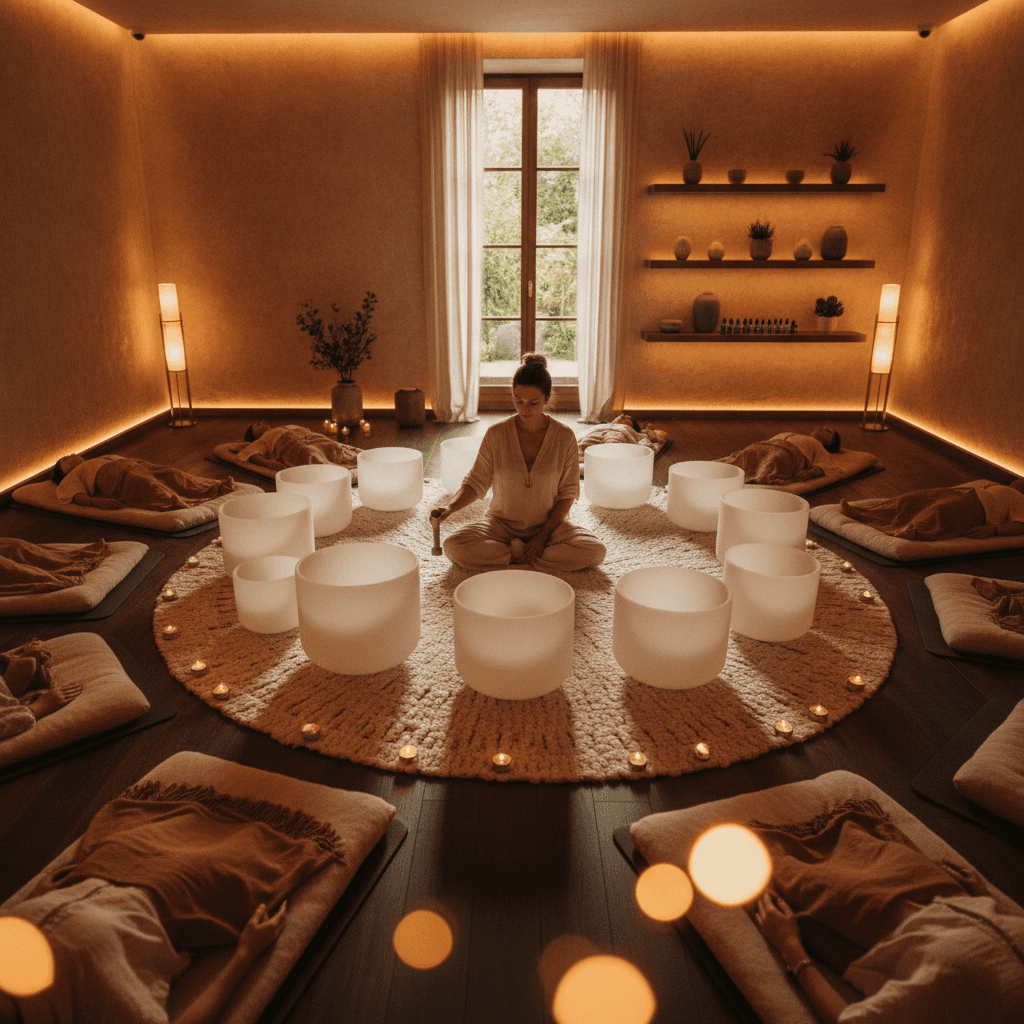
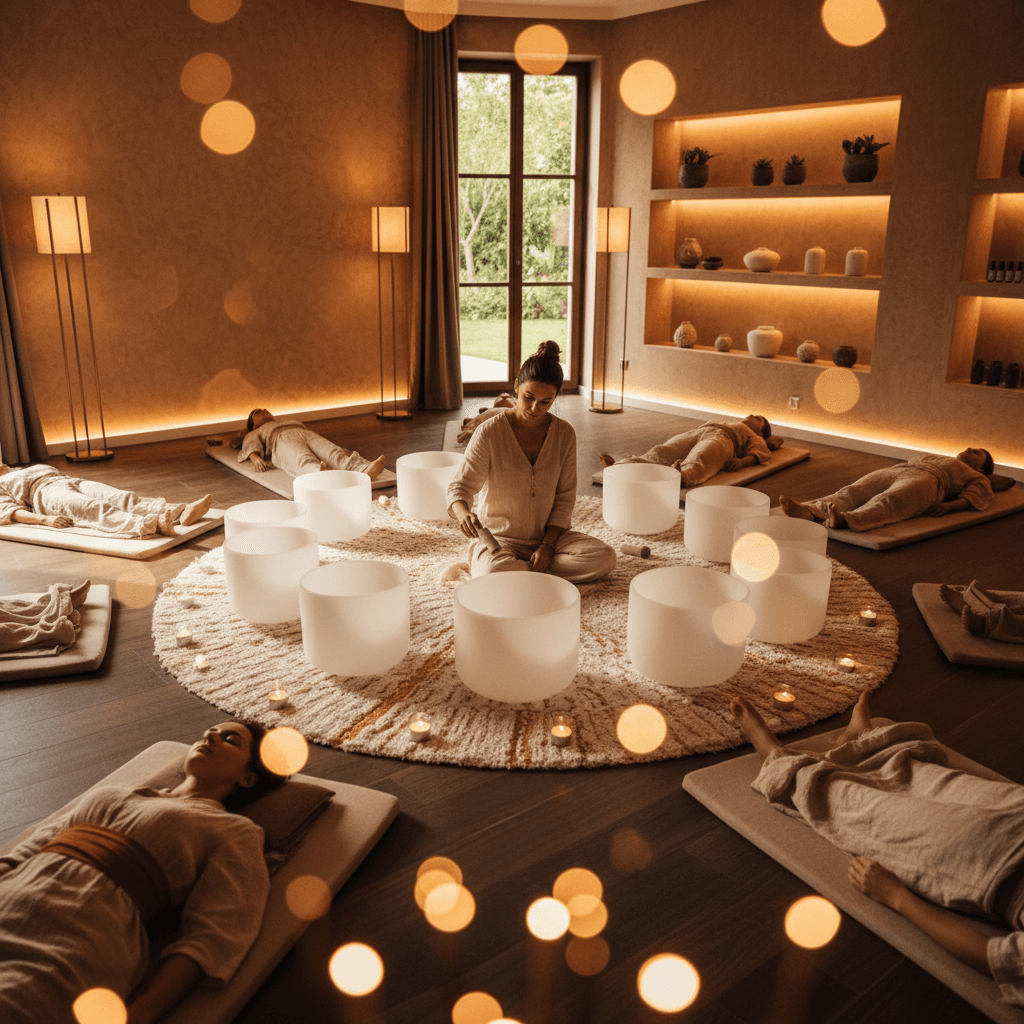
The experience is often sensory and immersive. Gentle sound vibrations may encourage the release of deep-seated patterns, while conscious breathwork can facilitate the nervous system's ability to down-regulate from a state of fight-or-flight. Guided visualization can provide a safe internal landscape for exploring and releasing emotional attachments. These practices help rebuild the "muscle memory" of moving through emotional discomfort, which spiritual bypassing can atrophy. Instead of perceiving challenging emotions as overwhelming, individuals learn to navigate them with greater capacity and self-compassion. This shift from chronic disconnection and avoidance to mindful engagement and integration is the hallmark of genuine healing.
The Soul Art Approach: Larissa Steinbach's Path to Authentic Release
At Soul Art, Dubai's premier sound wellness studio, Larissa Steinbach has cultivated a unique approach rooted in the profound understanding that genuine letting go is an embodied experience, not an intellectual exercise. Her philosophy directly addresses the pitfalls of spiritual bypassing by creating a profoundly safe and supportive space where authentic emotional processing is not just permitted, but actively encouraged. Larissa understands that true transformation comes from integrating all aspects of the human experience, including the difficult ones.
The Soul Art method seamlessly blends modern neuroscience with ancient sound healing traditions. Larissa utilizes a meticulously curated collection of high-quality instruments, including pure quartz crystal singing bowls, resonant gongs, shamanic drums, and therapeutic chimes. These instruments are not merely for relaxation; they are tools designed to generate specific resonant frequencies that gently encourage the nervous system to shift from a state of vigilance to deep rest. The powerful vibrations bypass the analytical mind, which often constructs the barriers of spiritual bypassing, and directly access deeper emotional and somatic layers.
Larissa's expertise focuses on facilitating somatic release – the physical unwinding of stored tension and unresolved emotions. Through carefully crafted sound journeys and guided practices, participants are invited to feel, acknowledge, and gently release what no longer serves them. The aim is not to eliminate emotions, but to provide a gentle, non-aversive pathway for their expression and integration. This approach prioritizes nervous system regulation, allowing individuals to build a greater capacity to tolerate and process emotional discomfort. It's a compassionate confrontation with inner truths, fostering resilience, self-connection, and a profound sense of genuine peace that spiritual bypassing can never truly provide.
Your Next Steps: Cultivating Genuine Letting Go in Daily Life
Embracing authentic letting-go rituals in your daily life can profoundly enhance your emotional well-being and foster a deeper connection to your true self. Here are some actionable steps you can implement today:
- Acknowledge and Validate Your Feelings: Instead of immediately trying to "fix" or reframe uncomfortable emotions, simply acknowledge their presence. Say to yourself, "I'm feeling anger right now, and that's okay." Validation is the first step towards release.
- Embrace Embodied Presence: Dedicate a few minutes each day to connecting with your body. Simple practices like a body scan, noticing sensations in your feet, or focusing on your breath can ground you and prevent intellectual avoidance. Remember, feeling is a form of intelligence.
- Create Conscious Mini-Rituals: Incorporate small, intentional rituals into your day. This could be a morning gratitude practice, a mindful walk to clear your head, or a short, deliberate pause between tasks to reset. These practices, as Dr. Tara Swart suggests, can build new neural pathways and cultivate a sense of constancy.
- Seek Supportive Spaces: You don't have to navigate challenging emotions alone. Engage with trusted friends, family, or communities that encourage authentic expression. Consider seeking professional guidance or joining wellness groups where emotional integration is prioritized, such as the sessions offered at Soul Art.
- Practice Self-Compassion: Be kind and patient with yourself throughout this process. Releasing old patterns and integrating difficult emotions takes courage and time. Spiritual bypassing isn't a failure; it's a deeply human response to pain. Approaching yourself with compassion can transform your journey.
In Summary
Spiritual bypassing, though often well-intentioned, is a sophisticated form of emotional avoidance that prevents genuine healing and integration. While spiritual practices can offer immense comfort, they can also become a trap, disconnecting us from our authentic selves and leaving underlying issues unresolved. True letting go, supported by scientific understanding, requires a courageous engagement with our full emotional spectrum, allowing for processing and release rather than suppression.
Rituals, understood through psychological, neuroscientific, and cultural lenses, provide a vital framework for this authentic release. They offer constancy, comfort, and a structured pathway for navigating complex emotions, fostering resilience and connection. At Soul Art, Larissa Steinbach masterfully guides individuals through sound wellness experiences that bypass cognitive defenses and facilitate somatic release. This unique approach helps regulate the nervous system, empowering participants to integrate their emotional realities and cultivate a profound, authentic sense of well-being.
Bookings Coming Soon
Soul Art is still in preparation. Session details and booking will be published here after launch.
Coming Soon
Wellness Disclaimer: This article is for educational and informational purposes only. It does not constitute medical advice, diagnosis, or treatment. Soul Art Dubai provides non-medical wellness experiences focused on relaxation, stress management, and general wellbeing. Sound wellness is a complementary practice and should not replace professional medical care.
Related Articles
Ramadan Sound Bath: Elevating Well-being with Respect & Science
Celebrate with Sound: Birthday Rituals for Deep Reflection

Beyond the Echo: Mastering Closing Rituals for Sound Journeys