Protecting Your Practice: Essential Insurance & Liability for Sound Healers
Key Insights
Sound healers offer profound wellness experiences. Learn about the crucial role of liability insurance, professional standards, and client safety in safeguarding your practice and ensuring peace of mind.
Compelling Introduction
In an increasingly fast-paced world, the gentle yet profound practice of sound wellness offers a sanctuary for many seeking peace, relaxation, and holistic well-being. From ancient traditions to modern scientific inquiry, sound healing is gaining recognition as a powerful complementary modality. As this practice evolves and expands, so too does the need for its practitioners to embrace professional standards, including a thorough understanding of insurance and liability.
This article delves into the critical importance of safeguarding both the practitioner and the client within the sound wellness space. We will explore the scientific underpinnings that validate sound’s impact, the practical applications in a session, and the ethical framework that underpins a truly responsible practice. By understanding the nuances of professional conduct and protective measures, sound healers can cultivate trust, ensure safety, and continue to deliver transformative experiences with confidence and peace of mind.
The Science Explained
Sound wellness, at its core, leverages the principles of vibration and resonance to influence the body’s physiological and psychological states. While often perceived as an intuitive art, its effectiveness is increasingly supported by a growing body of scientific research, particularly in areas related to neurological function, stress reduction, and pain management. Understanding this scientific foundation is crucial for practitioners to operate responsibly and for clients to appreciate the depth of their experience.
The Neurological Symphony of Sound
Our brains are constantly processing sensory information, and sound is no exception. Research utilizing Electroencephalogram (EEG) technology has begun to unveil how specific sound frequencies can influence brainwave states. For instance, studies examining singing bowls discovered distinct changes in delta brain waves—those associated with deep meditative or even trance-like states. Different bands of frequencies, whether low or higher, have been linked to varying energy levels and relaxation states, suggesting a nuanced impact on our mental landscape.
This shift in brainwave activity may support the reduction of mental chatter and promote a state of profound calm. Such a state is conducive to stress reduction and may enhance the body's natural restorative processes. The brain’s response to harmonious frequencies underscores the potential for sound to act as a powerful tool for cognitive and emotional regulation, helping to soothe an overactive nervous system.
The Body's Vibrational Response
Beyond the auditory experience, sound wellness often incorporates vibration massage or vibrational therapy. This modality is grounded in scientific research exploring how vibrations interact with the body’s systems. When vibrations are applied, the nervous system responds by transmitting signals that may help relieve muscular tension and support muscle recovery. This stimulation is thought to encourage the release of endorphins, the body’s natural pain relievers, which can reduce discomfort and promote a sense of well-being.
The integration of whole-body vibration platforms alongside sound and vibration massage further enhances the overall session, making the experience more holistic and impactful. Vibration massage may offer benefits such as pain relief, deep relaxation, and has been associated with helping to reduce blood pressure, supporting overall health and wellness. These physical responses highlight the multi-faceted ways in which sound and vibration engage with our physiology, extending beyond mere auditory perception.
The Rise of Evidence-Based Wellness
The journey toward broader acceptance of complementary practices like sound wellness often involves rigorous scientific validation. Similar to how acupuncture has gained increasing acceptance and even insurance coverage in the West due to evidence supporting its health benefits (including reduced hypertension and chronic inflammation disorders), sound healing is on a similar trajectory. Ongoing research continues to explore its potential, encouraging a move towards evidence-based treatments.
Developing research literacy is crucial for practitioners to understand, analyze, and integrate scientific findings into their practice. This commitment to scientific understanding not only empowers sound healers to provide informed sessions but also allows them to confidently engage with the broader medical community. As Larissa Steinbach, founder of Soul Art, often emphasizes, "Rooting our practices in both ancient wisdom and contemporary science allows us to offer truly profound and responsible wellness experiences." This dual approach enhances credibility and ensures that clients receive care grounded in both tradition and validated insights.
How It Works in Practice
Translating the scientific principles of sound and vibration into a practical, transformative experience is at the heart of sound wellness. A typical session at Soul Art, for instance, is meticulously crafted to guide clients into states of deep relaxation and self-discovery. However, the beauty of this practice is inextricably linked to the rigorous professional standards and safety protocols upheld by skilled practitioners.
Crafting the Sonic Journey
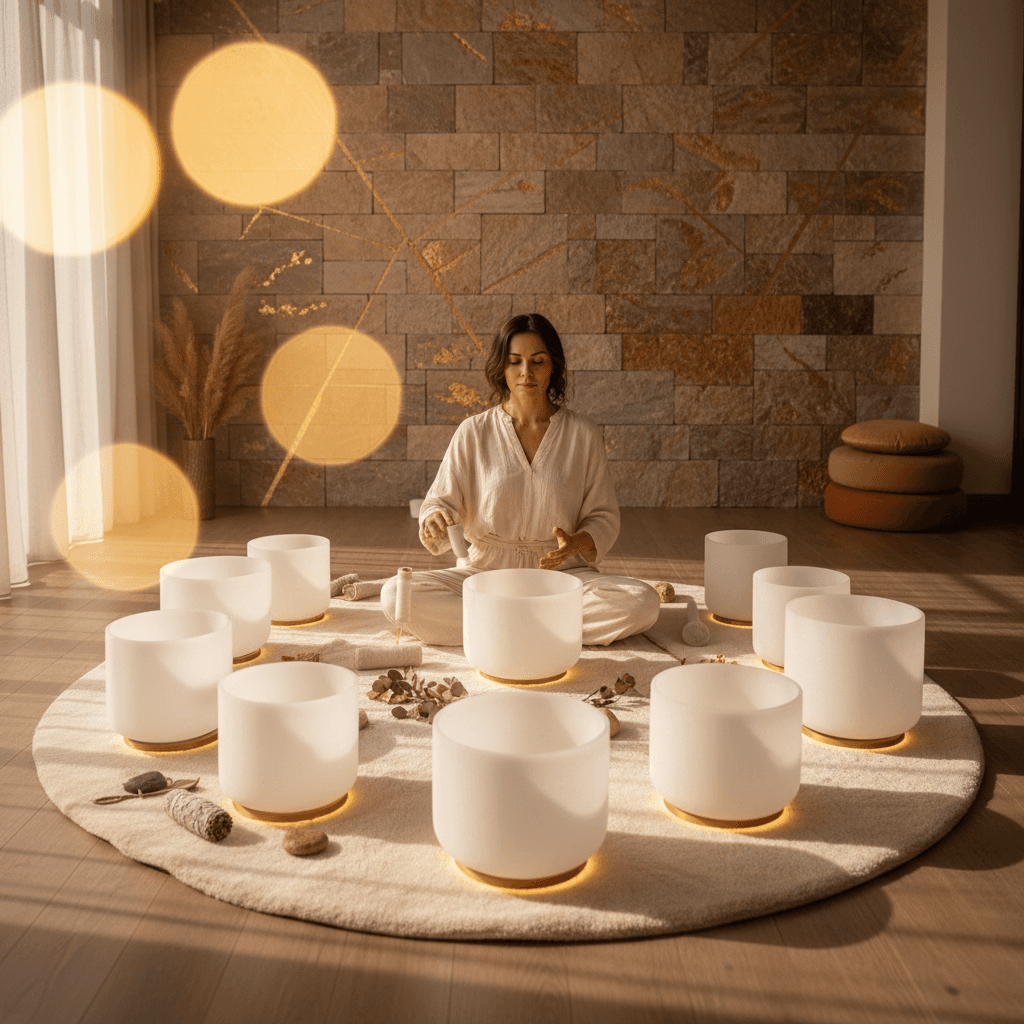
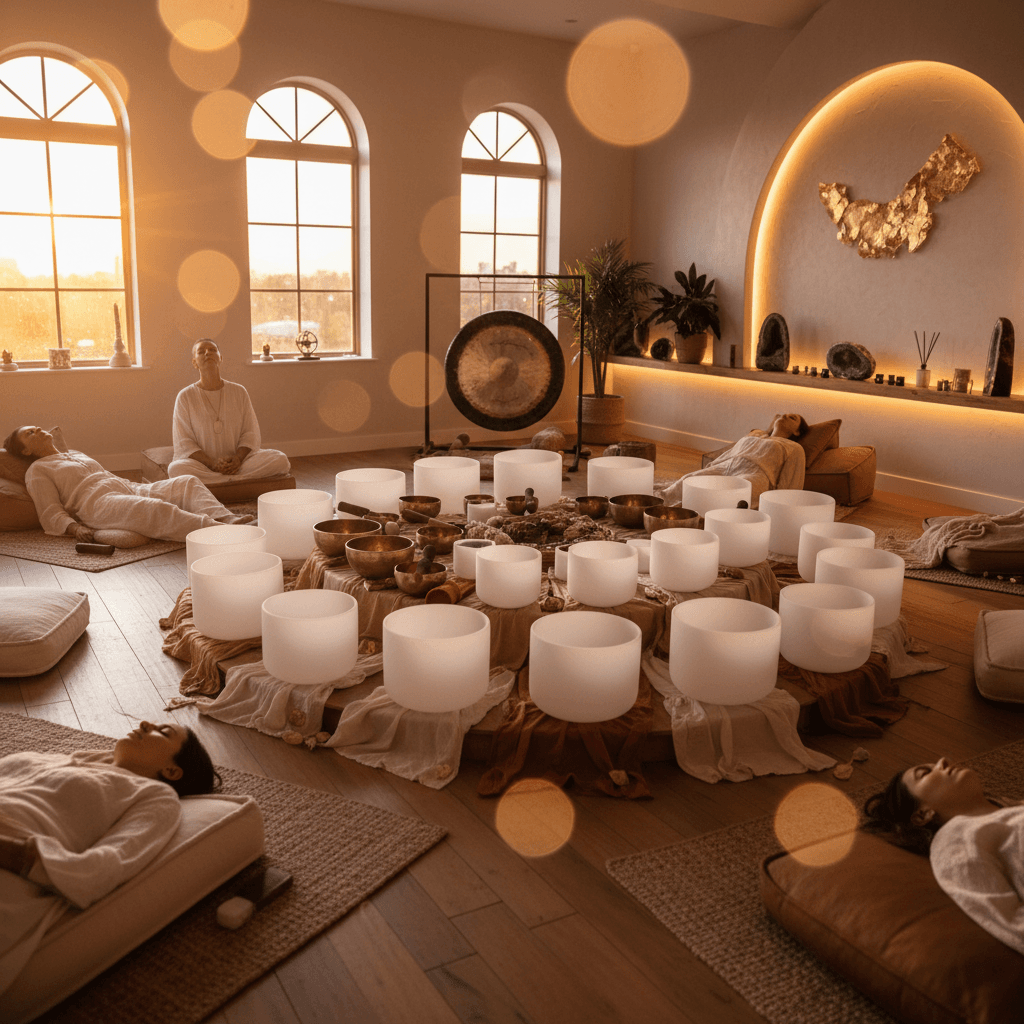
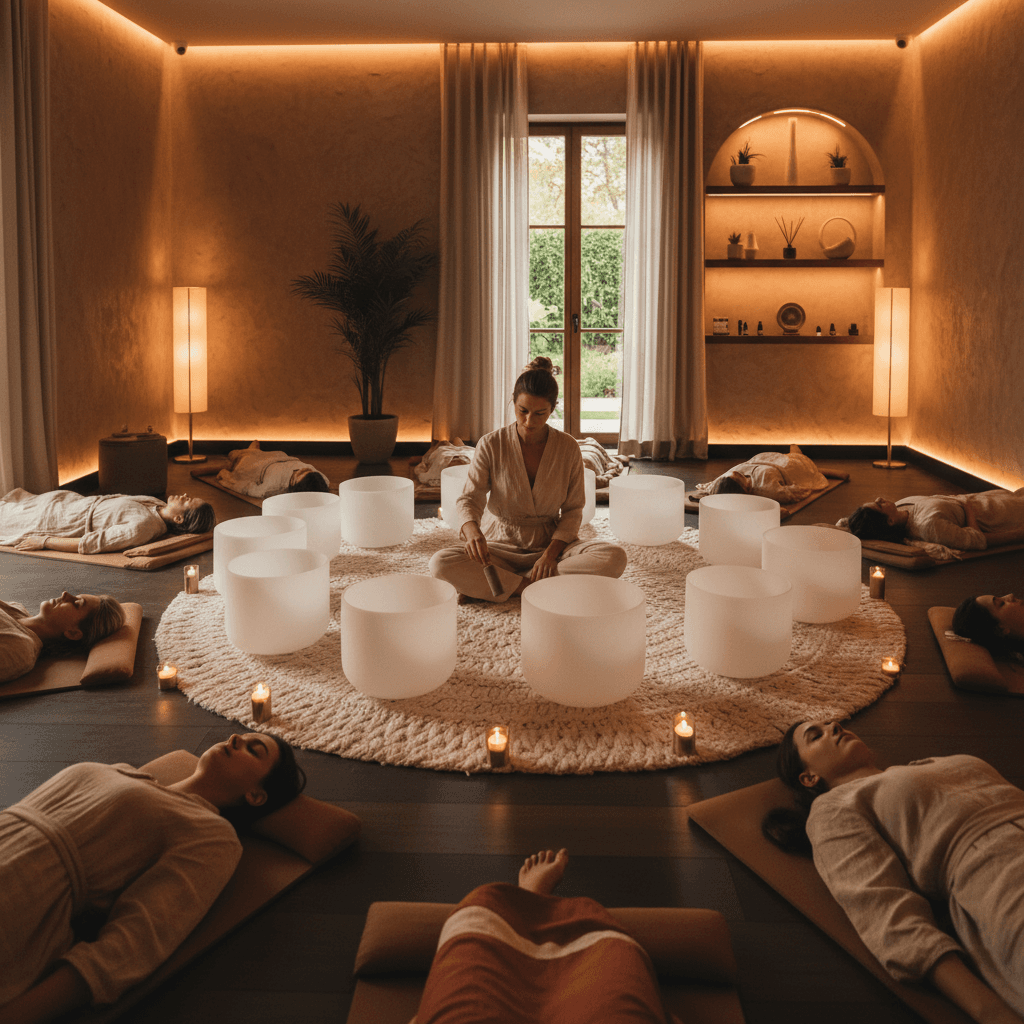
In a sound wellness session, clients often lie comfortably, fully clothed, as the practitioner uses a variety of instruments to create a rich tapestry of sound and vibration. Instruments such as singing bowls (crystal and Himalayan), gongs, tuning forks, chimes, and percussion instruments are strategically played. The practitioner may place bowls directly on or around the body, allowing the physical vibrations to resonate through tissues and cells. The sensory details are paramount: the shimmering overtones of a gong, the deep hum of a Tibetan bowl, the gentle tingle of a tuning fork on the skin.
These carefully curated sonic landscapes are designed to invite the nervous system to shift from a state of fight-or-flight into one of rest and repair. Many people report feeling a profound sense of calm, mental clarity, and even emotional release during and after a session. The experience is deeply personal, often described as a journey inward, where the body and mind find an opportunity to rebalance and rejuvenate.
Prioritising Client Safety and Boundaries
The effectiveness of sound wellness hinges on creating a safe and trusting environment. This begins with maintaining confidentiality, ensuring that client information and session details remain private. Practitioners are also responsible for setting clear professional boundaries, which involves defining the scope of their practice and avoiding any actions that could be misinterpreted or exploited. These boundaries protect both the client and the practitioner, fostering a respectful and ethical relationship.
Furthermore, a responsible sound healer engages in a thorough intake process before any session. This involves discussing the client's health history, current well-being, and any specific intentions or concerns they may have. This crucial step allows the practitioner to tailor the session appropriately and identify any potential contraindications, ensuring a safe and beneficial experience for everyone involved.
Understanding Contraindications
While sound wellness is generally considered a gentle practice, there are specific situations where caution is advised or modifications are necessary. Responsible practitioners must be acutely aware of contraindications to avoid potential harm and mitigate liability risks. These include, but are not limited to:
- Pregnancy: While many forms of sound are safe, certain strong vibrations or frequencies may not be recommended, especially in early pregnancy.
- Epilepsy: Intense or rhythmic sounds and light stimulation could potentially trigger seizures in susceptible individuals.
- Heart Conditions / Pacemakers: Individuals with pacemakers or severe heart conditions may need to avoid direct vibration or certain low frequencies.
- Metal Implants / Scar Tissue: Direct application of vibration over metal implants or fresh scar tissue requires special techniques and careful consideration to safely address and mobilize.
- Recent Surgeries or Acute Injuries: Specific areas may need to be avoided or treated with extreme gentleness.
- Psychological Conditions: While sound can be beneficial for anxiety, individuals with severe psychological conditions should be cleared by a mental health professional, and sessions should be conducted with utmost sensitivity.
A skilled practitioner will adjust their approach based on these factors, opting for indirect sound application, reduced intensity, or alternative techniques to ensure client comfort and safety. This diligent approach not only reflects ethical practice but also forms a critical part of risk management in the wellness profession.
The Soul Art Approach
At Soul Art, Dubai's premier sound wellness studio, the philosophy of deep healing through intentional sound is meticulously combined with an unwavering commitment to professional excellence and client well-being. Larissa Steinbach, the visionary founder, has cultivated an environment where ancient wisdom meets modern responsibility, setting a benchmark for quality and integrity in the wellness landscape.
Larissa Steinbach's Vision for Ethical Practice
Larissa Steinbach’s approach to sound wellness is rooted in a deep respect for the transformative power of sound, coupled with a profound understanding of the ethical responsibilities that come with guiding individuals through such profound experiences. She champions the importance of continuous learning, research literacy, and adherence to global best practices. This commitment ensures that every session at Soul Art is not only deeply restorative but also conducted with the highest standards of safety and professionalism.
"Our mission at Soul Art is to create a sanctuary where individuals can reconnect with their inner harmony," Larissa often shares. "Achieving this requires not only mastery of sound but also unwavering dedication to client safety, ethical conduct, and continuous professional development."
This philosophy permeates every aspect of Soul Art’s operations, from practitioner training to client intake procedures. The emphasis is always on providing a supportive, secure, and deeply healing experience that respects each individual's unique journey.
Safeguarding the Sacred Space: Soul Art's Commitment
Soul Art stands apart through its comprehensive approach to client care and professional safeguarding. The studio invests significantly in ensuring that all practitioners are not only highly skilled in various sound modalities but are also educated on critical aspects of client health, contraindications, and emergency protocols. This rigorous training extends beyond initial certification, embracing advanced workshops and ongoing scientific research discussions to keep abreast of the latest developments in vibration massage and sound studies.
The selection and maintenance of instruments at Soul Art also reflect this commitment to excellence. Only high-quality, ethically sourced instruments are used, ensuring optimal resonance and safety. Furthermore, Soul Art rigorously maintains comprehensive professional liability insurance, understanding that it is an indispensable component of a responsible wellness practice. This crucial protection offers peace of mind for both the practitioners and the clients, affirming Soul Art’s dedication to operating with the utmost integrity and foresight.
Navigating the Professional Landscape: Insurance and Liability
As sound healing transitions from a niche practice to a widely recognized wellness modality, the professionalisation of the field becomes paramount. Integral to this evolution is a thorough understanding and implementation of insurance and liability measures, which serve as foundational pillars for protecting practitioners, clients, and the integrity of the practice itself.
The Imperative of Professional Liability Insurance
For any wellness professional, especially those working with clients' physical and energetic bodies, Professional Liability Insurance, often known as malpractice insurance, is not merely a recommendation—it is an imperative. This type of insurance is specifically designed to protect practitioners from claims of negligence, error, or omission in the professional services they provide. In the context of sound healing, this could include claims arising from:
- Accidental harm: Such as a client experiencing discomfort or an adverse reaction due to an improperly applied vibration or sound frequency.
- Misunderstood advice: Even if unintentional, miscommunications regarding wellness guidance could lead to claims.
- Failure to advise: If a practitioner fails to properly identify a contraindication, leading to an adverse event.
Having this coverage demonstrates a commitment to ethical practice and provides a vital financial safeguard against potentially devastating legal costs and settlements. Some professional courses and bodies, like those approved by IICT (International Institute for Complementary Therapists), often require or strongly recommend liability insurance as a prerequisite for their certifications, highlighting its industry-wide importance.
Understanding Different Coverage Types
While professional liability insurance addresses claims related to the services provided, other types of insurance are equally crucial for a holistic protection strategy:
- General Liability Insurance: This covers claims for bodily injury or property damage that might occur on the premises where the sound healing sessions take place. Think of a client slipping and falling in the studio, or accidental damage to their personal belongings. This "slip and fall" coverage is essential for any business operating a physical space.
- Property Insurance: For studio owners, this protects the physical assets of the business, including the studio space itself, valuable sound healing instruments, and equipment, from risks like fire, theft, or natural disasters. Given the investment in high-quality gongs, bowls, and sound systems, this coverage is invaluable.
- Business Interruption Insurance: In the event of unforeseen circumstances that force a temporary closure of the studio (e.g., fire, flood), this insurance helps cover lost income and ongoing expenses, allowing the business to recover without severe financial strain.
A comprehensive insurance portfolio tailored to the unique aspects of a sound wellness practice ensures that practitioners can focus on their calling, knowing they are adequately protected against a range of unforeseen events.
Certifications, Continuing Education, and Best Practices
Insurance is a critical layer of protection, but it works in tandem with robust professional standards. The journey to becoming a responsible sound healer involves several key elements:
- Certification and Training: Reputable training programs provide foundational knowledge in sound theory, instrument use, client communication, and ethical considerations. Requirements can differ by country; some regions allow open practice with certification, while others may require a massage therapy license for modalities like vibration massage.
- Continuing Education and Mastery: Learning doesn’t stop after initial certification. Advanced practitioners attend sound healing retreats, international workshops, and stay updated by reading scientific journals. This commitment to ongoing education, like staying abreast of the latest research in vibration massage in journals such as Br J Sports Med, ensures that practices remain evidence-informed and evolve with new insights.
- Adherence to Best Practices: This includes diligently knowing and respecting contraindications (e.g., pregnancy, epilepsy, heart conditions, scar tissue), maintaining strict client confidentiality, and setting clear professional boundaries. It also involves obtaining informed consent from clients before each session, ensuring they understand the nature of the practice and any potential considerations.
These professional disciplines are not just good practice; they are proactive measures that significantly reduce the likelihood of incidents that could lead to liability claims.
Fostering Trust Through Transparency
Ultimately, a commitment to insurance and professional standards builds trust. When practitioners are transparent about their qualifications, their commitment to safety, and the protections they have in place, clients feel more secure and confident in their choice of wellness provider. This transparency strengthens the professional image of sound healing as a credible and valuable complementary health practice.
By investing in proper insurance and upholding rigorous ethical guidelines, sound healers contribute to the collective advancement and respect of the entire wellness industry. It’s about creating a safe container for profound healing, ensuring that the frequencies of care resonate with responsibility and integrity.
Your Next Steps
Embracing the path of sound wellness, whether as a practitioner or a client, is a journey towards deeper harmony. Ensuring this journey is safe, responsible, and professionally managed is paramount. Here are practical steps you can take today:
- For Practitioners: Research professional liability insurance providers specializing in wellness modalities. Engage in continuous professional development and ensure your certifications are current. Revisit your client intake forms to explicitly cover health contraindications and secure informed consent for every session.
- For Clients: Always choose practitioners who demonstrate transparency about their training, certifications, and safety protocols. Don't hesitate to ask about their professional liability insurance—a reputable practitioner will be happy to discuss it. Clearly communicate your full health history and any concerns you have before a session.
- Deepen Your Knowledge: Stay informed about the evolving science of sound and vibration. Attend webinars, read reputable journals, and join professional communities to expand your understanding of best practices and ethical considerations in the wellness field.
- Prioritize Self-Care: Whether you are a practitioner or a client, remember that sound wellness is a powerful tool for self-care. Integrate practices that support your well-being, both physically and emotionally, into your daily routine.
Ready to restore your nervous system and discover deep relaxation with the assurance of professional care? Soul Art invites you to experience the profound benefits of sound wellness within a trusted and ethically grounded environment.
In Summary
The world of sound wellness offers transformative benefits, from deep relaxation and stress reduction to supporting the body's natural healing processes. As this field flourishes, the imperative for professionalism, safety, and liability protection becomes ever clearer. For sound healers, comprehensive insurance coverage, diligent adherence to contraindications, and a commitment to ongoing education are not just best practices, but essential safeguards. Soul Art, under the guidance of Larissa Steinbach, exemplifies this commitment, ensuring every client experiences profound well-being within a framework of utmost care and integrity. Choose a practice that resonates with responsibility and peace of mind.
Bookings Coming Soon
Soul Art is still in preparation. Session details and booking will be published here after launch.
Coming Soon
Wellness Disclaimer: This article is for educational and informational purposes only. It does not constitute medical advice, diagnosis, or treatment. Soul Art Dubai provides non-medical wellness experiences focused on relaxation, stress management, and general wellbeing. Sound wellness is a complementary practice and should not replace professional medical care.
Related Articles

Unlock Deeper Healing: Recording Your Own Sound Journeys with Soul Art
Water Consciousness: Sound's Subtle Influence on H2O for Wellness

The Silent Symphony: Plant Bioacoustics & Human Wellness