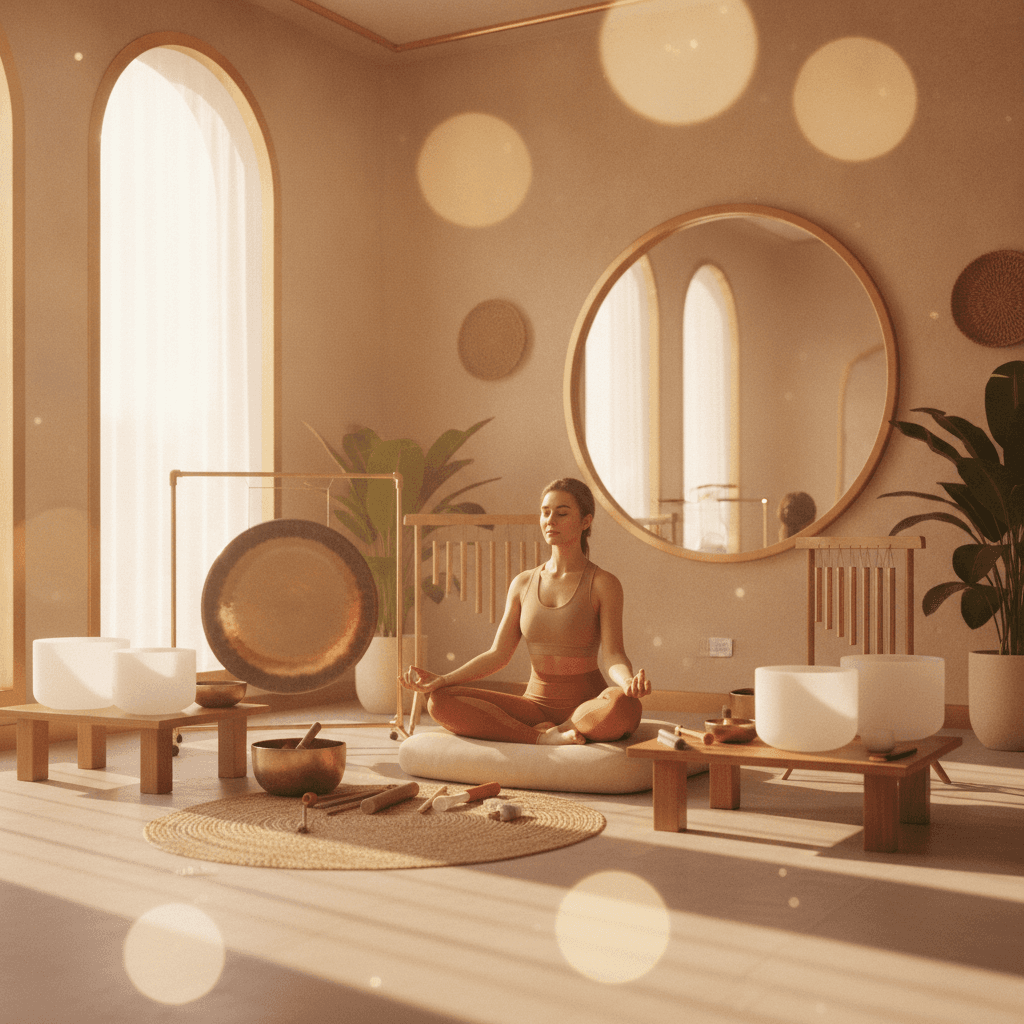
Hydration After Sound Baths: Unveiling the Science & Benefits at Soul Art
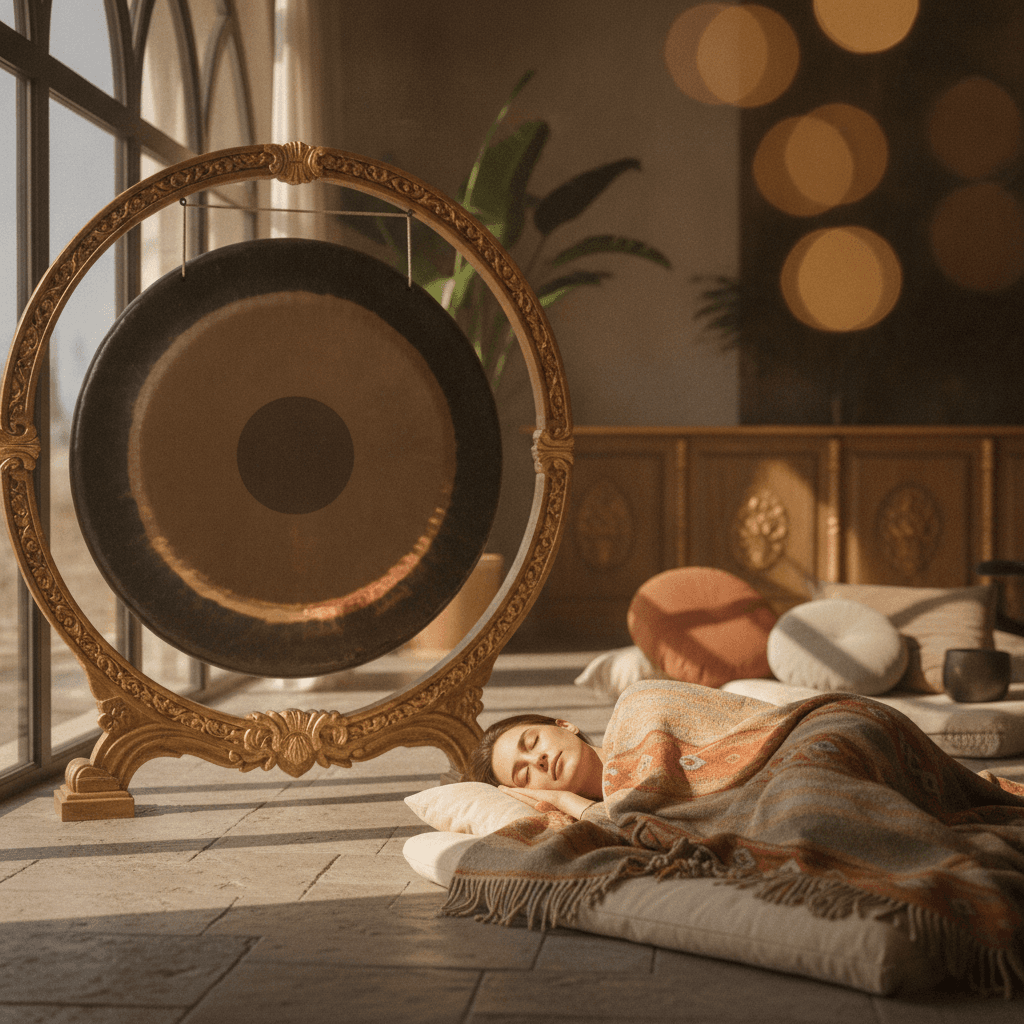
Key Insights
Explore the science behind hydration after sound baths. Discover how replenishing your body supports deeper relaxation and enhances your wellness journey with Soul Art Dubai.
Hydration after a sound bath – is it a crucial step for enhanced well-being, or merely a popular piece of wellness advice? This question often arises as individuals step out of the profound, resonant spaces created by sound healing. At Soul Art, Dubai’s premier sound wellness studio, we believe in a holistic approach, where every detail, including post-session care, contributes significantly to your journey of restoration.
This article delves into the intriguing connection between sound, the body's internal environment, and the often-overlooked importance of hydration. We will explore the scientific underpinnings of why replenishing your body with water after a sound bath is more than just a habit; it is a key practice that may support deeper relaxation, aid in the body's natural rebalancing, and enhance your overall well-being. Understanding this relationship can empower you to optimize your experience, integrating the profound benefits of sound into a more harmonious daily life.
The Physiological Symphony: How Sound Affects the Body
The ancient practice of sound healing, now experiencing a renaissance in modern wellness, is far from a mere auditory experience. Emerging scientific research suggests that sound baths initiate a complex cascade of physiological responses, profoundly affecting the nervous system, brainwave activity, and even cellular function. These deep internal shifts are precisely why mindful aftercare, including proper hydration, becomes so relevant.
Calming the Nervous System
One of the most significant impacts of sound baths is their ability to influence the autonomic nervous system. Researchers, including Dr. Tamara Goldsby from the University of California San Diego, suggest that specific tones and rhythms can activate the parasympathetic nervous system – often referred to as the body's "rest-and-digest" mode. This activation helps to slow the heart rate, relax muscles, and alleviate stress, gently guiding the body away from its habitual "fight-or-flight" state.
Preliminary studies have indicated that sound baths may be associated with reduced levels of cortisol, a key stress hormone, and improved heart rate variability, an important marker of how effectively the body adapts to stress. This physiological downshift creates an optimal environment for the body to recuperate and rebalance.
Shifting Brainwave States
Beyond the nervous system, sound baths are thought to induce a shift in brainwave patterns. Our brains operate at different frequencies depending on our activity. During our active waking hours, our brains typically exhibit higher-frequency beta waves. Sound baths may help transition the brain from these active beta states to slower, more meditative frequencies such as alpha, theta, or even delta waves.
Alpha waves are associated with a relaxed, wakeful state, while theta waves are linked to deep relaxation, meditation, and creativity. Delta waves, the slowest, are characteristic of deep sleep and profound restorative processes. This entrainment, where brainwaves synchronize with external rhythmic stimuli, contributes to the deep state of tranquility many experience during a sound bath. Lee Bartel, a professor emeritus at the University of Toronto, highlights that when the brain is presented with a regular pulse, neurons can fire at that rate, promoting different brain wave states.
Cellular Resonance and Water
An intriguing area of exploration is the concept of cymatics, the study of visible sound and vibration, and its interaction with water. Given that the human body is comprised of a significant percentage of water, typically around 50-70%, the idea that sound vibrations could influence our internal aqueous environment is compelling. Some researchers are studying how vibrations may help improve blood flow and influence cells, tissues, and even bones.
While research in this specific area is still taking shape, it is plausible that the resonant frequencies experienced during a sound bath may interact with the body's fluids at a subtle, cellular level. This could potentially support cellular communication, fluid dynamics, and the overall energetic organization within the body. The notion of a "corporeal shift" following sound baths has been anecdotally reported, suggesting a deeper, physical impact beyond mere relaxation.
The Body's Response to Deep Relaxation
The deep relaxation fostered by sound baths is not a passive state for the body. Instead, it is a period of intense internal work, during which the body can release accumulated tension and begin its natural repair mechanisms. This activation of the parasympathetic system, coupled with shifts in brainwave states, can create an environment conducive to restoring physiological balance.
This profound internal reordering, while restorative, may also subtly increase metabolic activity as the body works to return to homeostasis. This internal process, though gentle, highlights the subtle yet powerful physiological engagement that occurs during a sound bath, making conscious post-session care particularly beneficial.
How It Works in Practice
Connecting the scientific understanding of sound's impact to the lived experience reveals why practices like hydration become integral to the sound bath journey. Clients often report a profound sense of peace and lightness after a session, sometimes feeling "in an in-between state or liminal state," as described by Perez, neither fully asleep nor fully awake. This dream-like, floaty sensation is a testament to the deep altered state of consciousness induced by the sound.
During a sound bath, the body enters a state of deep surrender. The intricate vibrations from instruments like crystal bowls and gongs wash over and through you, inviting release on multiple levels. This release can manifest not only mentally and emotionally but also subtly on a physical plane, as tension held within the muscles and tissues begins to dissipate.
The Post-Session Experience and the Call for Hydration
Immediately following a sound bath, many individuals emerge feeling deeply refreshed, mentally clear, and profoundly relaxed. Some may experience a mild sense of disorientation or a heightened sensitivity to their surroundings as they transition back to their regular waking state. It is common to feel a sense of lightness or even a desire for quiet introspection.
Anecdotal evidence, as well as advice from experienced sound therapists like Farzana Ali, suggests that individuals often feel thirsty after a sound bath. This thirst is not merely psychological; it may stem from the physiological processes triggered during deep relaxation. The body's shift into a parasympathetic state, the potential for subtle metabolic changes, and the release of emotional and physical tension can all contribute to a feeling of depletion or a need to replenish.
For instance, the body's process of releasing tension and stress can sometimes be associated with a mild diuretic effect or an increased need for cellular replenishment. While the term "flushing out toxins" (as seen in some wellness contexts) should be interpreted carefully, it broadly refers to supporting the body's natural eliminatory and rebalancing systems. Hydrating with water helps to facilitate these natural processes, allowing the body to efficiently reset and maintain its internal equilibrium after the profound experience.
The gentle act of drinking water after a sound bath serves multiple purposes. It helps to ground the individual back into their physical body, supports the physiological shifts initiated by the sound, and aids in the integration of the experience. It becomes a conscious act of self-care, acknowledging the deep work the body and mind have undergone. This simple yet profound practice supports the body's fluid balance, which is crucial for nutrient transport, waste removal, and maintaining optimal cellular function, all of which are subtly impacted during deep relaxation.
The Soul Art Approach
At Soul Art, Larissa Steinbach, the visionary founder, deeply understands the intricate connection between the sound journey and the body's subsequent needs. The studio's philosophy extends beyond the duration of the sound bath itself, encompassing a holistic approach to preparation and aftercare that is integral to maximizing the experience. Larissa's method is rooted in both the ancient wisdom of sound healing and a scientifically informed understanding of human physiology.
Larissa Steinbach's Philosophy on Post-Sound Bath Hydration
Larissa Steinbach views hydration not as an optional add-on but as an essential component of the sound wellness journey. She emphasizes that the deep relaxation and energetic recalibration experienced during a sound bath are powerful processes that require conscious support afterward. Just as one would hydrate after a vigorous physical workout, the subtler yet profound internal "work" of a sound bath also benefits immensely from replenishment.
"I firmly believe that we are just touching the tip of the iceberg regarding the benefits of sound," Goldsby states, a sentiment echoed by Larissa. She translates this belief into practical, nurturing protocols. At Soul Art, clients are gently guided through a period of re-orientation after each session, allowing ample time to slowly return to their everyday awareness. Fresh, purified water is always readily available, offered as a vital tool for grounding and integration.
The unique Soul Art method combines precisely calibrated sound frequencies with an environment designed for deep healing and introspection. Larissa intuitively selects instruments and tones to resonate with the specific energetic needs of the participants, aiming to create a more organized brainwave pattern that helps individuals feel mentally clear and physically relaxed. This careful curation extends to the post-session experience, where drinking water is encouraged to help stabilize the nervous system, re-establish fluid balance, and support the body's natural return to equilibrium. This mindful approach ensures that the tranquil state achieved during the sound bath can be more effectively carried into daily life.
Your Next Steps
Embracing mindful hydration and post-session self-care is a simple yet powerful way to amplify the benefits of your sound bath experience. These practices extend the peaceful resonance of the session, allowing its effects to integrate more deeply into your being. Here are some actionable steps you can implement after your next sound bath, designed to support your body's natural return to harmony:
Simple Steps for Enhanced Post-Sound Bath Well-being
- Hydrate Mindfully: Make purified water your first choice after a sound bath. Sip it slowly, allowing your body to absorb it gently. Consider adding a slice of lemon or a pinch of mineral-rich sea salt for natural electrolytes, which may further aid in cellular rehydration.
- Ground Yourself Gently: After the session, take a few moments to sit quietly. Engage in gentle breathwork, focusing on slow, deep breaths. You might also find it beneficial to walk barefoot on natural ground, if accessible, or perform gentle stretches to reconnect with your physical body.
- Integrate and Reflect: The deep, meditative states induced by sound baths can sometimes bring forth insights or release emotions. Allow time for these experiences to settle. Journaling, quiet contemplation, or a short, silent walk can help integrate the session's benefits into your conscious awareness.
- Listen to Your Body's Wisdom: Pay attention to any messages your body sends. If you feel tired, honor that need with rest. Nourish yourself with light, wholesome foods that support your renewed state of balance, avoiding heavy or processed meals.
- Avoid Over-Stimulation: Immediately after a sound bath, your nervous system is likely in a state of heightened sensitivity and relaxation. Minimize exposure to bright screens, loud noises, caffeine, or strenuous activities. Allow yourself to gently transition back into the rhythm of your day.
These practices, recommended by Larissa Steinbach and the team at Soul Art, are designed to extend the tranquility and benefits of your sound bath far beyond the session itself. They are an invitation to continue your journey of self-care and profound well-being.
In Summary
The question of "Hydration After Sound Baths: Helpful or Hype?" finds its answer in the intricate dance between sound, science, and sensory experience. Sound baths profoundly influence the nervous system, shift brainwave patterns, and may even affect cellular hydration through resonance. Therefore, post-session hydration is not mere hype; it is a scientifically plausible and experientially beneficial practice that supports the body's natural rebalancing and detoxification processes.
By consciously hydrating, you empower your body to integrate the deep relaxation and physiological shifts initiated by the sound, enhancing overall well-being. At Soul Art, Larissa Steinbach champions this holistic approach, ensuring every aspect of your wellness journey is supported. We invite you to experience the transformative power of sound healing, complemented by mindful self-care, and discover a deeper sense of harmony within yourself.
Bookings Coming Soon
Soul Art is still in preparation. Session details and booking will be published here after launch.
Coming Soon
Wellness Disclaimer: This article is for educational and informational purposes only. It does not constitute medical advice, diagnosis, or treatment. Soul Art Dubai provides non-medical wellness experiences focused on relaxation, stress management, and general wellbeing. Sound wellness is a complementary practice and should not replace professional medical care.
Related Articles
Unlock Group Harmony: The Science of Small Group Sound Baths at Soul Art
Harmonize Together: The Science of a Couples Sound Bath
Harmonizing Together: Can You Share a Sound Bath with a Friend at Soul Art?