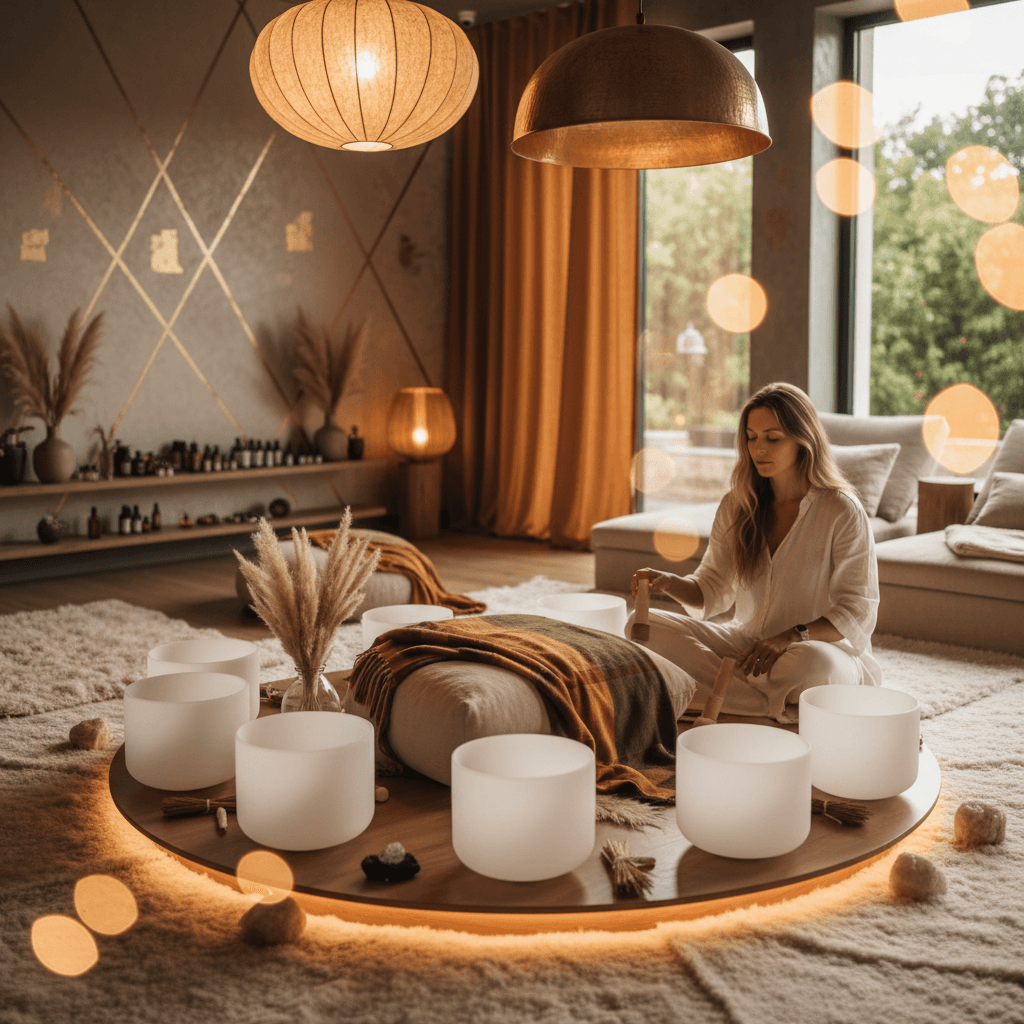
HRV Training: Sound for Heart Coherence – Elevate Your Well-being
Key Insights
Discover how HRV training and sound wellness foster heart coherence for stress resilience and enhanced well-being. Explore the science with Soul Art Dubai and Larissa Steinbach.
Have you ever considered that the rhythm of your heart might hold the key to unlocking profound levels of well-being, resilience, and inner peace? Beyond simply pumping blood, your heart communicates in a sophisticated language of variability, a subtle dance that reflects your inner state and capacity to adapt to life's demands. In today's fast-paced world, understanding and intentionally influencing this rhythm offers a powerful pathway to enhanced physical and mental vitality.
At Soul Art, Dubai's premier sound wellness studio, we delve into the transformative practice of Heart Rate Variability (HRV) training, uniquely integrated with the immersive power of sound. This article explores the compelling science behind heart coherence and how targeted practices, especially sound, can harmonise your internal rhythms. Join us to discover how aligning your heart's intelligence can cultivate remarkable stress resilience and a deeper sense of self-mastery.
The Science Explained
Our bodies are intricate ecosystems, constantly adjusting to internal and external stimuli. At the core of this adaptive capacity lies the autonomic nervous system (ANS), the unconscious conductor of our bodily functions. Heart Rate Variability (HRV) serves as a powerful, non-invasive window into the balance and flexibility of this vital system, offering insights far beyond a simple heart rate count.
Understanding Heart Rate Variability (HRV)
HRV is not merely how fast your heart beats, but rather the precise measurement of the tiny, beat-to-beat fluctuations in the time intervals between your heartbeats. A common misconception is that a perfectly regular heartbeat is ideal; in fact, the opposite is true for a healthy, adaptable system. A higher HRV indicates a robust and flexible autonomic nervous system, capable of readily shifting between its two main branches: the sympathetic (fight-or-flight) and parasympathetic (rest-and-digest) systems.
When your HRV is high, it suggests that your body can respond effectively to stressors and then quickly return to a state of calm. Conversely, lower HRV often correlates with chronic stress, reduced adaptive capacity, and an overactive sympathetic nervous system. Preliminary studies have even shown that lower pre-deployment HRV was a significant predictor of post-deployment PTSD symptoms, highlighting its significance as a physiological baseline (personal communication with Jeff Pyne). Training to support and improve HRV may thus be a crucial aspect of building resilience.
The Concept of Heart Coherence
Central to HRV training is the concept of heart coherence, a state where your heart rhythm exhibits a smooth, sine-wave-like pattern, signifying a highly organised and efficient interaction between your heart and brain. This state is characterised by increased vagal tone, an indicator of strong parasympathetic nervous system activity, promoting relaxation and recovery. When we achieve heart coherence, our physiological systems—cardiac, respiratory, vascular, and nervous—synchronise and operate optimally.
Extensive research consistently demonstrates the wide range of benefits associated with inducing a coherent rhythm. These benefits may include improved emotional regulation, enhanced cognitive performance (including memory and academic performance), better sleep quality, and a greater overall sense of well-being (McCraty et al., 2009a, 2009b; Bradley et al., 2010; Ginsberg, 2010; Lloyd, 2010). For example, intentional activation of positive and calming emotions, especially gratefulness and heart-felt love, has been found to elicit definitively higher coherence levels (Stanley, 2009). The HeartMath Institute, pioneers in heart-brain interactions, has developed practical tools and techniques, backed by thousands of citations, that improve emotional regulation, resilience, and help ease stress, anxiety, and depression. Their research highlights how HRV coherence biofeedback may help the heart respond more effectively during mental or emotional stress, particularly for individuals with coronary artery disease (Shah et al., JAMA Network Open).
"The psychophysiological coherence model has informed the development of practical applications and approaches for increasing self-regulatory capacity and vagal tone in a wide range of populations, including individuals who have experienced trauma."
This model underscores how integrating intentional positive emotions with HRV coherence biofeedback facilitates significant improvements in wellness and well-being indicators. Moreover, recent discoveries show that the brain and heart express flexibility through a shared language of complexity and variability, suggesting that training brain-heart coherence with biofeedback tools can enhance adaptive resilience (Divergence Neuro blog, 2025).
The Role of Sound in Fostering Coherence
Sound, in its purest form, is vibration—a profound energy that can permeate our physical and energetic bodies. When we expose ourselves to specific frequencies and harmonics, particularly those found in therapeutic sound instruments, these vibrations may act as powerful catalysts for achieving heart coherence. The resonance created by sound baths and other sound wellness practices provides a unique pathway to influence our physiological state, complementing other coherence-inducing techniques.
Sound may guide our brainwaves into meditative states, which in turn can calm the nervous system and encourage the heart to settle into a more coherent rhythm. While research into the precise effects of low-frequency vibrations (LFV) without music on HRV requires further study, clinical experience and some preliminary data suggest that vibroacoustic therapy (VAT) may be used for stimulation of physiological functions, including heart rate variability (MDPI, 2021). The immersive nature of sound provides an ideal environment for practices like slow, rhythmic breathing, which itself has been shown to induce the coherence rhythm (e.g., breathing at 6 breaths per minute) (Lehrer et al., 2003).
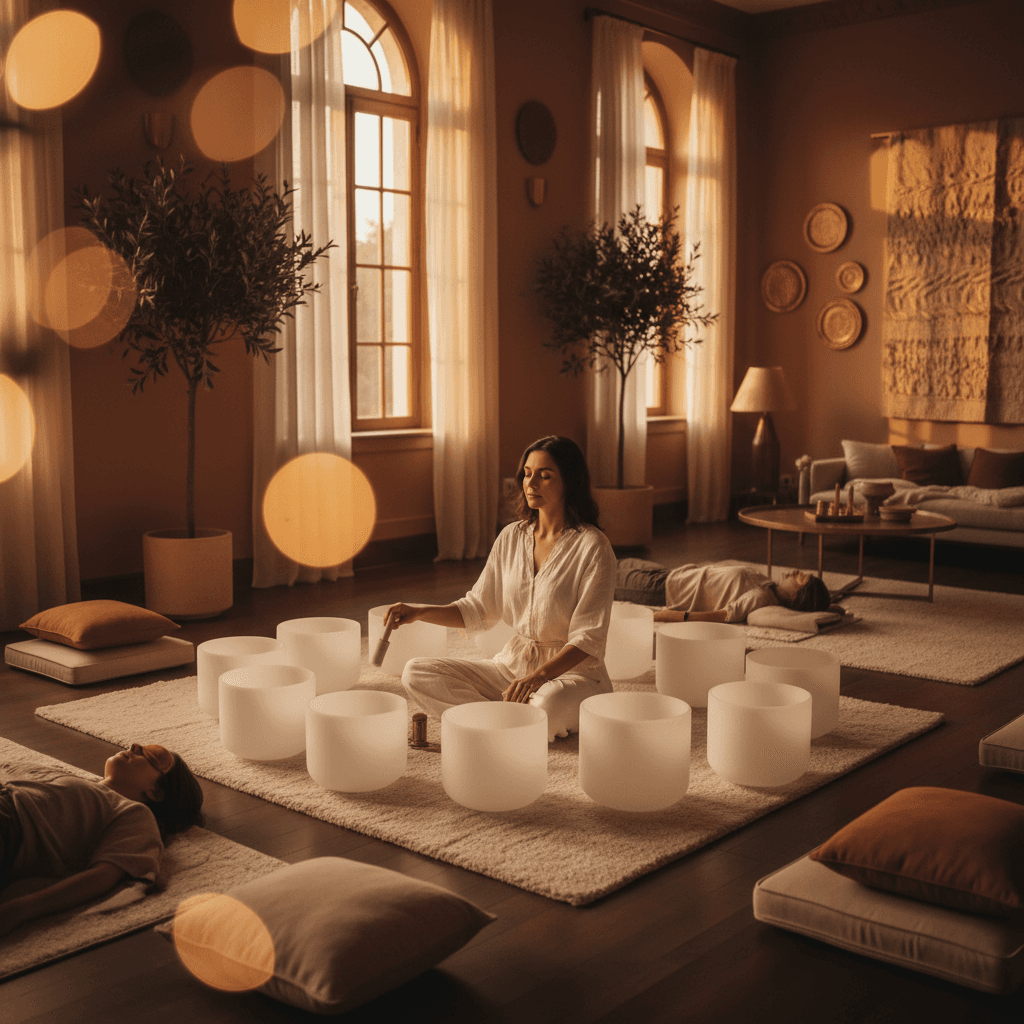
The rich, harmonious tones produced by instruments like crystal singing bowls and gongs create an enveloping sonic field. This field can gently guide the body and mind into a state of profound relaxation, making it easier to activate the positive and calming emotions that are crucial for coherence. In essence, sound creates a supportive physiological and psychological landscape where heart coherence can naturally unfold, enhancing the effectiveness of HRV training.
How It Works in Practice
Transitioning from scientific understanding to practical application, the journey to heart coherence involves intentional techniques that harness the body's innate self-regulatory capacity. These practices often blend mindful breathing, emotional cultivation, and biofeedback, with sound wellness serving as an exceptional accelerant.
One of the most widely studied and effective methods for inducing coherence involves rhythmic breathing at approximately 6 breaths per minute. This specific breathing rate may optimize the interaction between your heart and lungs, creating the smooth, coherent rhythm that characterises optimal psychophysiological functioning (Lehrer et al., 2003). When combined with HRV biofeedback, where real-time data on your heart rhythm is displayed, individuals can learn to consciously regulate their breathing and emotional state to achieve and sustain coherence.
However, conscious breathing is just one facet. The emotional dimension is equally, if not more, potent. Studies have repeatedly shown that intentionally cultivating positive emotions—such as appreciation, gratitude, compassion, or heart-felt love—definitively elevates coherence levels (Stanley, 2009). This isn't merely a subjective feeling; these emotions generate distinct patterns in our heart rhythms that positively influence brain activity and nervous system balance. HeartMath techniques, for example, have been shown to quickly enhance cardio-autonomic balance and support stress-resilience training in healthy young adults (Savulescu-Fiedler et al., Physiological Reports).
This is where the power of sound becomes truly transformative. Imagine lying in a serene space, enveloped by the rich, resonant vibrations of crystal bowls and gongs. These sounds don't just soothe; they provide a tangible anchor for your attention. As the waves of sound wash over you, your focus naturally shifts inward, making it easier to:
- Regulate your breath: The rhythmic nature of certain soundscapes can subtly guide your breathing into a slower, more deliberate pace, naturally approaching that coherence-inducing rate of around 6 breaths per minute.
- Cultivate positive emotions: The calming and uplifting atmosphere created by harmonious sounds can evoke feelings of peace, safety, and even gratitude, facilitating the emotional activation necessary for coherence.
- Release tension: The physical vibrations from instruments can help release muscular tension and quiet the incessant chatter of the mind, allowing the body to relax deeply and the nervous system to rebalance.
Furthermore, the impact extends beyond individual experience. Research into social coherence has demonstrated that being in an HRV coherent state can actually help others shift into a more coherent state, suggesting a form of "heart-to-heart bio-communication" (Frontiers in Public Health, 2017). Group sound wellness sessions, therefore, not only support individual coherence but may also foster a collective sense of calm and connection, enhancing positive energy and cooperation among participants. This makes sound a powerful tool for both personal and collective well-being.
The Soul Art Approach
At Soul Art, Larissa Steinbach and her team have meticulously crafted an approach that seamlessly integrates cutting-edge scientific understanding of HRV and heart coherence with the profound healing traditions of sound. The philosophy at Soul Art is rooted in the belief that true well-being emerges from harmonising the inner self—a balance achieved through conscious connection between mind, body, and spirit. Larissa Steinbach, with her deep expertise, guides clients on a journey to unlock their innate self-regulatory capacity.
The Soul Art method is unique in its deliberate fusion of targeted bio-rhythmic techniques with deeply immersive soundscapes. We don't just offer relaxation; we provide a structured yet gentle pathway to physiological recalibration. Each session is designed to create an optimal environment for cultivating heart coherence, focusing on:
- Precision Sound Frequencies: Utilizing a carefully curated collection of instruments, including pure quartz crystal singing bowls, resonant Himalayan bowls, powerful gongs, and delicate chimes, we create sound vibrations tuned to specific frequencies known to promote deep relaxation and neurological balance. These sounds act as an auditory anchor, facilitating the shift into a coherent state.
- Guided Breathwork and Intention: Clients are gently guided through breathwork techniques, often focusing on the optimal 6-breaths-per-minute rhythm, while simultaneously being encouraged to cultivate specific positive emotions. This dual approach amplifies the impact, as the emotional state profoundly influences heart rhythm patterns. Larissa Steinbach emphasizes the power of intention, guiding participants to focus on gratitude or heart-felt love to deepen their coherence.
- A Sanctuary for the Senses: The studio environment itself at Soul Art is a key component. Designed to be a tranquil oasis in the vibrant heart of Dubai, every detail—from ambient lighting to comfortable supports—is curated to minimise external distractions and maximise the opportunity for internal focus and surrender. This allows participants to fully immerse themselves in the experience, letting the sounds and vibrations do their work.
Through this comprehensive approach, Soul Art aims to enhance self-regulatory capacity and bolster vagal tone, offering a complementary pathway to managing stress, improving emotional resilience, and fostering overall well-being. The synergy of sound and intentional coherence training under Larissa Steinbach's guidance provides a powerful tool for anyone seeking a more balanced and harmonious life.
Your Next Steps
Embarking on the journey to cultivate heart coherence is a proactive step towards a more resilient and peaceful self. Integrating these practices into your daily life doesn't require drastic changes; rather, it’s about making small, consistent efforts that yield profound long-term benefits. Here are some actionable steps you can take today to begin fostering greater heart coherence:
- Practice Mindful Breathing: Dedicate a few minutes each day to rhythmic breathing, aiming for approximately 5-7 breaths per minute. Inhale slowly for a count of 4-5, and exhale slowly for a count of 5-6. This simple practice may significantly influence your heart's rhythm and calm your nervous system.
- Cultivate Positive Emotions: Take time daily to intentionally activate feelings of gratitude, appreciation, or compassion. Reflect on things you are thankful for, or send kind thoughts to loved ones. Remember, positive emotions are potent drivers of heart coherence.
- Explore Sound Wellness: Experience a professional sound bath or sound meditation session. The immersive vibrations and harmonising frequencies can provide a unique and effortless pathway into deep relaxation and coherent states. Look for experienced practitioners like those at Soul Art.
- Integrate Short Coherence Breaks: Throughout your day, especially during moments of stress or transition, pause for a 1-2 minute coherence practice. Focus on your breath and an uplifting emotion. These micro-breaks may help reset your nervous system and enhance resilience.
- Observe Your Well-being: Pay attention to how these practices impact your sleep, mood, energy levels, and ability to manage stress. Consistent self-observation can reinforce the reported benefits and motivate continued practice.
Ready to explore this profound path to inner harmony with expert guidance?
In Summary
Heart Rate Variability (HRV) and the pursuit of heart coherence represent a vital frontier in holistic well-being and stress resilience. By understanding and actively influencing the intricate dance of our heart rhythms, we unlock a powerful capacity for self-regulation, enhancing emotional balance, cognitive function, and overall vitality. The intentional cultivation of positive emotions, coupled with specific breathing techniques and the deeply immersive experience of sound, provides a potent pathway to achieving this coherent state.
At Soul Art, under the visionary leadership of Larissa Steinbach, we combine scientific insights with ancient wisdom to offer unparalleled sound wellness experiences. Our meticulously designed sessions leverage resonant frequencies and guided practices to help you foster heart coherence, build adaptive resilience, and ultimately, live a more harmonious life. Discover the transformative power of aligning your heart's intelligence and elevate your well-being.
Bookings Coming Soon
Soul Art is still in preparation. Session details and booking will be published here after launch.
Coming Soon
Wellness Disclaimer: This article is for educational and informational purposes only. It does not constitute medical advice, diagnosis, or treatment. Soul Art Dubai provides non-medical wellness experiences focused on relaxation, stress management, and general wellbeing. Sound wellness is a complementary practice and should not replace professional medical care.
Related Articles
Advanced Biohacker: Optimizing Wellness with Complex Sound Protocols
Ozone Therapy & Sound: Mastering Oxidative Stress for Vitality
Hyperbaric Oxygen & Sound: Synergizing Wellness & Brain Vitality