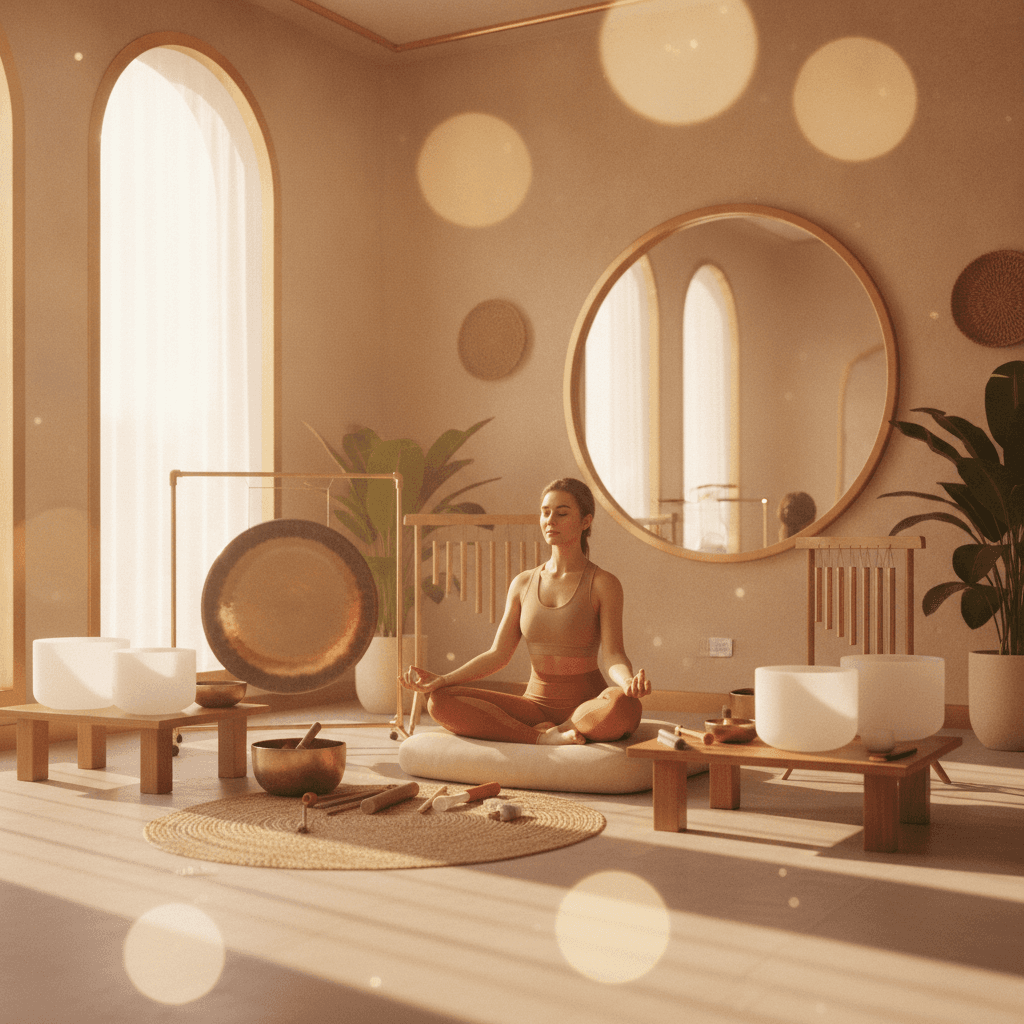
Tracking Your Sound Healing Journey: A Scientific Guide
Key Insights
Understand and measure your body's response to sound healing with scientific insights. Learn to track changes in mood, stress, and nervous system regulation with Soul Art Dubai.
From the moment we wake to the gentle hum of our air conditioning to the bustling sounds of a city, our brains are in a constant dialogue with the auditory world. Did you know that your brain isn't just hearing these sounds, but automatically analyzing them to determine your safety, stress levels, or need for alertness? This continuous, subconscious processing means sound is far more than just what meets the ear; it's a profound influencer of our entire physiological state.
Understanding this intrinsic connection between sound and our internal experience is the first step towards truly harnessing the power of sound healing. At Soul Art Dubai, founded by the visionary Larissa Steinbach, we delve deep into this science to craft experiences that go beyond transient relaxation. This article will guide you through the intricate science behind sound healing and, crucially, how you can effectively track your personal responses, allowing you to cultivate a deeper, more intentional relationship with your well-being journey.
The Intricate Dance: How Sound Shapes Your Physiology
Sound healing, though rooted in ancient wisdom, is increasingly validated by modern scientific research, bridging the gap between holistic wellness and neurophysiological understanding. Its effects resonate with established fields like music therapy, meditation research, and stress physiology, providing a robust framework for its efficacy. To truly appreciate its impact, we must first understand how deeply sound interacts with our most fundamental biological systems.
The Brain and Its Auditory Command Center
Your brain is a masterful interpreter of the world, and sound is one of its primary languages. It doesn't merely register acoustic vibrations; it ceaselessly analyzes every sonic input to categorize it as safe, stressful, or calming, dictating your immediate physiological response. This remarkable process occurs automatically, often outside of our conscious awareness.
The auditory system is intricately wired into critical brain regions. It shares direct connections with the limbic system, often called our emotion center, as well as memory and attention systems. Crucially, it interfaces with the stress response pathways and the autonomic nervous system, explaining why a sudden alarm can instantly spike anxiety, while the gentle rhythm of ocean waves can induce profound tranquility. Research published in Nature Reviews Neuroscience elucidates that music and sound activate widespread neural networks related to emotion, movement, reward, and physiological regulation, underscoring its pervasive influence (Koelsch, 2014). This deep neural engagement is precisely why thoughtfully curated sound environments, like those at Soul Art, can lead to measurable changes in our internal state.
Navigating the Autonomic Nervous System (ANS)
One of the most significant frontiers in sound healing research involves the autonomic nervous system (ANS). This vital system operates beneath our conscious control, orchestrating essential bodily functions such as heart rate, breathing, digestion, and muscle tension. It is also the primary regulator of our stress responses, determining whether we are in a state of alert defense or peaceful restoration.
The ANS comprises two major branches: the sympathetic nervous system and the parasympathetic nervous system. The sympathetic branch, often dubbed the "fight or flight" system, prepares the body for immediate action, increasing heart rate, dilating pupils, and diverting blood to muscles. Conversely, the parasympathetic branch, known as the "rest and digest" system, promotes relaxation, conserves energy, and facilitates bodily repair and regeneration. Sound healing techniques are particularly adept at fostering a shift towards parasympathetic dominance. Studies, including those referenced by Madre, demonstrate that participants often exhibit increased heart rate variability (HRV) after sound sessions, a key indicator of a healthy and balanced ANS and a shift towards this beneficial parasympathetic state. This physiological response aligns with what Dr. Herbert Benson famously termed "The Relaxation Response," a state of deep calm that counteracts the physiological effects of stress.
Cellular Vibrations and Brainwave Transformations
The influence of sound extends beyond neural networks and the ANS, reaching even the most microscopic levels of our being. The human body is highly responsive to vibrational input through multiple pathways, including mechanoreceptors like Pacinian corpuscles, which can detect vibrations up to 1,000 Hz. Dr. Kulreet Chaudhary's research further illuminates this by exploring how primary cilia, cellular components in our water-rich environment, respond to sound frequencies, suggesting a direct cellular mechanism for healing.
Beyond cellular effects, sound profoundly impacts our brainwave patterns. Recent breakthrough studies utilizing EEG technology have shown that sound healing can dramatically transform brain activity within minutes. When exposed to the carefully selected frequencies produced by instruments like singing bowls and gongs, the brain can shift from agitated beta or high-gamma wave patterns to exceptionally calm alpha and theta wave forms. Specific frequencies, such as 40 Hz stimulation, have been associated with activating gamma brain waves, which are linked to enhanced cognitive processing, memory consolidation, and neural synchronization, as highlighted by AANMC research. Moreover, Cambridge Sleep Sciences notes that low-frequency sounds tend to induce relaxing brain states, while higher frequencies may encourage alertness and focus. The intentional manipulation of these frequencies in sound healing, as detailed in neuroscience research by Chanda & Levitin and Porges, allows for a conscious shift between brain wave states, facilitating deep relaxation and supporting healing at a neurochemical level.
"Sound is a very powerful and effective means of changing brain state and improving mood. It is understood that low frequency sounds are linked to relaxing brain states, while higher frequencies encourage alertness and focus. When we combine the right sounds in the right way, we can train the brain to behave in more effective ways to suit our needs."
This profound interaction with our cellular structures and brainwave activity underscores the scientific validity of sound healing. It is not merely a subjective experience but a sophisticated modality capable of inducing measurable physiological and neurological changes, paving the way for deeper understanding and targeted application.
How It Works in Practice
Connecting the scientific principles to the tangible experience of a sound healing session reveals the holistic power of this practice. When you step into a Soul Art studio, you enter a carefully curated sonic environment designed to facilitate deep internal shifts. The experience involves more than just listening; it’s about feeling the vibrations permeate your entire being, inviting your body and mind into a state of profound rest.
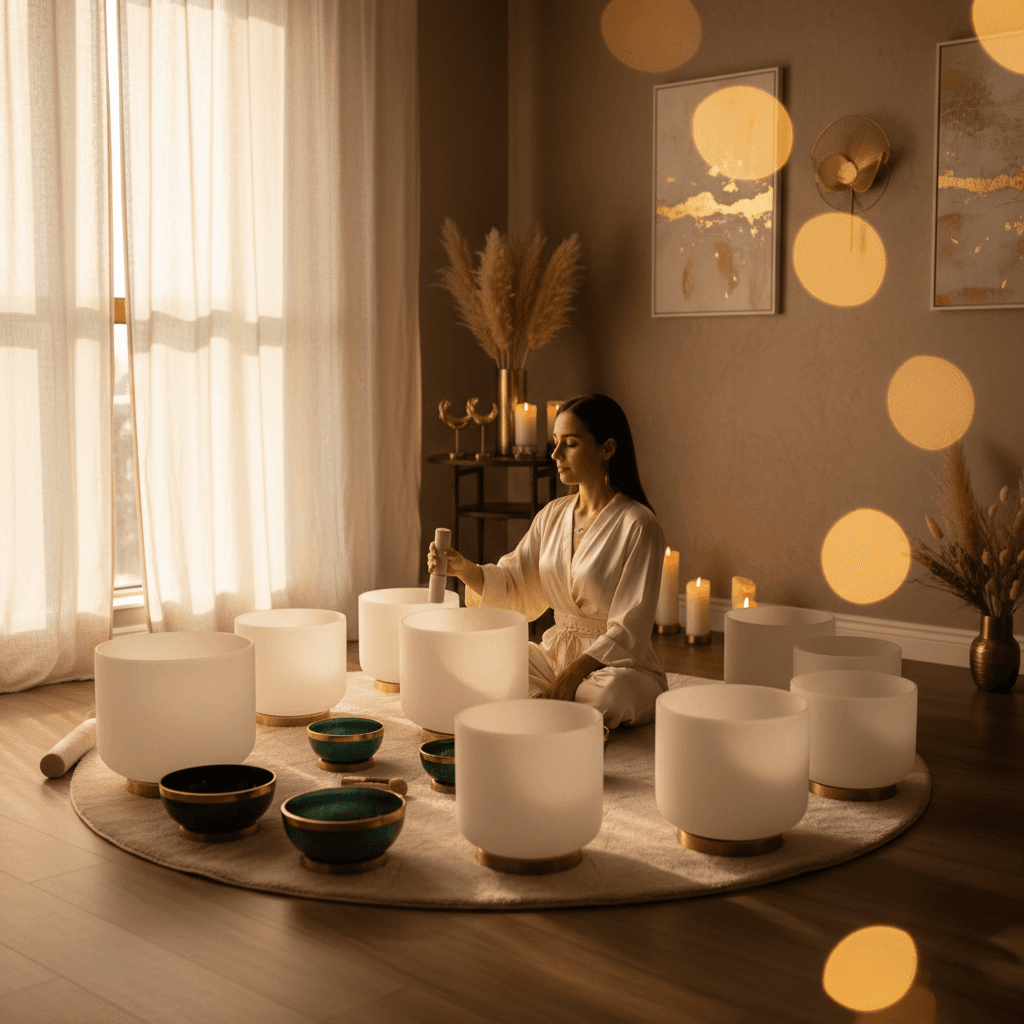
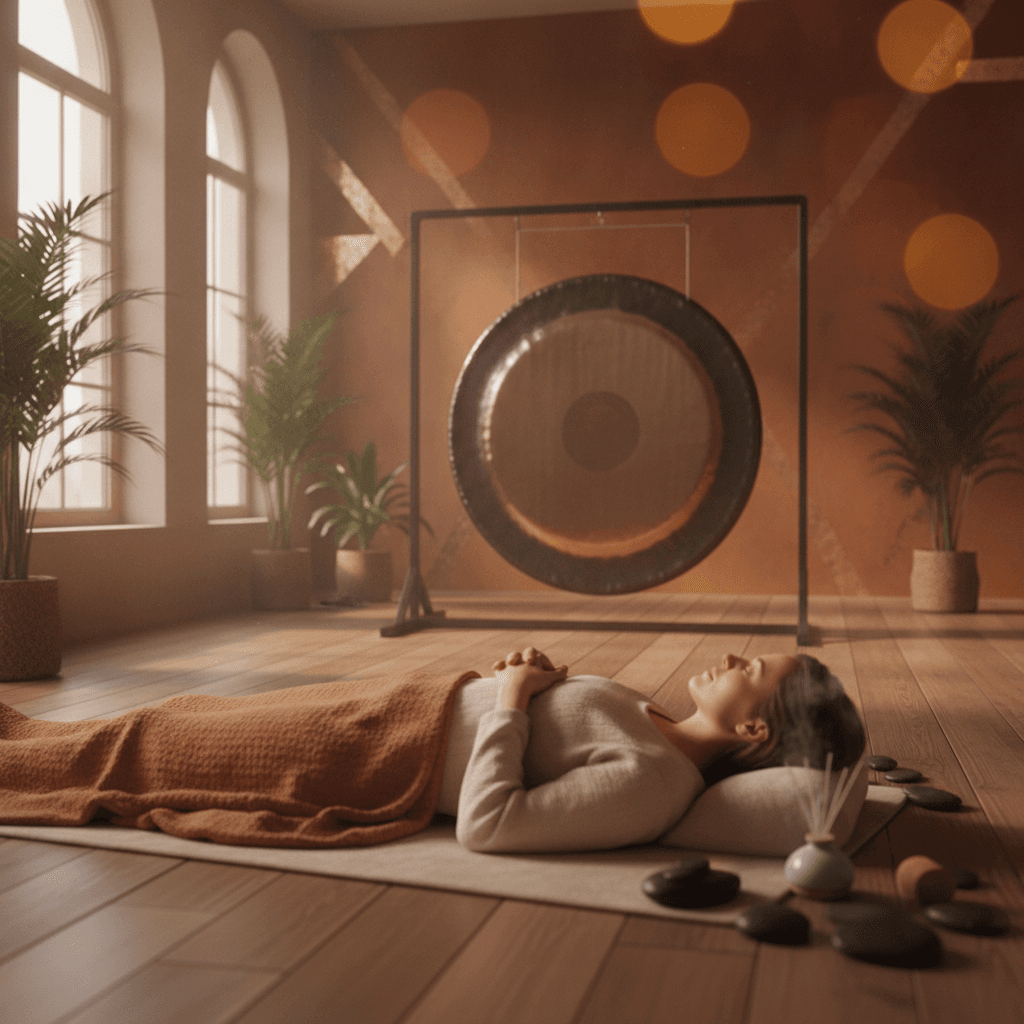
Clients lie comfortably, enveloped by the rich, resonant tones of various instruments – Himalayan singing bowls, crystal bowls, gongs, chimes, and other vibrational tools. Each instrument is chosen for its unique frequency and harmonic properties, creating a layered soundscape. You might feel the gentle vibrations of a bowl placed on your body, or the profound bass frequencies of a gong reverberating through the floor and into your bones. These sensory inputs bypass the analytical mind, speaking directly to the nervous system.
As the soundscape unfolds, many people report a gradual softening of physical tension. Muscles that were unconsciously clenched begin to release, and breathing naturally deepens and slows. This isn't just anecdotal; it is a direct manifestation of the autonomic nervous system shifting into its parasympathetic "rest and digest" mode, spurred by the calming auditory input. The mental chatter that often dominates our daily lives also begins to subside, replaced by a sense of quietude and expanded awareness.
Emotionally, individuals may experience a range of responses, from deep peace and contentment to the gentle release of stored emotions. This release is often accompanied by a profound sense of lightness and clarity. Studies, such as those by Goldsby et al. (2017), have observed improvements in self-reported mood, a reduction in tension, and enhanced overall well-being following sound meditation. The experience is designed to guide you into a state where your body's innate capacity for self-regulation and restoration can take over. It's an invitation to surrender to the present moment, allowing the harmonious vibrations to recalibrate your internal landscape, making it a powerful tool for stress management and holistic wellness.
The Soul Art Approach
At Soul Art Dubai, Larissa Steinbach brings a unique blend of scientific understanding, intuitive artistry, and a deep commitment to individual well-being to every sound healing experience. Larissa's vision for Soul Art is to create a sanctuary where the ancient wisdom of sound meets contemporary insights into neurophysiology, offering a truly transformative journey. This approach goes beyond standard sound baths, meticulously designing each session to foster profound nervous system regulation and self-discovery.
What makes the Soul Art method unique is its dedication to a personalized, intentional practice. Larissa Steinbach understands that while the science of sound is universal, each individual's response is deeply personal. She meticulously curates the soundscapes, selecting specific instruments like the grounding deep gongs, the clarifying crystal bowls, and other vibrational tools, not just for their beautiful tones but for their specific energetic and physiological effects. The environment itself is crafted to be a haven of "quiet luxury," a space where every detail, from the acoustics to the ambiance, supports deep relaxation and introspection.
Larissa guides clients to connect deeply with their internal responses, encouraging a mindful awareness of the subtle shifts occurring within their body and mind. This attentiveness enhances the therapeutic benefits, empowering individuals to take an active role in their wellness journey. By blending the profound vibrational medicine of carefully chosen instruments with a deep understanding of the brain and nervous system, Soul Art creates an experience that supports not only immediate relaxation but also long-term improvements in emotional regulation, stress resilience, and overall vitality. It is a harmonious fusion of art, science, and empathy, designed to nurture your soul through the power of sound.
Your Next Steps: Tracking Your Response to Sound Healing
To truly integrate the benefits of sound healing and make it a sustainable part of your wellness practice, actively tracking your responses is invaluable. This empowers you to understand how sound specifically impacts your unique system, allowing you to fine-tune your approach and deepen your self-awareness. Combining subjective self-assessment with objective observations can provide a comprehensive picture of your progress.
Here are actionable steps you can implement to track your journey:
- Pre- and Post-Session Journaling: Before your session, quickly jot down your current mood, energy levels, any physical tension, and your mental state (e.g., "anxious," "fatigued," "clear"). Immediately after, record changes in these same domains. You might notice heightened "Positive Mood," reduced "Anxiety," or significant "Physical Relaxation," mirroring categories explored in scientific questionnaires on altered states of consciousness. Pay attention to specific sensations like "muscles felt relaxed" or "physical tension drained from my body."
- Physiological Check-ins: Become mindful of your body's automatic functions. During and after a session, observe your breathing – is it deeper, slower, more rhythmic? Notice your heart rate; while not a precise measurement without a monitor, you might perceive a calmer, steadier rhythm. Assess muscle tension throughout your body, especially in areas prone to stress like the jaw, shoulders, and neck.
- Monitor Sleep Quality: Sound healing, by promoting parasympathetic dominance, may significantly improve sleep. Track your sleep patterns and quality in the days following a session. Note if you fall asleep more easily, experience deeper sleep, or wake feeling more refreshed. Consistent improvements can be a strong indicator of nervous system regulation.
- Observe Emotional Regulation and Resilience: Beyond immediate post-session feelings, reflect on how you navigate daily stressors. Do you feel more patient, less reactive, or better able to bounce back from challenges? These shifts in emotional resilience and improved self-regulation are key indicators of a more balanced nervous system.
- Cultivate Mindfulness and Presence: Many individuals report an increased ability to stay present and focused after sound healing. Observe if you feel more grounded, less distracted by racing thoughts, or more connected to your surroundings in your daily life. This heightened awareness can be a subtle yet profound indicator of cognitive benefits.
By consistently applying these tracking methods, you become an active participant in your sound wellness journey, gaining valuable insights into the profound, positive changes sound can bring. As you become attuned to these subtle yet significant shifts, you'll uncover how sound can powerfully support your overall well-being.
In Summary
The journey into sound healing is a profound exploration of our innate connection to vibrations, offering a scientifically-supported pathway to enhanced well-being. We've seen how sound, far from being mere auditory input, intimately interacts with our brain, influencing emotions, memory, and attention, and crucially, regulating our autonomic nervous system. From shifting brainwave patterns to fostering cellular responses, the mechanisms are intricate and deeply impactful.
By actively tracking your responses—both subjective feelings and observable physiological shifts—you empower yourself to truly understand and integrate the benefits of this ancient yet cutting-edge practice. This mindful approach transforms sound healing from a momentary escape into a sustained journey of self-discovery and nervous system regulation. At Soul Art Dubai, Larissa Steinbach meticulously crafts these experiences, blending scientific rigor with luxurious serenity, to guide you towards profound relaxation and holistic balance. Discover how intentional sound can recalibrate your inner world and support a life of greater calm and resilience.
Bookings Coming Soon
Soul Art is still in preparation. Session details and booking will be published here after launch.
Coming Soon
Wellness Disclaimer: This article is for educational and informational purposes only. It does not constitute medical advice, diagnosis, or treatment. Soul Art Dubai provides non-medical wellness experiences focused on relaxation, stress management, and general wellbeing. Sound wellness is a complementary practice and should not replace professional medical care.
Related Articles
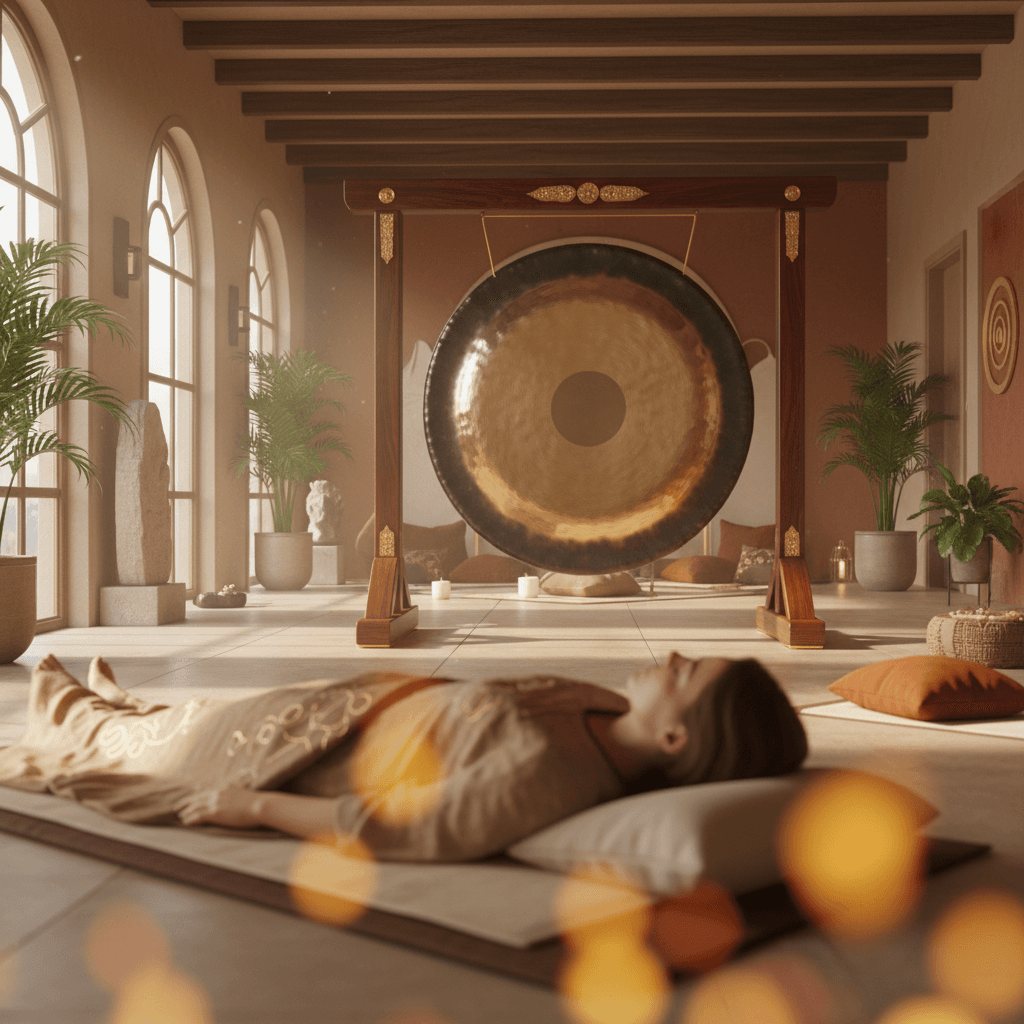
Unlock Group Harmony: The Science of Small Group Sound Baths at Soul Art
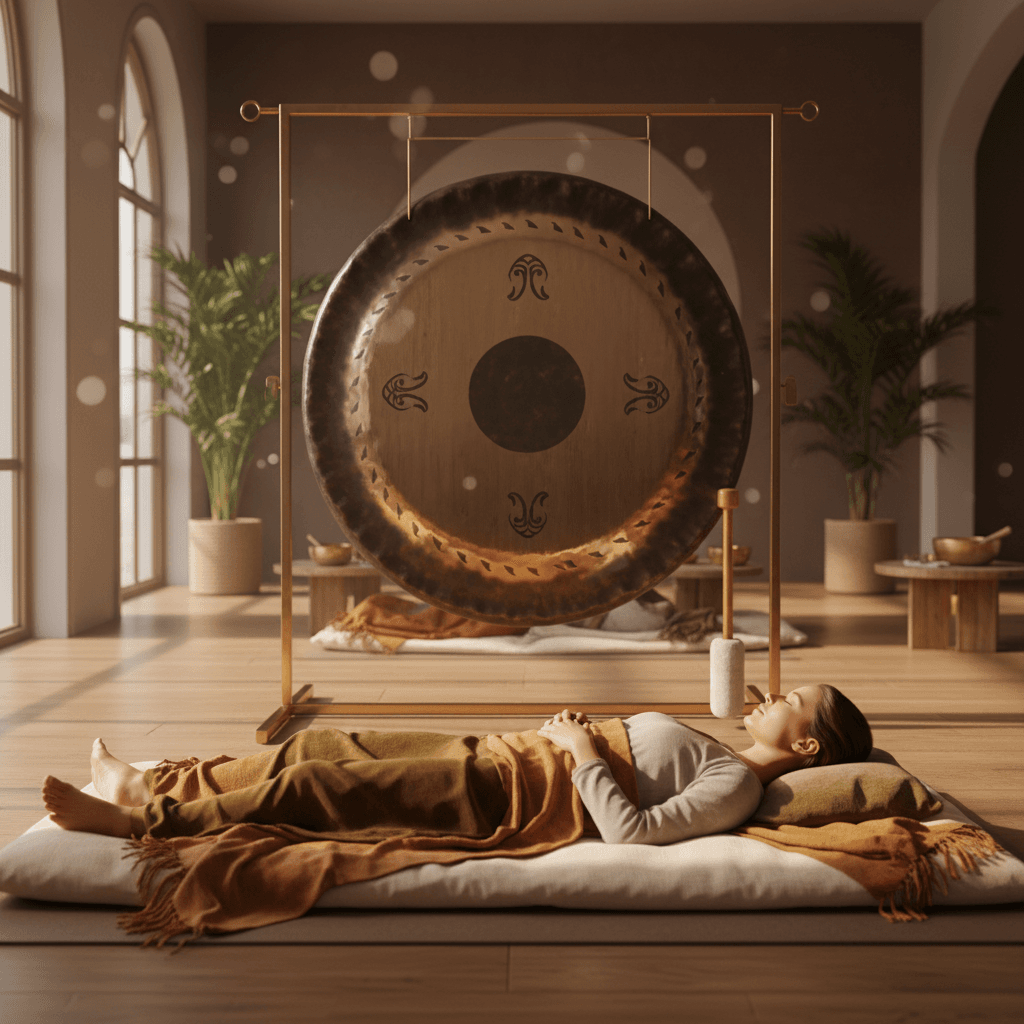
Harmonize Together: The Science of a Couples Sound Bath
Harmonizing Together: Can You Share a Sound Bath with a Friend at Soul Art?