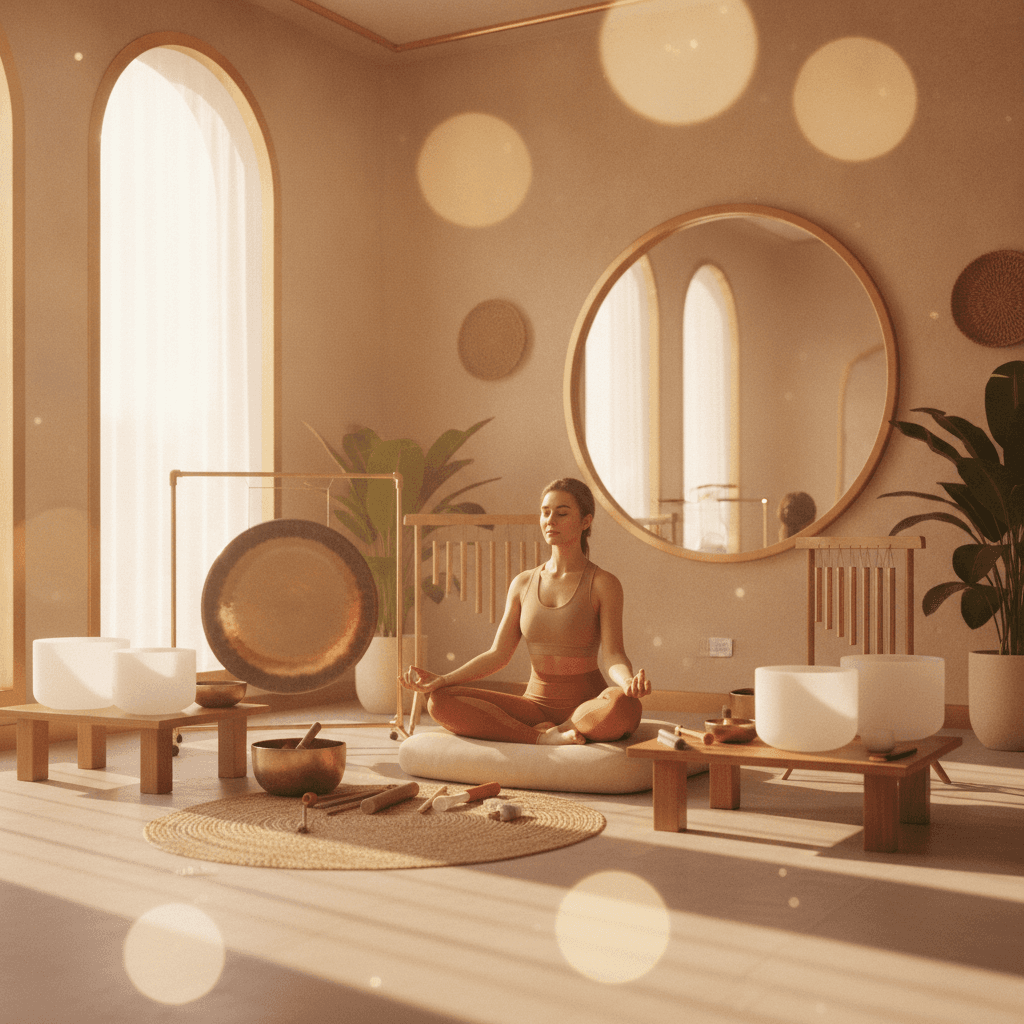
Choosing Your Sound Healer: A Guide to Vibrational Wellness
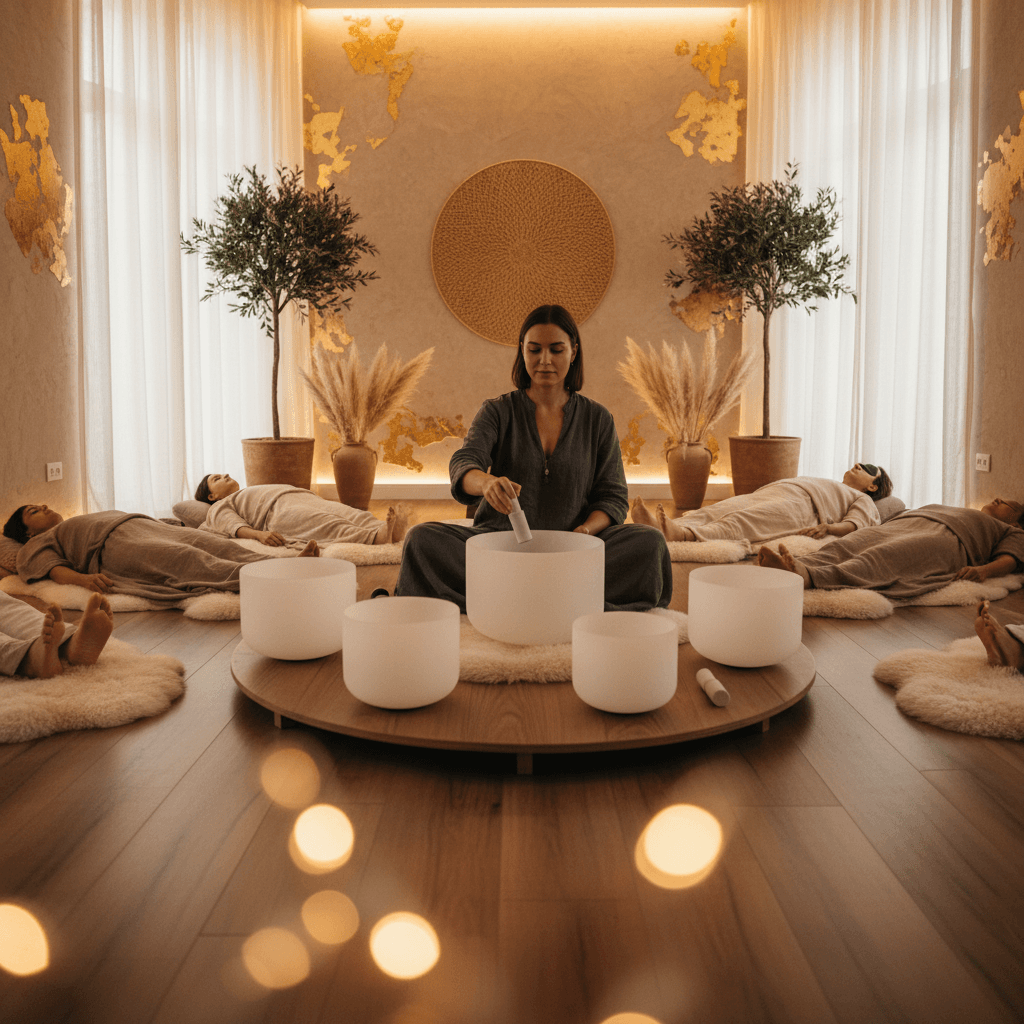
Key Insights
Unlock profound well-being by choosing the right sound healing practitioner. Learn key factors, scientific insights, and what makes Soul Art exceptional.
Have you ever considered the profound impact that sound has on your entire being, far beyond what your ears perceive? In a world saturated with constant noise and digital distractions, the ancient art of sound healing offers a sanctuary, a profound opportunity for deep rest and recalibration. It's a journey into vibrational wellness that can soothe the nervous system, quiet the mind, and restore inner harmony.
However, like any powerful wellness modality, the efficacy and safety of sound healing largely depend on the practitioner guiding your experience. Choosing the right sound healing specialist is paramount to ensuring a truly transformative, safe, and effective journey. This comprehensive guide, informed by scientific research and practical wisdom, will empower you to make an informed choice, leading you towards a more resonant and peaceful existence with Soul Art.
The Science Behind Vibrational Wellness
Sound healing is far more than just pleasant melodies; it’s a sophisticated interaction between specific frequencies and the intricate systems of the human body. Modern research is increasingly shedding light on the measurable physiological and psychological effects of these vibrational practices. Understanding this science provides a foundation for appreciating the practitioner's expertise.
Understanding Frequency and Resonance
The universe, and indeed our bodies, are vibrational. Sound healing leverages specific frequencies to encourage the body and mind to return to a state of balance through a process known as resonance and entrainment. This is not mere metaphor, but a measurable phenomenon.
Different frequencies are understood to target particular emotional and mental states. For instance, some research suggests that 528 Hz is associated with DNA repair, 396 Hz with grounding and release, and 432 Hz with calming effects, supporting relaxation and stress relief. These specific sound patterns are intentionally applied to influence cellular pathways and neurological responses. Studies show that low-frequency vibration can enhance neuronal cell differentiation and proliferation through mechanical stimulation, hinting at regenerative potential.
Sound healing instruments such as tuning forks, Tibetan singing bowls, crystal bowls, and gongs are chosen precisely for their unique vibrational signatures. These instruments create targeted sound vibrations that align with therapeutic goals. For example, in a study by Goldsby et al. (2023), Biofield Tuning Practitioners effectively used tuning forks for stress reduction in sound healing sessions, demonstrating a tangible impact on well-being.
The Body-Mind Connection: Autonomic Nervous System
The profound effects of sound healing often manifest through its interaction with our autonomic nervous system (ANS), which controls involuntary bodily functions like heart rate, breathing, and digestion. In our fast-paced lives, the sympathetic nervous system (our "fight or flight" response) is often overactive, leading to chronic stress, anxiety, and tension.
Sound vibrations can gently guide the body into a parasympathetic state, activating the "rest and digest" response. This shift promotes deep relaxation, lowers heart rate and blood pressure, and quiets the racing mind. The therapeutic vibrations and auditory input provide a focused task for the brain, helping to quiet incessant thoughts and foster a sense of calm. This is why sound therapy has demonstrated benefits for mood enhancement, stress reduction, and relaxation.
Preliminary studies indicate that sound therapy may also be beneficial for those experiencing stress, anxiety, and even symptoms associated with PTSD, though it is always considered a complementary approach within an overall treatment plan. This integration of ancient wisdom with applied nervous system science is a hallmark of truly effective sound healing.
Safety and Efficacy: What Research Says
While sound healing is an ancient practice, rigorous clinical trials exploring its mechanisms and optimizing protocols are still evolving. However, a growing body of evidence, though often from smaller studies, points to significant potential benefits and a favorable safety profile.
Most research indicates minimal adverse effects in published trials. However, practitioners must maintain awareness of potential contraindications and conduct thorough patient assessments. These may include individuals with:
- Epilepsy (requires careful evaluation and monitoring)
- Implanted medical devices like pacemakers (some reports of malfunction, though clinical evidence is limited)
- Pregnancy (may require modified protocols)
- Certain psychiatric conditions (requires individualized assessment)
- Children (some concerns about hearing damage, though limited evidence)
It is critical to remember that sound healing is a complementary wellness practice and not a standalone cure for medical conditions. It supports the body’s innate ability to relax and restore balance, but should always be used in conjunction with other peer-reviewed treatments under medical guidance where appropriate. This ethical framing is a key indicator of a professional practitioner.
The Art of Facilitation: What to Expect
Beyond the science, the actual experience of a sound healing session is deeply personal and largely shaped by the practitioner's skill and presence. It's about more than just playing instruments; it's about creating a safe, intentional space for transformation.
The Practitioner's Role: Beyond Instrument Play
A truly effective sound healing practitioner is not merely a musician but a facilitator of profound experiences. They possess exceptional listening skills, not just to the sounds they produce, but to how sound feels and moves through the space, how it interacts with breath, and how clients respond. This sensitivity and presence are cultivated through dedicated practice and training.
Their role involves demonstrating professional presence, regulation, and leadership. They understand the principles of resonance, entrainment, and harmonic relationship, integrating this knowledge with an applied understanding of the nervous system. This allows them to facilitate regulated, structured experiences rather than just "playing sound." They will guide you with clarity and ethical awareness, ensuring a supportive and safe environment.
A Holistic Experience: Instruments and Techniques
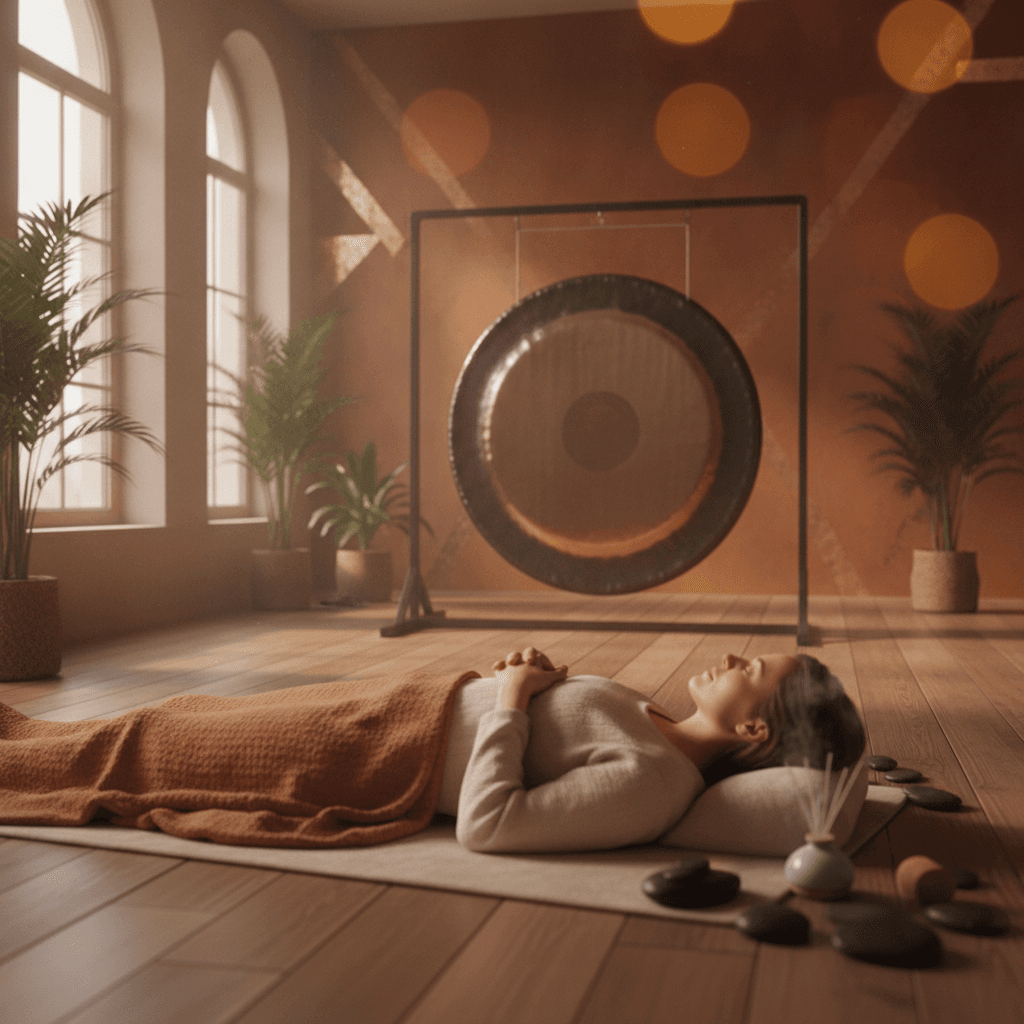
During a session, you might experience a variety of instruments, each carefully chosen for its unique vibrational quality. The deep, resonant tones of gongs can create a full-body sonic immersion, while the pure, sustained notes of crystal singing bowls can induce states of deep meditative calm. Tuning forks, often placed directly on the body, offer precise vibrational input.
The beauty of sound therapy is that its benefits are not solely reliant on auditory perception. When vibrations are involved, your body also benefits from the sound waves it receives through the skin. This vibroacoustic experience can be deeply soothing and impactful, helping to release physical tension and promote cellular relaxation. Many people report feeling these vibrations gently move through their body, creating a sense of release and peace.
Navigating Emotional Responses
Sound healing can evoke strong emotional responses, sometimes leading to profound catharsis. While this can be a beneficial release, without professional guidance, intense emotional responses can be overwhelming or even detrimental to emotional health. A skilled practitioner is trained to recognize common participant responses and remain grounded within their ethical scope.
Individuals experiencing heightened vulnerability, such as those in addiction recovery or living with PTSD, require particular care and an individualized approach. A qualified practitioner will conduct a thorough assessment of each client’s health and emotional state before sessions. This pre-session evaluation ensures that the approach is tailored to safely meet individual needs, providing a supportive container for any emotional processing that may arise.
How to Choose Your Sound Healing Practitioner
Selecting the right sound healing practitioner is a critical step in ensuring your journey into vibrational wellness is safe, effective, and deeply enriching. With the growing popularity of sound healing, it’s important to know what distinguishes a truly qualified and ethical guide.
Credentials and Training
One of the most crucial factors is the practitioner's formal training and certification. While the field isn't regulated by one central board, reputable professional associations set voluntary standards. Look for practitioners who have:
- Formal Training: Seek out those with rigorous and verified modern sound healing training from research-based institutions or established academies. This might include certifications from organizations like the International Sound Therapy Association (ISTA), which recommends around 200 hours of training, or programs like the Sound Healing Academy and SoundEmbrace Institute.
- Comprehensive Curriculum: Ensure their training covers sound theory, how to work with various instruments, and, crucially, how to run a session with ethical considerations. This should include an understanding of stress physiology, autonomic regulation, historical frameworks, and contemporary research perspectives.
- Distinction from Clinical Music Therapy: A skilled sound healing practitioner understands the difference between sound healing (a wellness practice) and clinical music therapy (a regulated healthcare profession). They will clarify their scope of practice, ensuring they do not overclaim or attempt to provide medical advice.
Larissa Steinbach, founder of Soul Art, emphasizes training that integrates scientific grounding with experiential wisdom, ensuring practitioners are equipped to facilitate regulated and structured experiences.
Experience and Specialization
Experience translates into the ability to tailor sessions effectively to individual needs. Practitioners with years in the field are better prepared to address diverse client profiles and particular sensitivities.
- Customized Sessions: An experienced practitioner can adjust instrument choices, frequencies, and session flow based on your unique energy, mood, and any specific intentions or concerns you bring. They understand that what works for one person may not work for another.
- Sensitivity to Vulnerability: For clients with specific sensitivities, such as those in addiction recovery or individuals with PTSD, an experienced practitioner is better equipped to create a safe and supportive environment. They will understand the potential for strong emotional responses and how to manage them with care and professionalism. They know that sound healing is a powerful complementary approach, especially for complex conditions, stress, anxiety, and palliative care.
Client-Centered Approach and Ethical Practice
A professional practitioner prioritizes your well-being above all else. This means a commitment to thorough assessment and clear communication.
- Thorough Assessment: Before any session, a qualified practitioner will conduct a proper assessment of your health history, current emotional state, and any potential contraindications. This ensures that the session is tailored to your needs and is as safe as possible.
- Clear Scope of Practice: They will clearly articulate what sound healing can and cannot do. They will not make unsubstantiated claims of "curing" or "treating" medical conditions. Instead, they will frame sound healing as a supportive wellness practice for relaxation, stress management, mood enhancement, and overall well-being.
- Professional Boundaries: Practitioners should be able to speak about their work without overclaiming, maintaining language that reflects both integrity and clarity. They contribute to the maturation of the field by upholding high ethical standards.
The Importance of Connection
Beyond credentials, trust your intuition. A practitioner's energy, presence, and ability to create a comfortable and safe space are invaluable. You should feel a sense of ease and connection, a feeling that you are truly heard and understood. This personal rapport often enhances the therapeutic benefits of the sound experience.
"Choosing your sound healing guide is akin to selecting a skilled artisan for a delicate craft. Their hands, their knowledge, and their presence shape the very essence of your experience, weaving vibrations into a tapestry of deep healing and profound peace."
The Soul Art Difference: Larissa Steinbach's Vision
At Soul Art, Dubai's premier sound wellness studio, Larissa Steinbach has meticulously curated an experience that embodies the highest standards of sound healing practice. Larissa's vision is rooted in a blend of ancient wisdom, cutting-edge science, and a deeply client-centered approach. The Soul Art method is not just about the instruments; it's about the conscious facilitation of transformation.
Our practitioners, under Larissa's guidance, are trained to understand the intricate interplay between sound frequencies and the human nervous system. We integrate applied nervous system science, historical context, and ethical scope, ensuring every session is both profoundly relaxing and responsibly facilitated. This unique blend allows us to go beyond merely "playing sound" to truly understanding its impact on the body and mind.
At Soul Art, we prioritize individualized assessment, ensuring that each session is thoughtfully tailored to your specific needs and sensitivities. Our serene environment, coupled with the expertise of our certified practitioners, creates a sanctuary where you can truly let go, restoring balance and discovering inner harmony. We believe in elevating the field of sound healing by preparing practitioners who lead with confidence, professionalism, and a genuine commitment to your well-being, making Soul Art a trusted name in vibrational wellness.
Empowering Your Wellness Journey
Embarking on a sound healing journey is a powerful act of self-care. By taking the time to choose your practitioner wisely, you are investing in a deeper, more meaningful experience that aligns with your personal wellness goals.
Here are your next steps to finding your ideal sound healing guide:
- Research and Inquire: Don't hesitate to ask about a practitioner's training, certifications, and experience. A reputable practitioner will be transparent and happy to share this information.
- Read Reviews and Testimonials: Client feedback can offer valuable insights into a practitioner's approach, effectiveness, and the overall experience they provide.
- Trust Your Gut Feeling: After your research, listen to your intuition. A sense of comfort and trust with a practitioner is a strong indicator of a positive connection.
- Prioritize Safety and Ethics: Always ensure the practitioner conducts thorough intake assessments and adheres to ethical guidelines, especially concerning contraindications and their scope of practice.
With these considerations in mind, you are well-equipped to find a sound healing practitioner who can guide you toward profound relaxation, emotional balance, and enhanced well-being.
In Summary: Harmonizing Your Path to Well-being
Choosing the right sound healing practitioner is fundamental to unlocking the full potential of this powerful wellness modality. It requires an understanding of the scientific principles underpinning sound, a recognition of the practitioner's crucial role in facilitation, and a commitment to ethical, client-centered care. From precise frequencies that influence the nervous system to the vibrational touch of instruments, sound healing offers a unique path to profound relaxation and inner peace.
By prioritizing credentials, experience, and a practitioner's intuitive presence, you empower yourself to navigate the world of vibrational wellness with confidence. At Soul Art, Larissa Steinbach and her team are dedicated to providing a scientifically-informed, deeply empathetic, and exquisitely luxurious sound healing experience. We invite you to discover the transformative power of expertly guided sound, harmonizing your journey towards holistic well-being.
Bookings Coming Soon
Soul Art is still in preparation. Session details and booking will be published here after launch.
Coming Soon
Wellness Disclaimer: This article is for educational and informational purposes only. It does not constitute medical advice, diagnosis, or treatment. Soul Art Dubai provides non-medical wellness experiences focused on relaxation, stress management, and general wellbeing. Sound wellness is a complementary practice and should not replace professional medical care.
Related Articles
Unlock Group Harmony: The Science of Small Group Sound Baths at Soul Art
Harmonize Together: The Science of a Couples Sound Bath
Harmonizing Together: Can You Share a Sound Bath with a Friend at Soul Art?