How Often for Optimal Sound Healing Benefits?
Key Insights
Discover the science behind sound healing frequency and how often you should engage in sound baths for profound well-being at Soul Art Dubai.
Have you ever wondered if there's an optimal "dose" for profound relaxation, mental clarity, and physical ease? In our fast-paced world, finding effective pathways to self-care is more crucial than ever. Sound healing, an ancient practice now gaining significant contemporary interest, offers a unique avenue for well-being.
At Soul Art, Dubai's premier sound wellness studio, we often receive the question: "How often should I do sound healing to truly feel the benefits?" It’s a thoughtful query that speaks to a desire for intentional self-care, moving beyond sporadic engagement to integrate meaningful practices into daily life.
This article delves into the scientific understanding of sound healing, exploring the mechanisms behind its reported benefits and providing guidance on how to integrate it effectively into your personal wellness journey. We will examine what current research suggests about frequency and consistency, helping you understand how to harness the power of sound for sustained well-being. Join us as we explore the rhythm of renewal, guided by the expertise of Soul Art's founder, Larissa Steinbach.
The Science Explained: Unlocking Sound's Potential
The burgeoning field of sound wellness is increasingly supported by scientific inquiry, moving beyond anecdotal evidence to explore the profound physiological and neurological effects of sound. Researchers are actively investigating how various frequencies and vibrations interact with the human body, uncovering mechanisms that may contribute to deep relaxation and enhanced well-being. The current research landscape is promising, revealing how this ancient practice can create measurable changes in our brains and bodies.
Vibrational Tactile Effects and Pain Perception
One prominent theory suggests that sound works through direct vibrational tactile effects on the entire body. These vibrations may stimulate touch fibers that influence our perception of pain. For instance, a study involving individuals with fibromyalgia demonstrated that ten treatments of low-frequency sound stimulation, administered twice weekly for five weeks, led to improvements in sleep and a reduction in pain. Notably, nearly three-fourths of participants in this study were able to decrease their pain medication.
Beyond fibromyalgia, sound-based vibration treatment has been associated with supporting individuals experiencing various forms of discomfort. This includes pain associated with arthritis, menstrual discomfort, postoperative recovery, and knee replacement rehabilitation. Preliminary research also suggests that sound-based treatments may help improve mobility, reduce muscle pain and stiffness, enhance blood circulation, and contribute to lower blood pressure. While science continues to deepen its understanding of these intricate processes, the evidence supporting sound's role in physical comfort and relaxation is compelling.
Brainwave Entrainment and Neurological Shifts
A significant aspect of sound healing’s efficacy lies in its ability to influence brainwave patterns, a phenomenon known as brainwave entrainment. Recent breakthrough studies utilizing EEG technology have shown that exposure to the frequencies produced by instruments like singing bowls and gongs can transform brain activity within minutes. The brain may shift from agitated wave patterns, often associated with stress (beta waves), to exceptionally calm wave forms linked with profound relaxation and healing.
During sound healing sessions, the brain can move through distinct frequency bands:
- Delta Waves (0.5-4 Hz): These represent the deepest states of relaxation and restorative healing, similar to deep sleep. EEG studies examining singing bowls have identified distinct changes in delta brain activity, promoting profound restoration.
- Theta Waves (4-8 Hz): Associated with creativity, emotional processing, and meditative states. Research indicates that the brain can transition from normal, agitated states to deeply relaxed theta states during sound healing.
- Alpha Waves (8-14 Hz): Linked to calm alertness, often experienced during meditation or when quietly reflective. Low-frequency sounds are observed to increase alpha wave production, which correlates with relaxation and enhanced creative thinking.
These brainwave shifts suggest a profound neurological impact, moving the brain into states conducive to rest, repair, and creative insights.
Vagus Nerve Stimulation and the Parasympathetic System
The vagus nerve, a crucial component of the nervous system, plays a significant role in regulating internal organ functions, including digestion, heart rate, and respiratory rate. Stimulating the vagus nerve, which can be done through specific frequencies, holds a number of reported healing benefits. Engaging frequencies, sometimes even those of one's own voice, has been suggested to activate this vital nerve.
Activation of the vagus nerve is linked to triggering the body's parasympathetic nervous system, often referred to as the "rest, digest, and restore" mode. In this mode, the body may initiate its natural healing response, reducing distress and promoting a sense of calm. Studies have associated vagal stimulation with a range of positive outcomes, including reduced high blood pressure and improved mood. For instance, a 2018 study reported an 81 percent reduction in stress-induced blood pressure changes among participants who regularly performed a vagal stimulation technique for three months. Other research suggests that vagus nerve stimulation may increase neurogenesis—the formation of new brain cells—in the hippocampus, a brain region vital for learning and memory.
Mood Enhancement and Stress Reduction
A review of 400 published scientific articles on music as medicine found strong evidence that music has mental and physical health benefits, particularly in improving mood and reducing stress. Rhythm, in particular, may offer physical pain relief beyond mere melody. An hour-long sound meditation, using instruments like Tibetan singing bowls, crystal singing bowls, and gongs, has been found to help individuals reduce tension, anger, fatigue, anxiety, and depression. Participants in one study, whether new to sound meditation or experienced, reported significantly less tension and anxiety afterward, along with an increased sense of spiritual well-being.
The process of sound meditation can serve as a gentle yet engaging task for the brain, helping to quiet incessant thoughts, lower heart rate, and reduce blood pressure. This focused listening helps to create a state of relaxation, potentially reducing stress hormones that can exacerbate feelings of pain and anxiety. It’s important to note that while specific frequencies are often discussed in wellness circles, the calming effects of sound therapy can often be achieved with a wide range of tones, rhythms, and instruments, emphasizing the role of the listener's intention and emotional engagement.
"The true magic of sound healing isn't in a mystical frequency, but in the profound ability of resonant vibrations to guide our minds and bodies back to a state of peace and equilibrium."
How It Works in Practice: Experiencing the Frequencies
Understanding the science behind sound healing helps to demystify the experience, grounding it in physiological and neurological realities. In practice, a sound healing session, often referred to as a "sound bath," is a deeply immersive experience where participants are enveloped in therapeutic sound waves. It’s a passive form of meditation where you simply lie back, relax, and allow the vibrations to wash over you. The term "sound bath" accurately describes this feeling of sound waves permeating the body, creating a unique sensory journey.
The Immersive Sensory Experience
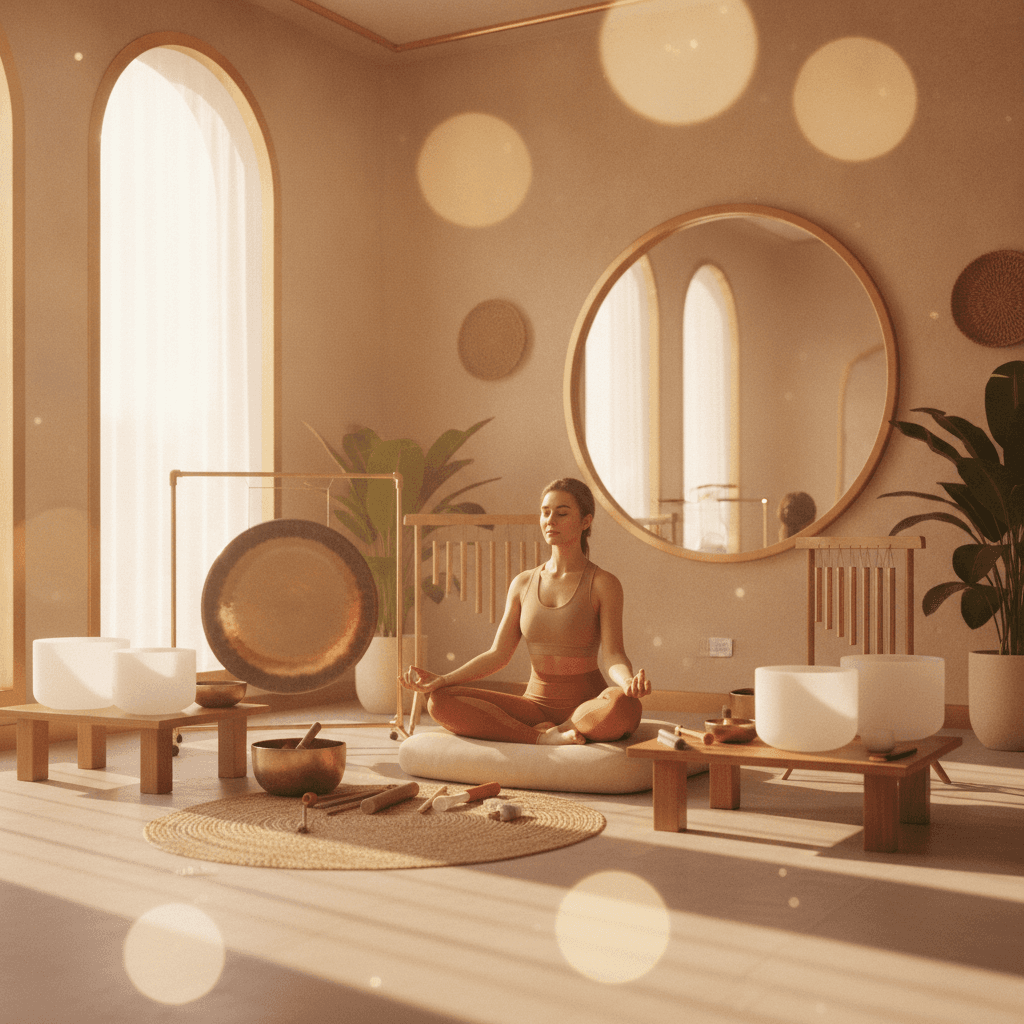
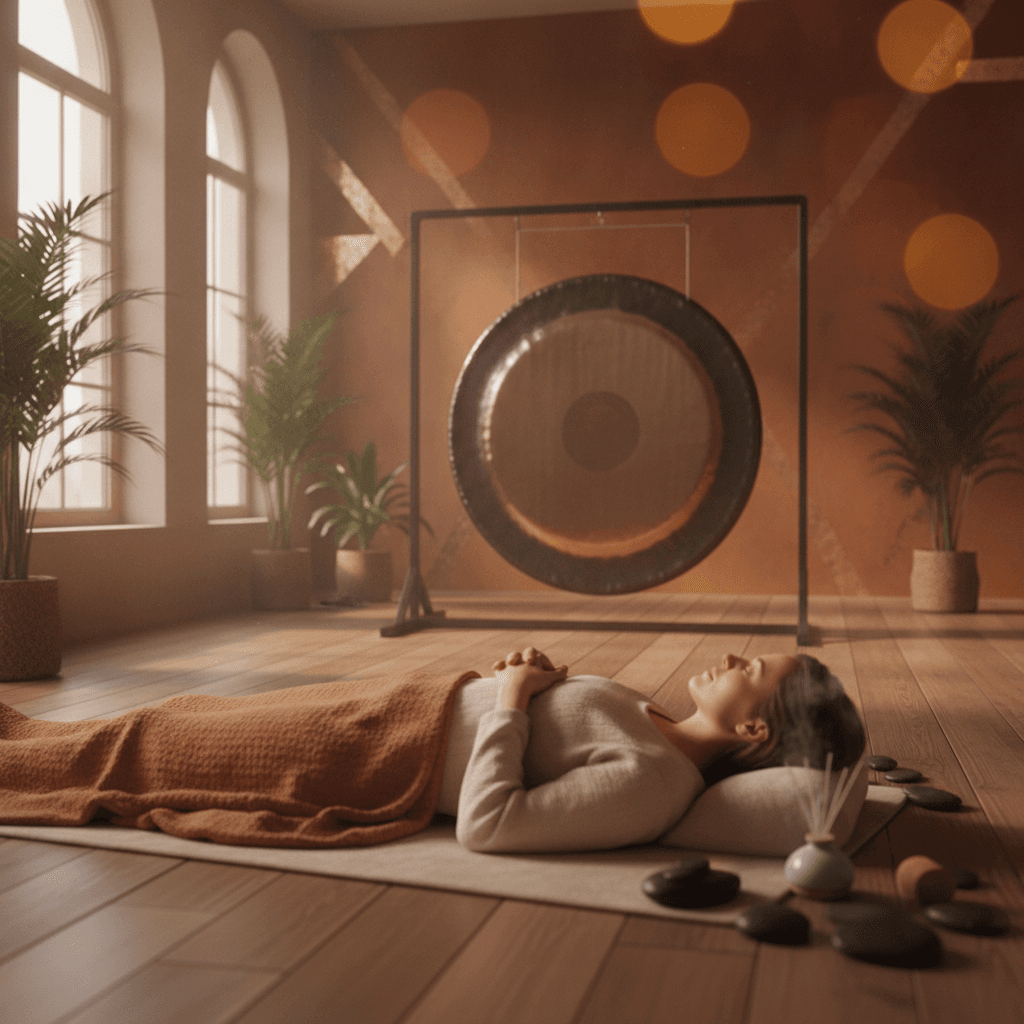
During a session at Soul Art, clients recline comfortably, often on a yoga mat or blanket, in a tranquil environment. The practitioner, like Larissa Steinbach, then uses a variety of instruments to create a rich tapestry of sound. These instruments typically include Tibetan singing bowls, crystal singing bowls, gongs, chimes, and sometimes even didgeridoos. Each instrument produces distinct frequencies and overtones that resonate differently with the body.
The sounds are not merely heard; they are often felt as subtle vibrations permeating through the body. This whole-body vibration is a key element, engaging not just the auditory system but also the tactile senses. As the session progresses, the sounds create a profound sense of calm, guiding the mind into deeper states of relaxation. Many clients describe feeling a sense of release, as if tension is gently melting away with each resonant tone.
From Theory to Lived Experience
Connecting the scientific understanding to the lived experience, the brainwave shifts discussed earlier become palpable. As the session begins, the mind, often busy with daily thoughts (beta waves), gradually settles. The soothing frequencies encourage a transition to alpha waves, promoting calm alertness. Further into the session, the brain may enter theta states, allowing for creativity, emotional processing, and deep relaxation. For some, the experience can lead to delta wave states, akin to profound, restorative sleep, even while remaining consciously aware.
The activation of the parasympathetic nervous system is often experienced as a distinct sense of peace. The heart rate may slow, breathing deepens, and muscles relax. This physiological shift is why many people report a significant reduction in stress, anxiety, and an improvement in overall mood after a sound bath. It’s not simply about listening to pleasant sounds; it’s about allowing the body’s innate healing mechanisms to activate in response to targeted vibrational stimuli. The intention of the listener, coupled with the expertly guided soundscape, creates a powerful environment for self-regulation and profound inner calm.
The Soul Art Approach: Intentional Sound Wellness with Larissa Steinbach
At Soul Art, Larissa Steinbach has cultivated a unique approach to sound wellness, blending ancient wisdom with contemporary understanding to create deeply transformative experiences. Her method is rooted in the belief that true well-being emerges from harmonizing the mind, body, and spirit, and that sound is a powerful conduit for this integration. The Soul Art experience is meticulously crafted, ensuring each session is not just a listening experience, but a journey into profound self-discovery and restoration.
Larissa's expertise lies in her intuitive understanding of how different sounds and frequencies interact with individual energy fields. She selects and plays instruments with specific intentions, guiding participants into optimal states for relaxation and healing. The environment at Soul Art is designed to enhance this immersion, featuring serene aesthetics and a calming ambiance that prepares the body and mind for deep receptivity.
Larissa's Curated Soundscapes
What makes the Soul Art method particularly unique is Larissa Steinbach's thoughtful curation of soundscapes. She employs a diverse array of instruments, each chosen for its distinct vibrational quality and ability to resonate with different aspects of the being. These often include:
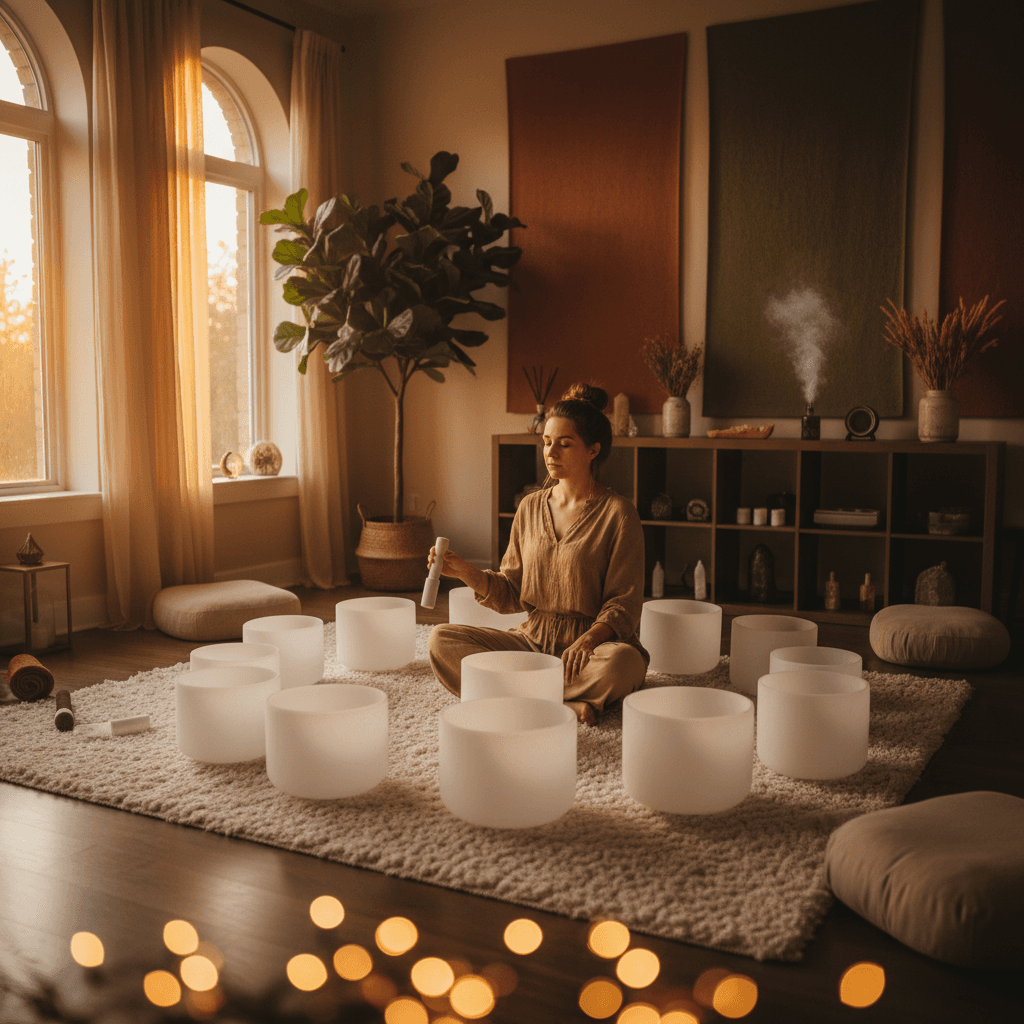
- Large Himalayan (Tibetan) Singing Bowls: Known for their rich, earthy tones and profound somatic vibrations that can be felt deeply within the body, fostering a sense of grounding and release.
- Crystal Singing Bowls: Valued for their pure, resonant frequencies and ethereal qualities, which are believed to align with various energy centers and promote clarity and expansiveness.
- Gongs: Utilized for their powerful, enveloping sounds that can create an immersive vibrational field, facilitating deep surrender and release of tension.
- Chimes and Other Percussion: Adding layers of delicate, high-frequency sounds that can stimulate the mind and bring a sense of lightness and presence.
Larissa meticulously orchestrates these instruments, creating a dynamic flow of sound that gently guides participants through different states of consciousness. The intention behind each note and resonance is paramount, aiming to create a space where individuals can reconnect with their inner calm and resilience.
Beyond the Frequencies: Intention and Presence
While the science of frequencies and brainwave states provides a valuable framework, Larissa Steinbach emphasizes that the efficacy of sound healing at Soul Art extends beyond precise Hertz measurements. As some research suggests, the listener’s intention, emotional engagement, and the context of the sound experience are profoundly significant. The calming effects of sound wellness can be achieved with a wide spectrum of tones and rhythms.
At Soul Art, the focus is on creating a safe, present, and resonant environment where participants feel secure enough to let go. It's about deep listening, not just with the ears, but with the entire body. Larissa's skilled facilitation ensures that each session fosters a sense of safety and presence, allowing the nervous system to relax and the body’s natural healing response to activate. This holistic approach ensures that every sound bath is a deeply personalized and impactful wellness journey.
Your Next Steps: Integrating Sound Healing into Your Life
So, how often should you do sound healing to truly reap its rewards? While there's no universally prescribed frequency, the scientific insights point towards consistency being key. Just as regular exercise strengthens your body or consistent meditation calms your mind, regular engagement with sound wellness can build resilience and deepen your capacity for relaxation.
Research, such as the study on fibromyalgia patients needing ongoing sound therapy to sustain benefits, or the insights into binaural beats suggesting consistent listening for cognitive improvements, highlights the importance of incorporating sound healing as a consistent self-care practice. It's about creating a cumulative effect, allowing your body and mind to learn and adapt to these states of deep relaxation and restoration.
Here are some practical suggestions for integrating sound healing into your routine:
- Start with a foundational commitment: Consider committing to weekly or bi-weekly sessions initially. This regular exposure can help your body and mind attune to the healing frequencies and build a baseline of calm. Many people report significant shifts in their overall well-being with this level of consistency.
- Listen to your body's signals: Pay attention to how you feel between sessions. If stress levels are rising, sleep is disrupted, or you're experiencing increased tension, it might be a good indicator that you could benefit from another sound bath sooner rather than later. Sound healing is a responsive practice.
- Complement with at-home practices: While live sound baths offer a uniquely immersive experience, incorporating short sound meditations or listening to calming ambient tones at home can help sustain the benefits. This acts as a gentle reinforcement, keeping your nervous system in a more balanced state.
- Consider your wellness goals: If you're working on specific areas like stress reduction, improved sleep, or managing mild anxiety, a more frequent practice (e.g., weekly) may be more beneficial. For general maintenance and deeper relaxation, monthly sessions can also be highly effective.
- Embrace it as a holistic lifestyle choice: View sound healing not as a one-off treatment, but as an integral part of your holistic wellness strategy. Alongside nutrition, movement, and mindfulness, sound baths contribute to a well-rounded approach to self-care, supporting your overall vitality and mental clarity.
The journey to profound well-being is a personal one, and the ideal frequency for sound healing will vary for each individual. The most important thing is to start, observe, and adjust based on your needs and the profound sense of peace and restoration you discover.
Bookings Coming Soon
Soul Art is still in preparation. Session details and booking will be published here after launch.
Coming Soon
In Summary
Sound healing is a powerful wellness practice, increasingly validated by scientific research into its effects on brainwaves, the nervous system, and overall physiological well-being. From reducing stress and enhancing mood to potentially alleviating pain and improving circulation, the benefits are diverse and compelling. Consistency in practice, as highlighted by various studies, appears to be a key factor in maximizing and sustaining these positive outcomes.
At Soul Art, Larissa Steinbach expertly guides participants through immersive sound experiences, leveraging a unique blend of instruments and intention to foster deep relaxation and inner harmony. Embracing sound healing as a regular part of your self-care routine can contribute significantly to a more balanced and vibrant life. We invite you to explore the transformative power of sound and discover your optimal rhythm for well-being at Soul Art Dubai.
Wellness Disclaimer: This article is for educational and informational purposes only. It does not constitute medical advice, diagnosis, or treatment. Soul Art Dubai provides non-medical wellness experiences focused on relaxation, stress management, and general wellbeing. Sound wellness is a complementary practice and should not replace professional medical care.
Related Articles
Unlock Group Harmony: The Science of Small Group Sound Baths at Soul Art
Harmonize Together: The Science of a Couples Sound Bath
Harmonizing Together: Can You Share a Sound Bath with a Friend at Soul Art?