Grief, Family, and Shared Sound Rituals: A Path to Healing

Key Insights
Explore how shared sound rituals, guided by Larissa Steinbach at Soul Art Dubai, offer families a profound way to process grief, foster connection, and find solace through scientifically-backed wellness practices.
The profound impact of loss leaves an indelible mark on individuals and families, often creating a landscape of complex emotions that can feel isolating and overwhelming. How do we navigate the intricate tapestry of grief, especially when it reverberates through the delicate dynamics of family relationships? For centuries, across diverse cultures, humanity has instinctively turned to shared rituals as a guiding light through the darkness of bereavement.
These ancient practices, often seen as mere tradition, are now increasingly recognized by science as powerful catalysts for emotional processing, communal bonding, and psychological healing. This article delves into the crucial role of shared rituals in navigating grief within families, exploring the deep scientific underpinnings that make them so effective. We will illuminate how sound wellness, as championed by Larissa Steinbach at Soul Art Dubai, offers a contemporary yet deeply resonant approach to creating meaningful shared sound rituals that support healing and foster enduring connection during times of profound loss.
The Science Explained: Rituals as Architects of Healing
Grief is not merely an emotional state; it is a complex physiological and psychological process that requires acknowledgment, expression, and integration. Research consistently highlights the vital role of rituals in facilitating this journey, providing a structured framework for navigating the often-chaotic landscape of loss. Far from being passive observances, rituals are active engagements that tap into our innate needs for meaning, connection, and emotional release.
Facilitating Emotional Processing and Catharsis
One of the primary functions of grief rituals is to provide a sanctioned space for emotional processing, allowing individuals to navigate their grief in a healthy and supported manner. The act of participating in rituals offers a powerful opportunity for catharsis, enabling mourners to release pent-up emotions such as sadness, anger, or confusion. As noted by Stroebe et al. (2008), rituals create a structured environment where these often overwhelming feelings can be acknowledged and expressed.
Doka (2002) further highlights that individuals who engage in rituals during bereavement often report feeling a greater sense of closure and emotional relief. This structured space helps individuals transition from the immediate shock of loss to a more integrated understanding of their emotions, which is crucial for psychological healing and adjusting to life without the deceased. By providing a container for grief expression, rituals act as a bridge towards acceptance and renewed equilibrium.
Strengthening Communal Bonds and Social Cohesion
Grief, while intensely personal, can also be a profoundly collective experience, particularly within family units. Rituals are instrumental in fostering social cohesion and strengthening communal bonds during times of loss. In collectivist societies, often found in many Asian cultures, grief is frequently experienced and expressed communally, with extended periods of public mourning where family and community members come together for shared rituals (Zhang et al., 2017). These communal expressions reinforce social ties and provide a collective space for processing loss, significantly impacting individual grieving processes.
Conversely, Western cultures may sometimes emphasize more individualized approaches to grief, which can inadvertently lead to feelings of isolation. However, even within these contexts, rituals emphasizing shared mourning create a sense of solidarity and mutual support. Research has shown that group therapy settings where participants created and shared personal remembrance rituals fostered a supportive environment for collective grieving, enhancing individual healing and strengthening communal bonds (Doka, 2002). This shared experience validates individual grief journeys and offers inspiration for navigating loss.
"Rituals transform individual grief into a collective healing journey, reinforcing communal values and emotional bonds, and affirming that no one should face sorrow alone."
The Psychological Benefits of Family Rituals
Beyond the immediate context of death, family rituals, in general, play a critical role in fostering well-being and resilience. Research on family rituals and subjective well-being among Chinese college students, for instance, revealed a significant positive correlation between the meaning and enactment of family rituals, family system cohesion and adaptability, and overall subjective well-being (PMC, 2019). Individuals with closer family relationships, often nurtured through shared rituals, tend to exhibit greater trust in others, stronger resistance to frustration, and higher life satisfaction.
Bossard and Boll (1949) were among the first to investigate family rituals, listing numerous common practices in family life. Wolin and Bennet (1984) systematically categorized these into four types: family celebrations, family traditions, life-cycle related rituals, and daily rituals. The consistent finding is that harmonious family relationships, often built and maintained through these rituals, cultivate emotional connection and a profound sense of belonging. This robust family system provides a positive psychological capital to face external changes, including the immense challenge of grief.
In essence, rituals are not merely symbolic gestures; they are powerful psychological tools that:
- Provide structure and predictability in an otherwise chaotic time.
- Create a safe container for intense emotional release.
- Affirm social connections and mitigate isolation.
- Help individuals integrate the loss into their life narrative.
- Reinforce family identity and resilience.
These scientifically validated functions underscore why integrating intentional, shared practices, like sound rituals, can be profoundly beneficial for families navigating the complexities of grief.
How It Works in Practice: The Experience of Shared Rituals
Translating the scientific understanding of rituals into a tangible experience involves creating a sacred space where families can collectively acknowledge, express, and process their grief. This isn't about rigid dogma but about intentional presence, shared purpose, and a gentle holding environment. When families engage in shared rituals, they move beyond individual suffering to a collective acknowledgment of their shared loss and enduring connection.
Imagine a family gathering, not in silent, awkward grief, but in a space designed for gentle release and communal comfort. The practice often begins with a shared intention – perhaps to honor the memory of a loved one, to acknowledge the pain of absence, or to simply be present with one another. This intention immediately shifts the atmosphere from passive mourning to active engagement in a journey of healing.
The experience often involves a combination of elements that engage various senses and aspects of self:
- Symbolic Actions: Lighting a candle, sharing a memory, placing a symbolic object, or engaging in a simple, repetitive movement can serve as a focal point, grounding individuals in the present moment and their shared purpose.
- Verbal and Non-Verbal Expression: While some rituals encourage verbal sharing of memories or feelings, many also provide opportunities for non-verbal expression. This can be particularly powerful for individuals who find it difficult to articulate their grief, allowing emotions to surface through tears, gentle gestures, or simply shared silence.
- Communal Presence: The sheer act of being together, witnessing each other's grief, and offering silent support creates a palpable sense of solidarity. This shared presence combats the isolating nature of grief, transforming it into an experience of collective resilience. This reinforces the idea that no one grieves alone, fostering a deep sense of belonging and mutual validation.
The power of these practices lies in their ability to create a "structured space for grief expression," as described by Doka (2002). This structure provides a sense of safety and permission for emotions to unfold naturally, allowing for catharsis and a gradual integration of loss. It’s a dynamic process that reshapes the relationship between the living and the deceased, moving from an acute sense of absence to a more integrated sense of continued connection through memory and shared love.
The Soul Art Approach: Sound as a Catalyst for Connection and Healing
At Soul Art Dubai, Larissa Steinbach masterfully integrates the profound power of sound into shared family rituals, offering a unique and deeply transformative approach to navigating grief. Recognizing that words often fall short in expressing the depth of sorrow, sound provides a non-verbal, vibrational language that can bypass mental barriers and access deeper emotional layers. This approach is rooted in the understanding that sound vibrations can gently soothe the nervous system, facilitate emotional release, and foster a profound sense of connection within families.
Larissa Steinbach's method at Soul Art is not about erasing grief, but about creating a compassionate container for it. She designs bespoke sound wellness experiences specifically tailored to the unique needs of grieving families. These sessions utilize a curated selection of instruments known for their therapeutic qualities, including:
- Himalayan and Crystal Singing Bowls: Their pure tones and resonant vibrations can penetrate deep into the body, promoting relaxation and facilitating the release of emotional tension.
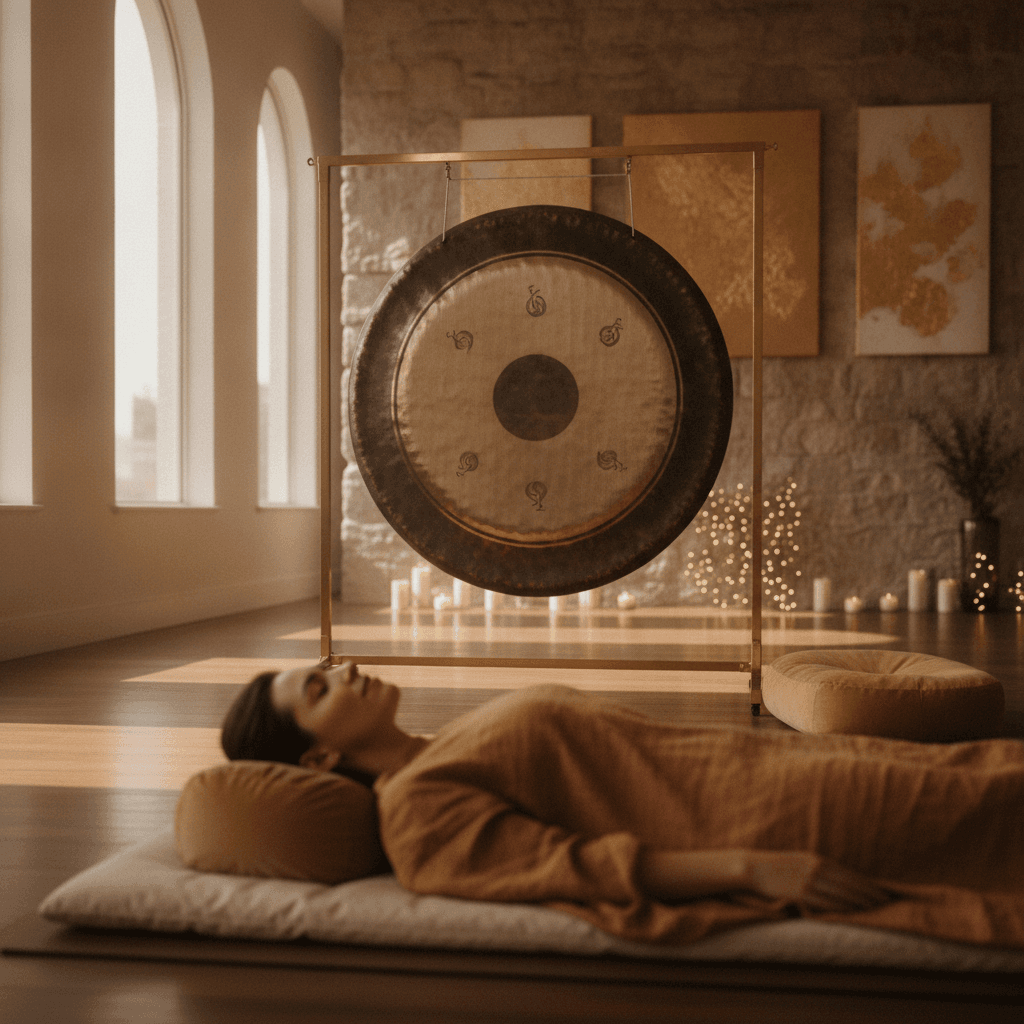
- Gongs: The expansive, immersive sound of gongs creates a deeply meditative state, often described as a "sonic massage" that encourages the mind to quiet and the body to relax.
- Chimes and other overtone-rich instruments: These gentle, ethereal sounds add layers of sonic texture, enhancing the overall sense of peace and contemplation.
What makes the Soul Art method unique is its intentional focus on facilitating shared presence and connection. During a family sound ritual, participants are invited to relax in a comfortable space, allowing the therapeutic vibrations to wash over them. The shared experience of receiving these sounds together creates a powerful, unspoken bond. It provides a common anchor, a unifying frequency that helps family members feel connected to each other, even when their individual grief journeys may differ.
The sound acts as a gentle guide, helping to regulate the nervous system, which is often in a state of heightened stress during bereavement. As the body and mind relax, emotional blockages may begin to soften, allowing for a more gentle and organic processing of feelings. Many people report a sense of profound peace, clarity, and sometimes even a gentle release of tears during or after these sessions – a healthy manifestation of catharsis. Larissa Steinbach emphasizes that this is a safe, non-judgmental space where all emotions are welcome, creating an environment ripe for authentic connection and subtle healing. It is a complementary approach that supports holistic wellness during a challenging time.
Your Next Steps: Integrating Rituals and Sound into Your Healing Journey
Navigating grief is a deeply personal, yet often shared, journey. If you or your family are experiencing loss, integrating intentional rituals, especially those enhanced by sound, may support your path to healing and reconnection. Here are some actionable steps you can consider:
- Acknowledge and Allow Grief: Give yourself and your family permission to feel all emotions without judgment. Recognize that grief is not a linear process and that healing takes time. Creating space for these feelings is the first step towards processing them effectively.
- Seek Communal Support: Do not grieve in isolation. Actively seek out and lean on your family, friends, and community. Whether through shared meals, conversations, or collective remembrance, communal support can significantly mitigate feelings of loneliness and validate your experience.
- Explore Mindful Practices for Regulation: Engage in activities that help regulate your nervous system. Sound wellness, meditation, gentle movement, or spending time in nature can help reduce stress and create a calmer internal environment conducive to processing difficult emotions.
- Create Intentional Family Rituals: Beyond formal ceremonies, consider creating simple, personal family rituals. This could be lighting a candle together at a specific time, sharing a memory during a meal, or creating a collective remembrance album. The consistency and shared meaning of these small acts can be profoundly comforting and strengthen family bonds.
- Consider Professional Guidance: If grief feels overwhelming or prolonged, consider seeking support from grief counselors or wellness professionals. A sound wellness practitioner, such as Larissa Steinbach at Soul Art, can provide a unique and supportive environment for emotional processing and family connection through shared sound rituals.
In Summary: The Harmonious Path to Healing
Grief is a universal experience, yet its journey is uniquely shaped by our personal and cultural contexts. The scientific evidence is clear: rituals are not mere traditions but essential mechanisms that facilitate emotional processing, provide catharsis, foster social cohesion, and promote psychological healing within families and communities. By offering a structured space for shared sorrow and remembrance, these practices transform isolating pain into a collective journey of support and understanding.
Larissa Steinbach and Soul Art Dubai provide a contemporary, compassionate, and scientifically informed approach to this ancient wisdom, leveraging the power of sound to create profoundly impactful shared family rituals. Through resonant vibrations and intentional presence, these experiences may support nervous system regulation, gentle emotional release, and a deeper sense of connection among family members during challenging times. Embrace the power of shared sound rituals as a harmonious path to navigate grief, cultivate resilience, and honor enduring family bonds.
Bookings Coming Soon
Soul Art is still in preparation. Session details and booking will be published here after launch.
Coming Soon
Wellness Disclaimer: This article is for educational and informational purposes only. It does not constitute medical advice, diagnosis, or treatment. Soul Art Dubai provides non-medical wellness experiences focused on relaxation, stress management, and general wellbeing. Sound wellness is a complementary practice and should not replace professional medical care.
Related Articles
Harmonic Connections: Grandparent-Grandchild Sound Rituals

Harmonizing Blended Families: The Sound Bath for Connection
Harmonizing the Empty Nest: Sound Baths for Midlife Renewal