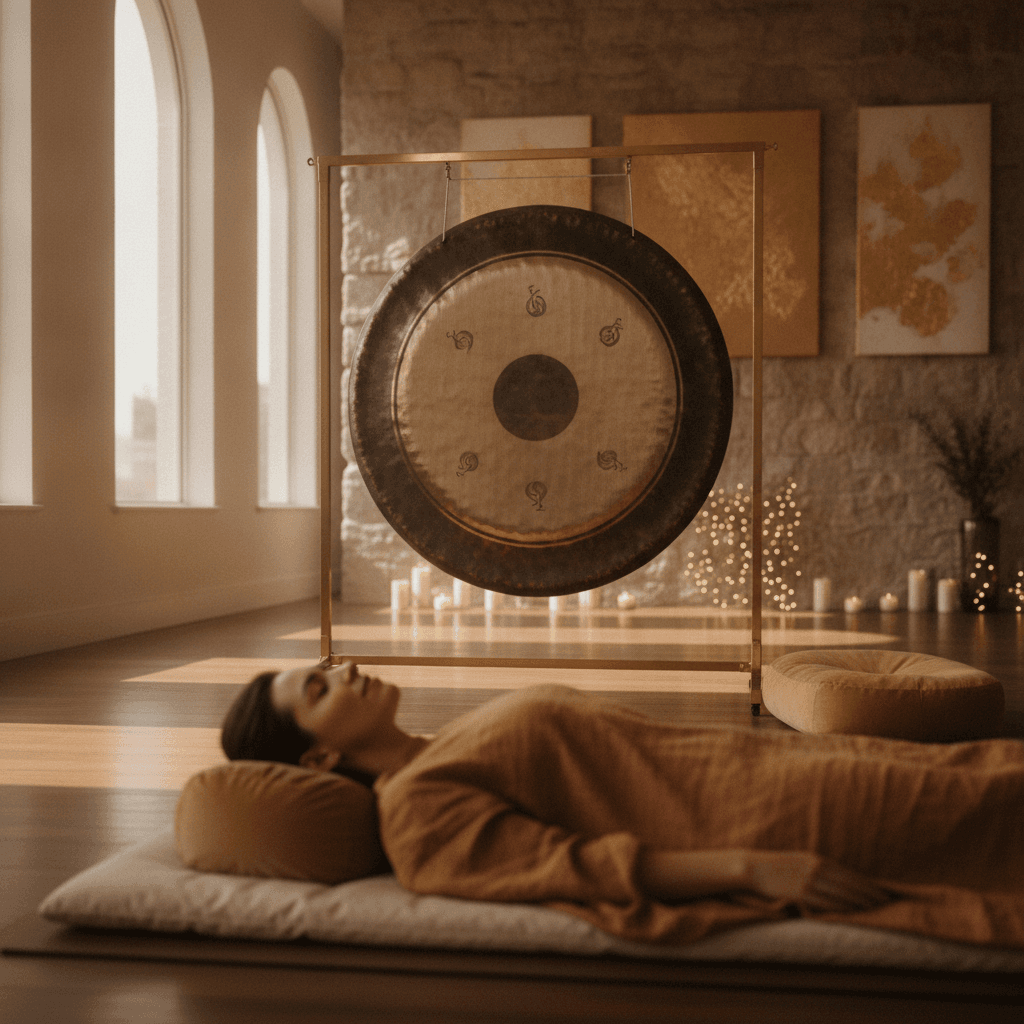
Harmonizing Slumber: Family Sound Rituals for Bedtime
Key Insights
Discover how family sound rituals, backed by science and curated by Larissa Steinbach at Soul Art Dubai, can transform bedtime into a peaceful, bonding experience, improving sleep and well-being for all.
Do you ever wonder why some evenings lead to peaceful slumber while others end in restless tossing and turning, particularly for families? The answer often lies not in what happens in bed, but in the deliberate wind-down rituals that precede it. While the world outside our homes grows increasingly vibrant and demanding, our sacred spaces often bear the brunt of overstimulation, impacting our most fundamental need: restorative sleep.
Imagine a bedtime where anxious distress melts away, replaced by a profound sense of connection and calm for every family member. This isn't a mere dream; it's a scientifically supported reality accessible through thoughtfully designed family sound rituals. At Soul Art Dubai, founded by the visionary Larissa Steinbach, we explore how the ancient wisdom of sound, combined with modern sleep science, can transform your family’s evening routine into a sanctuary of peace, strengthening bonds and improving sleep quality for all ages.
This comprehensive guide will delve into the compelling science behind effective bedtime routines, demonstrating how simple, consistent practices — especially those incorporating the power of sound — can dramatically enhance sleep onset, duration, and overall well-being. We will unravel the intricate dance between our nervous system, circadian rhythms, and emotional states, revealing how family sound rituals become a powerful tool for holistic health. Prepare to discover how to weave moments of quiet luxury and profound connection into your family's daily rhythm, guided by the expertise that defines Soul Art.
The Science of Serenity: Why Family Bedtime Rituals Matter
The hours leading up to sleep are not merely a countdown; they are a critical transition period that profoundly impacts our ability to fall asleep quickly and experience deep, rejuvenating rest. Research consistently shows that intentional pre-sleep behaviors can create dramatic improvements in sleep quality for both adults and children. Understanding the underlying science empowers us to design rituals that truly work.
Circadian Rhythm & the 90-Minute Wind-Down
Our bodies operate on an intricate 24-hour internal clock known as the circadian rhythm, which governs our sleep-wake cycle, hormone production, and cellular repair processes. Sleep researchers at Oxford University’s Sleep & Circadian Neuroscience Institute have identified that initiating a wind-down routine 90 minutes before your intended bedtime significantly improves both sleep onset and the overall quality of sleep. This specific timing aligns harmoniously with our natural biological rhythms.
This extended wind-down period allows ample time for our nervous system to gracefully shift from a state of alertness and activity, known as the sympathetic "fight or flight" response, to the calm and restorative parasympathetic "rest and digest" state. This physiological transition is paramount for preparing the body and mind for deep relaxation and sleep. Combining this scientific timing with consistent bedtime rituals can offer maximum benefits.
Consistency: The Bedrock of Restful Sleep
Consistency is arguably the most powerful tool in our sleep arsenal. Maintaining regular sleep and wake times, even on weekends, profoundly strengthens our circadian rhythm. The body thrives on predictability, using these consistent cues to regulate everything from sleepiness to body temperature.
Research from the Center for Human Sleep Science highlights that consistent sleep and wake times help maintain "sleep pressure"—the natural accumulation of sleepiness throughout the day. When this pressure builds and is released predictably, the body learns to expect sleep, making it easier to drift off. Establishing a family bedtime and wake time that allows for 7-9 hours of sleep, and adhering to it within 30 minutes seven days a week, is a cornerstone of healthy sleep for all ages.
For young children, the benefits of a consistent bedtime routine are particularly robust. Studies have linked regular routines to:
- An earlier bedtime
- Decreased sleep onset latency (the time it takes to fall asleep)
- Reduced nighttime awakenings
- Increased total sleep duration
- Enhanced caregiver-reported sleep quality
These positive outcomes extend beyond sleep, with consistent routines associated with improved language abilities and receptive vocabulary in young children, especially when language-based activities like reading are included.
Gratitude & Anxiety Reduction: Calming the Racing Mind
One of the most common barriers to sleep is a racing mind, often filled with stress, worries, or the day's unresolved problems. A 2024 study published in the Journal of Positive Psychology revealed that individuals who regularly practiced gratitude experienced improved sleep quality and reduced sleep onset time. Gratitude practices work by consciously shifting the nervous system away from this problem-solving mindset.
Furthermore, a consistent bedtime routine is a powerful antidote to anxious distress, particularly for children. Preliminary evidence suggests that routines may foster lower rates of internalizing behaviors and associated distress. Scholars propose that routines offer children predictability and consistency, which can significantly alleviate feelings of anxiety at bedtime.
A reduction in anxious distress at bedtime may allow children to fall asleep more readily and sleep more soundly. The anticipation of a cherished, predictable ritual can replace fear or resistance with comfort and readiness for sleep, making bedtime a smoother transition for both children and parents.
Strengthening Family Bonds & Mental Health
Family rituals, far from being mere routines, are potent catalysts for strengthening emotional bonds and enhancing overall mental health. These shared moments offer a chance to connect on a deeper, often unspoken, level daily. Research indicates that such interactions boost oxytocin, often called the "bonding hormone," knitting family hearts closer with every repeat.
"Family rituals weave a thread of connection through the chaos of everyday life effortlessly. These traditions, big or small, build bonds and boost mental health for kids and adults alike." — Prasada In Home
The mental health perks of rituals ripple through every age. Children gain confidence and experience lower stress when they know what to expect each day; a 2018 study linked consistent family routines to better emotional regulation in young ones. Adults also find relief, with rituals helping to cut depression symptoms. For families navigating challenges like ADHD or autism, rituals bring much-needed order and predictability, easing overwhelm gently. They are simple acts with profound payoffs for everyone’s mind and spirit, fostering resilience and a strong sense of belonging.
Weaving Sound into Your Family's Evening Tapestry
Connecting the robust scientific understanding of sleep and family dynamics to tangible daily practices unveils the profound potential of family sound rituals. This is where theory translates into lived experience, transforming hectic evenings into moments of cherished tranquility. The power lies in creating an intentional transition from the day's "party" to the night's "slumber," a transition where sound becomes a gentle, guiding hand.
Imagine the transition: the dinner plates cleared, the day's last tasks receding. Instead of a sudden jolt into bed, the atmosphere in your home softens. Perhaps a warm, calming bath is followed by dimming the lights, cueing the body that evening has arrived. This conscious reduction of sensory input is a critical first step, signalling to the nervous system that it’s time to wind down.
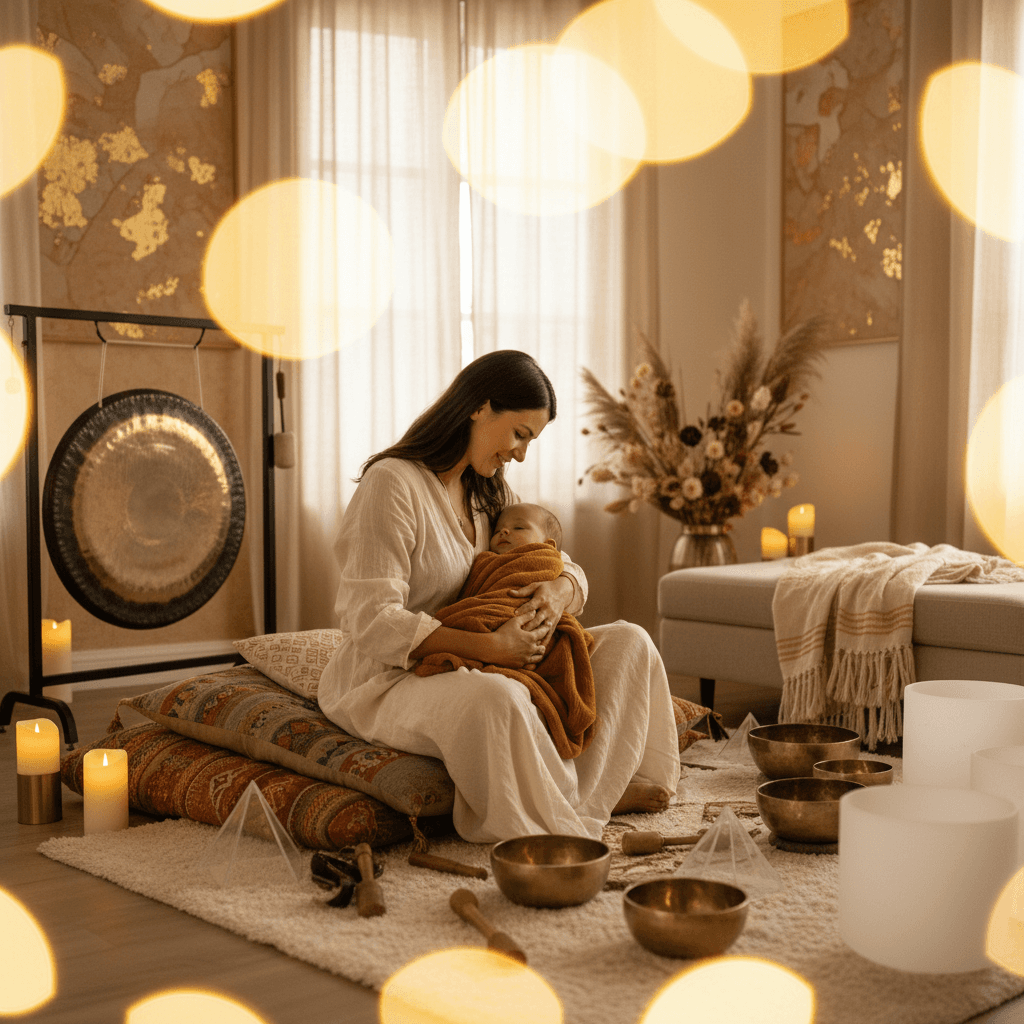
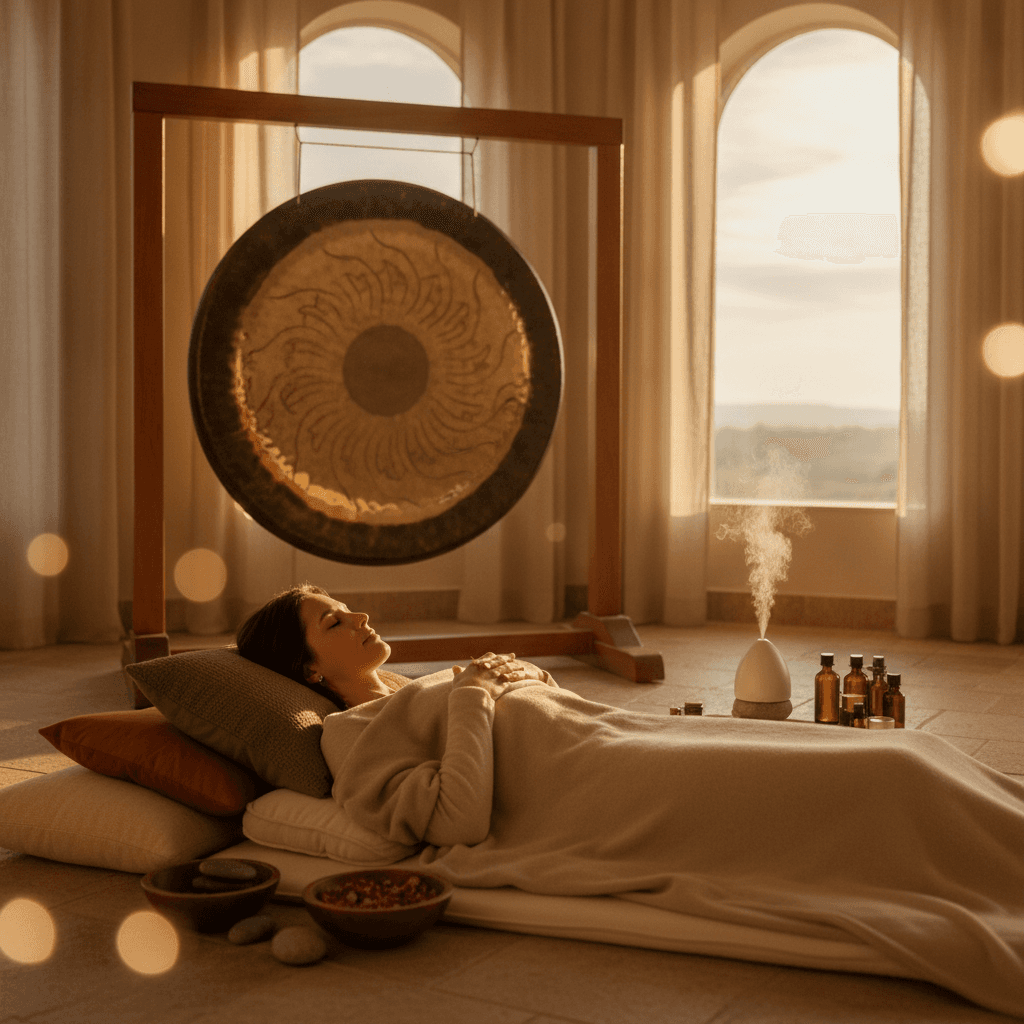
In this receptive state, the introduction of gentle, soothing sounds can be extraordinarily effective. Consider the soft hum of a singing bowl, its resonance washing over the room, or the delicate chime of koshas that seems to suspend time. These sounds are not just pleasant; they operate at frequencies that may encourage brainwave states associated with deep relaxation, such as alpha and theta waves. This aids in dissolving the day's accumulated tensions and preparing the mind for sleep.
For children, this can involve quiet games before bedtime, a final snack eaten mindfully, and then the comfort of a parent's voice. Reading aloud, as The Atlantic notes, is particularly beneficial, with auditory "reading" (like listening to an audiobook) even improving sleep quality more than reading a physical book in some studies. When this spoken narrative is woven with soft background sound, it creates an immersive cocoon of safety and calm. The gentle, consistent presence of a parent’s voice, perhaps accompanied by the rhythmic strumming of a small tongue drum or the soft vibrations of a tuning fork held near the ear, can be incredibly grounding.
These multi-sensory experiences create strong positive associations with bedtime. They provide children with the predictability and consistency that alleviates anxious distress, making protests less likely. The focus shifts from resistance to anticipation of a comforting ritual. For parents, it's an opportunity to consciously disengage from screens and immerse themselves in the present moment, strengthening emotional bonds through shared, peaceful experiences. The regular use of noise machines can also contribute to a calm and consistent environment, masking household noises that might otherwise disrupt sleep.
By actively designing this multi-sensory pathway to sleep, you are not just putting your family to bed; you are nurturing their nervous systems, reinforcing their circadian rhythms, and creating a potent emotional anchor that whispers "you are safe, you are loved, it is time to rest." This deliberate cultivation of serenity, supported by the power of sound, is a practice in quiet luxury that pays dividends in well-being.
The Soul Art Difference: A Curated Journey to Calm
At Soul Art Dubai, we understand that true well-being is cultivated through intentional practice and a deep connection to self and loved ones. Larissa Steinbach, our visionary founder, has meticulously crafted an approach that integrates the profound science of sound and sleep with a philosophy of holistic wellness. Our methods are designed to be accessible, yet deeply transformative, offering families the tools to create their own sanctuaries of calm at home.
The Soul Art approach to family sound rituals is rooted in the belief that sound is a powerful, non-invasive medium for nervous system regulation. We don't just provide instruments; we guide families in understanding how to use them to foster relaxation and connection. Larissa's expertise ensures that each recommendation is not only effective but also aligns with the "quiet luxury" ethos of Soul Art – sophisticated, understated, and profoundly impactful.
Our methodology often incorporates a blend of specific sound tools and mindful practices:
- Vibrational Instruments: We guide families in using gentle instruments like Himalayan singing bowls, crystal singing bowls, and chimes. The resonant frequencies produced by these instruments may help to calm the mind, slow brainwave activity, and encourage the parasympathetic nervous system to activate. These vibrations can be felt as well as heard, creating a full-body experience of relaxation.
- Guided Meditations & Storytelling: Larissa emphasizes the power of the spoken word, integrated with sound. This may involve short, guided meditations focused on gratitude or peaceful imagery, or bedtime stories told with a calm, melodic voice, perhaps accompanied by soft ambient music or the gentle rhythm of a rain stick. This language-based ritual enhances both bonding and literacy outcomes.
- Personalized Ritual Design: Recognizing that every family is unique, Soul Art supports clients in customizing their rituals. This goes beyond a "one-size-fits-all" approach, focusing on what resonates most deeply with each family member. Whether it’s a specific sound, a shared gratitude practice, or a particular sequence of activities, the ritual becomes deeply personal and cherished.
- Breathwork Integration: Simple, shared breathwork exercises, synchronized with gentle sounds, are often introduced. Focusing on slow, deep breathing is a direct pathway to calming the nervous system and can be easily integrated into the sound ritual, making it a powerful preparatory step for sleep.
Larissa Steinbach’s vision for Soul Art is to empower families to create sustainable wellness practices that enhance their daily lives. Our methods provide not just temporary relief, but a framework for long-term health, stronger family bonds, and consistent, restorative sleep. It is about transforming bedtime from a potential source of stress into a beautiful, meaningful ritual that nourishes the body, mind, and spirit of every family member.
Cultivating Your Own Family's Sound Sanctuary
Embarking on the journey to establish family sound rituals for bedtime is a rewarding investment in your family’s well-being. The key, as behavioural scientist Dr. BJ Fogg suggests with his "Tiny Habits" method, is to start small and be consistent. You don't need to overhaul your entire evening at once; even a minor adjustment can initiate a significant positive shift. The goal is to create a ritual that is sustainable, enjoyable, and deeply comforting for everyone involved.
Here are some practical steps you can implement today to begin cultivating your family's sound sanctuary:
- Implement the 90-Minute Wind-Down: Begin your chosen wind-down activities approximately 90 minutes before your desired bedtime. This gives the nervous system ample time to transition, preparing everyone for sleep. This timing also aligns with your body's natural circadian rhythm for optimal effect.
- Choose a Consistent Bedtime Anchor: Select a specific time each evening when your family begins its ritual. This consistency is vital for strengthening circadian rhythms. Whether it's 7:30 PM for younger children or a later time for teens, stick to it within a 30-minute window, even on weekends, to build "sleep pressure."
- Introduce Gentle Sound Elements: Start with one simple sound tool or practice. This could be soft, calming music playing quietly, the gentle strike of a chime, or a parent humming a lullaby. The aim is to create a pleasant auditory environment that signals calm and prepares the mind for rest.
- Practice Gratitude Together: Before sleep, dedicate a few minutes to a shared gratitude practice. Each family member can express one thing they are thankful for from the day. This shifts the mind away from daily stressors and towards positive emotions, significantly aiding in sleep onset and quality.
- Create a Sacred Sleep Environment: Optimize the bedroom for rest. Ensure it's dark, quiet, and cool. Consider a white noise machine to mask external sounds, and ensure consistent temperature. The physical environment complements your sound rituals, creating a holistic pathway to peaceful sleep.
Developing a ritual that works for your family is a personal journey. Remember, the effectiveness of rituals increases with specificity and repetition. Embrace the process with fun and commitment, and within a few weeks, you may observe remarkable improvements in sleep quality, mood, and family connection. If you're ready to deepen this practice and explore personalized guidance, consider connecting with Soul Art Dubai.
Bookings Coming Soon
Soul Art is still in preparation. Session details and booking will be published here after launch.
Coming Soon
A Symphony of Sleep: Reclaiming Your Family's Rest
In a world that often prioritizes speed over serenity, the practice of family sound rituals for bedtime offers a profound return to intentional calm and connection. This scientifically-backed approach underscores how consistent routines, a deliberate wind-down, gratitude, and the soothing power of sound can collectively transform sleep quality, reduce anxious distress, and strengthen the emotional fabric of your family. These simple yet powerful acts create a predictable sanctuary, fostering resilience and well-being for all ages.
At Soul Art, Larissa Steinbach champions these practices, guiding families to integrate the quiet luxury of sound into their nightly rhythm. By embracing these rituals, you are not just preparing for sleep; you are curating moments of profound connection and self-care, ensuring that every family member can truly rest and rejuvenate. Reclaim your evenings, enrich your family bonds, and unlock the symphony of restful sleep with Soul Art Dubai.
Wellness Disclaimer: This article is for educational and informational purposes only. It does not constitute medical advice, diagnosis, or treatment. Soul Art Dubai provides non-medical wellness experiences focused on relaxation, stress management, and general wellbeing. Sound wellness is a complementary practice and should not replace professional medical care.
Related Articles
Harmonic Connections: Grandparent-Grandchild Sound Rituals
Harmonizing Blended Families: The Sound Bath for Connection
Harmonizing the Empty Nest: Sound Baths for Midlife Renewal