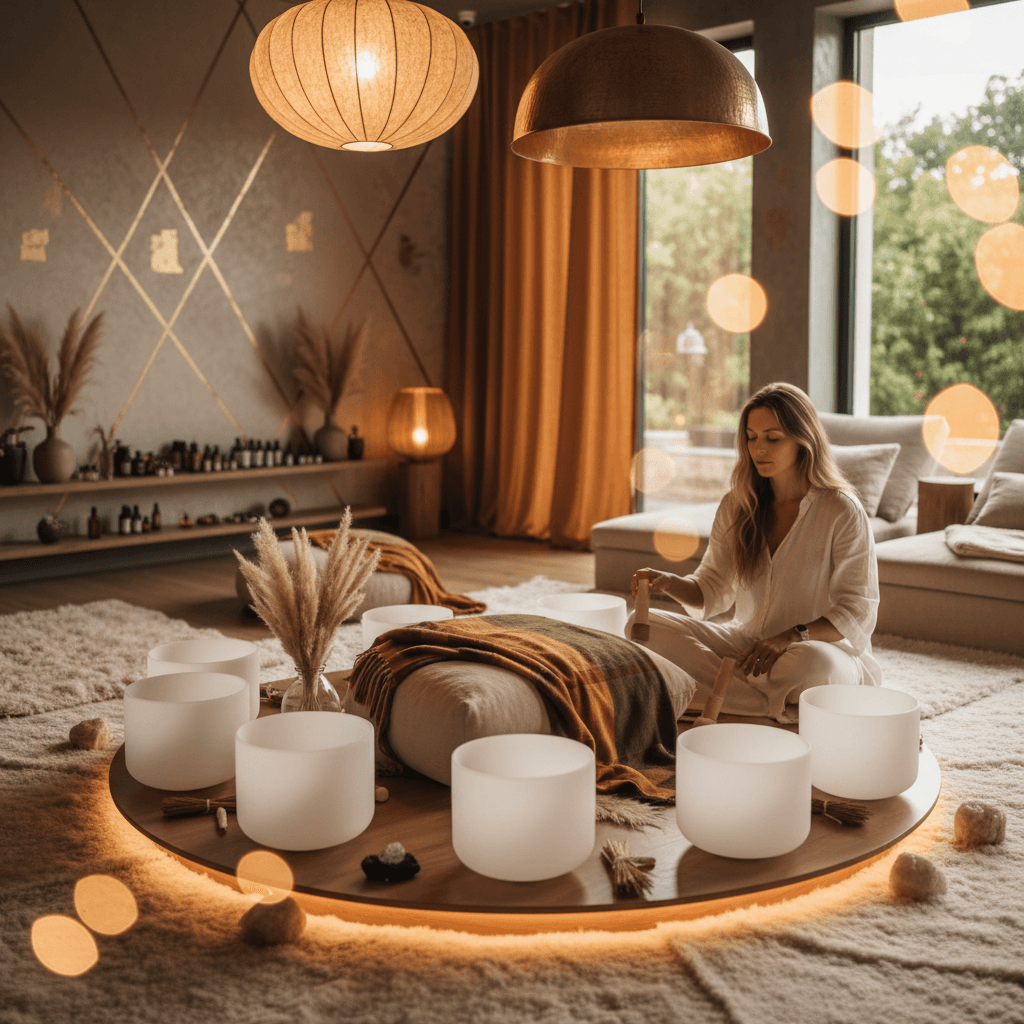
Evening Wind-Down: Harnessing Sound for Profound Recovery and Restorative Sleep
Key Insights
Discover how intentional sound practices, like those at Soul Art Dubai, can transform your evening wind-down for deeper recovery and sleep.
The frantic pace of modern life, especially in dynamic cities like Dubai, often leaves us feeling perpetually "on." From the first alarm to the last email, our nervous systems are in a constant state of activation. But what if the key to truly unwinding, recovering, and preparing for restorative sleep lies not in silence, but in the intentional application of sound? Many people reach for generic white noise machines, believing any sound will suffice, yet emerging research suggests that not all sounds are created equal when it comes to profound recovery.
At Soul Art, founded by Larissa Steinbach, we delve into the intricate relationship between sound and the human body, curating experiences designed to guide you into states of deep relaxation and physiological restoration. This article will explore the surprising science behind sound for recovery, challenge common misconceptions, and offer practical, evidence-informed approaches to integrating sound into your evening wind-down ritual for unparalleled well-being. Prepare to learn how carefully chosen frequencies and vibrations can be a powerful ally in your quest for optimal rest and renewal.
The Science Explained: How Sound Reshapes Your Inner Landscape
Our bodies are incredibly receptive to auditory input, and sound doesn't just reach our ears; it permeates our entire being, influencing our nervous system, hormonal balance, and brainwave activity. Understanding this profound connection is the first step toward harnessing sound for deep recovery. The core principle lies in shifting our physiological state from sympathetic dominance (the "fight or flight" response) to parasympathetic activation (the "rest and digest" mode).
Sound's Impact on the Nervous System and Stress Hormones
When we are stressed, our sympathetic nervous system is highly active, leading to elevated heart rate, increased muscle tension, and the release of stress hormones like cortisol. Intentional sound practices have been associated with a calming effect on this system. Research, including insights from the Mayo Clinic, indicates that structured sound environments can significantly improve patient sleep, comfort, and recovery in clinical settings. While the Mayo Clinic study specifically highlighted white noise and sound masking in hospitals, further nuanced research points to the specific characteristics of sound as critical for optimal outcomes.
Music, particularly that with a slower tempo, often between 60 to 80 beats per minute, has been shown to decrease cortisol levels and trigger the release of dopamine, a neurotransmitter linked to feelings of well-being. This hormonal shift can create an ideal biochemical environment for relaxation and preparation for sleep. The consistent application of calming sounds can support the body's natural processes of self-regulation.
Differentiating Effective Sound from Generic Noise
This is where the scientific understanding becomes particularly crucial. Not all auditory stimuli are beneficial for deep recovery and sleep, and in fact, some common approaches may even be counterproductive. While the Mayo Clinic study showed general benefits of sound masking in a hospital environment, other studies differentiate the impact of various sound types outside of that specific context.
A critical distinction arises between "broadband noise" like white, pink, or brown noise, and structured, intentional sound such as music, singing bowls, or soothing spoken words. While broadband noise aims to mask environmental distractions, its continuous, unstructured nature can sometimes interfere with the delicate architecture of sleep. A study from the University of Pennsylvania Perelman School of Medicine, published in the journal Sleep, suggested that continuous pink noise may reduce key stages of restorative sleep, specifically REM (Rapid Eye Movement) sleep and N3 (deep sleep). Pink noise, often described as a softer, less hissy version of white noise (like steady rainfall or ocean waves), was linked to a nearly 19-minute reduction in REM sleep when played at 50 decibels. Combining this continuous pink noise with environmental sounds like aircraft noise reportedly worsened overall sleep architecture.
This finding suggests that while continuous, undifferentiated noise might initially feel like it's helping by blocking out disturbances, it could inadvertently hinder the quality of deep and REM sleep, which are vital for emotional regulation, memory consolidation, and physical recovery. This is especially concerning for children whose brains are still developing.
In contrast, structured sounds, such as subjectively pleasant music, have been shown to improve physiological recovery from stress more effectively than white noise. Research by Sokhadze et al. indicated that both pleasant and even "sad" music improved recovery on measures like heart rate, respiration rate, and blood flow compared to white noise. This suggests that the emotional responses generated by music, and the "undoing hypothesis" (where positive emotions aid recovery from negative ones), play a significant role. Major mode music, for instance, has been associated with lower salivary cortisol levels, implying that happiness-inducing emotional responses are closely linked to stress reduction.
The Power of Resonant Frequencies and Vibrations
Beyond just audible sound, the physical vibrations produced by instruments like singing bowls and gongs contribute to their restorative effects. These resonant frequencies are believed to influence the body at a cellular level, promoting relaxation and encouraging the release of tension. A 2022 study found that "singing-bowl" sound healing was associated with increases in spiritual well-being and a reduction in tension and depressed moods.
Furthermore, the duration and specific characteristics of sound interventions matter. While continuous broadband noise may have drawbacks, playing relaxing words during non-rapid-eye-movement (NREM) sleep has been associated with an increase in deep sleep duration and subjective sleep quality, according to a study published in the Journal of Sleep Research. This highlights that even while asleep, our bodies can pick up sounds, impacting heart rate and sleep quality, reinforcing the idea that our audio environment plays a significant role in deep sleep duration and quality.
To summarize the scientific distinction:
- Structured, intentional sounds (music, singing bowls, specific tones, guided spoken word):
- May decrease cortisol and increase dopamine.
- Can improve physiological recovery from stress.
- Associated with enhanced spiritual well-being and reduced tension.
- Specific frequencies and vibrations may influence brainwave states and promote deeper sleep stages (when applied appropriately).
- Continuous broadband noise (white, pink, brown noise) throughout the night:
- May initially mask disturbances.
- Some studies suggest it could reduce restorative REM and N3 sleep.
- Its long-term impact on hearing and sleep architecture warrants caution.
- Cleveland Clinic advises using these noises for brief periods (10-15 minutes) at a low volume.
The emerging science underscores the importance of a discerning approach to sound for recovery, moving beyond generic noise to embrace intentional, carefully curated auditory experiences.
How It Works in Practice: The Somatic Experience of Sound
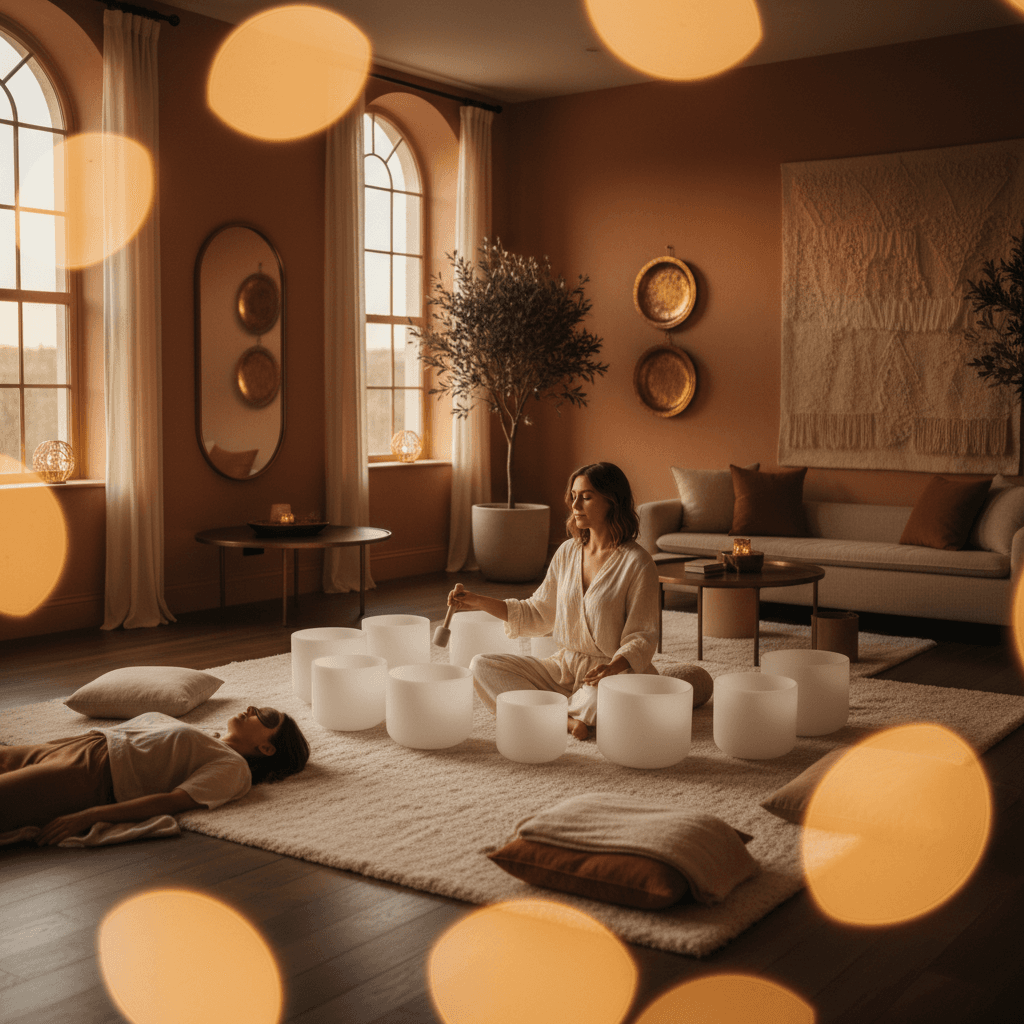
Connecting the scientific theory to real-world application, a sound-based recovery session is far more than just "listening to music." It's an immersive, sensory experience designed to guide your entire being into a state of profound calm and restoration. The practice focuses on shifting your physiological and mental state, often without conscious effort on your part.
As you recline in a comfortable, serene environment, the journey begins. Initially, the mind may still be active, replaying the day's events or anticipating tomorrow's tasks. However, as the carefully selected sounds begin to wash over you, a subtle transformation often occurs. The intricate layers of tones, harmonies, and vibrations bypass the analytical mind, speaking directly to the deeper parts of your brain and body.
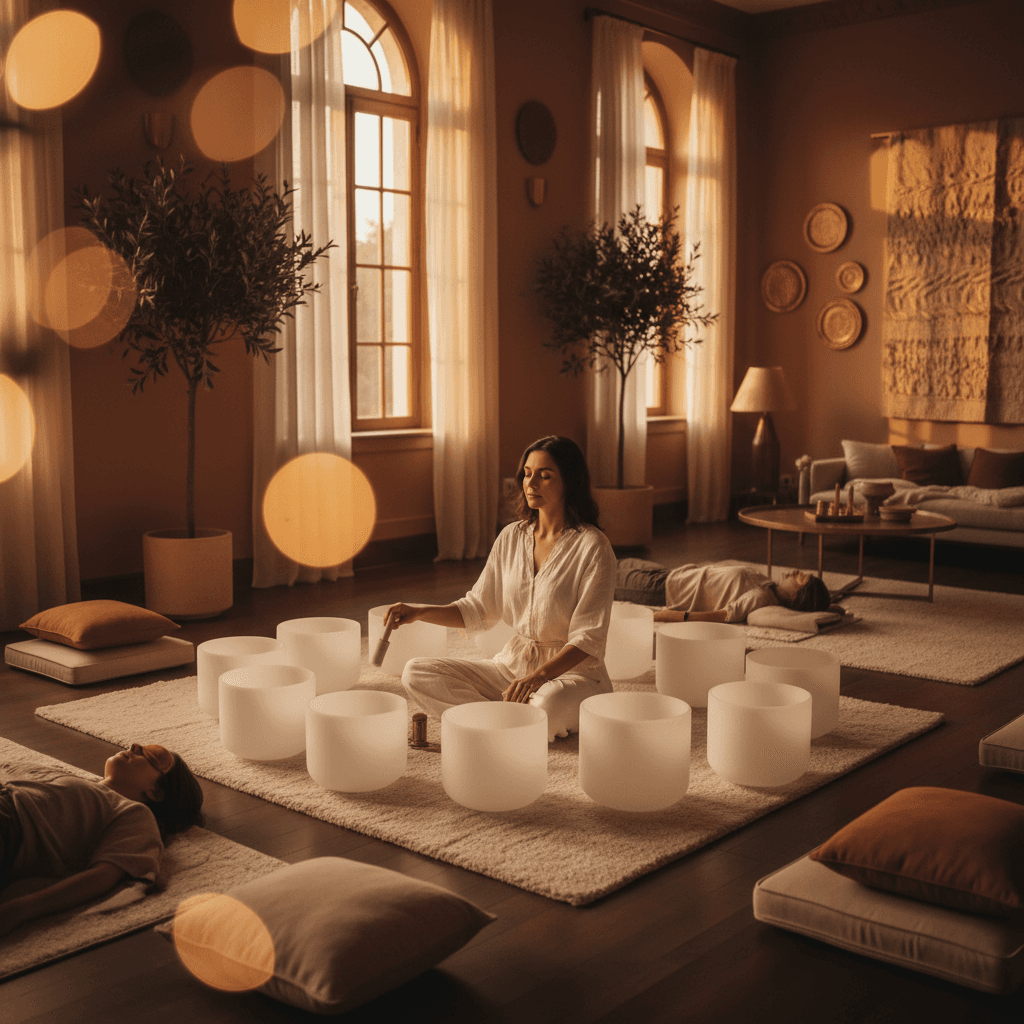
You might feel a gentle tingling sensation as the sound waves resonate through your body, particularly from instruments like Himalayan singing bowls placed near or on the body, or large gongs whose vibrations are palpable in the air. This isn't just an auditory phenomenon; it's a somatic experience, engaging your tactile senses and encouraging your muscles to release stored tension. The sustained, complex overtones of certain instruments can create an auditory landscape that slows down your internal chatter, making it easier for your brainwaves to shift from the alert beta state to the relaxed alpha or even meditative theta states.
"The symphony of intentional sound gently unweaves the knots of the day, guiding the body and mind back to their innate state of balance and peace."
Clients often describe a profound sense of "letting go" – a feeling of being cradled by the sounds, allowing worries and anxieties to dissipate. The controlled ebb and flow of frequencies encourage your heart rate to slow, your breathing to deepen, and your nervous system to naturally transition into the parasympathetic "rest and digest" mode. This is the state where true recovery happens, where cellular repair is optimized, and where your body can restore itself from the day's stressors. The experience is deeply personal, yet universally aims to induce a state of calm that prepares the individual for truly restorative sleep. It’s a holistic reset, providing a sanctuary for your mind and body to recalibrate.
The Soul Art Approach: Curated Frequencies for Deep Restoration
At Soul Art, Larissa Steinbach understands that effective sound wellness goes beyond simply playing background noise. Her approach is rooted in both ancient wisdom and contemporary scientific understanding, creating an intentional space where sound is a precise tool for nervous system regulation and deep recovery. The Soul Art method is distinctive because it focuses on curated, therapeutic soundscapes rather than generic, continuous broadband noise.
Larissa's philosophy emphasizes the quality and intention behind the sound. Instead of simply masking external noises, Soul Art sessions are designed to recalibrate the internal environment. This means utilizing specific frequencies, harmonious intervals, and instruments known for their therapeutic potential to guide the listener into profound states of relaxation. The aim is to facilitate a journey inward, where the body’s innate capacity for healing and restoration is gently activated.
What makes the Soul Art method unique?
- Intentional Soundscapes: Larissa crafts each session with a specific therapeutic outcome in mind. This involves a thoughtful selection of instruments, carefully chosen sequences, and an understanding of how different frequencies interact with the human energy field and physiology.
- Harmonic Resonance: Sessions often feature instruments such as Himalayan singing bowls, crystal singing bowls, gongs, chimes, and tuning forks. These instruments produce rich overtones and deep vibrations that are not just heard but felt throughout the body. The sustained, pure tones are designed to create a resonant field that encourages brainwave entrainment towards alpha and theta states, conducive to deep relaxation and meditation.
- Guidance and Presence: Larissa Steinbach’s expertise includes not only the mastery of these instruments but also the intuitive guidance that accompanies each session. Her presence and the thoughtful pacing of the sound journey ensure that participants feel safe, supported, and fully able to surrender to the experience. This human element is crucial in facilitating the shift from an activated state to profound tranquility.
- Scientific Awareness: Soul Art’s approach is informed by the latest research in sound therapy and neuroscience, respecting the nuances of how different sounds impact sleep architecture and stress responses. This means avoiding potentially detrimental continuous broadband noise throughout the night and instead focusing on targeted, immersive sound experiences for focused recovery. The emphasis is on specific, structured sound events that trigger positive physiological responses, aligning with studies that highlight music and specific vibrational therapies over generic noise.
The sessions are not merely passive listening; they are active engagements with sound that promote a holistic sense of well-being. By focusing on quality, intention, and a deep understanding of sound's physiological effects, Soul Art offers a truly transformative path to recovery, stress management, and improved sleep quality. It’s a sanctuary in Dubai dedicated to helping individuals restore their balance and vitality through the power of carefully curated sound.
Your Next Steps: Integrating Sound for Your Evening Wind-Down
Incorporating intentional sound into your evening routine can profoundly enhance your recovery and prepare you for more restorative sleep. Moving beyond generic noise, here are actionable steps you can implement today, inspired by the principles of Soul Art and scientific insights:
- Curate Your Sound Environment: Instead of continuous white or pink noise, seek out music specifically designed for relaxation. Look for pieces with a tempo around 60-80 beats per minute, or instrumental tracks with sustained, harmonious tones. Avoid music that evokes strong emotions, even positive ones, right before bed. Platforms like YouTube offer "sleep stories" or meditations with soothing words, which research suggests can enhance deep sleep if played at a low volume.
- Establish a Consistent Ritual: Routine is key for sleep hygiene. Make sound an integral part of your evening wind-down. Begin 30-60 minutes before you plan to sleep. This could involve listening to a calming soundscape, engaging in a guided meditation with sound elements, or simply playing soft, instrumental music while you dim the lights and prepare for rest. Consistency signals to your body that it's time to transition to a recovery state.
- Limit Continuous Broadband Noise: Based on current research, be cautious about using continuous white, pink, or brown noise throughout the entire night, especially if you experience sleep disturbances. If you find these helpful for masking initial disturbances, consider using a timer to play them for only the first 10-15 minutes as you fall asleep, as advised by Cleveland Clinic experts, and at a low volume to protect hearing health.
- Explore Vibrational Therapies: Consider attending a professional sound bath or sound healing session, such as those offered by Larissa Steinbach at Soul Art. Experiencing the deep, resonant vibrations of gongs and singing bowls can provide a unique and profound level of relaxation and stress release that's difficult to replicate at home. These sessions are specifically designed to facilitate deep shifts in your nervous system.
- Mind Your Volume: Regardless of the type of sound you choose, always keep the volume low. Prolonged exposure to higher volumes, even of soothing sounds, can potentially lead to hearing fatigue or even long-term hearing loss. The goal is gentle immersion, not overwhelming auditory input.
By adopting these practices, you can transform your evening wind-down into a powerful ritual for recovery, leveraging the specific, beneficial properties of sound to enhance your well-being and prepare your body and mind for truly regenerative sleep.
In Summary
The journey to profound recovery and restorative sleep is intimately connected with our auditory environment. While popular misconceptions often steer us towards generic broadband noise, scientific research, including studies from the Mayo Clinic and the University of Pennsylvania, highlights a nuanced truth: intentional, structured sound and specific vibrational therapies are more effective for deep physiological restoration and optimal sleep architecture. Continuous, unstructured noise, such as pink noise, may even impede crucial sleep stages.
At Soul Art, Larissa Steinbach champions a sophisticated approach, offering meticulously curated sound experiences that harness the power of resonant frequencies and specific instruments like singing bowls and gongs. These sessions are designed to gently guide your nervous system from stress to deep relaxation, promoting cortisol reduction, enhanced spiritual well-being, and genuine recovery. By embracing intentional sound practices, you move beyond mere noise masking to a holistic self-care ritual that truly nourishes your mind, body, and spirit.
Bookings Coming Soon
Soul Art is still in preparation. Session details and booking will be published here after launch.
Coming Soon
Wellness Disclaimer: This article is for educational and informational purposes only. It does not constitute medical advice, diagnosis, or treatment. Soul Art Dubai provides non-medical wellness experiences focused on relaxation, stress management, and general wellbeing. Sound wellness is a complementary practice and should not replace professional medical care.
Related Articles
Advanced Biohacker: Optimizing Wellness with Complex Sound Protocols
Ozone Therapy & Sound: Mastering Oxidative Stress for Vitality
Hyperbaric Oxygen & Sound: Synergizing Wellness & Brain Vitality