Ethical Sound Healing: Guidelines for Practitioner & Client Safety
Key Insights
Explore the ethical principles guiding sound healing, ensuring safety, transparency, and effective wellness. Learn about practitioner responsibilities at Soul Art with Larissa Steinbach.
Can a carefully chosen sequence of vibrations truly offer solace and support for your well-being? In Dubai's vibrant wellness landscape, Soul Art, founded by Larissa Steinbach, stands at the forefront of sound wellness, recognizing the profound impact of this ancient practice. As interest in sound healing expands, so too does the imperative for robust ethical guidelines, ensuring both practitioner integrity and client safety.
This article delves into the foundational ethics that govern responsible sound healing practices, grounding them in scientific understanding and practical application. We will explore why clarity, transparency, and a deep commitment to client care are not just ideals, but essential pillars for effective sound wellness. Join us to understand the delicate balance between the transformative power of sound and the critical responsibility of those who wield it.
The Science Explained: Resonating with Responsibility
The growing popularity of sound healing is not merely anecdotal; it is increasingly supported by an emerging body of scientific research. Understanding these mechanisms is paramount for any ethical practitioner, allowing them to communicate benefits accurately and avoid unsupported claims. At its core, sound wellness leverages specific frequencies and vibrations to encourage physiological and psychological shifts.
Brainwave Entrainment and the Relaxation Response
One of the most well-documented effects of sound is its ability to induce brainwave entrainment. This phenomenon occurs when brainwave frequencies naturally synchronize with external rhythmic stimuli, such as the steady pulse of a drum or the sustained hum of a singing bowl. Through this process, practitioners can gently guide brainwaves from beta (alert, waking state) towards alpha (relaxed, meditative state) and theta (deep relaxation, creativity, light sleep).
This shift in brainwave activity is directly linked to the relaxation response, a physiological state characterized by reduced heart rate, lowered blood pressure, and decreased muscle tension. The body moves from a state of "fight or flight" (sympathetic nervous system dominance) to "rest and digest" (parasympathetic nervous system dominance). This fundamental mechanism underpins much of sound healing's reported benefits for stress reduction and improved sleep.
Vagus Nerve Engagement and Nervous System Balance
The vagus nerve plays a crucial role in regulating the body's internal organs and is a key component of the parasympathetic nervous system. Gentle sound vibrations, particularly those experienced directly on the body or through specific vocal tones, may stimulate this vital nerve. Such engagement can help to downregulate the stress response, fostering a sense of calm and safety.
Furthermore, practices like humming or chanting have been shown to increase nitric oxide production in the nasal passages. Nitric oxide is a gas molecule with various physiological roles, including vasodilation (widening of blood vessels), which may contribute to improved circulation and a sense of physical ease. These subtle yet powerful biological responses highlight the intricate connection between sound and our internal states.
Polyvagal Theory and Co-regulation
From a polyvagal-informed perspective, ethical sound healing acknowledges the profound impact practitioners have on a client's nervous system. The practitioner's voice, presence, pacing, and attunement can foster a sense of safety, facilitating what is known as co-regulation. This means the client's nervous system can align with the practitioner's regulated state, supporting a shift out of defensive modes.
The research notes emphasize that sound-based practices can influence stress response systems, autonomic nervous regulation, memory, emotional processing, and vulnerability states. These effects are beneficial, but they also underscore the practitioner's responsibility. Understanding these scientific underpinnings allows for a responsible scope of practice, steering clear of unsubstantiated claims and focusing on measurable wellness benefits.
Navigating Claims: Evidence vs. Anecdote
While the science is promising in certain areas and developing in others, ethical practitioners must maintain transparency. Claims such as "DNA repair" or "curing diseases" are not established by current scientific evidence and fall outside the ethical scope of sound wellness. Instead, the focus should remain on areas where evidence is stronger: stress reduction, promoting relaxation, improving sleep quality, and enhancing self-awareness.
As Larissa Steinbach often phrases it in practice: "These tones are used to encourage relaxation and coherence. Many people report better sleep and less stress. The science is promising in certain areas and developing in others." This honest and measured approach builds trust and sets realistic expectations, which are cornerstones of ethical practice.
How It Works in Practice: Care Beyond the Sound
Connecting the scientific understanding of sound to its practical application requires a thoughtful, client-centered approach. In a sound wellness session, the practitioner's role extends far beyond merely playing instruments; it encompasses creating a safe, supportive, and consciously held space for the individual. This is where ethical guidelines truly come to life, guiding every interaction.
Informed Consent and Clear Boundaries
Before any sound journey begins, informed consent is paramount. Clients must fully understand the nature of the practice, its potential benefits, and any contraindications. Ethical scope statements are crucial here, clearly articulating what sound wellness does and does not do. Soul Art emphasizes that sound is used to support relaxation, nervous system balance, and self-awareness.
Critically, sound practitioners must explicitly state that they do not diagnose, treat, or cure medical conditions. They invite clients to consult their clinicians for medical advice and view sound as complementary care. This precision in language aligns expectations with reality, fostering trust and improving the client's overall experience. When practitioners are precise, clients feel safe and understand the parameters of the service they are receiving.
Creating a Safe Container: Trauma-Informed Approach
A session designed for safety is a session designed for success. Many individuals seeking wellness support may carry past experiences or present vulnerabilities that require sensitive handling. Therefore, a trauma-informed approach is essential. This means going slow, staying safe, and prioritizing the client's sense of control and comfort.
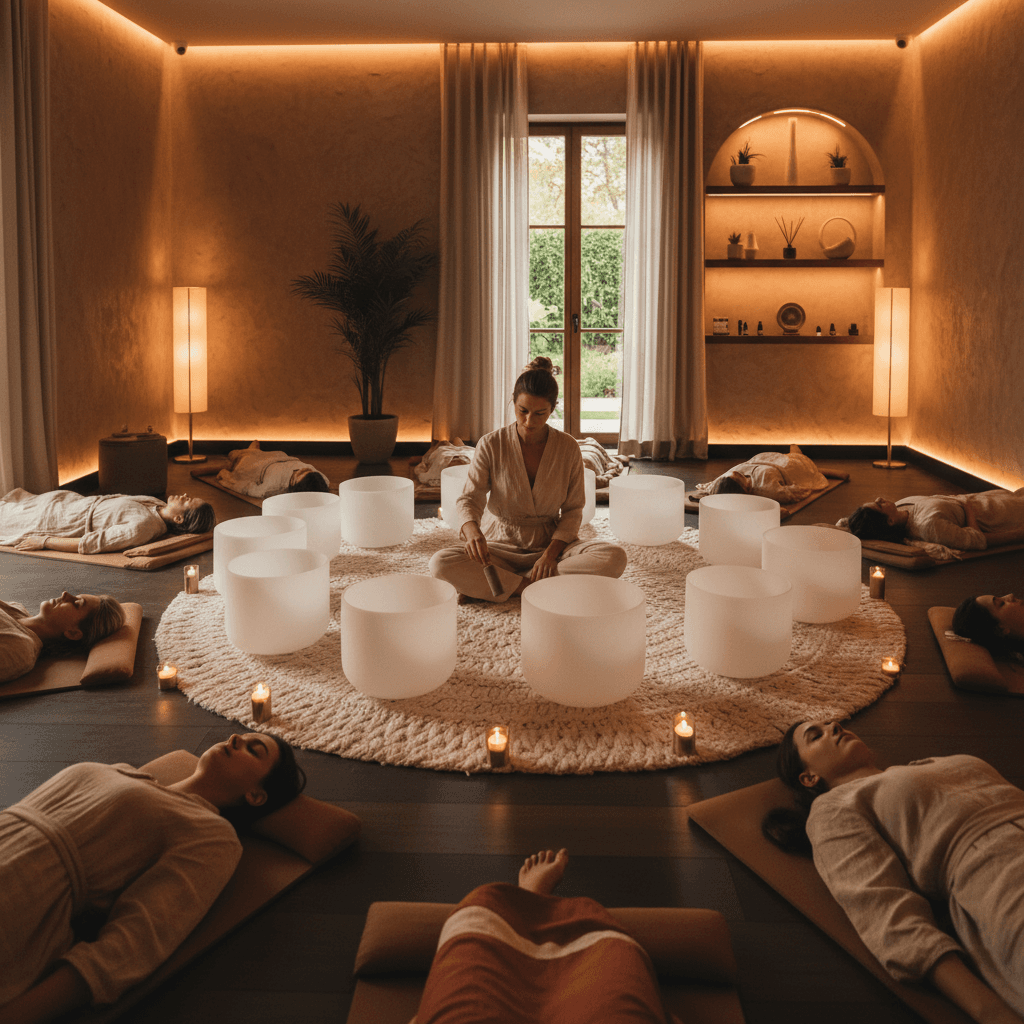
Practitioners are trained to recognize signs of discomfort or overwhelm, offering options for modification or pausing the session as needed. The environment itself is meticulously prepared to feel serene and secure, free from any elements that might trigger distress. This level of attentiveness ensures that the journey through sound is not only deeply relaxing but also profoundly respectful of individual needs.
The Experiential Journey: Sound, Sensation, and Self-Awareness
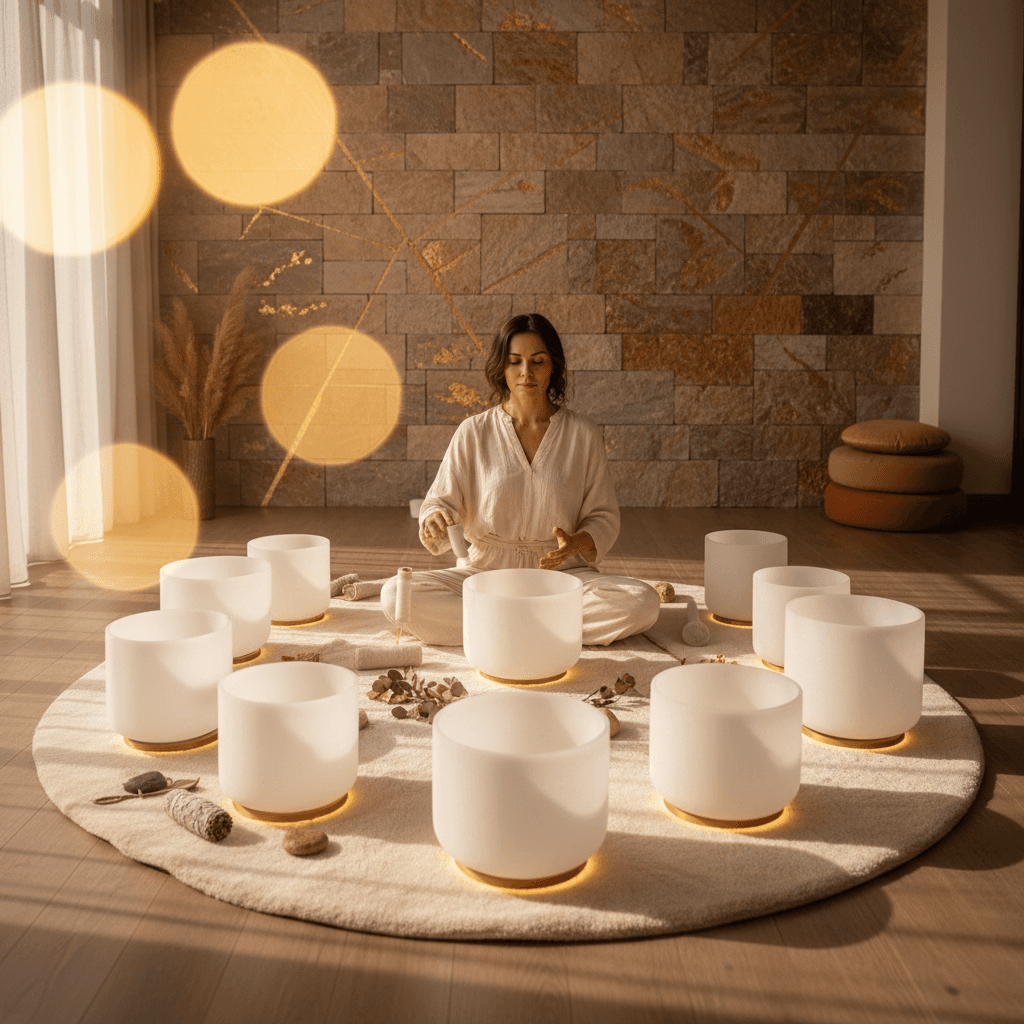
During a sound wellness session, clients typically lie down comfortably, enveloped by an array of resonant instruments. These might include crystal singing bowls, Himalayan singing bowls, gongs, chimes, and the human voice. The sounds wash over and through the body, creating a symphony of vibrations that invite the mind to quiet and the body to release tension.
Clients often report a profound sense of deep relaxation, a quietening of the "monkey mind," and an enhanced connection to their inner self. Sensory details include the gentle hum felt in the chest, the tingling sensations in the extremities, or the feeling of being cradled by the undulating sound waves. This is where experience meets emerging science, as the nervous system finds balance and clarity emerges. The practice fosters a heightened state of self-awareness, allowing individuals to observe their internal landscape without judgment.
Continuous Learning and Professionalism
Ethical practice is not a static state but a dynamic commitment to continuous learning. The field of sound healing is evolving, with new research and best practices emerging regularly. Responsible practitioners commit to ongoing education and training to stay informed. This includes understanding the latest scientific insights, refining techniques, and deepening their knowledge of human physiology and psychology.
A professional sound healer also recognizes and respects other healing modalities, avoiding any negative comparisons or claims of superiority. The goal is always the client's well-being, and collaboration with other professionals, when appropriate, is an ethical imperative. This holistic view ensures that sound wellness integrates seamlessly into a broader personal health strategy.
The Soul Art Approach: Larissa Steinbach's Vision for Ethical Wellness
At Soul Art, Dubai's premier sound wellness studio, ethics form the bedrock of every experience curated by founder Larissa Steinbach. Her vision transcends mere relaxation, aiming to provide a space where individuals can reconnect with their deepest selves through meticulously crafted sound journeys, all within a framework of safety and professional integrity. The Soul Art method is distinctive in its blend of scientific grounding, intuitive artistry, and unwavering commitment to client care.
Larissa Steinbach champions an approach that integrates deep scientific understanding with profound experiential wisdom. She ensures that every practitioner at Soul Art is not only highly skilled in various sound modalities but also thoroughly trained in ethical conduct and client-centered care. This includes comprehensive education on how sound affects the body and brain, respect for psychological vulnerability, and a steadfast commitment to equity, safety, and ethical practice.
What makes the Soul Art method unique is its dedication to a "quiet luxury" experience that is both sophisticated and deeply empathetic. The environment is designed to be a sanctuary, a calm respite from the bustling world, where every detail contributes to a sense of peace and security. Instruments, ranging from ethereal crystal singing bowls to powerful gongs and precision-tuned chimes, are chosen for their purity of tone and therapeutic frequency, creating an immersive soundscape tailored for optimal nervous system regulation.
Larissa's philosophy emphasizes precision in practice, ensuring that the intention behind each sound session is clear and aligned with client well-being. This translates into transparent communication about the scope of practice, which states unequivocally: "We use sound to support relaxation, nervous system balance, and self-awareness. We do not diagnose, treat, or cure medical conditions. We invite you to consult your clinician for medical advice and use sound as complementary care." This clarity empowers clients and fosters an environment of trust.
Furthermore, Soul Art's commitment to continuous learning is exemplified by its internal training programs and adherence to international principles in complementary therapy and trauma-informed care. Practitioners are encouraged to develop their capacity for co-regulation, recognizing their influence on client nervous systems through their voice, presence, pacing, and attunement. This holistic approach ensures that every individual who steps into Soul Art receives care that is not just effective but also deeply respectful and ethically sound.
"True healing begins when we feel safe enough to simply be. Our ethical framework is the invisible hand that cradles that safety, allowing the transformative power of sound to unfold gently and profoundly." - Larissa Steinbach
This ethos ensures that whether a client seeks respite from stress, deeper meditation, or enhanced self-awareness, their journey at Soul Art is guided by expertise, empathy, and the highest ethical standards. The experience is designed to be a gentle yet potent catalyst for personal well-being, always respecting individual boundaries and needs.
Your Next Steps: Embracing Ethical Sound Wellness
Understanding the ethical foundations of sound healing empowers you as a client to make informed choices for your well-being journey. Navigating the world of holistic practices can be enriching, and by following these practical steps, you can ensure a safe and beneficial experience. Your comfort and trust are paramount in any wellness pursuit.
Here are some actionable steps you can implement today to engage with sound wellness ethically:
- Research Your Practitioner: Look for certified practitioners who have undergone comprehensive training from reputable institutions. Inquire about their background, experience, and continuous learning commitments. A transparent practitioner will readily share this information.
- Understand the Scope of Practice: Always confirm what a sound wellness session entails and, crucially, what it does not. Ethical practitioners will clearly state that they offer relaxation and wellness support, not medical treatment or diagnoses.
- Prioritize Informed Consent: Ensure you receive clear information about the practice, potential benefits, and any contraindications before your session. You should feel empowered to ask questions and make informed decisions about your participation.
- Communicate Your Needs: Feel comfortable sharing any concerns, sensitivities, or health conditions with your practitioner. An ethical sound healer will adjust their approach to ensure your comfort and safety, particularly if you have a history of trauma or specific physical limitations.
- View Sound as Complementary Care: Embrace sound wellness as a valuable addition to your overall health strategy, working alongside conventional medical care where needed. It is a powerful tool for stress management and relaxation, but not a substitute for professional medical or psychological treatment.
By taking these steps, you not only protect your own well-being but also support the growth of a responsible and integrity-driven sound wellness community. Embark on your sound journey with confidence, knowing you are engaging with practices that uphold the highest ethical standards.
Bookings Coming Soon
Soul Art is still in preparation. Session details and booking will be published here after launch.
Coming Soon
In Summary: The Harmony of Ethics and Healing
The realm of sound healing offers profound opportunities for stress reduction, nervous system regulation, and enhanced self-awareness. However, its true power is unlocked only when underpinned by unwavering ethical principles. These guidelines, encompassing scientific understanding, clear communication, trauma-informed care, and continuous professional development, serve as a compass for both practitioners and clients.
At Soul Art, Larissa Steinbach and her team are dedicated to upholding these standards, ensuring every sound journey is not only deeply transformative but also impeccably safe and respectful. By embracing ethical practices, we collectively elevate sound wellness to its rightful place as a potent, complementary tool for holistic well-being. Experience the profound benefits when sound, science, and integrity harmonize, guiding you towards a state of inner peace and coherence.
Wellness Disclaimer: This article is for educational and informational purposes only. It does not constitute medical advice, diagnosis, or treatment. Soul Art Dubai provides non-medical wellness experiences focused on relaxation, stress management, and general wellbeing. Sound wellness is a complementary practice and should not replace professional medical care.
Related Articles

Unlock Deeper Healing: Recording Your Own Sound Journeys with Soul Art
Water Consciousness: Sound's Subtle Influence on H2O for Wellness

The Silent Symphony: Plant Bioacoustics & Human Wellness