Estrogen and Sound: Harmonizing Hormones for Enhanced Well-being
Key Insights
Discover the intriguing connection between estrogen and auditory perception. Learn how sound wellness practices may support hormonal balance and enhance overall well-being.
The Subtle Symphony Within: Estrogen and Your Auditory World
Imagine a world where the very sounds you perceive are subtly shaped by the rhythmic dance of your body's hormones. It may sound surprising, but emerging scientific understanding suggests a profound, intricate relationship between estrogen, the primary female sex hormone, and our auditory system. From the nuanced way our brain processes sound to the long-term health of our hearing, estrogen plays a significant and often underestimated role.
At Soul Art, Dubai's premier sound wellness studio, we delve into these profound connections, recognizing that true well-being is a symphony of internal and external harmonies. This article will explore the fascinating science linking estrogen and sound, offering insights into how complementary sound practices may support hormonal health and elevate your overall sense of vitality. Prepare to discover how tuning into your body’s inner frequencies can foster a deeper state of balance and serenity.
The Science Explained: Estrogen's Influence on Auditory Processing and Hearing
The human body is an intricate network where hormones act as powerful messengers, influencing everything from mood to metabolism. Among these, estrogen, particularly estradiol, holds a pivotal position in female physiology, extending its reach far beyond reproductive functions. Recent research is shedding light on its significant, albeit complex, impact on the auditory system and neural processing of sound.
Estrogen's Role in Central Auditory Processing
Studies indicate that estrogen has a direct influence on the brain's primary auditory cortex, the region responsible for processing sound information. Research by Tremere, Burrows, Jeong, and Pinaud (2011) has explored the "Organization of Estrogen-Associated Circuits in the Mouse Primary Auditory Cortex," suggesting that estrogen helps shape how the adult brain processes auditory information by regulating inhibitory transmission and gene expression linked to plasticity. This means estrogen may modulate the brain's ability to adapt and change in response to auditory experiences.
Furthermore, estrogen has been linked to variations in cerebral electrical potentials related to P300 events, which are brain responses to significant or unexpected stimuli. A study referenced in "Hormones and Auditory Perception" evidences oscillations in these potentials, varying between 265 milliseconds and 390 milliseconds, across different phases of the menstrual cycle based on estrogen concentration. This intriguing finding suggests that our brain's responsiveness to sounds can fluctuate in sync with our hormonal rhythms. While certain basic auditory functions, like those tested by the consonant-vowel (CV) dichotic listening test, might remain stable across the menstrual cycle, estrogen's deeper impact on neural processing remains a compelling area of study.
Estrogen, Hearing Health, and Age-Related Changes
Beyond acute processing, estrogen also appears to play a protective role in long-term hearing health. The decline in estrogen levels, particularly during menopause, has been associated with changes in auditory function. Caruso et al. (2003) observed a decline in auditory function in women with induced early menopause, noting that even low doses of estrogen treatment led to improved hearing function, evidenced by shortened latencies of Auditory Brainstem Responses (ABRs). ABRs measure how quickly sound signals travel from the ear to the brainstem.
Several studies further support the notion that hormone replacement therapy (HRT), specifically estrogen treatment, may help delay hearing loss in post-menopausal women. Kilicdag et al. (2004) found that post-menopausal women receiving estrogen treatment showed better hearing sensitivity at frequencies between 250–2,000 Hz compared to a control group. Similarly, Kim et al. (2002) linked lower serum estradiol levels to an increased risk of hearing loss in post-menopausal women. These findings suggest that adequate estrogen levels may contribute to maintaining optimal auditory sensitivity as we age.
The exact mechanisms are still being fully elucidated, but preliminary studies suggest that fluctuating estrogen levels could influence neuronal plasticity, the metabolic levels of neurotransmitters, and the neuronal conduction time within the audiological system. This intricate interplay underscores the holistic nature of our physiological systems and highlights how hormonal balance may indirectly support the health and efficiency of our hearing pathways. It is important to note that while some studies on HRT show benefits for menopausal symptoms and potentially hearing, an individualized discussion with a clinician about risks and benefits, distinguishing between systemic and low-dose local estrogen, is always recommended.
How It Works in Practice: Connecting Sound to Hormonal Well-being
Understanding the scientific links between estrogen and our auditory system opens new avenues for exploring complementary wellness practices. While sound wellness does not directly "treat" hormonal imbalances, it offers a powerful approach to supporting the body's natural regulatory systems by fostering deep relaxation and stress reduction, which are crucial for overall hormonal harmony.
The Vibrational Impact on the Nervous System
Sound, especially resonant and therapeutic frequencies, profoundly influences our nervous system. When we immerse ourselves in carefully crafted soundscapes, our brainwaves can shift from the active beta state to more relaxed alpha and theta states. This transition encourages the body to move out of the "fight or flight" sympathetic response and into the "rest and digest" parasympathetic mode. A calmer nervous system is fundamental for hormonal balance, as chronic stress can disrupt the delicate endocrine system, impacting everything from cortisol levels to the production of estrogen and progesterone.
The soothing vibrations from instruments like crystal singing bowls and gongs are not just heard; they are felt throughout the body. These tactile sensations may stimulate nerve endings and promote a sense of deep grounding. Many people report feeling a profound sense of peace and a reduction in anxiety during and after sound sessions. This reduction in physiological stress is a key mechanism through which sound wellness may indirectly support the body's hormonal environment, creating optimal conditions for equilibrium.
"Our bodies are magnificent instruments, constantly seeking harmony. When we consciously introduce resonant frequencies, we offer our internal systems an invitation to realign, to find their natural rhythm amidst the cacophony of modern life."
Supporting Brain Plasticity and Auditory Sensitivity
Given that estrogen may influence neuronal plasticity and auditory processing, regular exposure to specific sound frequencies could potentially create an environment that supports these functions. While sound wellness is not a medical intervention, it is a self-care practice that enhances sensory experiences. By engaging the auditory pathways in a relaxed, intentional way, individuals may experience a heightened awareness of sound, fostering a deeper connection to their internal and external sound environments.
The deliberate exploration of varied sound textures and frequencies in a mindful listening context may encourage neuroplasticity, allowing the brain to maintain its adaptability. Anecdotal evidence suggests that individuals who regularly engage in sound meditation often report improved focus, enhanced sensory perception, and a greater sense of clarity. These benefits, though not directly hormonal, contribute to an overall state of well-being that is conducive to the body's optimal functioning, including its intricate hormonal symphony. The goal is to create a rich, supportive auditory environment that works with the body's natural systems.
The Soul Art Approach: Larissa Steinbach's Philosophy
At Soul Art, we believe that true well-being is an art form, a delicate balance crafted through intention, presence, and vibrational harmony. Founded by Larissa Steinbach, Soul Art is Dubai’s premier sanctuary for deep relaxation and transformative sound experiences. Our approach is rooted in both ancient wisdom and contemporary understanding, creating a unique synergy that honors the body's innate intelligence.
Curated Sound Journeys for Holistic Balance
Larissa Steinbach's philosophy emphasizes a holistic view of health, where the mind, body, and spirit are intricately connected. She designs each sound journey to be more than just a listening experience; it is an immersive exploration into one's inner landscape. Recognizing the subtle influences of hormones on our well-being, Soul Art's sessions are crafted to create an optimal environment for the nervous system to regulate, thus indirectly supporting overall hormonal harmony.
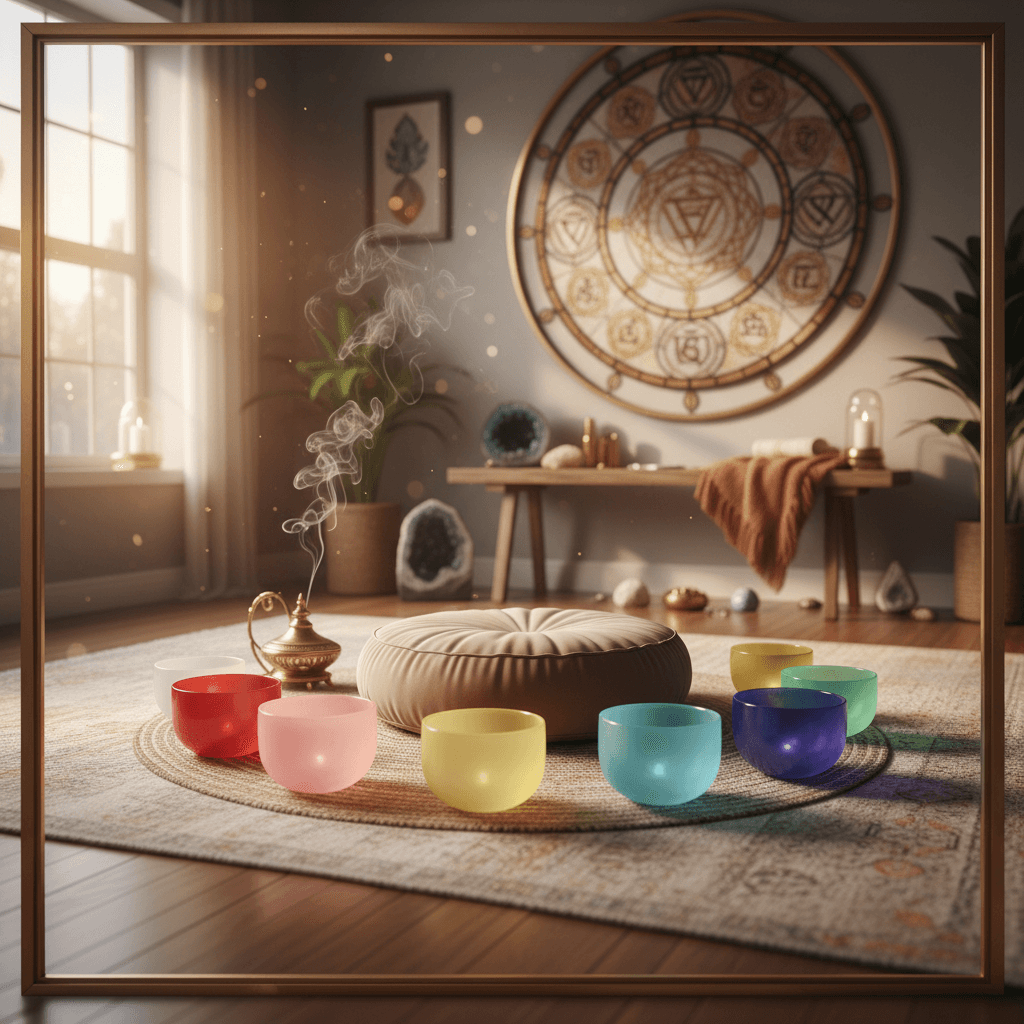
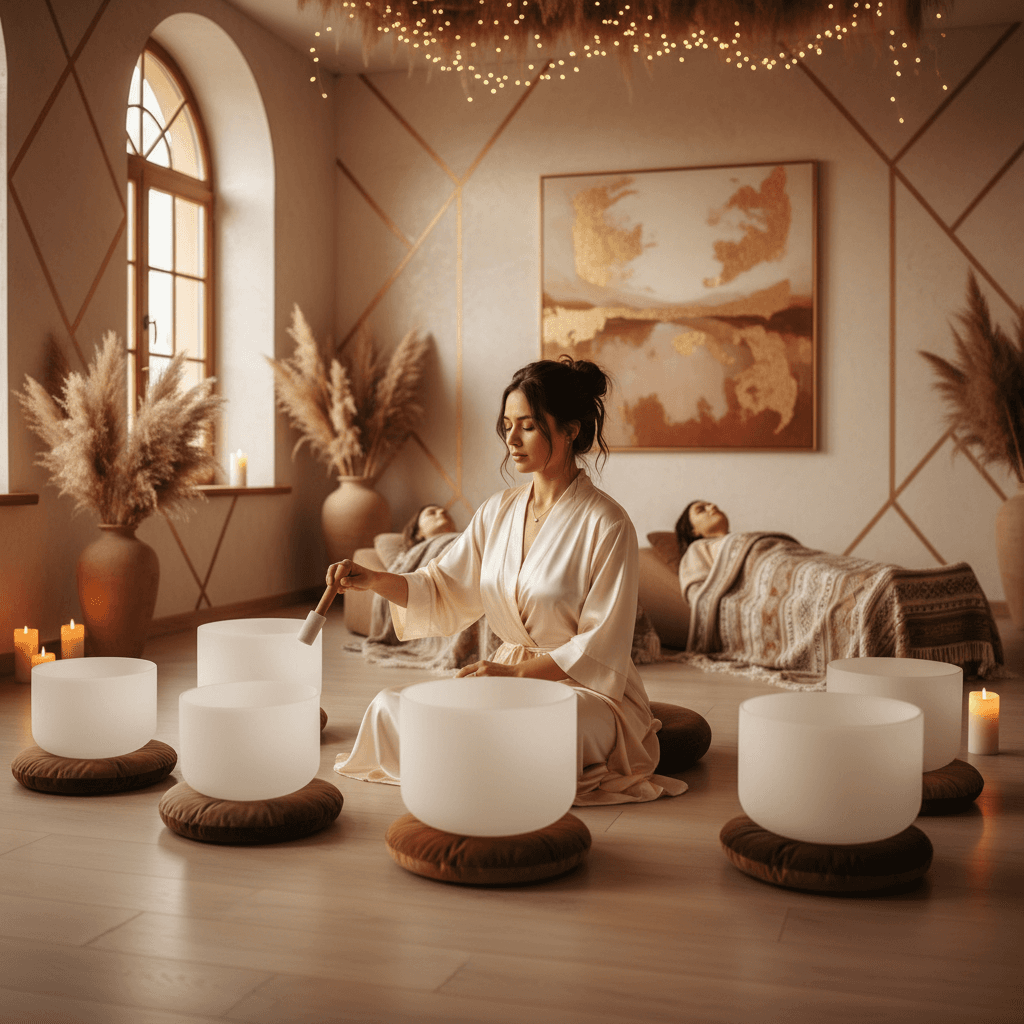
We utilize a carefully selected array of instruments, each with its unique vibrational signature. Our studio resonates with the profound depths of Himalayan singing bowls, the expansive power of gongs, the precise frequencies of tuning forks, and the pure, ethereal tones of crystal singing bowls. These instruments are played with intention, creating a rich tapestry of sound that permeates every cell, encouraging a state of profound calm and introspection.
Creating an Environment for Resonance and Rejuvenation
What makes the Soul Art method truly unique is the personalized attention and the serene, luxurious ambiance of our studio. Every detail is meticulously designed to facilitate deep relaxation and sensory immersion. Larissa Steinbach guides participants through each session, fostering a space where the body feels safe to release tension and the mind can quiet its ceaseless chatter.
By offering a refuge from the external pressures of daily life, Soul Art aims to activate the body's inherent capacity for self-healing and balance. We focus on gentle, sustained sound waves that encourage the brain to enter states associated with deep meditative rest, such as alpha and theta. This deep relaxation may allow the body's natural systems, including the endocrine system, to function more efficiently and harmoniously. Our aim is to provide a complementary pathway to support your journey towards enhanced vitality and inner peace.
Your Next Steps: Integrating Sound into Your Wellness Journey
Embarking on a journey of sound wellness is a powerful way to support your overall health and well-being, especially as you navigate the dynamic shifts of hormonal life. While sound practices are not a substitute for medical advice or treatment, they offer a profound complementary approach to stress management and self-care.
Here are some actionable steps you can implement today to begin integrating the power of sound into your routine:
- Mindful Listening Practice: Dedicate 5-10 minutes each day to simply listen to sounds around you without judgment. Pay attention to the subtle textures and frequencies in your environment. This practice enhances auditory awareness and cultivates presence.
- Explore Therapeutic Sound: Seek out high-quality sound baths, sound meditations, or guided sound journeys. Experience the profound relaxation that resonant frequencies can offer. Look for studios that prioritize intention and expertise, like Soul Art.
- Create a Calming Auditory Environment: Incorporate gentle, relaxing music or nature sounds into your daily life, especially during moments of stress or before sleep. This can help regulate your nervous system and promote a sense of calm.
- Hydration and Nutrition: Support your body's systems, including hormonal balance, by maintaining good hydration and consuming a nutrient-rich diet. These foundational elements enhance the benefits of any wellness practice.
- Consult Your Healthcare Provider: If you have specific hormonal concerns or medical conditions, always discuss them with your doctor. Sound wellness is a supportive practice and should be integrated alongside professional medical guidance.
By taking these steps, you empower yourself to embrace a more holistic approach to well-being, inviting harmony into your life one resonant frequency at a time.
In Summary: Harmonizing Your Inner Frequencies
The intricate connection between estrogen and our auditory system reveals a fascinating aspect of female physiology. From influencing how our brain processes sound to potentially impacting long-term hearing health, estrogen plays a subtle yet significant role. While sound wellness does not claim to directly "treat" hormonal conditions, it serves as a powerful holistic wellness tool.
By fostering deep relaxation, reducing stress, and potentially supporting neural plasticity, sound practices offer a complementary pathway to support overall hormonal balance and enhance well-being. Soul Art, under the guidance of Larissa Steinbach, provides a serene haven for you to explore these profound connections. Through expertly curated sound journeys, we invite you to harmonize your inner frequencies and discover a deeper state of peace and vitality.
Bookings Coming Soon
Soul Art is still in preparation. Session details and booking will be published here after launch.
Coming Soon
Wellness Disclaimer: This article is for educational and informational purposes only. It does not constitute medical advice, diagnosis, or treatment. Soul Art Dubai provides non-medical wellness experiences focused on relaxation, stress management, and general wellbeing. Sound wellness is a complementary practice and should not replace professional medical care.
Related Articles
HRT & Sound Therapy: A Synergistic Path to Hormonal Well-being

Nurturing Implantation: Sound Wellness During the Two-Week Wait

Womb Healing: Deep Feminine Restoration at Soul Art Dubai