Epilepsy & Sound: Insights for Wellness Practitioners

Key Insights
Explore the complex interplay between sound, brainwaves, and epilepsy, offering insights for wellness practitioners at Soul Art Dubai and beyond.
The world around us is a symphony of frequencies, often unheard, yet constantly influencing our nervous systems. But what happens when these auditory landscapes meet the intricate, sometimes turbulent, electrical activity of the epileptic brain? For wellness practitioners, understanding the nuanced relationship between sound and epilepsy is not just fascinating science; it's a critical component of informed, empathetic client care. At Soul Art, Dubai's premier sound wellness studio, we delve deep into these connections to provide safe, supportive, and deeply resonant experiences.
Many might be surprised to learn that certain sounds, particularly specific musical compositions, have been explored for their potential influence on epileptic brain activity. However, the interaction is far from simple, encompassing both potentially beneficial and, in rare instances, challenging effects. This article will unravel the current scientific understanding, offer practical considerations for practitioners, and highlight how a mindful, research-informed approach is paramount in this delicate field of wellness.
The Science Explained: Unpacking the Brain's Auditory Response
The human brain is an extraordinary orchestrator of electrical impulses, generating neural oscillations, or brainwaves, that underlie every thought, feeling, and action. In individuals with epilepsy, these brainwaves can sometimes deviate from their typical patterns, forming rhythmic bursts of abnormal electrical activity that manifest outwardly as seizures. The intricate dance between external sound waves and these internal brainwaves forms the basis of our exploration into sound wellness for epilepsy.
Neural Oscillations and Soundwave Interaction
Sound, at its core, is a vibration that travels through a medium, reaching our ears as a waveform. When two waveforms meet, such as an external audible soundwave and an internal brainwave, they can superimpose onto one another. This superposition can lead to various outcomes: constructive interference, where amplitudes combine to create a stronger signal; destructive interference, where they cancel each other out; or mixed interference, a combination of both. Some preliminary research suggests that the brain’s electrical activity may be influenced by these external auditory inputs.
The brain's ability to process and respond to sound is fundamental to how we interact with our environment. Our auditory system not only detects frequencies but also interprets complex patterns, rhythms, and tones, which can evoke a wide range of physiological and emotional responses. It's this profound connection between sound and our internal states that makes sound wellness a powerful, albeit nuanced, area of study and practice for individuals with epilepsy.
Auditory Interventions: The Mozart Effect and Beyond
Much of the research exploring sound's effect on epilepsy has focused on music, particularly the Mozart Sonata for Two Pianos in D major, K. 448. Numerous studies have investigated this specific composition, reporting variable reductions in seizures and interictal epileptiform discharges (IEDs – abnormal electrical activity between seizures). Mean seizure reductions ranging from 21% to 54% and IED reductions from 12% to 82% have been observed in some of these interventional studies.
However, it is crucial to note that significant clinical and methodological heterogeneity exists across these studies. This means that study designs, participant characteristics, and measurement methods have varied widely, making direct comparisons and definitive conclusions challenging. While the potential anti-epileptic mechanism of Mozart K.448 remains largely unknown, this body of work has opened doors to considering how specific sound patterns might interact with neural circuits. Conversely, other musical exposures, such as Hayden's Symphony No. 94, have appeared to be pro-epileptic in some contexts, highlighting the complexity and individual variability of auditory responses. This underscores the need for extreme caution and personalized approaches in sound wellness practices for clients with epilepsy.
The Nuance: Musicogenic Epilepsy and Individual Responses
While some sounds may offer a calming or potentially modulatory effect, it's vital for practitioners to be aware of musicogenic epilepsy. This is a rare form of reflex epilepsy where seizures are specifically triggered by listening to music or even thinking about music. The triggers can be highly specific, ranging from certain genres, instruments, or even individual pieces of music. This phenomenon underscores the highly individualized and sometimes unpredictable nature of the brain's response to sound in individuals with epilepsy.
"The spectrum of auditory experiences for individuals with epilepsy is broad, ranging from profound relaxation to potential triggers. A practitioner's role is to navigate this spectrum with immense sensitivity and an unwavering commitment to safety."
This duality — sound as a potential support and sound as a possible trigger — emphasizes that a "one-size-fits-all" approach to sound wellness for epilepsy is inappropriate and potentially counterproductive. Each individual’s brain processes auditory information uniquely, and their specific neurological profile, including seizure type and triggers, must be understood and respected.
The Science of Neural Modulation
The underlying hypothesis in exploring sound's impact on epilepsy revolves around the concept of neural modulation. Abnormal rhythmic bursts of electrical activity during seizures involve synchronized neural firing. Sound, particularly rhythmic and repetitive auditory stimuli, has the capacity to influence brainwave patterns. For instance, binaural beats or specific frequencies are designed to entrain brainwaves into desired states, such as alpha for relaxation or theta for meditation.
It is theorized that certain auditory inputs might gently guide the brain's electrical activity away from seizure-prone states, or perhaps, by promoting deep relaxation, reduce overall nervous system excitability. While the precise mechanisms connecting specific sounds to reductions in epileptiform activity are still under active investigation, the broad principle of sensory input influencing brain states provides a compelling area for continued exploration within a wellness context.
How It Works in Practice: Crafting a Safe Auditory Experience
Translating scientific insights into practical wellness applications for individuals with epilepsy requires a delicate balance of knowledge, caution, and individualized care. The goal is to create environments and experiences that may support overall well-being and nervous system regulation, without making any medical claims or interfering with conventional treatment.
Crafting the Auditory Experience for Relaxation
For practitioners, the focus is on creating a calming and predictable auditory environment. This involves selecting sounds that are generally perceived as soothing and non-intrusive. Gentle, continuous soundscapes, such as nature sounds (e.g., soft rain, ocean waves) or ambient music with a consistent rhythm and minimal abrupt changes, may be more conducive to relaxation. The absence of sudden loud noises or highly stimulating sonic textures is paramount.
The intensity and volume of sound also play a critical role. Sessions should always be conducted at a low to moderate volume, ensuring that the sound is present but never overwhelming. The aim is to invite the client into a state of deep relaxation, where the nervous system can downregulate, rather than excite. This deep relaxation has been associated with reduced stress, which may indirectly support overall health for individuals with epilepsy.
The Power of Nervous System Regulation
Sound wellness practices, when carefully administered, are powerful tools for promoting nervous system regulation. Many people report that engaging with calming sounds helps to reduce stress, anxiety, and general nervous tension. For individuals managing epilepsy, the experience of a relaxed nervous system can be profoundly beneficial for overall well-being.
Preliminary studies indicate that exposure to specific auditory stimuli, such as particular music, has been associated with significant reductions in seizure occurrence in some subjects with various types of epilepsy. These observations suggest the potential for sound as a complementary, non-invasive, and non-pharmacologic approach to support general well-being alongside medical management. The core benefit of sound wellness in this context is its capacity to foster states of calm and mental clarity, which are universally beneficial for stress management.
Monitoring and Adaptation
Client safety and comfort are the absolute priorities. Practitioners must establish clear communication channels with clients about their experiences, both during and after sessions. This includes asking about any discomfort, triggers, or changes in sensation. A detailed intake form should ideally cover medical history, including epilepsy diagnosis, seizure types, current medications, and known triggers.
It is crucial to start with very gentle, short exposures and gradually increase duration or complexity based on individual tolerance and comfort. What works for one person may not work for another, and flexibility in approach is essential. This personalized, adaptive methodology ensures that the sound experience remains a supportive, rather than challenging, part of their self-care journey.
The Soul Art Approach: Intentional Soundscapes by Larissa Steinbach
At Soul Art, Dubai, our philosophy is deeply rooted in the understanding that sound, when wielded with intention and expertise, can be a profound conduit for well-being. Larissa Steinbach, our founder and lead practitioner, brings a wealth of knowledge and a compassionate approach to crafting sound experiences, particularly for those seeking complementary support for complex conditions like epilepsy.
Curating Harmonious Frequencies
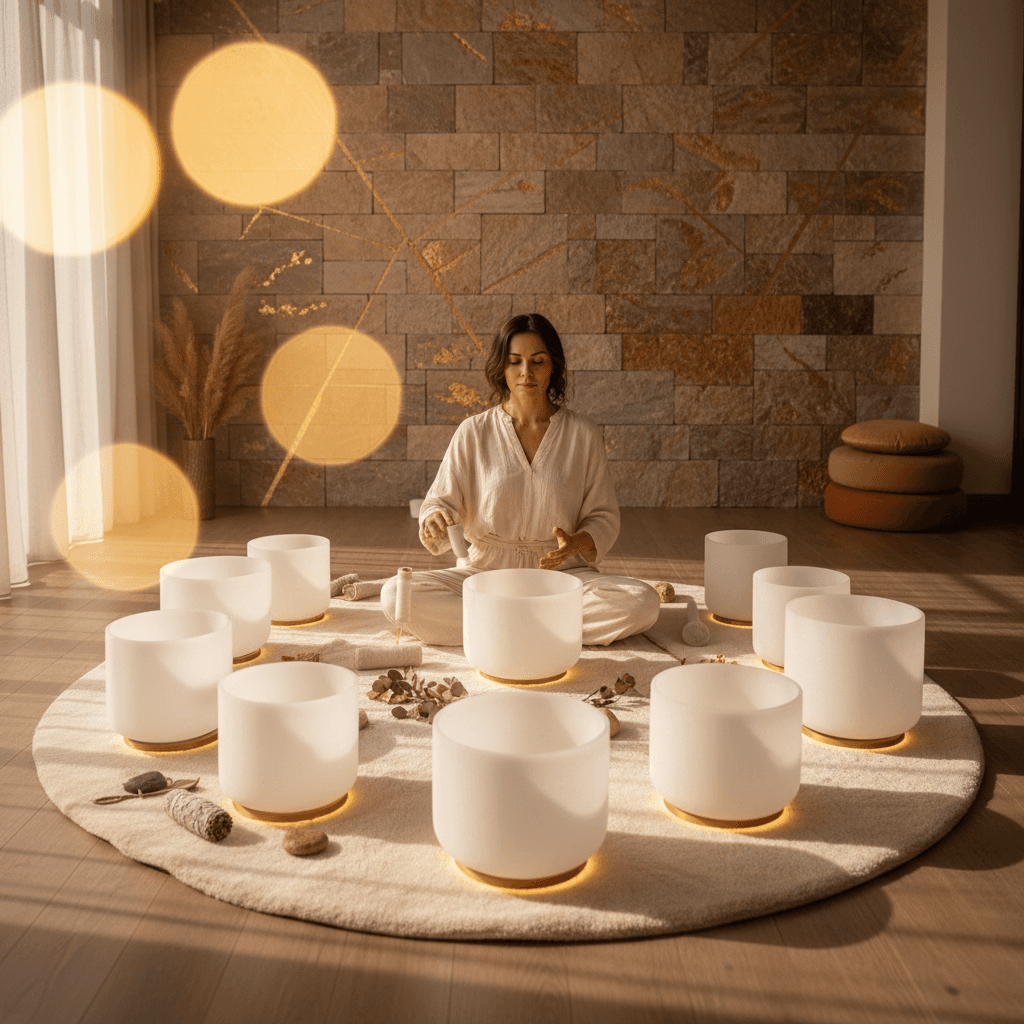
Larissa Steinbach's method at Soul Art emphasizes creating meticulously curated soundscapes that prioritize safety, gentle immersion, and nervous system nourishment. Rather than seeking to "treat" a condition, the focus is on fostering an environment where the body and mind can find deeper states of relaxation and balance. This involves the careful selection of instruments known for their gentle, sustained resonance, such as high-quality crystal singing bowls, gongs played with immense sensitivity, chimes, and other therapeutic percussion.
Each sound journey is approached with a deep respect for the individual's unique physiological and emotional landscape. Larissa understands the scientific insights into how sound waves interact with brainwaves, ensuring that the frequencies and rhythms chosen are generally considered calming and supportive, avoiding any known or suspected potential triggers. The ambient sound environment is designed to be consistent and predictable, fostering a sense of security and ease.
Personalized Sound Wellness Journeys
What makes the Soul Art method unique is its commitment to personalization and sensitivity. Larissa Steinbach conducts thorough consultations to understand each client's specific needs, preferences, and any known sensitivities, especially concerning sound. For clients with epilepsy, this involves a particularly detailed discussion to ensure that all aspects of the sound experience are tailored to their comfort and safety.
The session design may incorporate specific frequencies or tonal patterns that have been anecdotally associated with relaxation and stress reduction. However, the overarching goal is always to create a deeply immersive and restorative experience that invites the client into a state of profound calm. This is achieved through a combination of carefully chosen instruments, precise playing techniques, and Larissa’s intuitive understanding of sound's capacity to soothe and balance.
A Sanctuary for Self-Care
Soul Art provides a sanctuary where clients can explore the potential benefits of sound wellness as a complementary approach to their existing self-care routines. It's a space designed to support stress management, enhance mental clarity, and promote emotional equilibrium. For those navigating the complexities of epilepsy, Soul Art offers a supportive environment to experience moments of tranquility and deep relaxation, which are invaluable for overall well-being. The emphasis is always on empowering individuals to discover tools for their own self-regulation and peace, acknowledging that these practices integrate seamlessly with, but never replace, conventional medical care.
Your Next Steps: Guiding Clients with Care
As wellness practitioners, our role is to empower clients with safe, informed choices that complement their medical care. Approaching individuals with epilepsy requires heightened sensitivity, clear boundaries, and a collaborative spirit with their healthcare providers.
Here are practical steps to guide clients seeking sound wellness:
- Prioritize Medical Consultation: Always advise clients to consult with their neurologist or primary care physician before engaging in any new wellness practice, including sound baths. Emphasize that sound wellness is a complementary approach, not a replacement for medical treatment or medication.
- Thorough Intake and Communication: Conduct a detailed intake process that specifically asks about epilepsy diagnosis, seizure types, known triggers (especially auditory), medications, and any previous experiences with sound. Maintain open communication throughout the session, encouraging clients to voice any discomfort immediately.
- Start Gently and Observe: Begin with very short, gentle exposures to sound. Opt for low-frequency, sustained tones, or ambient sounds at a low volume. Closely observe the client's responses and be prepared to adjust or stop the session if any signs of discomfort or distress appear.
- Educate on Individual Variability: Clearly explain that responses to sound are highly individual and that what is calming for one person may not be for another. Emphasize the importance of listening to their own body and intuition.
- Focus on Relaxation and Stress Reduction: Frame sound wellness sessions for clients with epilepsy primarily around stress management, relaxation, and nervous system regulation. These are universal wellness benefits that can indirectly support overall health, while steering clear of any claims related to seizure control or treatment.
In Summary: Embracing Mindful Sound
The relationship between sound and epilepsy is a complex, yet promising, area of exploration within wellness. While scientific research highlights the potential for certain sounds to influence brainwave activity and even reduce epileptiform discharges in some individuals, the field is marked by heterogeneity and the need for more rigorous study. Crucially, practitioners must also be aware of musicogenic epilepsy, where sound can act as a trigger.
At Soul Art, Larissa Steinbach champions a mindful, scientifically-informed approach to sound wellness. Our focus is on providing deeply relaxing, stress-reducing experiences that complement traditional medical care. By understanding the nuances of how sound interacts with the epileptic brain and prioritizing individualized care, wellness practitioners can offer valuable support, fostering calm and enhancing overall well-being. We invite you to explore the gentle power of intentional sound and discover a unique pathway to inner peace.
Bookings Coming Soon
Soul Art is still in preparation. Session details and booking will be published here after launch.
Coming Soon
Related Articles
Unlock Deeper Healing: Recording Your Own Sound Journeys with Soul Art
Water Consciousness: Sound's Subtle Influence on H2O for Wellness

The Silent Symphony: Plant Bioacoustics & Human Wellness