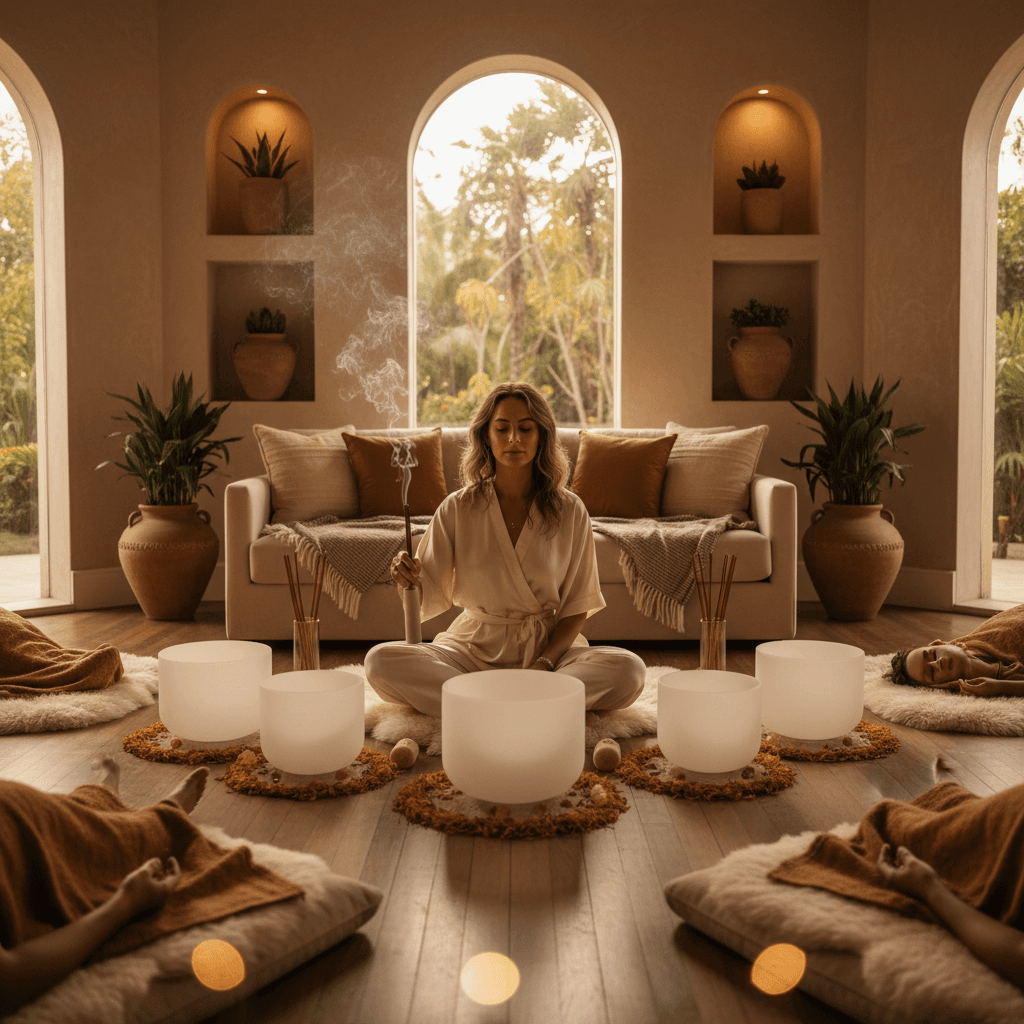
Unlock Dream Potential: Sound for Lucid Dreaming at Soul Art
Key Insights
Explore the fascinating science of lucid dreaming and how targeted sound cues can enhance conscious dream states. Discover Soul Art's unique approach with Larissa Steinbach.
Have you ever heard the timeless advice to "sleep on it" when faced with a perplexing problem or a difficult decision? This common wisdom, long considered anecdotal, is now finding intriguing validation in the realm of modern neuroscience. What if the solution to your waking challenges, or a profound journey of self-discovery, lay not just within your dreams, but through your conscious engagement with them?
Welcome to the captivating world of lucid dreaming, where you become an active participant in your dreamscapes. This isn't merely about remembering your dreams; it's about becoming aware that you are dreaming while you are dreaming. At Soul Art, we explore how cutting-edge research, particularly in the innovative field of sound wellness, may support this extraordinary state of consciousness, offering a powerful avenue for creativity, problem-solving, and emotional healing. Join us as we delve into the science and practice of using sound to awaken the dreamer within.
The Science Explained: Awakening in the Dream World
Lucid dreaming is a remarkable state where an individual gains awareness of being in a dream. This meta-cognition—the ability to think about one's own thinking—within the dream environment opens up a profound canvas for exploration and self-discovery. Recent scientific inquiries have begun to demystify how we can reliably induce and leverage this powerful phenomenon.
The Neuroscience of Dreams and Lucid States
During Rapid Eye Movement (REM) sleep, the stage most associated with vivid dreaming, the brain is remarkably active. Researchers like Ken Paller and his team at Northwestern University have been at the forefront of expanding the boundaries of dream research, demonstrating that people can be trained to have lucid dreams. This heightened state of awareness in a dream correlates with increased communication between specific brain regions.
Studies utilizing fMRI and EEG have shown heightened activity and connectivity between the brain's metacognition center, the prefrontal cortex, and parietal and temporal structures, which are linked to high-level cognition. This suggests that frequent lucid dreamers may possess a greater capacity for cognitive control and self-awareness, even in their waking lives. The activation of these regions during lucid dreaming is what allows for the profound self-awareness that characterizes the experience.
Targeted Memory Reactivation (TMR) and Targeted Lucidity Reactivation (TLR)
A key breakthrough in influencing dreams has been the development of Targeted Memory Reactivation (TMR). This technique involves intentionally pairing specific external sensory cues, such as sounds or smells, with memories or concepts that are intended to be reinforced during sleep, particularly REM sleep. TMR leverages the brain’s natural process of memory consolidation during sleep, allowing for the subtle reactivation of information.
Building on TMR, researchers developed Targeted Lucidity Reactivation (TLR), a two-part approach specifically designed to induce lucid dreams. The first part involves nightly pre-sleep training, often delivered via a smartphone app, which guides participants to focus on becoming lucid by observing their physical, mental, and emotional states, and their surroundings. The second part involves reactivating this intention with a specific sound cue played during sleep, once brain monitoring confirms the participant is in REM sleep.
Groundbreaking studies from Northwestern University, featuring the work of Karen Konkoly, have provided compelling evidence for the effectiveness of TLR. In one experiment, participants who received the real sound cue showed a significant increase in lucid dreaming, with 17% experiencing lucidity compared to only 5% in control groups on subsequent nights. Another app-based study showed participants averaging 2.11 lucid dreams per week, a dramatic increase from their baseline of 0.74 dreams. The study was also the first to include a robust control group, confirming that the effects were due to the TLR process rather than mere expectation or sleep disruption. Dream logs from participants further solidified these findings, with individuals describing incorporating the sound cues into their dream narratives, eventually realizing they were dreaming.
Sound's Role: Beyond Binaural Beats
When considering sound's influence on sleep and dreams, binaural beats often come to mind. This phenomenon, where two slightly different frequency tones played into each ear create the perception of a third, illusory tone, is associated with brainwave entrainment. Some research suggests that inducing specific brainwave states, such as theta waves (often linked with relaxation, meditation, and light sleep), could indirectly support lucid dreaming by fostering a relaxed yet aware state at sleep onset.
However, it's important to note that direct, solid peer-reviewed research specifically linking binaural beats to increased lucid dream induction remains limited, as highlighted by Ryan Hurd of Dream Studies Portal. While theta wave induction has been associated with improved focus and mood in cognitive tasks (Lane et al., 1998), the direct application to lucid dreaming is more nuanced. The potent impact of sound on lucid dreaming, as demonstrated by Northwestern’s research, primarily lies in its role as a targeted sensory cue, a specific, learned signal that serves as a powerful prompt for awareness within the dream state, rather than simply general brain entrainment.
How It Works in Practice: Engineering Conscious Dreamscapes
The scientific understanding of sound's capacity to influence our dreams translates into powerful practical applications. Imagine preparing for sleep with a clear intention, supported by a precisely chosen auditory landscape. This is where the magic begins to unfold, guiding the mind toward conscious exploration during its deepest rest.
In practice, the journey to lucid dreaming often starts before sleep. This pre-sleep training involves setting a clear intention to become lucid, perhaps by repeating a mantra or visualizing yourself becoming aware within a dream. This mental preparation primes the subconscious, creating a pathway for the targeted sound cues to act upon.
As you drift into sleep, specially designed sound cues are introduced during the REM stage. These are not merely background noises; they are signals intentionally linked to your pre-sleep intentions. For some, it might be a subtle chime, a specific frequency, or a gentle drone. These sounds are designed to penetrate the dream world, prompting the dreamer to recognize the cue and, by extension, recognize that they are dreaming. One participant, for instance, described hearing a beeping sound during a dream about a supermarket, which then served as a reminder to become lucid.
The practical benefits of this method extend far beyond mere novelty. Research indicates that incorporating puzzles or problems into dreams, even non-lucid ones, significantly boosts the likelihood of solving them upon waking. Participants who dreamed about unsolved puzzles had a 42% solve rate compared to 17% for those who didn't. This suggests that the brain continues to process and seek solutions during sleep, and sound cues can steer this subconscious problem-solving.
"Your dreams are such a big part of your inner life," notes Karen Konkoly. "This study provides one of the first experimentally grounded demonstrations of such a link, where sound can unlock the potential of that inner world for problem-solving and self-discovery."
Beyond problem-solving and creativity, sound-induced lucid dreaming holds promise as a wellness practice for reducing the severity and frequency of nightmares. By becoming lucid during a nightmare, individuals gain the ability to confront or change the dream narrative, transforming frightening experiences into empowering ones. This process can significantly improve sleep quality and reduce associated anxiety and depressive symptoms, fostering a greater sense of control and wellbeing. Furthermore, recent landmark research has even demonstrated two-way, real-time communication with lucid dreamers, with participants responding to math problems and yes/no questions through eye movements or facial expressions, opening up incredible new avenues for dream exploration and interaction.
The Soul Art Approach: Harmonizing Science with Spirit
At Soul Art, founded by the visionary Larissa Steinbach, we embrace the cutting edge of dream research while grounding our practices in ancient wisdom and the profound power of vibrational healing. Our approach to "Dream Work: Sound for Lucid Dreaming" is a unique blend of scientific precision and holistic wellness, designed to guide you into deeper states of consciousness and self-awareness.
Larissa Steinbach believes that sound is a universal language, capable of communicating with our deepest subconscious. Our sessions are meticulously crafted to prepare your mind and body for the journey into lucid dreaming. We combine elements of focused meditation and breathwork, guiding you to set clear intentions for your dream experience. This pre-sleep training component is crucial, aligning with the scientific principles of Targeted Lucidity Reactivation.
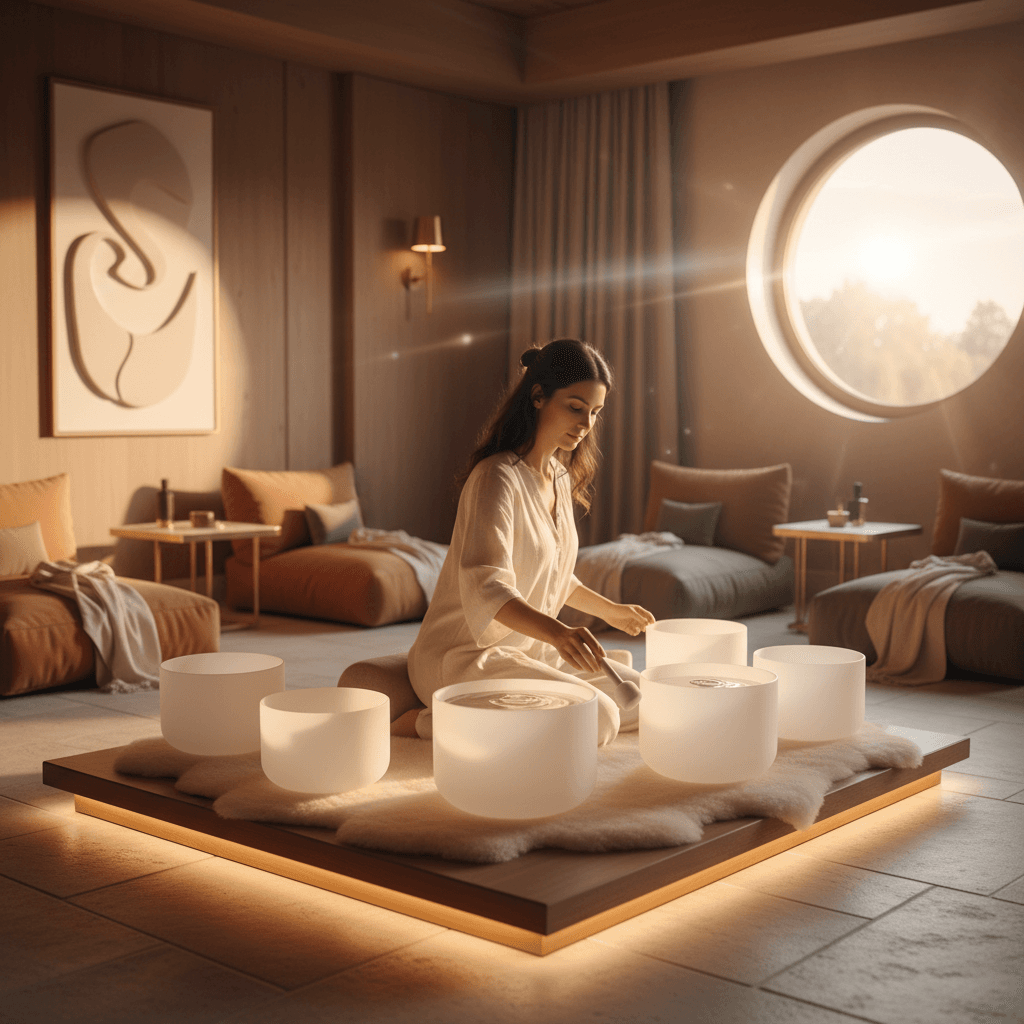
During our specialized sound baths and individual sessions, we utilize a carefully selected array of instruments, each chosen for its specific energetic and vibrational properties. Tibetan singing bowls, crystal bowls, gongs, chimes, and tuning forks are employed to create intricate soundscapes. These sounds are not random; they are often designed to evoke states of deep relaxation and subtle awareness, potentially preparing the brain for states conducive to lucid dreaming. The sustained, resonant tones of gongs and crystal bowls, for example, may facilitate a gentle transition into meditative states, aligning with the indirect benefits of focused relaxation before sleep.
What truly distinguishes the Soul Art method is the personalized and immersive environment we create. We focus on curating an experience that not only encourages relaxation but also provides a "soft cue" – a signature sound or sequence that, through consistent practice and intention, may become associated with the lucid state. While we do not use invasive monitoring equipment, our guided meditations and sound journeys aim to replicate the pre-sleep training and gentle auditory cues in a serene, luxurious setting. Our purpose is to provide a complementary pathway for individuals seeking to explore the potential of their dreams for creativity, insight, and emotional balance, all under the expert guidance of Larissa Steinbach.
Your Next Steps: Cultivating Your Dream Life
Embarking on the journey of lucid dreaming is a profound act of self-discovery and empowerment. While Soul Art offers guided experiences, there are several practices you can integrate into your daily life to cultivate a richer and more conscious dreamscape. Consistency and curiosity are your greatest allies in this exploration.
Here are some practical steps you can take to begin your own dream work:
- Start a Dream Journal: Immediately upon waking, before your dreams fade, write down everything you remember. This practice significantly enhances dream recall and helps you identify recurring themes, symbols, and "dream signs" that can trigger lucidity.
- Practice Reality Checks: Throughout your day, pause and ask yourself, "Am I dreaming?" Look for subtle inconsistencies in your environment, try pushing your finger through your palm, or check the time twice to see if it changes. Regular reality checks in waking life can translate into similar actions during dreams, triggering lucidity.
- Set Clear Intentions Before Sleep: Before drifting off, clearly state your intention to become lucid. You might repeat a phrase like, "Tonight, I will become aware that I am dreaming." Visualize yourself recognizing you're in a dream and engaging with it consciously.
- Incorporate Mindful Awareness: Practice mindfulness throughout your day to heighten your general awareness. The more present you are in your waking life, the more likely you are to bring that presence into your dreams.
- Explore Sound Wellness: Consider incorporating gentle, calming sound practices into your pre-sleep routine. While not directly inducing lucidity, sound baths, meditative music, or specific frequencies can create a deeply relaxing environment conducive to better sleep and potentially more vivid, memorable dreams.
By integrating these wellness practices, you create fertile ground for the seeds of lucidity to grow. Soul Art is here to support you on this remarkable journey, offering a unique blend of scientific insight and vibrational healing to unlock the vast potential of your inner world.
In Summary: The Conscious Dreamer's Path
The realm of dreams, long considered a mysterious landscape, is increasingly being understood as a powerful frontier for personal growth and insight. Scientific research has illuminated how targeted sound cues and pre-sleep training can act as catalysts for lucid dreaming, transforming passive dreamers into active explorers of their subconscious minds. From enhancing problem-solving abilities and fostering creativity to providing a unique method for navigating and alleviating nightmares, the potential benefits are profound.
At Soul Art, Larissa Steinbach brings this compelling science to life through bespoke sound wellness experiences. Our meticulously designed sessions offer a sophisticated and empathetic approach, harmonizing ancient vibrational wisdom with modern neuroscientific understanding. By inviting you to experience "Dream Work: Sound for Lucid Dreaming," Soul Art offers a complementary path to deeper self-awareness, emotional balance, and an enriched inner life. Discover the conscious dreamer within you and unlock new dimensions of well-being.
Bookings Coming Soon
Soul Art is still in preparation. Session details and booking will be published here after launch.
Coming Soon
Wellness Disclaimer: This article is for educational and informational purposes only. It does not constitute medical advice, diagnosis, or treatment. Soul Art Dubai provides non-medical wellness experiences focused on relaxation, stress management, and general wellbeing. Sound wellness is a complementary practice and should not replace professional medical care.
Related Articles
Harmonic Blueprints: Unveiling Sacred Geometry Through Sound at Soul Art
Astral Projection: Exploring Consciousness with Sound Wellness
Devotional Sound: Heart Offerings – Aligning Your Inner Resonance