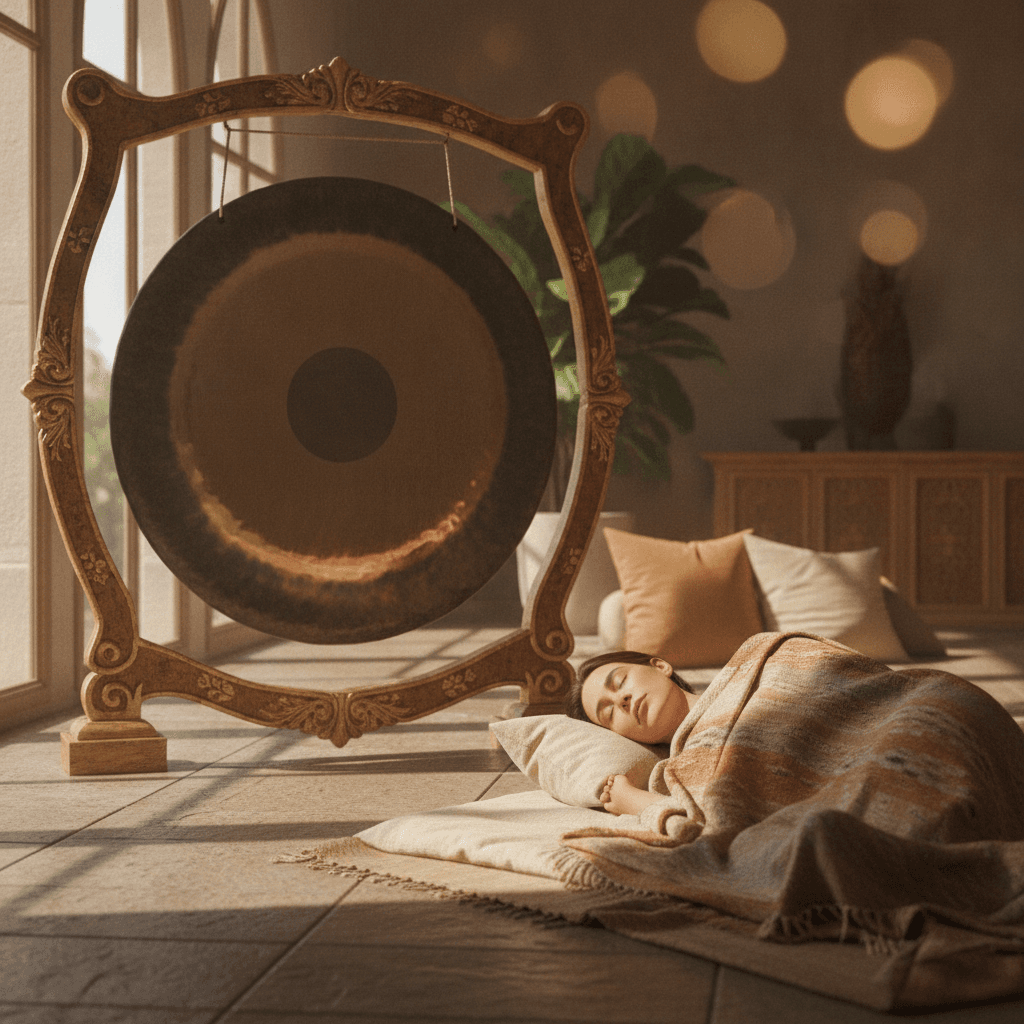
Desert Silence: Restoring Your Nervous System & Brain Health

Key Insights
Discover how the profound quiet of Dubai's desert, amplified by Soul Art's sound wellness, supports nervous system regulation, stress reduction, and mental clarity. Learn from Larissa Steinbach.
In the vibrant, fast-paced heart of Dubai, a paradox of profound calm exists just beyond the city's edge: the vast, hushed expanse of the desert. While our modern lives constantly bombard us with noise and stimulation, the ancient wisdom of silence holds a powerful key to unlocking deep restorative states for our nervous system and brain health. But how exactly does this quietude, especially in such an awe-inspiring natural setting, profoundly impact our inner world?
At Soul Art, Dubai's premier sound wellness studio founded by Larissa Steinbach, we explore and amplify this very connection. This article delves into the compelling science behind silence, revealing how it doesn't just offer a temporary escape, but actively promotes healing, mental clarity, and emotional regulation. Join us as we uncover how embracing the desert's quiet, alongside intentional sound practices, may support a profound shift in your overall well-being.
The Science Explained
Our bodies and minds are constantly reacting to the world around us. In an age dominated by information overload, digital notifications, and urban clamour, our nervous systems are often stuck in a state of hyper-alertness. Understanding the physiological mechanisms at play can illuminate why carving out moments of true silence is not a luxury, but a necessity for optimal health.
Understanding Your Nervous System in a Noisy World
The autonomic nervous system (ANS) governs our involuntary bodily functions, neatly divided into two primary branches: the sympathetic nervous system (SNS) and the parasympathetic nervous system (PNS). The SNS is responsible for our "fight, flight, or freeze" response, releasing stress hormones like cortisol and adrenaline to prepare us for perceived danger. In contrast, the PNS promotes "rest and digest" states, facilitating calm, healing, and restoration.
In today's continuously stimulating environments, many individuals find their SNS chronically activated, leading to persistent stress, anxiety, and exhaustion. This prolonged state of hyperactivation can disrupt trauma and nervous system regulation, manifesting as chronic stress, emotional dysregulation, and even physical discomfort. Shifting towards PNS dominance is crucial for promoting bodily recovery and mental equilibrium.
The Profound Impact of Silence on Brain & Body
Silence is far more than just the absence of noise; it's an active ingredient for neurological and physiological restoration. Scientific studies consistently demonstrate that incorporating quiet time into a daily routine offers a wide range of tangible benefits for both the brain and body. This powerful influence begins at a fundamental biological level, fostering an environment where healing and growth can thrive.
One of the most immediate effects of silence is a significant reduction in cortisol levels, the body’s primary stress hormone. Research indicates that even a few minutes of quiet can help alleviate chronic stress, leading to improved moods, enhanced performance, and better recovery. This natural decrease in stress hormones supports the body's ability to relax by increasing the activity of the parasympathetic nervous system, which helps us to "rest and digest" more effectively.
Beyond stress reduction, silence has been associated with remarkable benefits for brain growth and function. A 2012 study, for instance, showed that silence may enhance neurogenesis in the hippocampus, a brain region critical for learning, memory, and emotional regulation. This suggests that during periods of relaxation, the brain can better learn and improve cognitive abilities, positively affecting concentration and recovery. Some research further indicates that silence can stimulate the growth of new brain cells in parts of the brain responsible for learning and decision-making, offering a biological basis for improved mental acuity.
"Silence allows for interoception, which is the ability to tune in to your internal body sensations. In silence, the mind has a chance to rest — and perhaps, to grow in ways we’re only beginning to understand."
Neuropsychologists like Guillaumot highlight that quiet periods may promote self-awareness and neuroplasticity. This means silence can enhance interoception, our capacity to sense and interpret internal bodily signals, from heartbeat to subtle tension. By fostering this internal awareness, silence helps us understand our physical and emotional states more deeply, contributing to holistic well-being. The mind, given a chance to rest in silence, appears to grow and adapt in ways that are still being explored by science.
Furthermore, silence plays a pivotal role in restoring mental energy. Psychology studies illustrate that unplugging allows the brain to recharge effectively, reducing fatigue and promoting higher quality rest. This restoration helps improve awareness during various tasks, as the brain learns to process emotions correctly without excessive stress or external distraction. These findings suggest that quiet doesn’t just soothe the nervous system but actively contributes to its growth and resilience.
Quieting the Mind: DMN and Emotional Regulation
In our modern lives, our minds are often caught in a whirlwind of thoughts, planning, and self-reflection. Much of this activity is linked to the Default Mode Network (DMN), a set of brain regions that become active when we are not focused on an external task, such as during mind-wandering or introspection. While the DMN is crucial for adaptive functions like insight, creative problem-solving, and simulating future outcomes, its hyperactivation has been associated with negative mood states, rumination, and distraction, particularly in various forms of psychopathology.
Silence offers a unique opportunity to modulate DMN activity. By reducing external stimuli, silence can help downregulate the DMN during times when sustained focus is required, thereby potentially improving accuracy, memory encoding, retrieval, and consolidation. Conversely, when engaged in self-reflective processes, silence provides the optimal context for constructive, adaptive mind-wandering, allowing for deeper self-evaluation and insight without the typical pull towards maladaptive rumination. The costs and benefits of DMN activation are highly context-dependent, and silence helps create the ideal context for its adaptive functions.
This modulation of the DMN contributes significantly to improved emotional regulation. Silence gives our emotional system a much-needed break and an opportunity to reset. Studies suggest that stillness calms the nervous system and helps reduce stress hormones, making the brain more adept at processing and regulating emotions. After periods of quiet, people often report becoming better at noticing early signs of emotional stress and responding with greater clarity, rather than immediate reactivity.
The benefits here are not fleeting; they may be lasting. Participants in silent retreats have reported steadier moods, fewer overreactions, and increased resilience, with these effects potentially enduring for weeks. Silence transforms brainwave activity from fast, high-alert beta waves to slower alpha and theta waves, which are associated with calm focus, creativity, and deep meditation states. By allowing the brain to quickly reach these deeper states, silence can help clear mental fog and enhance cognitive function, making it easier to process information and concentrate on inner experiences. This profound shift helps people focus on positive feelings more effectively and manage stress appropriately.
How It Works in Practice
Translating the intricate science of silence into a tangible, felt experience is where its true power unfolds. Imagine stepping away from the ceaseless hum of city life, the constant demands on your attention, and the relentless stream of information. In the profound quiet of the desert, amplified by the mindful practices at Soul Art, this theoretical understanding becomes a deeply personal journey of restoration.
The practice of silence offers an immediate invitation to tune into your inner world, a concept known as interoception. Without the external noise, the subtle signals from your body – the rhythm of your breath, the gentle pulse of your heart, the slight tension in your shoulders – become more perceptible. This heightened awareness is not just about noticing; it’s about acknowledging and understanding, forming a deeper connection with your physical self. This process may foster self-awareness, allowing for reflection on thoughts and emotions that might otherwise be suppressed or overlooked in a busy environment.
Physically, the embrace of true silence, particularly in a naturally tranquil setting like the desert, can induce a palpable sense of relaxation and release. The absence of external stressors allows the parasympathetic nervous system to gradually take over, signaling to your body that it is safe to rest and rejuvenate. Many individuals experience a softening of muscle tension, a slowing of the heart rate, and a profound unwinding of the body's protective mechanisms. It’s a return to a state of natural equilibrium, a gentle recalibration away from chronic alertness.
Emotionally, sustained quiet provides a crucial space for processing without immediate reaction. In our daily lives, we often react impulsively to triggers, driven by ingrained patterns. Silence offers a pause, a buffer zone where emotions can arise, be observed, and understood before a response is formulated. This enhanced emotional regulation translates to less reactivity and a greater capacity to navigate life’s challenges with calm and clarity. People report feeling calmer, clearer, and less prone to emotional overreactions, effects that studies suggest can endure long after the period of silence concludes.
Cognitively, the desert's quiet environment at Soul Art acts as a powerful catalyst for mental clarity and enhanced creativity. When the brain is no longer constantly processing external stimuli, its resources are freed up to focus internally. This allows for deeper concentration, more coherent thought patterns, and the emergence of insights that might be drowned out by noise. Many people find that solitude and silence allow them to connect with their "inner voice," leading to a boost in productivity and innovative thinking when it comes time to re-engage with tasks. The quiet helps clear the mental fog, allowing for clearer decision-making and a more focused approach to problem-solving. It’s like the brain remembers what it learned in the quiet, carrying the benefits into daily life.
The Soul Art Approach
At Soul Art, Larissa Steinbach has meticulously crafted an experience that harmonizes the intrinsic power of desert silence with the transformative energy of sound wellness. Our philosophy is rooted in the understanding that while silence offers a profound stillness, certain frequencies and vibrations can gently guide the nervous system even deeper into states of relaxation and healing, creating a synergistic effect that elevates the restorative journey. This unique approach goes beyond mere relaxation; it is a holistic method for nervous system regulation and mental recalibration.
Larissa Steinbach, with her deep understanding of vibrational therapy and the human energy system, ensures that each Soul Art session is a carefully curated journey. The studio environment itself is designed to complement the expansive quiet of the desert, providing a sanctuary where external distractions melt away. Here, the emphasis is on creating a space where clients can fully surrender to the experience, allowing the combined forces of silence and sound to work their magic.
The Soul Art method integrates the principles of brainwave entrainment, a process where rhythmic auditory stimulation encourages brainwaves to synchronize with targeted frequencies. For instance, specific soundscapes may guide the brain towards:
- Theta (4–7 Hz): Associated with emotional processing, deep meditation, and intuition.
- Alpha (8–12 Hz): Linked to relaxation, calm focus, and creative "flow" states.
- Delta (0.5–3 Hz): Corresponds with deep rest, restorative sleep, and physical healing.
These frequencies are carefully delivered through a selection of exquisite instruments, chosen for their purity of tone and resonant qualities. Guests may experience the deep, enveloping vibrations of Himalayan singing bowls, the expansive harmonics of gongs, and the precise frequencies of tuning forks. These instruments are not just played; they are wielded with intention, creating a sound bath that washes over the body, promoting physical and energetic alignment.
Furthermore, our sound wellness practices are designed to stimulate the vagus nerve, a crucial component of the parasympathetic nervous system. Activities such as humming or chanting, which are sometimes incorporated into sessions, can activate the vagus nerve, promoting immediate relaxation and shifting the body into a "rest and digest" state. This stimulation, combined with guided diaphragmatic breathing patterns, helps to reduce sympathetic overactivity and foster greater heart-rate variability (HRV), an indicator of a well-regulated nervous system. Larissa Steinbach’s expertise lies in facilitating this gentle yet powerful shift, empowering individuals to reclaim their inner calm.
The Soul Art approach is therefore a sophisticated dance between absence and presence – the deep absence of distracting noise, and the resonant presence of intentional sound. It’s a complementary practice that acknowledges the incredible healing power of silence while leveraging the scientific benefits of vibrational therapy to enhance emotional regulation, support cognitive function, and cultivate profound states of well-being.
Your Next Steps
Embracing the profound benefits of silence and sound does not necessarily require a complete overhaul of your life; it begins with intentional, small steps. Incorporating moments of quiet into your daily routine can gradually reprogram your nervous system, fostering lasting resilience and peace. The journey to a calmer, clearer self is accessible, and Soul Art is here to guide you deeper into this transformative practice.
Here are some practical ways to begin integrating more silence into your everyday life, drawing on principles that have shown significant benefits:
- Schedule "Silence Snacks": Start with just 5-10 minutes each day. Choose a quiet corner, put away your phone, and simply sit. Notice your breath, the sensations in your body, and the thoughts that arise without judgment. This deliberate pause helps restore mental energy and may reduce cortisol levels.
- Embrace Nature Without Devices: Take a walk in a local park or, if you're in Dubai, venture into a quieter part of the desert or a green space. Leave your headphones behind and simply listen to the natural sounds, or the absence of them. This allows for greater interoception and connection to your internal self.
- Mindful Morning or Evening Routines: Dedicate the first or last 15 minutes of your day to quiet reflection. This could involve journaling, gentle stretching, or simply sitting in stillness. Such practices can support emotional regulation and set a calmer tone for your day or a more peaceful transition to sleep.
- Conscious Breathing Breaks: Throughout your day, pause for a few cycles of conscious, deep breathing. Techniques like Box Breathing (inhale 4 sec → hold 4 sec → exhale 4 sec → hold 4 sec) can rapidly activate the parasympathetic nervous system and provide a mini-reset for your mind and body.
- Digital Detox Moments: Intentionally put your phone and other screens away for specific periods, even just an hour or two in the evening. This reduces cognitive load, minimizes external distractions, and creates space for your mind to process and rest.
For a deeper, more immersive experience that truly harnesses the power of silence and sound, we warmly invite you to explore the unique offerings at Soul Art. Larissa Steinbach and her team provide a sanctuary where you can fully immerse yourself in practices designed to regulate your nervous system, enhance brain health, and cultivate profound inner peace.
Bookings Coming Soon
Soul Art is still in preparation. Session details and booking will be published here after launch.
Coming Soon
In Summary
The silence of the desert offers far more than an escape from noise; it is a powerful catalyst for profound physiological and psychological well-being. Scientific research highlights its capacity to reduce stress hormones, foster neurogenesis, enhance self-awareness, and restore mental energy. By actively modulating our nervous system and brain activity, silence enables deeper emotional regulation and improved cognitive clarity.
At Soul Art, Larissa Steinbach expertly combines this natural quietude with the intentional power of sound wellness. This unique synergy provides a complementary approach to guide your brain into restorative states, supporting a recalibrated nervous system and a more peaceful mind. We invite you to experience this transformative journey, finding your calm in Dubai's serene desert sanctuary.
Wellness Disclaimer: This article is for educational and informational purposes only. It does not constitute medical advice, diagnosis, or treatment. Soul Art Dubai provides non-medical wellness experiences focused on relaxation, stress management, and general wellbeing. Sound wellness is a complementary practice and should not replace professional medical care.
Related Articles
AC Dryness, Stress & Restorative Sound Baths in Dubai
Harmonizing Presence: Your Guide to Group Sound Bath Etiquette at Soul Art Dubai
Harmonising Hospitality: Hotel Wellness Partnerships with Sound Practitioners