Embracing Cultural Humility for Inclusive Wellness
Key Insights
Discover how cultural humility fosters deeper connection and wellbeing in diverse wellness spaces, led by Larissa Steinbach at Soul Art Dubai.
Have you ever considered how your unique cultural background shapes your perception of wellness, healing, and even relaxation? In our beautifully diverse world, especially in a vibrant hub like Dubai, understanding these nuances is not just a courtesy—it's foundational to creating truly effective and inclusive wellness experiences. This exploration dives into cultural humility, a dynamic approach that moves beyond simple tolerance to foster genuine connection and deeper wellbeing.
At Soul Art, we believe that true wellness blossoms when every individual feels seen, understood, and respected in their entirety. This article will unravel the scientific backing behind cultural humility, illustrate its practical applications, and show how our founder, Larissa Steinbach, integrates this principle to offer transformative sound wellness journeys. Prepare to discover how embracing diversity can unlock profound personal growth and collective harmony.
The Core Principle: Understanding Cultural Humility
Cultural humility is not a destination but an ongoing journey, a dynamic process of self-awareness and active reflection in social interactions, both within and across diverse environments. Unlike the static notion of "cultural competence" – which often implies a finite mastery of other cultures – cultural humility emphasizes a lifelong commitment to self-evaluation and continuous learning. It’s about engaging with differences as cultural phenomena rather than fixed personal traits, fostering a mindset of openness and critical self-reflection.
This paradigm, built on the foundational ideas of Melanie Tervalon and Jann Murray-García, seeks to co-build and co-sustain meaningful relationships with people from all walks of life. Whether differences lie in race, ethnicity, class, education, gender expression, sexual orientation, religion, mental health status, or political views, cultural humility encourages a thoughtful and substantive orientation towards those who are unlike us. It's about recognizing the vast tapestry of human experience and acknowledging that our own perspective is just one thread.
Psychological and Social Impact
The benefits of practicing cultural humility extend far beyond polite interaction; they significantly impact psychological well-being and social equity. Yale School of Public Health experts Sinem Toraman Turk and Leslie Curry highlight cultural humility as a means to strengthen research and improve outcomes, particularly in addressing health inequities. By fostering openness and supportive interactions, individuals in wellness settings can build trust, which is a cornerstone of authentic healing.
Studies demonstrate that cultural humility can lead to better health and life outcomes for people, largely by dismantling power imbalances that often exist between providers and individuals seeking support. For instance, research shows that cultural humility improves the safety and overall quality of care for LGBTQ+ individuals and helps geriatric psychiatry providers gain crucial skills for accurately diagnosing and treating diverse groups. This approach ensures that individuals receive care that genuinely meets their needs, rather than a generalized, potentially unsuitable, approach.
Cultural humility champions person-centered care, which involves a collaborative approach where the individual's perspectives are central. This includes asking what specific treatments or practices they find helpful, clarifying information, and even involving family in planning if desired. Researcher Jesse Owen and colleagues, in their work on "missed cultural opportunities" in counseling, found that when racial and ethnic cultural issues are overlooked, it can hinder improvement and wellness. Embracing cultural humility helps prevent these missed opportunities, allowing for a more complete and effective wellness journey.
"Cultural humility is an ongoing process of critical reflection embracing diversity, ensuring optimal outcomes by actively practicing self-awareness in social interactions within and across one's surroundings."
The Neuroscience of Connection and Safety
From a neuroscientific perspective, cultural humility plays a crucial role in creating environments that support optimal brain and body function. When individuals feel truly understood, respected, and safe, their nervous system is better able to shift from a state of stress (sympathetic nervous system activation, often called "fight or flight") to one of rest and repair (parasympathetic nervous system activation, "rest and digest"). This shift is vital for healing, relaxation, and overall well-being.
A culturally humble approach minimizes perceived threats, reducing the release of stress hormones like cortisol. This physiological response allows for greater receptivity to wellness practices, deeper relaxation, and enhanced emotional regulation. When a practitioner demonstrates genuine curiosity and respect for an individual's cultural background, it fosters a sense of psychological safety that can lower barriers to vulnerability and allow for more profound engagement with the wellness experience. This nurturing environment facilitates neural pathways associated with empathy, trust, and connection, ultimately supporting a more integrated and holistic path to wellness.
How It Works in Practice
Translating the principles of cultural humility into a practical wellness setting transforms the client experience from transactional to truly transformative. It moves beyond a generic service model, creating bespoke journeys that resonate deeply with each individual's unique identity. This isn't about memorizing cultural facts but adopting a mindset of continuous learning and profound respect.
What clients experience is a tangible sense of being truly seen, heard, and valued—not just as a client, but as a whole person with a rich cultural tapestry. A practitioner embodying cultural humility will engage in active listening, asking open-ended questions not to categorize, but to understand. They might inquire about personal preferences, cultural sensitivities around specific practices or sounds, and individual goals for the session, always with an attitude of genuine curiosity and non-judgment.
For instance, a client from a culture where direct eye contact is perceived differently might be met with a practitioner who subtly adjusts their gaze, or one who prefers certain types of music might find their sound journey subtly tailored. These small, thoughtful adjustments create an environment where the client feels comfortable to express their needs and vulnerabilities, knowing they will be honored. The feeling of ease, the sound of a truly attentive voice, and the sense of safety that allows for vulnerability all contribute to a powerful healing space.
This approach is about co-creating the wellness plan, inviting the individual to be an active participant in their own journey. It’s an ongoing dialogue, not a checklist. It acknowledges that effective wellness is not a one-size-fits-all solution but a deeply personal endeavor that flourishes when cultural context is embraced as an integral part of the self.
The Soul Art Approach
At Soul Art, under the visionary leadership of founder Larissa Steinbach, cultural humility is not merely a concept; it is woven into the very fabric of every sound wellness experience. Larissa understands that Dubai's unique position as a global melting pot necessitates an approach to wellness that is as diverse and dynamic as its inhabitants. This commitment ensures that every individual who steps into Soul Art feels authentically welcomed and understood.
Larissa and her team practice what is referred to as person-centered support, beginning with a personalized consultation that goes beyond basic intake forms. During this initial interaction, clients are encouraged to share their intentions, any cultural considerations regarding sound or silence, and what truly makes them feel comfortable and safe. This bespoke approach ensures that the subsequent sound journey is not just effective, but also deeply resonant on a personal and cultural level.
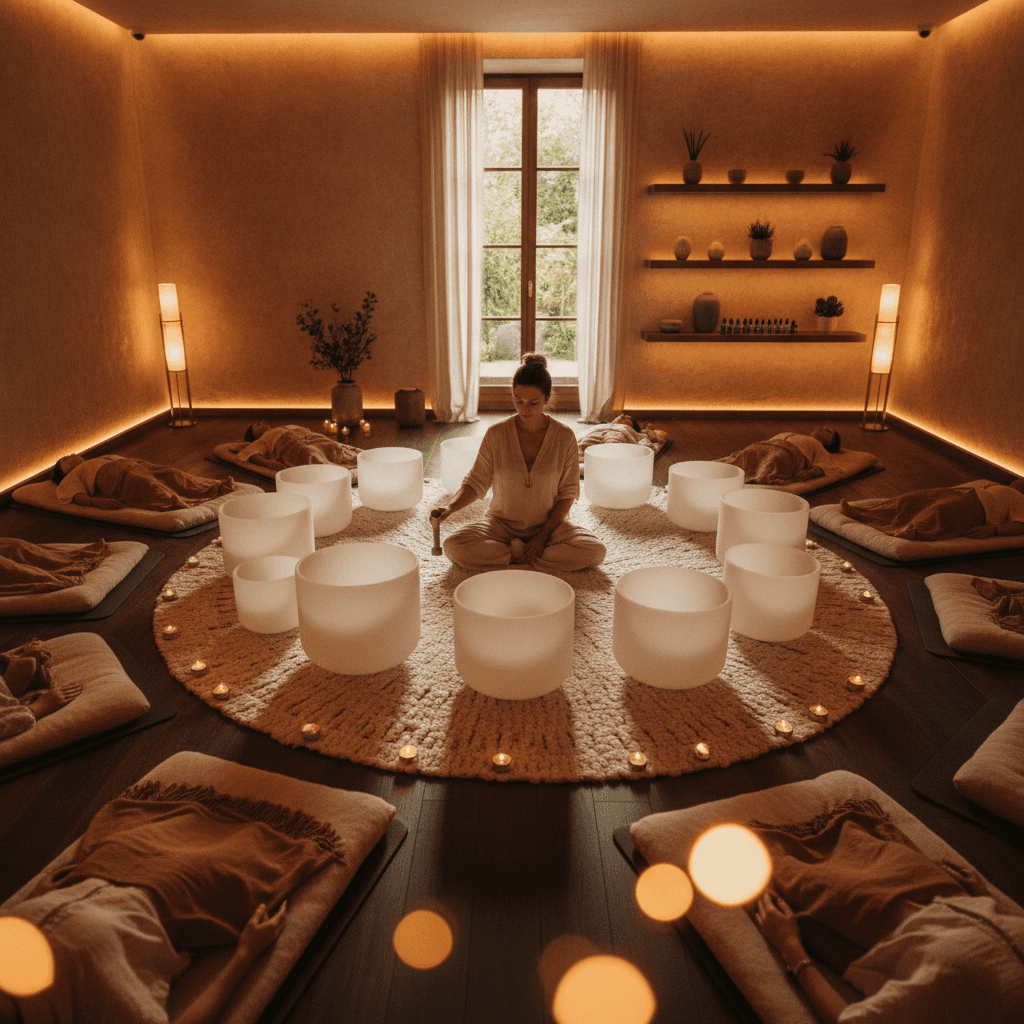
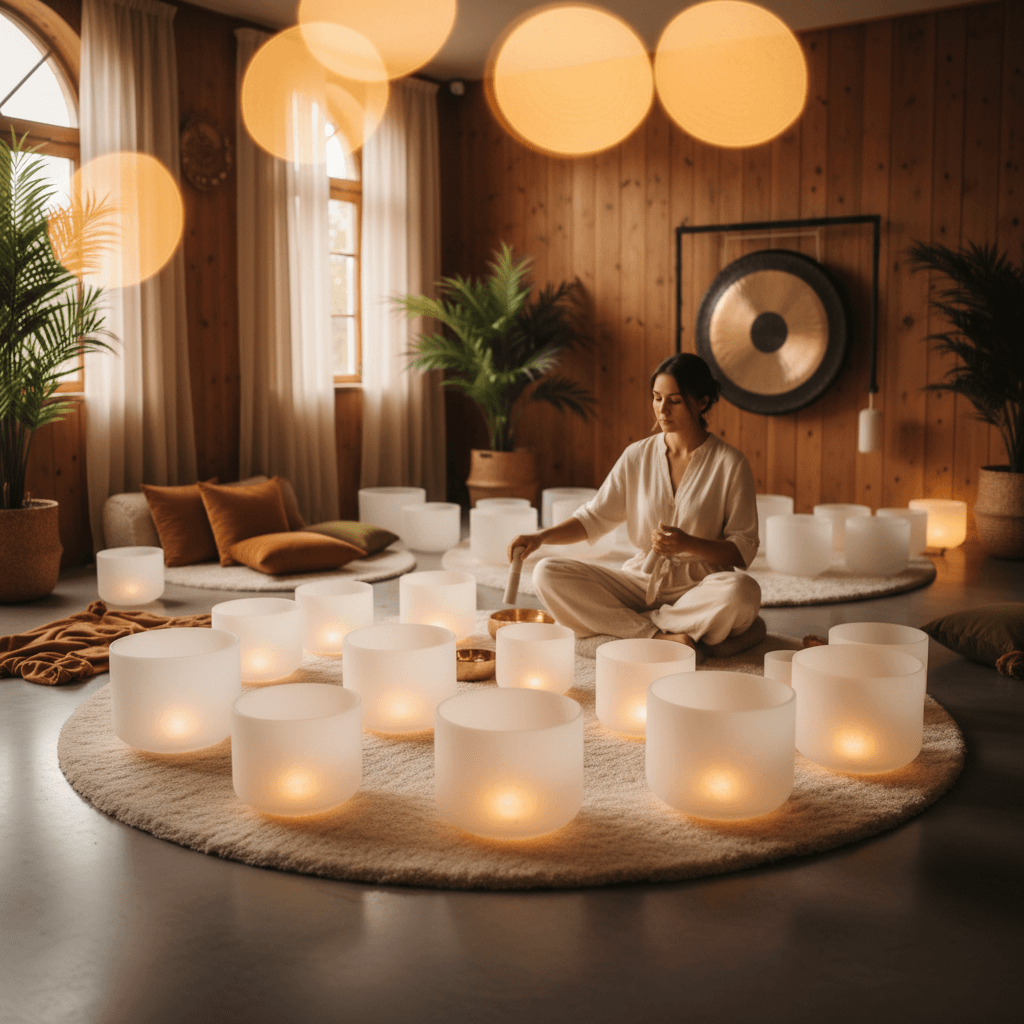
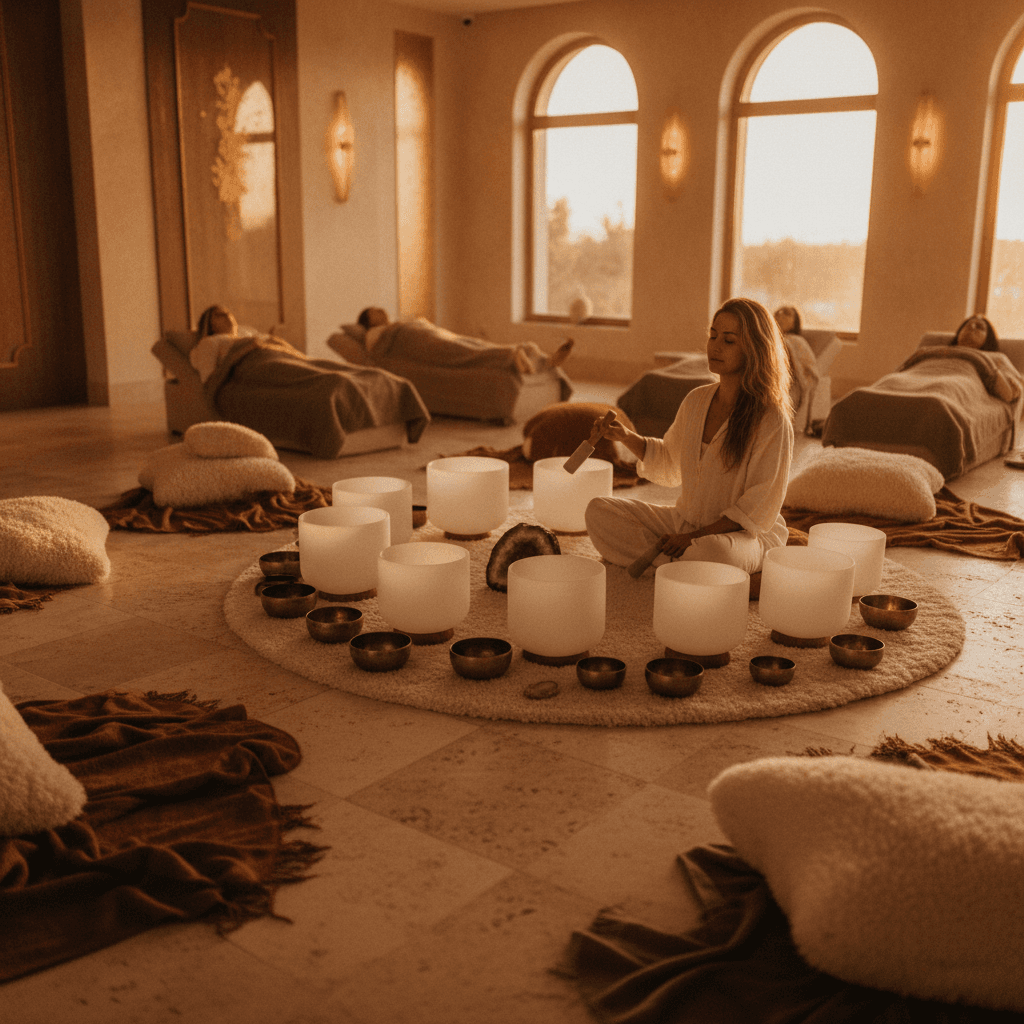
The Soul Art method uniquely combines ancient wisdom with modern understanding, utilizing instruments like Tibetan singing bowls, gongs, and crystal bowls. Larissa expertly introduces these powerful tools with sensitivity, explaining their origins and inviting clients to share their own interpretations or preferences. This avoids any imposition, instead fostering an environment of shared discovery and respect. For example, a client may have specific cultural or religious associations with certain sounds or meditative states, which Larissa thoughtfully acknowledges and integrates into the session.
Through this mindful engagement, Larissa Steinbach creates an atmosphere where the nervous system can truly settle, promoting deep relaxation and stress reduction. The aim is to co-create a space where individuals can explore their inner landscape without fear of misunderstanding, allowing for authentic self-discovery and holistic well-being.
Your Next Steps
Embracing cultural humility in your own life and wellness journey can unlock profound benefits, fostering deeper connections and more effective self-care. Here are some actionable steps you can implement today to cultivate this vital practice:
- Reflect on Your Own Cultural Lens: Take time to critically examine your own beliefs, assumptions, and biases. Understanding your own positionality is the first step towards greater humility and openness.
- Seek Out Culturally Humble Practitioners: When choosing wellness providers, look for those who demonstrate genuine curiosity, ask open-ended questions about your background and preferences, and actively listen without judgment.
- Practice Active and Empathetic Listening: In all your interactions, strive to truly hear and understand others' perspectives, especially when they differ from your own. Engage with differences as cultural phenomena, not personal shortcomings.
- Recognize Wellness as Deeply Personal: Understand that what works for one person may not work for another, and that cultural background significantly influences individual approaches to health and healing. There is no single "right" path to wellbeing.
- Educate Yourself Continuously: Read, learn, and engage with diverse cultural practices and perspectives on wellness. This ongoing learning process is a cornerstone of cultural humility.
By integrating these practices into your life, you can cultivate a richer, more inclusive approach to your own wellness and your interactions with the world around you. To experience a wellness journey designed with profound cultural understanding and individual care, we invite you to explore the unique offerings at Soul Art.
In Summary
Cultural humility is an indispensable, dynamic process for creating truly inclusive and effective wellness spaces. By fostering self-awareness, active reflection, and a deep respect for diverse cultural backgrounds, it builds trust and dismantles power imbalances, leading to better well-being outcomes. This approach moves beyond mere tolerance, allowing individuals to feel genuinely seen, heard, and valued, which is foundational for profound relaxation and healing. At Soul Art, Larissa Steinbach champions this philosophy, offering personalized sound wellness journeys that honor each client's unique cultural tapestry. Embracing cultural humility invites us all to connect more deeply with ourselves and others, paving the way for a more harmonious and supportive world. Discover the difference true understanding makes for your well-being.
Bookings Coming Soon
Soul Art is still in preparation. Session details and booking will be published here after launch.
Coming Soon
Wellness Disclaimer: This article is for educational and informational purposes only. It does not constitute medical advice, diagnosis, or treatment. Soul Art Dubai provides non-medical wellness experiences focused on relaxation, stress management, and general wellbeing. Sound wellness is a complementary practice and should not replace professional medical care.
Related Articles
Ramadan Sound Bath: Elevating Well-being with Respect & Science
Celebrate with Sound: Birthday Rituals for Deep Reflection
Beyond the Echo: Mastering Closing Rituals for Sound Journeys