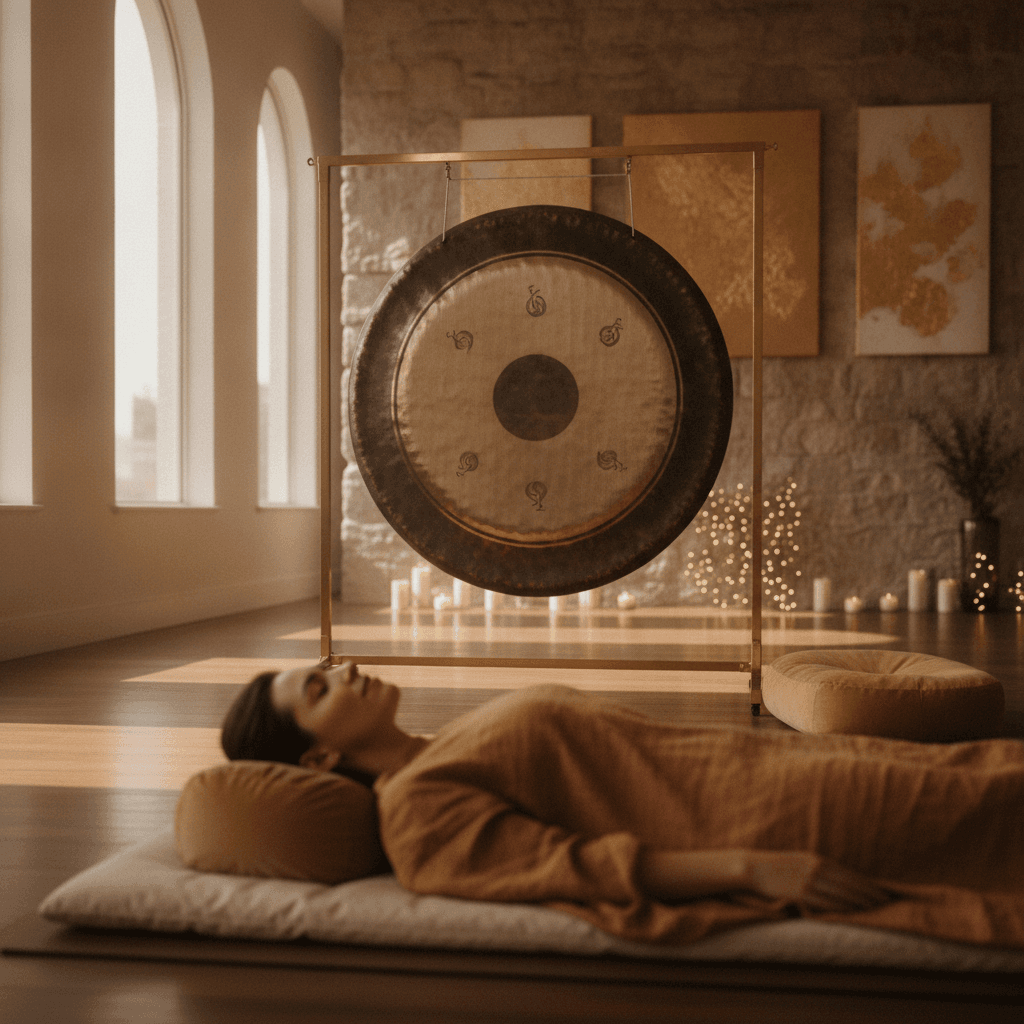
Crafting Your Family's Calm Room: A Scientific Guide to Sound Wellness
Key Insights
Discover how to create a tranquil calm room at home for family sound practice with Soul Art Dubai. Learn the science of quiet environments for enhanced well-being and cognitive development.
Have you ever found yourself unconsciously turning down the car radio to concentrate on finding a parking spot, or stepping away from a noisy room to gather your thoughts? These seemingly small, almost instinctual habits reveal a profound truth about our innate relationship with sound and silence. In our increasingly bustling world, marked by constant digital stimulation and pervasive background noise, the quest for tranquility has become more vital than ever, especially within the sanctuary of our homes.
For families, creating an intentional space dedicated to quiet and calm is not merely a luxury; it is a scientifically-backed strategy to foster well-being, enhance cognitive function, and strengthen emotional resilience. This article, brought to you by Soul Art, Dubai's premier sound wellness studio founded by Larissa Steinbach, delves into the compelling science behind calm environments. We will explore practical, actionable steps to transform a part of your home into a "calm room" for family sound practice, offering a haven where minds can reset and spirits can flourish. Join us as we uncover how intentional quiet can unlock deeper connection and inner peace for every member of your family.
The Silent Symphony of Calm: Understanding the Science
The modern world bombards us with an incessant symphony of sounds, many of which are far from harmonious. From traffic and construction to the constant hum of electronics and chatter, noise pollution is a ubiquitous presence that often goes unnoticed, yet its impact on our health and cognitive abilities is profound. Research consistently demonstrates that higher noise levels, whether in schools or homes, negatively influence learning, productivity, and overall well-being for both children and adults.
Creating a dedicated quiet space is a powerful intervention against this sonic onslaught. It provides an essential counterpoint, allowing the nervous system to settle and the mind to focus. The scientific evidence supporting the benefits of calm environments is robust, highlighting their importance for developing brains and for fostering emotional regulation in individuals of all ages.
The Impact of Noise on the Developing Brain
The developing brains of children are particularly susceptible to the detrimental effects of excessive noise. Studies show that sustained exposure to loud noise can impede a child's cognitive development, especially impacting language-based skills such as reading. This is because "noise," when it's just undifferentiated sound, acts as a significant distraction, making it far more challenging for children to concentrate on important tasks.
Neurobiologist Nina Kraus highlights that young children's "brains are craving sound-to-meaning connections," emphasizing the critical need for nourishing and meaningful sounds in their environment. When children operate in a quiet enough space, they can pay attention to sounds that are important, transforming potential distractions into powerful teaching tools. Noise, in essence, competes with the mental processes applied to a task, drawing attention away from the intended focus.
The long-term effects of chronic noise exposure can lead brains to adapt by blocking out unwanted sounds, yet this adaptation may inadvertently cause them to ignore other crucial stimuli. An intriguing study on mice, reported by NPR, found that mice left in silence experienced the most significant brain cell growth compared to those exposed to various sounds, suggesting that silence itself may promote nerve cell regeneration. This preliminary research underscores the profound potential of quiet environments to support healthy brain development and cognitive function.
The Physiology of Relaxation: Sound and the Nervous System
While silence offers unique benefits, specific types of sound interventions also play a crucial role in promoting physiological relaxation. Unlike jarring noise, carefully curated sounds can positively influence our mental stress response and nervous system. Research, including studies by Umemura and Honda (1998) and Chafin et al. (2004), indicates that listening to classical or self-selected relaxing music may promote relaxation by positively influencing heart rate variability and improving blood pressure recovery after stress. Labbé et al. (2007) further demonstrated that relaxing music can reduce anxiety, anger, and physiological arousal.
These calming sounds work by influencing the autonomic nervous system, shifting it from a sympathetic (fight-or-flight) state to a parasympathetic (rest-and-digest) state. This physiological shift is characterized by a lowered heart rate, reduced muscle tension, and a decrease in stress hormones like cortisol. The brain, too, responds to these auditory cues, often transitioning from higher-frequency beta waves, associated with alertness and problem-solving, to lower-frequency alpha and theta waves, linked to relaxed wakefulness and meditative states.
Creating a calm room involves more than just reducing external noise; it also means actively incorporating calming sonic elements. This might include soft, ambient music, nature sounds like birdsong or flowing water, or the gentle frequencies produced by sound healing instruments. Crucially, the effectiveness of these sounds is amplified by a physically quiet environment, making sound insulation (e.g., acoustic panels, carpeting) a vital consideration, as highlighted by EDspaces research, to minimize distracting outside noises and maximize the benefits of intentional sound practices.
Beyond Hearing: A Multi-Sensory Approach to Calm
While sound is central to a calm room, a truly effective tranquil space embraces a holistic, multi-sensory approach to well-being. Each of our senses plays a role in how we perceive and respond to our environment, and thoughtfully engaging them can deepen the state of relaxation and self-regulation. This integrated strategy creates a more immersive and supportive haven for mental and emotional processing.
Visual comfort is paramount; a well-lit space, ideally with natural light, is often associated with positive mood and cognitive function. Importantly, the space should be less cluttered, yet not necessarily devoid of furniture, offering a sense of order without sterility. A study on creating quiet spaces at home emphasizes this balance, suggesting comfortable elements like cushions, bean bags, or a cozy rug. Visually, muted colors and natural textures may also contribute to a sense of serenity.
The sense of smell is a powerful pathway to emotional states, directly connected to the limbic system in the brain. Incorporating gentle, calming scents through a diffuser can significantly enhance the serene atmosphere. Research referenced by EDspaces confirms that aromas like vanilla, lavender, and chamomile can promote feelings of calmness. Conversely, certain scents, like peppermint or citrus, can be alerting, which may be beneficial for other contexts but less so for a calm room aimed at relaxation.
Finally, tactile sensations contribute to the overall comfort and grounding of the space. Soft blankets, plush cushions, or even textured items like scented putty can offer tactile feedback that is soothing and engaging, particularly for children. By thoughtfully curating these sensory elements, a calm room becomes a truly restorative environment, allowing individuals to manage their mental state in the moment and return to their activities with enhanced focus and emotional balance.
How It Works in Practice
Translating the science of calm into a tangible, lived experience for families involves creating a dedicated "calm room" or "calming corner" at home. This space isn't just about escaping noise; it’s about providing a nurturing environment where individuals, especially children, can develop crucial skills in self-regulation and emotional management. The concept extends the idea of "calm schools for calm minds" into the home, recognizing parental support as a significant factor in a child's academic success and overall well-being.
When a family engages in sound practice within a well-designed calm room, the theoretical benefits of quiet and intentional sound become deeply felt. Imagine a child, perhaps feeling overwhelmed or frustrated, retreating to this special space. Here, instead of being sent to "time-out" as a form of punishment, they are equipped with tools and a supportive environment to process their emotions. This shift from punitive measures to empowering self-regulation is crucial, as punishment doesn't teach coping skills.
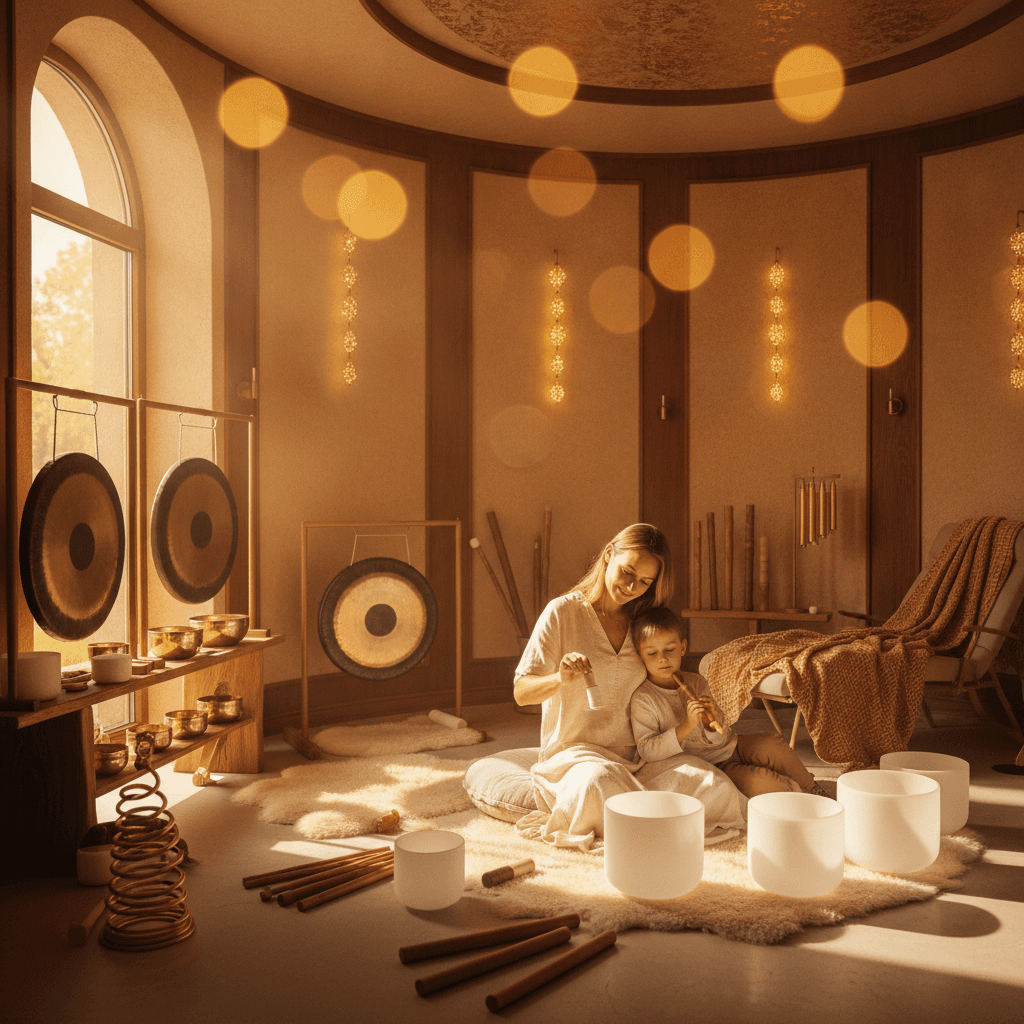
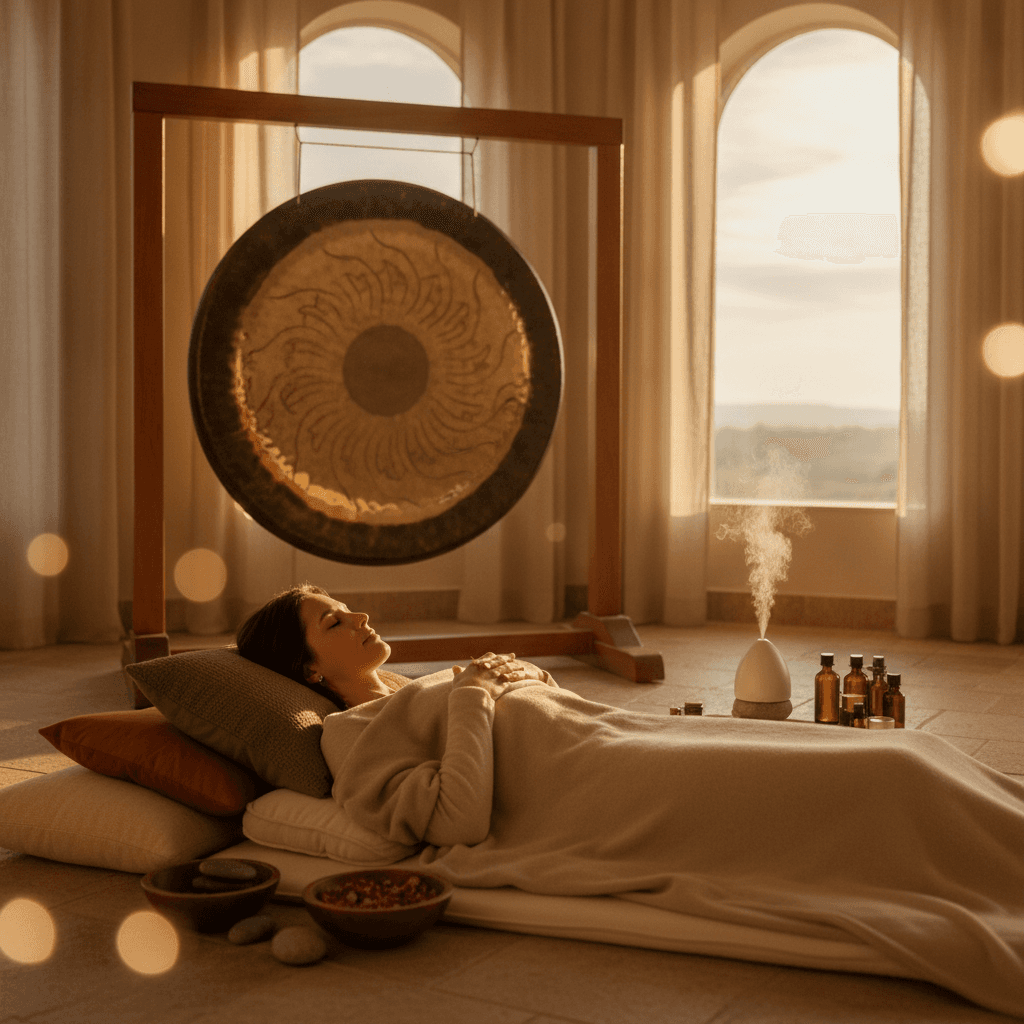
The experience within this space is multisensory and deeply personal. The air might carry a faint, soothing scent of lavender, the natural light gently illuminates a soft rug and comfortable cushions. Instead of external distractions, gentle, harmonious sounds — perhaps the resonant hum of a singing bowl, the delicate chime of a wind instrument, or the calming rhythm of a guided meditation — fill the air. These sounds provide a focal point, helping to quiet the internal chatter and guide the mind towards a state of focused relaxation.
Children learn to identify and address their mental state in real-time, preventing further distress and fostering inner motivation. They experience the profound ability to focus on a task without interruption, leading to greater productivity and a sense of fulfillment. This practice builds lifelong skills such as self-control, a deeper understanding of feelings, and effective problem-solving. It’s a space where family members can share moments of quiet reflection, gentle exploration of sound, or simply be present with one another in a deeply supportive atmosphere, reinforcing emotional bonds and promoting a collective sense of peace.
"A calm room is more than just a physical space; it's an investment in emotional intelligence, a sanctuary where the symphony of the soul can finally be heard above the noise of the world."
The Soul Art Approach
At Soul Art, Dubai's premier sound wellness studio, Larissa Steinbach has masterfully translated the profound science of sound and calm into transformative experiences for individuals and families. Her approach is rooted in the understanding that sound is not just heard, but felt, resonating deep within our cellular structure and influencing our energetic and physiological states. Larissa’s methodology goes beyond simply reducing noise; it actively cultivates restorative frequencies designed to harmonize the nervous system and promote holistic well-being.
What makes the Soul Art method unique is its personalized and intuitive integration of ancient wisdom with contemporary scientific insights. Larissa Steinbach and her team guide clients in understanding how different frequencies can support emotional balance, mental clarity, and deep relaxation. They leverage a curated selection of sacred sound instruments, each chosen for its unique vibrational quality and therapeutic potential.
Clients at Soul Art experience the powerful resonance of Tibetan singing bowls, known for their rich overtones that can induce profound meditative states. The deep, grounding vibrations of gongs are utilized to clear energetic blockages and facilitate release, while delicate chimes create ethereal soundscapes that uplift the spirit. Tuning forks, with their precise frequencies, are applied to specific energy points to rebalance the body's subtle energy fields, promoting cellular harmony. Through these instruments, Larissa helps families explore how to consciously engage with sound to create states of calm and connection.
Larissa's philosophy extends the concept of "calm schools for calm minds" to "calm homes for calm families," emphasizing the vital role of the home environment in nurturing spiritual and emotional well-being. She empowers families with the knowledge and practical tools to replicate the principles of Soul Art within their own calm rooms. This includes guidance on selecting the right instruments, creating sound rituals, and integrating mindful listening practices that support self-regulation and strengthen family bonds. Soul Art doesn't just offer sessions; it provides an educational journey that enables families to build a foundation of frequency wellness for sustained peace and harmony in their daily lives.
Your Next Steps
Embracing the profound benefits of a calm room for family sound practice is a journey that begins with intentional steps. Creating this sanctuary doesn't require a complete home overhaul; it can start with a mindful reevaluation of an existing space. By integrating the scientific principles discussed, you can design an environment that nurtures calm, fosters connection, and supports the emotional and cognitive development of every family member.
Here are your actionable steps to begin crafting your family's calm room:
- Choose Your Sanctuary Wisely: Identify an indoor or outdoor area in your home that is naturally away from high-traffic, noisy surroundings. A corner of a living room, a quiet bedroom, or even a secluded spot in your garden can serve as an ideal foundation. The goal is to minimize external disturbances.
- Prioritize Comfort and Simplicity: Prepare this chosen area by ensuring it is comfortable and inviting. Include soft furnishings such as a cozy rug, large cushions, bean bags, or a comfortable couch. Keep the space less cluttered but not entirely empty, allowing for focus without visual overwhelm. Natural light is always a preference for an uplifting atmosphere.
- Integrate Intentional Sound: While acoustic insulation is ideal, you can start by consciously introducing calming sounds. This might involve playing gentle instrumental music, nature soundscapes (like rainfall or ocean waves), or even exploring simple sound instruments like a small chimes or a singing bowl to create peaceful vibrations.
- Engage Other Senses Thoughtfully: Enhance the calming effect by considering other sensory inputs. Use a scent diffuser with calming essential oils like lavender or chamomile. Introduce soft textures through blankets or pillows. The aim is to create a holistic sensory experience that encourages relaxation.
- Establish a Family Practice: Encourage consistent, mindful use of the calm room. This could be a designated time for quiet reading, gentle meditation, shared sound listening, or simply a space for children to practice self-regulation when big emotions arise. Parental involvement in creating and using this space significantly supports children’s engagement and learning.
Ready to embark on this journey of creating a harmonious home environment? Consider a consultation with Larissa Steinbach at Soul Art to explore how personalized sound wellness practices can amplify the benefits of your family's calm room. Discover tailored insights and techniques to integrate powerful frequencies into your daily life.
In Summary
In an increasingly noisy world, the intentional creation of a calm room for family sound practice stands as a scientifically-backed investment in holistic well-being. We've explored how pervasive noise negatively impacts cognitive development and stress levels, particularly for children, while quiet environments and harmonious sounds can significantly improve focus, emotional regulation, and physiological relaxation. From the brain-boosting benefits of silence to the nervous system-calming effects of gentle frequencies, the evidence for a dedicated serene space is compelling.
Larissa Steinbach and Soul Art champion this profound shift, guiding families to harness the power of sound and stillness to cultivate inner peace and strengthen familial bonds. By implementing practical steps, such as choosing a quiet location, decluttering, incorporating comforting elements, and introducing intentional soundscapes, any family can begin to build their own sanctuary of calm. This dedication to sound wellness is not just about reducing stress; it's about fostering an environment where every family member can thrive, develop vital self-regulation skills, and experience deeper connection and tranquility. We invite you to explore the transformative potential of sound and quiet with Soul Art.
Bookings Coming Soon
Soul Art is still in preparation. Session details and booking will be published here after launch.
Coming Soon
Wellness Disclaimer: This article is for educational and informational purposes only. It does not constitute medical advice, diagnosis, or treatment. Soul Art Dubai provides non-medical wellness experiences focused on relaxation, stress management, and general wellbeing. Sound wellness is a complementary practice and should not replace professional medical care.
Related Articles
Harmonic Connections: Grandparent-Grandchild Sound Rituals
Harmonizing Blended Families: The Sound Bath for Connection
Harmonizing the Empty Nest: Sound Baths for Midlife Renewal