Compassion Cultivation: Sound for Loving Kindness – Soul Art Dubai
Key Insights
Explore the profound connection between sound wellness and compassion cultivation. Discover how Larissa Steinbach's Soul Art in Dubai enhances empathy, reduces stress, and fosters loving kindness through scientific sound practices.
What if the very essence of human connection and empathy could be harmonized, cultivated, and amplified through the gentle, profound embrace of sound? In our fast-paced world, the cultivation of compassion and loving-kindness has emerged as a vital pillar of holistic well-being, offering a potent antidote to stress, isolation, and interpersonal friction. At Soul Art, Dubai’s premier sound wellness studio, founded by the visionary Larissa Steinbach, we explore the powerful synergy between ancient wisdom and modern scientific understanding to unlock these innate human qualities.
This comprehensive article delves into the transformative practice of Compassion Cultivation and Loving-Kindness Meditation (LKM), augmented by the unique therapeutic frequencies of sound. We'll uncover the scientific underpinnings of how these practices, particularly when integrated with carefully curated soundscapes, may support enhanced emotional resilience, foster deeper connections, and usher in a profound sense of inner peace. Prepare to embark on a journey that illuminates the remarkable potential of sound to open the heart and quiet the mind, paving the way for a more compassionate self and world.
The Science Explained: Resonating with Empathy and Connection
The concept of cultivating compassion and loving-kindness, while rooted in ancient spiritual traditions, is gaining significant traction within contemporary neuroscience and psychology. Modern research is beginning to illuminate the profound impact these practices may have on our brains, bodies, and behaviors. When integrated with the vibrational frequencies of sound, these benefits appear to be amplified, creating a potent synergy for emotional and psychological wellness.
The Neuroscience of Empathy and Connection
Our capacity for empathy and compassion is not merely an abstract ideal; it is deeply embedded in our neural architecture. Preliminary studies indicate that practices like Loving-Kindness Meditation (LKM) can actively reshape brain regions associated with emotional processing and social connection. For instance, groundbreaking fMRI studies conducted by researchers at the University of Wisconsin-Madison (Lutz & Davidson, 2008) were among the first to suggest that cultivating compassion and kindness through meditation affects brain regions that may make a person more empathetic to others’ mental states.
These scans revealed that brain circuits used to detect emotions and feelings were dramatically changed in subjects with extensive compassion meditation experience. Specifically, LKM has been associated with increased neural activity in the limbic regions (Lutz et al., 2008), which are crucial for processing emotions, including positive emotions such as compassion and love (Fredrickson et al., 2008; Zeng et al., 2015). This suggests that through focused practice, we may actively train our brains to be more receptive and responsive to the emotional experiences of others and ourselves.
Unpacking Loving-Kindness and Compassion Meditation (LKM/CM)
Loving-Kindness Meditation (LKM), often referred to by its Pali term metta, and Compassion Meditation (CM), or karuna, are two brahma viharas or "divine abodes" within the Buddhist tradition. These practices are conceptualized as being incompatible with negative states such as anger, hatred, and envy, offering a direct path to cultivating positive emotional qualities (PMC - NIH). While the empirical evidence is still evolving and exhibits variation in techniques, studies consistently point to LKM and CM as highly promising practices for improving positive affect and for reducing stress and negative affect, including anxiety and mood symptoms (PMC - NIH).
The core of LKM involves sequentially sending feelings of kindness, goodwill, and warmth to oneself, loved ones, neutral individuals, difficult individuals, and finally, all beings. This structured approach helps to systematically broaden one's circle of compassion. Even mindfulness-based interventions, by themselves, may serve as forms of compassion training, enhancing self-compassion without explicit CM training, as suggested by Kuyken and colleagues (2010). This implies that a quiet mind and self-acceptance, fostered through mindfulness, may be crucial prerequisites for extending compassion to others.
The Ripple Effect: From Self to Society
The benefits of compassion cultivation extend far beyond individual well-being, creating a positive ripple effect throughout our relationships and communities. LKM and CM may be particularly useful for targeting interpersonal problems, such as anger control issues, and for treating relationship challenges, like marital conflicts (PMC - NIH). They also show promise in counteracting the emotional toll among caregivers, both professional and non-professional, who provide long-term care, by increasing compassion for self and others while decreasing feelings of helplessness (Corcoran, 2007).
By intentionally nurturing a loving and compassionate attitude, individuals may experience a reduced bias towards others (Kang et al., 2014; Stell & Farsides, 2016), leading to enhanced feelings of social connectedness and empathy (Hofmann et al., 2011; Hutcherson et al., 2008; Kristeller & Johnson, 2005). These practices have been associated with:
- Increased positive affect and reduced negative affect: Leading to greater happiness and decreased worries (Jazaieri et al., 2012).
- Improved emotional regulation: Allowing individuals to apply "affective qualities of kindness and acceptance" to challenging momentary states (Kuyken et al., 2010).
- Enhanced self-compassion: A foundational step that mediates benefits in depressive symptoms (Kuyken et al., 2010).
- Increased cognitive flexibility and environmental mastery: Contributing to better self-appraisal and problem-solving abilities (Fredrickson et al., 2008).
The Power of Prosociality
Beyond internal shifts, the cultivation of loving-kindness and compassion has been linked to a greater inclination towards prosocial behavior – actions intended to benefit others. A meta-analysis of the effects of Loving-Kindness meditation on prosocial behavior showed a small-to-medium significant effect of LKM in promoting such behaviors among non-meditators (Lefebvre, 2012). While research in this area is still limited and some findings have been contradictory, the overall evidence points towards a positive influence.
"The practice of loving-kindness meditation, at its heart, is a revolutionary act of choosing connection over isolation, understanding over judgment, and warmth over indifference. It starts within, and its ripples touch everything."
This increased prosociality is supported by LKM's ability to reduce negative interpersonal attitudes (Zhou et al., 2022), enhance cognitive flexibility (Leiberg et al., 2011), and foster feelings of social connectedness (Hofmann et al., 2011). It highlights how cultivating internal states of kindness can naturally extend outwards, encouraging individuals to act with greater generosity and helpfulness in their daily lives.
How It Works in Practice: The Vibrational Path to Empathy
Bridging the scientific understanding of compassion cultivation with a tangible, deeply felt experience is where the art of sound wellness truly shines. In practice, integrating sound with LKM and CM transforms a cognitive exercise into an immersive, somatic journey, bypassing mental resistance and guiding participants into deeper states of receptivity and openness.
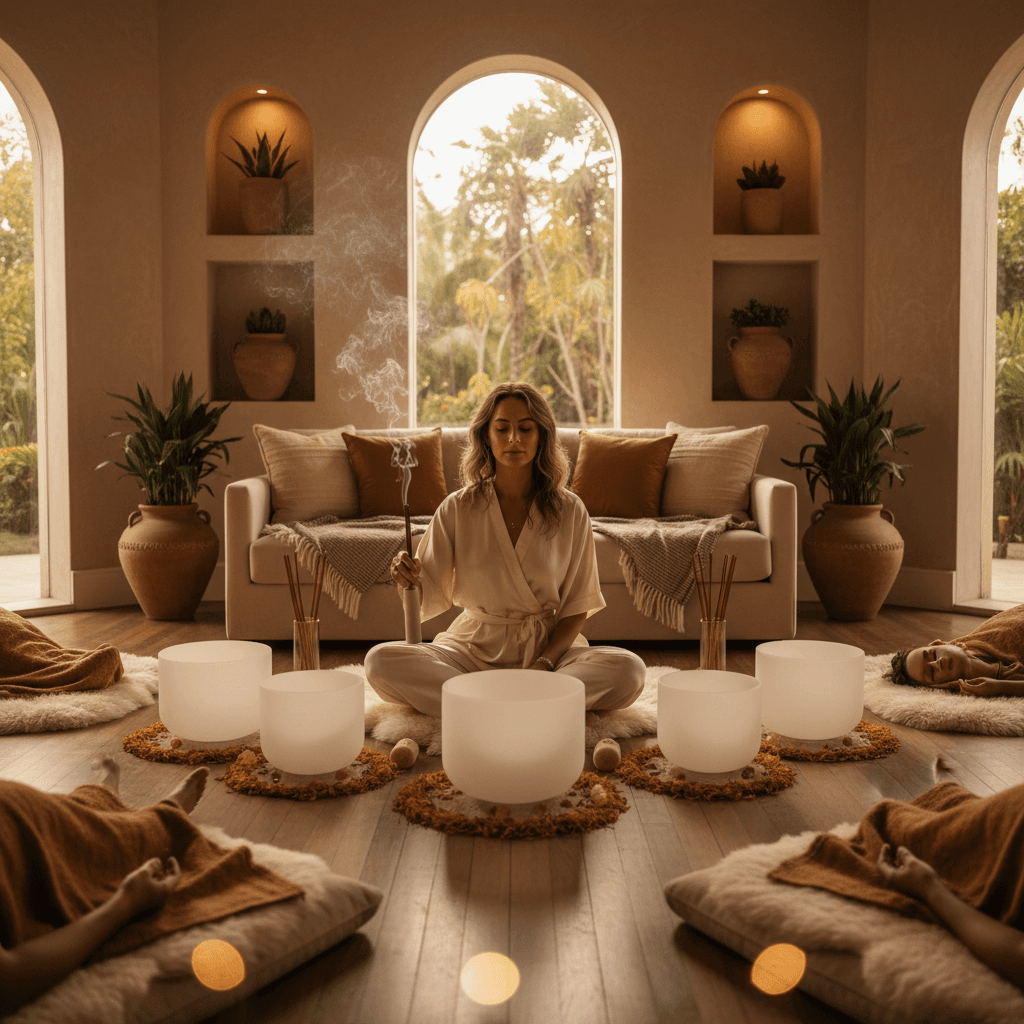
Imagine stepping into a serene, ambient space designed for profound relaxation and inner exploration. As you settle into a comfortable position, the journey begins with the gentle introduction of resonant frequencies. Instruments like Tibetan singing bowls, crystal bowls, and gongs are played with intention, their rich, complex vibrations washing over you. These sounds are not just heard; they are felt, resonating deep within the body's tissues and cells, initiating a process of relaxation.
This profound relaxation is not merely passive; it creates the ideal physiological and psychological environment for compassion cultivation. As the mind quiets and the nervous system settles, participants find it easier to access the "quiet mind" and "self-investigative skills" that preliminary research suggests are necessary prerequisites for the cultivation of compassion (PMC - NIH). The sustained, harmonious tones help to bypass the incessant mental chatter, allowing for a more direct connection to one’s inherent capacity for kindness and empathy.
The sound acts as a guide, gently carrying the intentions of loving-kindness and compassion. For instance, when the meditation focuses on sending warmth to oneself, the resonant frequencies may amplify feelings of self-acceptance and inner peace. When the focus shifts to loved ones or even challenging individuals, the enveloping soundscape can foster a sense of spaciousness, making it easier to hold these intentions without judgment or resistance. This integrated approach supports emotional healing and can be a catalyst for psychological well-being (Goldsby et al., 2017).
Clients often report a tangible shift in their state during and after these sessions. The deep resonance of the bowls can induce a meditative state that may facilitate:
- Emotional release: Allowing stagnant emotions to surface and be processed in a gentle, supportive environment.
- Enhanced self-awareness: A deeper understanding of one's own emotional landscape.
- Physical relaxation: A noticeable reduction in muscle tension and an overall sense of calm. Studies have shown that listening to singing bowls can decrease blood pressure and heart rate more than silence alone (Goldsby et al., 2017).
- Increased sense of connection: Both with oneself and potentially with others, as feelings of isolation decrease (Corcoran, 2007).
By providing a deeply sensory and immersive experience, sound wellness transforms compassion cultivation from an abstract practice into a visceral, felt reality, making its profound benefits more accessible and enduring.
The Soul Art Approach: Larissa Steinbach's Symphony of Compassion
At Soul Art, Larissa Steinbach has meticulously crafted a unique approach that masterfully blends the ancient art of sound healing with scientifically-informed compassion cultivation techniques. Her methodology is not merely about playing instruments; it's about creating an intentional, sacred space where individuals can gently unlock their deepest capacity for loving-kindness and empathy.
Larissa Steinbach believes that true transformation occurs when the mind, body, and spirit are harmonized. Her Soul Art method is distinguished by several key elements:
- Intention-Driven Soundscapes: Each session is purposefully designed around the cultivation of specific compassionate qualities. Larissa selects and plays instruments not just for their aesthetic beauty but for their unique energetic frequencies and their ability to guide the mind into states conducive to metta and karuna. This intentionality ensures that every vibration supports the meditation's core purpose.
- Curated Instrument Selection: Larissa utilizes a diverse array of resonant instruments, each contributing its distinct energetic signature. This includes:
- Tibetan Singing Bowls: Their earthy, grounding tones create a deep sense of security and presence.
- Crystal Singing Bowls: With their pure, ethereal tones, they often facilitate higher states of awareness and emotional clarity.
- Gongs: Their expansive, transformative sound waves are potent tools for releasing blockages and expanding consciousness.
- Chimes and Other Percussion: Used to add delicate textures and bring a sense of lightness and joy.
- Expert Facilitation and Guidance: Larissa’s deep understanding of both sound mechanics and meditative practices allows her to expertly guide participants through their journey. She provides clear, gentle instructions for LKM and CM, interwoven with the sound, ensuring accessibility for both seasoned meditators and newcomers. Her presence fosters an environment of trust and safety, essential for vulnerability and emotional opening.
- Emphasizing Self-Compassion as Foundation: True to the research suggesting that self-compassion is a prerequisite for cultivating compassion for others (Kuyken et al., 2010), the Soul Art approach often begins by gently guiding participants to extend loving-kindness inward. This foundation builds resilience and prepares the heart to extend warmth more broadly.
- Aesthetic and Sensory Immersion: In alignment with Dubai's "quiet luxury" aesthetic, the Soul Art studio environment itself is designed to be a sanctuary of peace and beauty. From the lighting to the comfortable amenities, every detail enhances the sensory experience, allowing for deep surrender and immersive self-care.
By integrating these elements, Larissa Steinbach creates more than just a sound bath; she orchestrates a profound sound wellness experience that systematically nurtures the heart. The Soul Art method is a testament to the power of combining ancient wisdom with a nuanced understanding of vibrational physics and human psychology to foster a world brimming with more compassion, one resonant breath at a time. It’s a holistic wellness practice that elevates the spirit and deeply restores the nervous system.
Your Next Steps: Cultivating a Compassionate Life
Embarking on a journey of compassion cultivation, especially with the support of sound, is a profound act of self-care with far-reaching benefits. It's a journey that starts with small, intentional steps. Here are practical ways you can begin to integrate loving-kindness and compassion into your daily life, and how Soul Art can support you:
- Start with Self-Compassion: Before extending kindness to others, practice being kind to yourself. When you notice self-critical thoughts, gently acknowledge them and offer yourself the same understanding you would a dear friend. Simple affirmations like "May I be happy, May I be healthy, May I be free from suffering" can be powerful.
- Practice Mindful Awareness: Pay attention to your emotional states and those around you without judgment. Mindfulness-based practices, even without explicit compassion training, have been shown to enhance self-compassion (Kuyken et al., 2010). This heightened awareness is the fertile ground from which compassion grows.
- Engage in Small Acts of Kindness: Look for opportunities throughout your day to extend warmth to others, whether it's a genuine smile, a helpful gesture, or a kind word. These seemingly small acts reinforce compassionate pathways in your brain and contribute to a greater sense of social connectedness.
- Explore Guided Loving-Kindness Meditations: Many apps and online resources offer guided LKM practices. Find one that resonates with you and dedicate a few minutes each day to it. Focus on the traditional sequence: self, loved ones, neutral persons, difficult persons, and all beings.
- Experience a Sound Wellness Session: To deepen your practice and experience the profound benefits of sound, consider booking a session at Soul Art. Larissa Steinbach expertly crafts soundscapes that facilitate deep relaxation and open the heart, making compassion cultivation an intuitive and deeply felt experience. It's a complementary approach to holistic wellness that can significantly enhance your journey.
Embracing these steps can lead to a more peaceful inner world, more harmonious relationships, and a greater sense of purpose. Allow the gentle guidance of sound to illuminate your path to a more compassionate existence.
Bookings Coming Soon
Soul Art is still in preparation. Session details and booking will be published here after launch.
Coming Soon
In Summary: Harmonizing Heart and Mind with Sound
The journey of compassion cultivation, rooted in ancient wisdom and increasingly validated by modern science, offers a powerful pathway to profound well-being. Practices like Loving-Kindness and Compassion Meditation are highly promising for reducing stress, improving positive affect, and fostering deeper, more harmonious relationships. When seamlessly integrated with the therapeutic frequencies of sound, as pioneered by Larissa Steinbach at Soul Art, this journey becomes an immersive and deeply transformative experience.
The unique Soul Art method leverages the resonant power of instruments like Tibetan and crystal singing bowls to quiet the mind, settle the nervous system, and create an optimal environment for empathy and kindness to flourish. This holistic wellness practice not only may support individual emotional resilience but also encourages a ripple effect of prosocial behavior, fostering a more connected and compassionate world. Embrace the gentle invitation to explore this synergy of sound and heart, and discover a deeper dimension of self-care and universal connection at Soul Art Dubai.
Wellness Disclaimer: This article is for educational and informational purposes only. It does not constitute medical advice, diagnosis, or treatment. Soul Art Dubai provides non-medical wellness experiences focused on relaxation, stress management, and general wellbeing. Sound wellness is a complementary practice and should not replace professional medical care.
Related Articles
Harmonic Blueprints: Unveiling Sacred Geometry Through Sound at Soul Art
Astral Projection: Exploring Consciousness with Sound Wellness

Devotional Sound: Heart Offerings – Aligning Your Inner Resonance