Synchronizing Your Life: Circadian Rhythms & Sound Wellness
Key Insights
Unlock optimal well-being by aligning your internal clock with nature's cycles. Explore circadian rhythms and how Soul Art's sound wellness practices, led by Larissa Steinbach, can support your natural balance.
Have you ever wondered why some days you feel inexplicably vibrant and others you struggle, despite seemingly adequate sleep? The answer often lies hidden within your body's profound internal timepiece: the circadian rhythm. This natural, roughly 24-hour oscillation governs far more than just your sleep-wake cycle; it orchestrates a symphony of biological processes vital for your health and vitality.
From hormone release to cognitive function, your circadian rhythm acts as a master conductor, ensuring every system performs its role at the optimal time. Yet, in our modern, always-on world, this delicate balance is easily disrupted, leaving many feeling out of sync. At Soul Art, we believe in harmonizing your internal landscape with the wisdom of nature.
This comprehensive guide will delve into the fascinating science behind circadian rhythms, reveal how daily life can inadvertently throw them off balance, and explore how intentional sound experiences, championed by our founder Larissa Steinbach, may offer a profound pathway to re-entrainment and enhanced well-being. Prepare to discover the power of sound to support your body's innate wisdom.
The Science Explained: Unlocking Your Internal Clock
At the heart of every living organism, from microscopic cyanobacteria to the intricate human being, lies a sophisticated biological clock. This internal timekeeping system dictates a vast array of physiological and behavioral rhythms that cycle approximately every 24 hours, preparing the body for the predictable patterns of day and night. The term "circadian" itself, derived from the Latin "circa diem," meaning "about a day," perfectly encapsulates this essential daily cycle.
The study of these biological timing systems, known as chronobiology, investigates how organisms adapt to the solar cycle. While early, faulty research suggested humans might prefer a 25-hour day in isolation, more rigorous studies from institutions like Harvard University have estimated our natural rhythm to be closer to 24 hours and 11 minutes, remarkably aligned with the solar day. This deep-seated connection to Earth's rotation highlights our inherent biological link to the environment.
The Master Conductor: Suprachiasmatic Nucleus (SCN)
In mammals, the central circadian clock resides in a tiny, yet powerful, region of the brain called the suprachiasmatic nuclei (SCN), located in the hypothalamus. Often referred to as the "master clock," the SCN receives direct input from the eyes, making it highly responsive to light. Light is considered the primary zeitgeber – a German term meaning "time giver" – that synchronizes our internal clock with the external world.
The SCN acts like an orchestra conductor, coordinating the various "peripheral clocks" found throughout the body's tissues and organs. While these peripheral clocks can maintain rhythms independently, without the SCN's direction, they become desynchronized, much like instruments playing out of tune. This hierarchical relationship ensures a "well-orchestrated" rhythmic circadian physiology across all systems.
The Genetic Symphony: Clock Genes
The internal clock itself is a marvel of genetic engineering. It consists of an array of clock genes and the protein products they encode. Key players include the circadian locomotor output cycles kaput gene (CLOCK), brain and muscle ARNT-Like 1 gene (BMAL1), and period (PER) and cryptochrome (CRY) genes.
These genes engage in an intricate autoregulatory feedback loop:
- Clock gene mRNA is translated into proteins.
- These proteins then translocate into the nucleus, suppressing their own transcription.
- Reduced levels of mRNA lead to reduced protein, which eventually increases transcription, restarting the cycle.
This molecular dance occurs within cells, allowing them to "tell time" and regulate hundreds of downstream genes that control metabolic functions, hormone release, immune responses, and even auditory function. Disruptions to these fundamental genetic rhythms can have far-reaching consequences for health.
The Impact of Disruption: When Harmony Fades
Our modern lifestyles, unfortunately, present numerous challenges to our delicate circadian balance. Factors such as irregular sleep-wake schedules, shift work, constant exposure to artificial light (especially from screens before bed), late-night eating, and even travel (jet lag) can act as powerful circadian disruptors.
The consequences of a desynchronized internal clock are increasingly well-documented:
- Metabolic Health: Chronic circadian disruption is a significant risk factor for metabolic syndrome, obesity, and type 2 diabetes. Studies show altered expression of clock genes (like CLOCK, CRY1, CRY2) in obese individuals, with some improvements observed after weight loss.
- Mental Well-being: There's a strong link between disrupted circadian rhythms and mood disorders. Night-shift workers, for instance, are significantly more prone to depression. Circadian disturbances are common in people with depression, manifesting as changes in sleep patterns, hormone rhythms, and body temperature.
- Cognitive Function: Our internal clock regulates cognitive function, and disruptions can impair alertness, focus, and overall mental performance.
- Immune System: A well-functioning circadian rhythm is crucial for a robust immune response, preparing the body to defend against pathogens at optimal times.
- Auditory Health: Recent discoveries indicate a clock machinery in the cochlea, suggesting that circadian alterations may increase vulnerability to auditory insults like noise trauma, highlighting the profound reach of these rhythms.
"Our bodies are not designed for a 24/7 world. They thrive on rhythm, on the predictable dance of light and dark, activity and rest. Ignoring this innate wisdom is to invite discord into the very core of our being."
Maintaining a consistent sleep schedule and daily routine, along with mindful light exposure and other lifestyle adjustments, are the most effective ways to support a healthy circadian rhythm. This awareness forms the foundation of true holistic wellness.
How It Works in Practice: Sound as a Rhythm Harmonizer
While light is the primary zeitgeber for directly resetting the SCN, other environmental cues like food, temperature, and even social interactions contribute to our circadian alignment. Sound, in its diverse forms, plays a subtle yet significant role in our daily rhythms, acting as both an environmental cue and a powerful tool for modulating our internal state. At Soul Art, we explore how intentional sound can indirectly, yet profoundly, support a healthy circadian rhythm by fostering the conditions for optimal balance.
Consider the sounds of nature: the gentle chirp of birds at dawn, the rustling leaves throughout the day, the lullaby of crickets at dusk. These auditory signals, often unconsciously processed, help ground us within the 24-hour cycle. In contrast, the jarring sounds of urban life – traffic, alarms, constant digital pings – can contribute to a state of chronic stress, which is a known disruptor of natural rhythms.
The Indirect Influence of Sound on Circadian Health
Sound wellness practices, like those offered by Larissa Steinbach at Soul Art, don't directly "reset" the SCN in the way bright light does. Instead, they operate on a deeper, systemic level, creating an internal environment where the body's master clock can function optimally. The profound relaxation and stress reduction induced by sound experiences are key to this process.
When the body is in a state of chronic stress, it produces elevated levels of cortisol, the "stress hormone." High cortisol in the evening can suppress melatonin production, the sleep-promoting hormone, thereby delaying the natural shift towards rest and sleep. Sound wellness practices may help to counteract this by:
- Activating the Parasympathetic Nervous System: The deep vibrations and harmonious tones encourage the body to shift from "fight or flight" (sympathetic) to "rest and digest" (parasympathetic) mode. This physiological shift is crucial for relaxation and restorative processes.
- Reducing Mental Clutter: The immersive nature of sound baths provides a focal point, quieting the "monkey mind" and reducing the cognitive load that often keeps individuals awake at night. This mental spaciousness prepares the brain for sleep.
- Improving Sleep Hygiene: By fostering a state of profound calm and reducing anxiety, sound wellness can significantly improve the quality of sleep, making it easier to fall asleep and stay asleep. Consistent, high-quality sleep is one of the most vital components for maintaining a healthy circadian rhythm.
Clients often describe a profound sense of peace and a feeling of being "recalibrated" after a session. The gentle yet powerful vibrations resonate through the body, dissolving tension and promoting a sense of coherence. This deeply restorative experience helps to clear the physiological and psychological stressors that often interfere with the natural daily ebb and flow of our internal clock.
Sensory Immersion and Inner Coherence
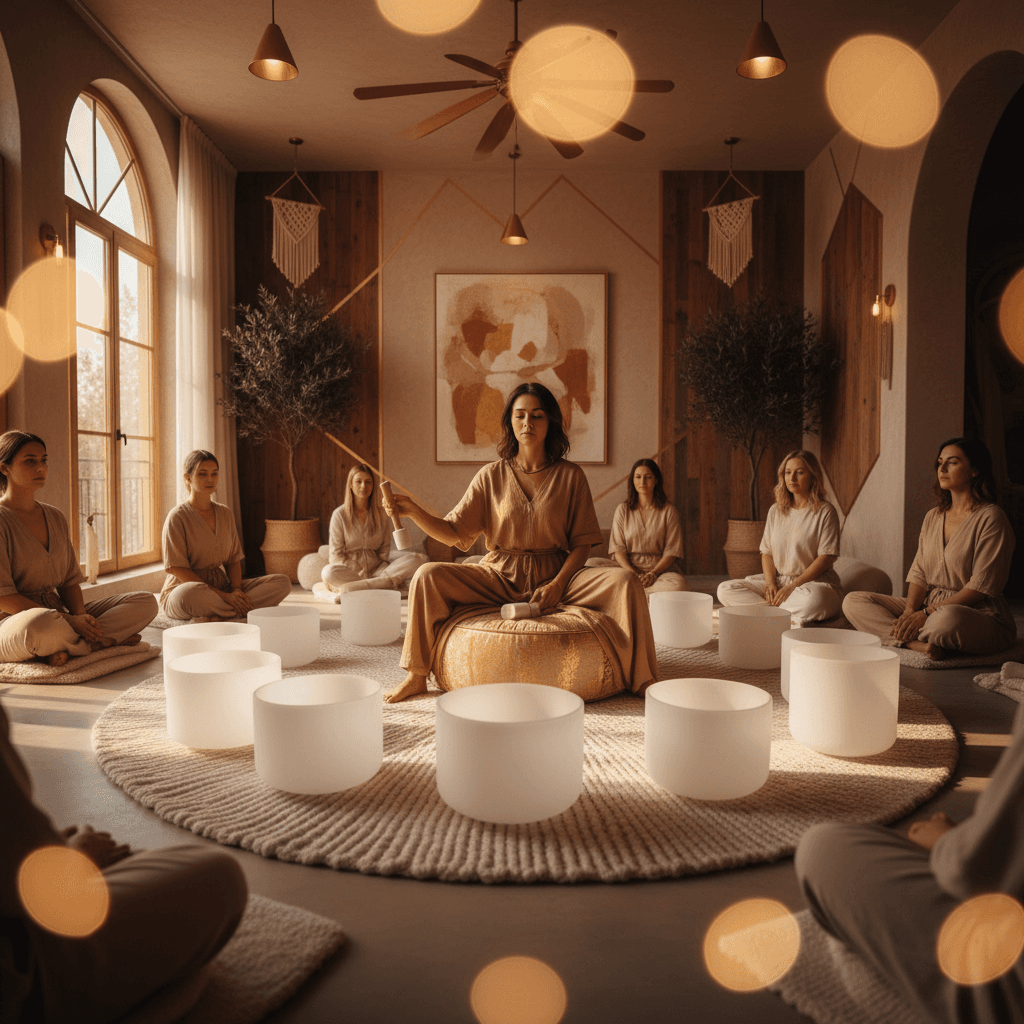
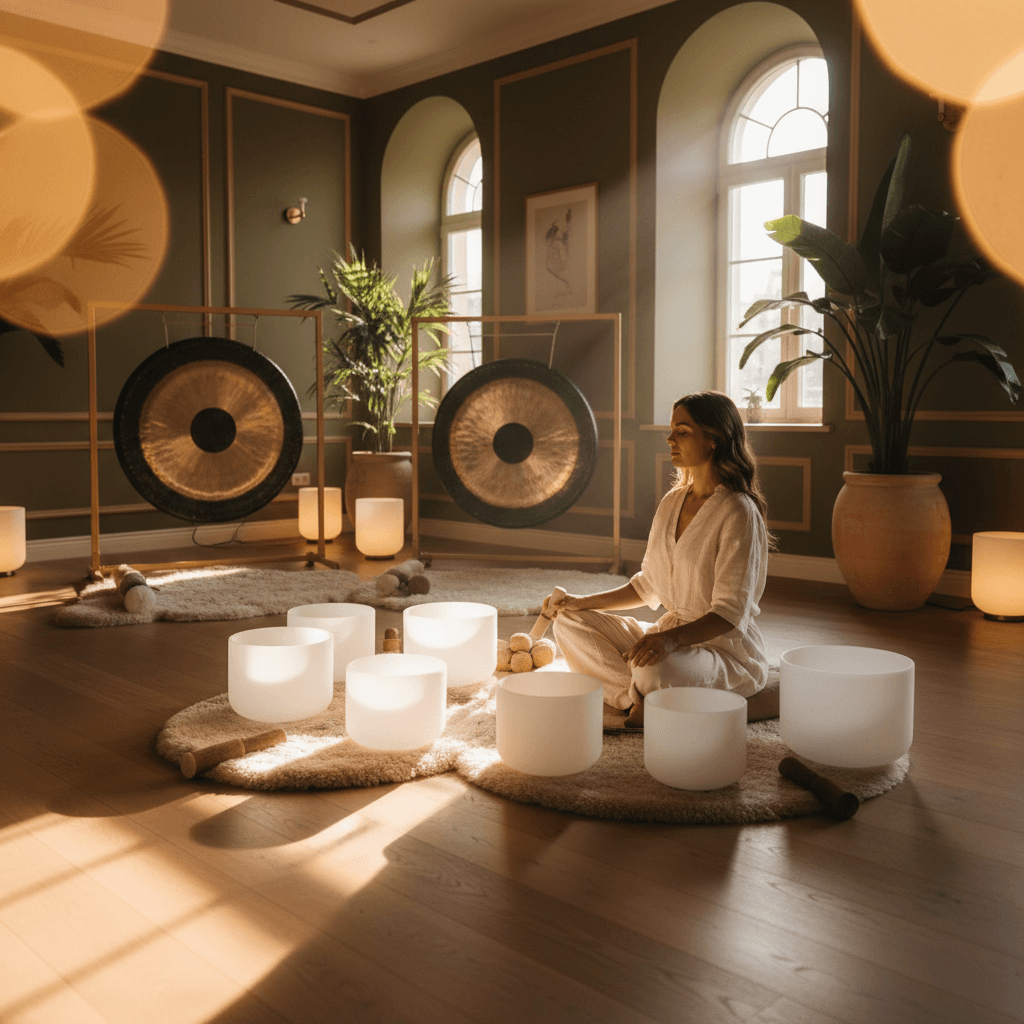
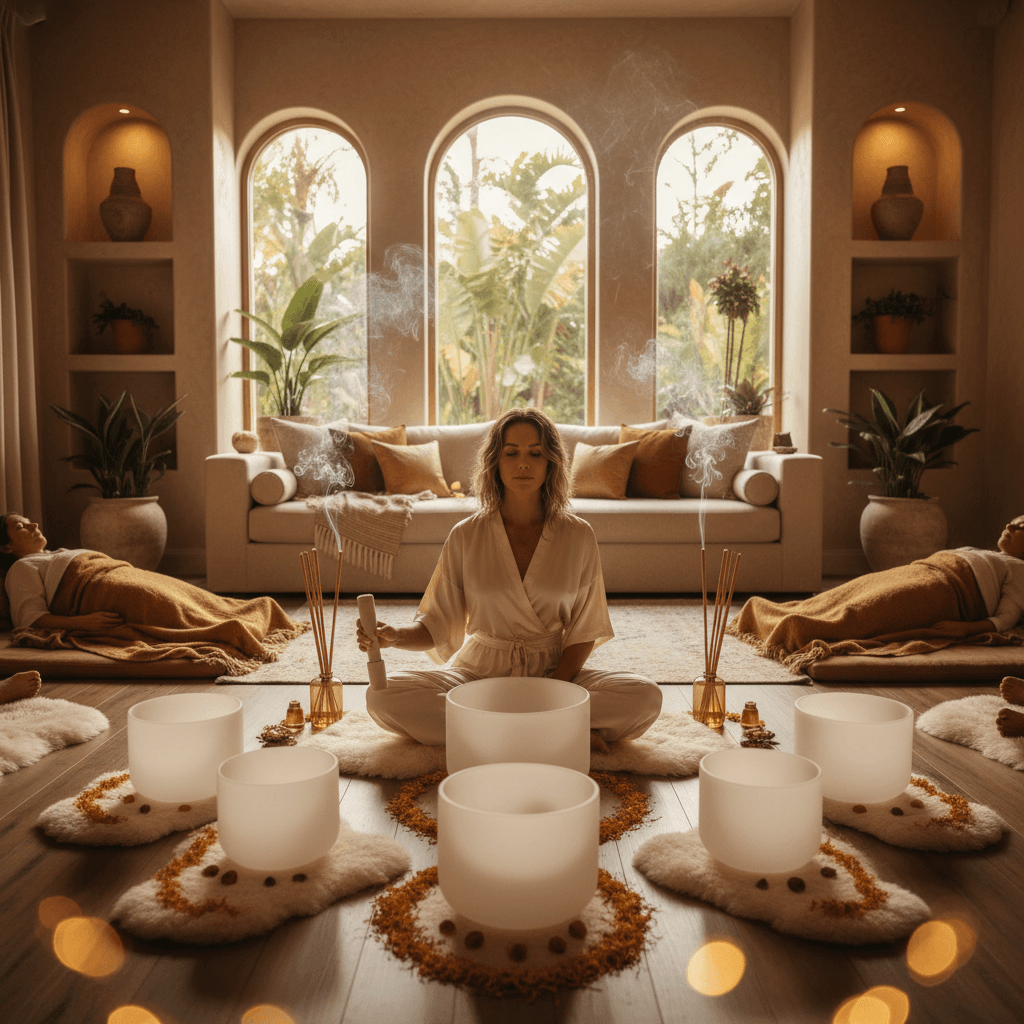
The experience at Soul Art is one of sensory immersion. As you lie in a comfortable, tranquil space, the studio fills with carefully curated soundscapes. You might feel the subtle vibrations of a large gong ripple through your body, followed by the delicate, shimmering tones of crystal singing bowls. These sounds aren't just heard; they are felt, creating a holistic experience that can lead to a meditative state.
This deep meditative state is where the magic happens. When the mind is calm and the body is relaxed, the nervous system can reset. This internal coherence supports the optimal functioning of all bodily systems, including the complex interplay of hormones and neurotransmitters that govern your circadian rhythm. By regularly offering your body and mind this opportunity for profound rest and recalibration, you may be actively strengthening your body's ability to maintain its natural, healthy daily cycles.
The Soul Art Approach: Harmonizing with Larissa Steinbach
At Soul Art, we understand that true wellness emerges from a harmonious integration of mind, body, and spirit. Our approach to supporting a balanced circadian rhythm through sound is deeply rooted in this philosophy, meticulously crafted by our visionary founder, Larissa Steinbach. Larissa's extensive knowledge in sound frequencies and human physiology guides every aspect of the Soul Art experience, ensuring it is both scientifically informed and profoundly transformative.
Larissa's methodology at Soul Art emphasizes creating an environment where the body's innate self-healing capabilities are activated. Rather than claiming to "fix" or "treat" circadian disruption, we offer a powerful complementary approach that supports the body's natural inclination towards balance and optimal function. Our goal is to empower individuals to reconnect with their internal wisdom, fostering a lifestyle that naturally aligns with healthy rhythms.
Unique Modalities and Intentional Design
What makes the Soul Art method unique is its intentional design and the specific blend of instruments and techniques employed:
- Curated Soundscapes: Larissa Steinbach carefully selects and orchestrates a symphony of instruments, including Himalayan singing bowls, crystal singing bowls, gongs, chimes, and tuning forks. Each instrument is chosen for its unique frequency range and its ability to induce specific states of relaxation and mental clarity.
- Vibrational Resonance: The deep, resonant vibrations of gongs and large singing bowls are not merely audible; they are palpable. These somatic vibrations travel through the body, promoting cellular relaxation and helping to release stored tension, which can be a barrier to restful sleep and balanced rhythms.
- Frequency Entrainment: While not directly resetting the SCN, the brain's natural tendency to synchronize with external rhythms, known as brainwave entrainment, plays a crucial role. The consistent, calming frequencies produced during a sound bath can guide the brain into slower brainwave states (alpha and theta), associated with deep relaxation, meditation, and restorative sleep.
- Personalized Experience: While group sound baths are deeply impactful, Soul Art also offers personalized sessions. These allow Larissa to tailor the sound journey to individual needs, addressing specific areas of tension or energetic imbalance that may be contributing to an "out of sync" feeling.
The Soul Art studio itself is designed as a sanctuary, a serene oasis where external stimuli are minimized. The controlled lighting, comfortable furnishings, and tranquil atmosphere all contribute to an environment conducive to deep relaxation and introspection. This holistic setting allows participants to fully surrender to the sound experience, optimizing its potential benefits for stress reduction and, by extension, supporting robust circadian rhythms.
Under Larissa Steinbach's guidance, Soul Art offers more than just a sound session; it offers an invitation to rediscover your natural rhythm, to find stillness amidst the chaos, and to empower your body's intrinsic ability to thrive in harmony with the daily cycles of life. It is a powerful self-care practice for those seeking deeper connection and sustained well-being.
Your Next Steps: Cultivating Rhythmic Harmony
Embracing a lifestyle that supports your circadian rhythm is one of the most profound investments you can make in your overall well-being. While external factors often pull us away from this natural balance, there are tangible steps you can take today to foster greater harmony within. Sound wellness, as offered by Soul Art, serves as a powerful complementary approach to these lifestyle adjustments, helping to create an optimal internal state for your body's clock to thrive.
Here are practical, actionable steps you can integrate into your daily routine to support a healthy circadian rhythm:
- Prioritize Consistent Sleep: Aim to go to bed and wake up at roughly the same time each day, even on weekends. This regularity helps to entrain your internal clock, reinforcing a predictable sleep-wake cycle. Many people report that consistent sleep is the bedrock of feeling balanced.
- Embrace Morning Light Exposure: As soon as you wake up, expose yourself to natural light for 10-20 minutes. This signals to your SCN that the day has begun, effectively setting your circadian clock and boosting alertness. A morning walk or simply drinking your coffee by a window can be highly beneficial.
- Limit Evening Light Exposure: Reduce your exposure to artificial bright lights, especially blue light from screens, in the hours leading up to bedtime. Blue light suppresses melatonin production, delaying the onset of sleep. Dim lights and use "night mode" on devices or consider blue-light blocking glasses.
- Mindful Eating Schedule: Try to eat your meals around the same times each day, and avoid heavy meals close to bedtime. Eating is another important zeitgeber, and consistent meal timings can help reinforce your circadian rhythm.
- Integrate Sound Wellness into Your Routine: Regularly attend sound baths or engage in personal sound meditation practices. The deep relaxation and stress reduction experienced during these sessions can significantly improve sleep quality and calm the nervous system, thereby supporting the natural rhythm of your biological clock. Preliminary studies indicate that practices that foster deep relaxation are crucial for overall well-being.
These adjustments, when consistently applied, can significantly enhance your body's ability to maintain its natural rhythms, leading to improved energy, mood, and overall health. Soul Art invites you to explore how intentional sound can accelerate this journey towards deep relaxation and inner alignment.
Bookings Coming Soon
Soul Art is still in preparation. Session details and booking will be published here after launch.
Coming Soon
In Summary: Reclaiming Your Natural Rhythm with Soul Art
The circadian rhythm is a fundamental biological process, an innate 24-hour cycle that governs countless bodily functions from sleep and metabolism to mood and immunity. Disruptions to this delicate internal clock, often caused by modern lifestyles and artificial light, can lead to widespread imbalances in health and well-being. Understanding the science behind our master clock, the SCN, and its genetic drivers, empowers us to make conscious choices for better health.
While light remains the primary environmental cue, practices that foster deep relaxation and reduce stress play a crucial role in supporting a robust circadian rhythm. Soul Art, founded by Larissa Steinbach, offers a unique and powerful sound wellness approach that may help align your internal state with natural cycles. Through immersive sound experiences, we aim to calm the nervous system, improve sleep quality, and foster the inner coherence necessary for your biological clock to thrive. Reclaim your natural rhythm and enhance your vitality.
Wellness Disclaimer: This article is for educational and informational purposes only. It does not constitute medical advice, diagnosis, or treatment. Soul Art Dubai provides non-medical wellness experiences focused on relaxation, stress management, and general wellbeing. Sound wellness is a complementary practice and should not replace professional medical care.
Related Articles
Anniversary Sound: Harmonizing Relationships Through Milestones
Eclipse Sound: Cosmic Frequencies for Profound Well-being
Mercury Retrograde: Harmonizing Cosmic Chaos with Sound Wellness