Sound Wellness for Chronic Inflammation: A Soul Art Perspective
Key Insights
Uncover the silent threat of chronic inflammation and explore how sound wellness at Soul Art Dubai, guided by Larissa Steinbach, offers a complementary path to holistic well-being and deep relaxation.
Chronic Inflammation: Sound for the Silent Killer
Imagine a silent fire burning within your body, not with pain or obvious symptoms, but slowly and persistently, damaging your cells and accelerating the aging process. This isn't a dystopian fantasy; it's the reality of chronic low-grade inflammation, a hidden threat that Harvard Health experts describe as a "silent killer." Disturbingly, studies reveal that three out of five people globally succumb to diseases linked to this pervasive condition.
This deep dive explores the profound impact of chronic inflammation on our health, unveiling its scientific underpinnings and the subtle ways it can undermine our vitality. We will then journey into the complementary realm of sound wellness, examining how practices like those offered at Soul Art Dubai, founded by Larissa Steinbach, may support the body's natural ability to restore balance. By understanding this silent adversary and embracing holistic self-care, we can begin to nurture a more resilient and harmonious state of being.
This article serves as a guide to empower you with knowledge and practical steps, demonstrating how mindful practices can play a vital role in navigating the challenges of modern health. Your well-being is a symphony, and sometimes, the right frequency can make all the difference.
The Silent Fire Within: Understanding Chronic Inflammation
Our bodies are incredibly intelligent, equipped with intricate defense mechanisms designed to protect and heal. Inflammation is a natural, vital process, acting as the immune system's first responder to injury, infection, or irritation. However, when this protective mechanism becomes dysregulated and prolonged, it transforms into a chronic, low-grade condition that quietly drives numerous health challenges.
Acute vs. Chronic Inflammation
Acute inflammation is the body's immediate, short-term response to harm. If you cut your finger or catch a cold, you'll notice redness, swelling, warmth, and pain – clear signals that your immune system is actively working to repair damage and fight off pathogens. This process is essential for healing and protection.
In contrast, chronic inflammation is a persistent, systemic state where the immune system remains "on alert" long after an initial threat has passed, or in the absence of one. Unlike acute inflammation, it often goes unnoticed because its symptoms are subtle, generalized, or easily dismissed, leading to its moniker as a "silent killer." The immune system continuously pumps out inflammatory cells and chemical messengers, inadvertently damaging healthy tissues and organs over time.
Research highlights a compelling hypothesis called "unalamation," suggesting that chronic inflammation isn't merely a continuation of acute responses. Instead, it may stem from a decrease in anti-inflammatory compounds, disrupting the delicate balance required for normal physiological function. This perspective shifts focus from just reducing inflammatory compounds to exploring ways to increase the body's natural anti-inflammatory defenses.
The "Silent Killer" Mechanism
The insidious nature of chronic inflammation lies in its stealthy contribution to a vast array of serious health conditions. Harvard Medical School's Special Health Report, "Fighting Inflammation," emphasizes its role in cardiovascular disease, cancer, and type 2 diabetes. Furthermore, it has been associated with autoimmune conditions, dementia, and even accelerated aging.
Studies have identified specific biomarkers, such as C-reactive protein (CRP) and interleukin-6 (IL-6), that indicate elevated inflammation levels in the body. Elevated CRP and IL-6 have been shown to correlate with a significantly increased risk of mortality. This suggests that even when you "feel fine," underlying inflammation could be actively compromising your health.
The cumulative damage from chronic inflammation contributes to phenomena like "immunosenescence," where the immune system's defense machinery crumbles, and "inflammaging," the pervasive background hum of pointless, chronic inflammation associated with old age. These processes weaken the body's ability to respond effectively to new challenges and repair itself, further entrenching the inflammatory cycle.
"The intricate link between inflammation and modern chronic diseases is rooted in our evolutionary history. Our immune system is exceptionally sensitive to the triggers of this new world, portending a higher risk of chronic, hidden inflammation."
The "exposome" — a person's lifelong exposure to physical, chemical, and biological elements — is a significant driver of systemic chronic inflammation. This encompasses everything from pollution and dietary choices to chronic stress. It underscores that non-heritable, environmental factors often contribute more to individual differences in inflammation levels than genetics alone.
Lifestyle's Role in Fueling the Fire
Our modern lifestyle, characterized by convenience and speed, often inadvertently fuels this silent fire. Experts consistently point to a range of environmental and behavioral factors that contribute to chronic inflammation:
- Dietary Choices: Processed foods, excessive sugar, unhealthy fats, and food additives can provoke an inflammatory response, as many "anti-inflammatory diets" not grounded in science often mislead. Harvard experts recommend focusing on evidence-based dietary choices rich in whole foods.
- Environmental Toxins: Exposure to pollutants, plastics, and various chemicals can place a constant burden on the immune system, leading to sustained inflammatory processes.
- Chronic Stress: Persistent psychological stress triggers the release of stress hormones, which, over time, can contribute significantly to systemic inflammation. This is a critical link that sound wellness practices aim to address.
- Sedentary Lifestyle: Too much sitting and insufficient physical activity can exacerbate inflammation. While moderate exercise helps lower inflammation, surprisingly little aerobic activity is needed to see benefits, and too much intense exercise may even provoke a temporary inflammatory response.
- Poor Sleep: Inadequate or disrupted sleep interferes with the body's repair mechanisms and immune regulation, increasing inflammatory markers.
- Obesity: Excess visceral fat cells, the deep fat surrounding organs, can be perceived as a threat by the immune system, leading to a prolonged inflammatory state.
Understanding these triggers is the first step towards taking proactive measures to dampen the silent fire of chronic inflammation. Recognizing that many of these factors are within our control empowers us to make daily choices that support a more balanced, anti-inflammatory state.
How It Works in Practice: Sound for Soothing the System
While the link between diet, exercise, and inflammation is widely recognized, the role of complementary practices in managing chronic inflammation, particularly through stress reduction, is gaining significant attention. Sound wellness, with its profound ability to induce deep relaxation and nervous system regulation, offers a promising avenue for supporting the body's anti-inflammatory efforts.
The theory connecting sound to inflammation reduction centers on its impact on the autonomic nervous system. Chronic stress, as a major driver of inflammation, keeps the body in a "fight or flight" (sympathetic) state. This constant state of heightened alert promotes the release of inflammatory chemicals. Sound wellness practices, through carefully curated frequencies and vibrations, aim to shift the nervous system into a "rest and digest" (parasympathetic) state.
When the parasympathetic nervous system is activated, the body experiences a cascade of calming physiological responses. Heart rate slows, blood pressure may decrease, and muscle tension relaxes. This shift can directly counteract the stress-induced inflammatory pathways. Preliminary studies indicate that practices promoting deep relaxation can influence physiological markers related to stress and, indirectly, inflammation.
Clients often report a profound sense of peace and mental clarity during and after sound wellness sessions. The immersive experience, where the body is bathed in resonant frequencies, helps to quiet an overactive mind, releasing accumulated tension. Many people report feeling lighter, more grounded, and experiencing improved emotional regulation, which are all vital components in reducing overall physiological stress.
From a sensory perspective, the experience is multi-layered. The deep, sustained tones of gongs and the pure, resonant vibrations of singing bowls create a palpable field of energy. These vibrations may gently penetrate the body, promoting a sense of cellular release and harmony. It's a non-invasive, gentle approach that bypasses the intellectual mind, allowing the body to simply be and self-regulate.
The practice helps to interrupt the vicious cycle where stress fuels inflammation, and inflammation, in turn, can exacerbate stress and discomfort. By providing a dedicated space and time for profound rest, sound wellness acts as a potent self-care tool, supporting the body's innate capacity for balance and repair. It is a complementary approach that works alongside other lifestyle interventions to foster holistic well-being.
The Soul Art Method: A Symphony of Serenity for Well-being
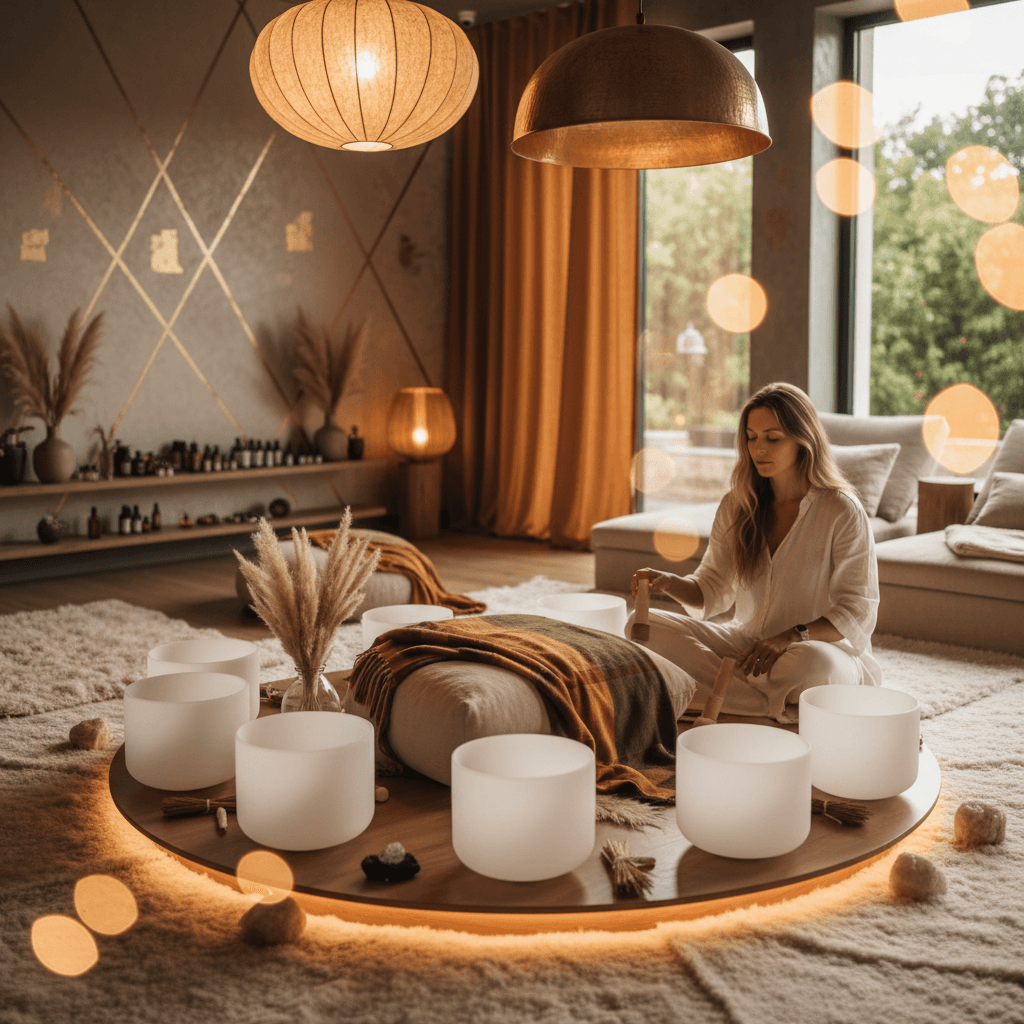
At Soul Art Dubai, Larissa Steinbach has meticulously crafted a unique approach to sound wellness, specifically designed to guide individuals toward profound states of relaxation and inner harmony. The studio stands as Dubai's premier destination for those seeking a sophisticated yet accessible path to holistic well-being, where the power of resonant frequencies is harnessed to support the body's natural equilibrium.
Larissa's philosophy is rooted in an integrative understanding of the mind-body connection, recognizing that true well-being encompasses physical, mental, and emotional balance. She believes that by gently shifting our internal frequencies, we can unlock deeper states of calm and resilience, which may support the body in managing modern stressors, including those contributing to chronic inflammation. The Soul Art method is not about treating conditions, but rather about nurturing an environment where the body's innate healing wisdom can flourish.
What makes the Soul Art method unique is its curated blend of ancient wisdom and contemporary understanding of sound physics. Each session is a carefully orchestrated journey, utilizing a diverse collection of high-quality, authentic instruments chosen for their specific vibrational qualities. Larissa Steinbach’s expertise ensures that the experience is both deeply immersive and profoundly transformative.
Specific instruments and techniques used at Soul Art include:
- Himalayan Singing Bowls: Hand-hammered bowls, each with unique overtones, placed on or around the body, creating rich, sustained vibrations that resonate deeply.
- Gongs: Large, resonant instruments producing expansive soundscapes that encourage brainwave entrainment, facilitating deep meditative states and nervous system relaxation.
- Crystal Singing Bowls: Made from pure quartz crystal, these bowls produce pure, clear tones that are often perceived as highly soothing and restorative.
- Chimes and Tuning Forks: Used for subtle energy work and to introduce specific frequencies that may support relaxation and mental clarity.
During a Soul Art session, participants recline comfortably, allowing the waves of sound to wash over them. Larissa Steinbach expertly guides the journey, creating a sonic tapestry that invites the nervous system to downshift from its heightened state. This intentional shift from sympathetic to parasympathetic dominance is crucial for mitigating stress-induced inflammatory responses. The practice is a sophisticated form of vibrational meditation, where the absence of a fixed rhythm or melody allows the mind to surrender, moving beyond analytical thought into a state of deep receptivity. It's a powerful complementary practice, offering a sanctuary for profound rest and self-recalibration amidst the demands of modern life.
Empowering Your Well-being: Practical Steps
Taking charge of your well-being, especially when addressing subtle yet pervasive challenges like chronic inflammation, involves conscious daily choices. While sound wellness offers a powerful complementary tool, a holistic approach integrates several pillars of health. Here are actionable steps you can implement today to support your body's natural anti-inflammatory processes and foster overall vitality.
-
Nourish with Anti-Inflammatory Foods: Prioritise a diet rich in colorful whole foods. Include plenty of berries, leafy greens, beans, nuts, seeds, and omega-3 rich fish. Incorporate herbs and spices like turmeric and cumin, known for their potential anti-inflammatory properties. Harvard experts advise focusing on science-backed dietary choices that truly help suppress inflammation levels.
-
Embrace Moderate Movement: Engage in regular, moderate-intensity exercise. Even just 20 minutes of moderate activity, such as walking, has been shown to have an anti-inflammatory effect. Consistent movement, rather than excessive intensity, is key to supporting a calmer immune system.
-
Prioritise Quality Sleep: Aim for 7-9 hours of restorative sleep each night. Establish a consistent sleep schedule and create a calming bedtime routine. Quality sleep is fundamental for immune regulation and overall cellular repair, directly influencing inflammatory responses.
-
Master Stress Management: Incorporate daily practices that help regulate your stress response. This could include meditation, deep breathing exercises, spending time in nature, or engaging in hobbies you love. Chronic stress is a significant driver of inflammation, making stress reduction an essential component of your wellness strategy.
-
Explore Complementary Practices: Consider integrating practices like sound wellness into your routine. The deep relaxation and nervous system regulation offered by sound baths may support your body in shifting out of a stress-induced inflammatory state. Many people report significant benefits in terms of relaxation and overall well-being.
By thoughtfully weaving these practices into your daily life, you empower your body to maintain its natural balance and resilience. Each small choice contributes to a larger symphony of well-being. Discover the transformative power of deep relaxation and conscious living.
Bookings Coming Soon
Soul Art is still in preparation. Session details and booking will be published here after launch.
Coming Soon
In Summary
Chronic inflammation stands as a "silent killer," subtly yet profoundly impacting global health by contributing to a myriad of debilitating diseases. It's a pervasive condition fueled by modern lifestyle factors, from diet and environmental exposures to chronic stress and inadequate sleep. Understanding its mechanisms empowers us to take proactive steps towards a healthier future.
While lifestyle adjustments are paramount, complementary practices like sound wellness offer a powerful means to support the body's natural balance. By promoting deep relaxation and nervous system regulation, sound experiences may help to mitigate stress, a significant driver of inflammation. This holistic approach fosters an environment where the body can thrive.
At Soul Art Dubai, Larissa Steinbach champions this path, offering a unique method that guides individuals towards profound states of calm and restoration. We invite you to explore the harmonizing frequencies and discover how sound can become a vital part of your personal wellness journey.
Related Articles
Advanced Biohacker: Optimizing Wellness with Complex Sound Protocols

Ozone Therapy & Sound: Mastering Oxidative Stress for Vitality
Hyperbaric Oxygen & Sound: Synergizing Wellness & Brain Vitality