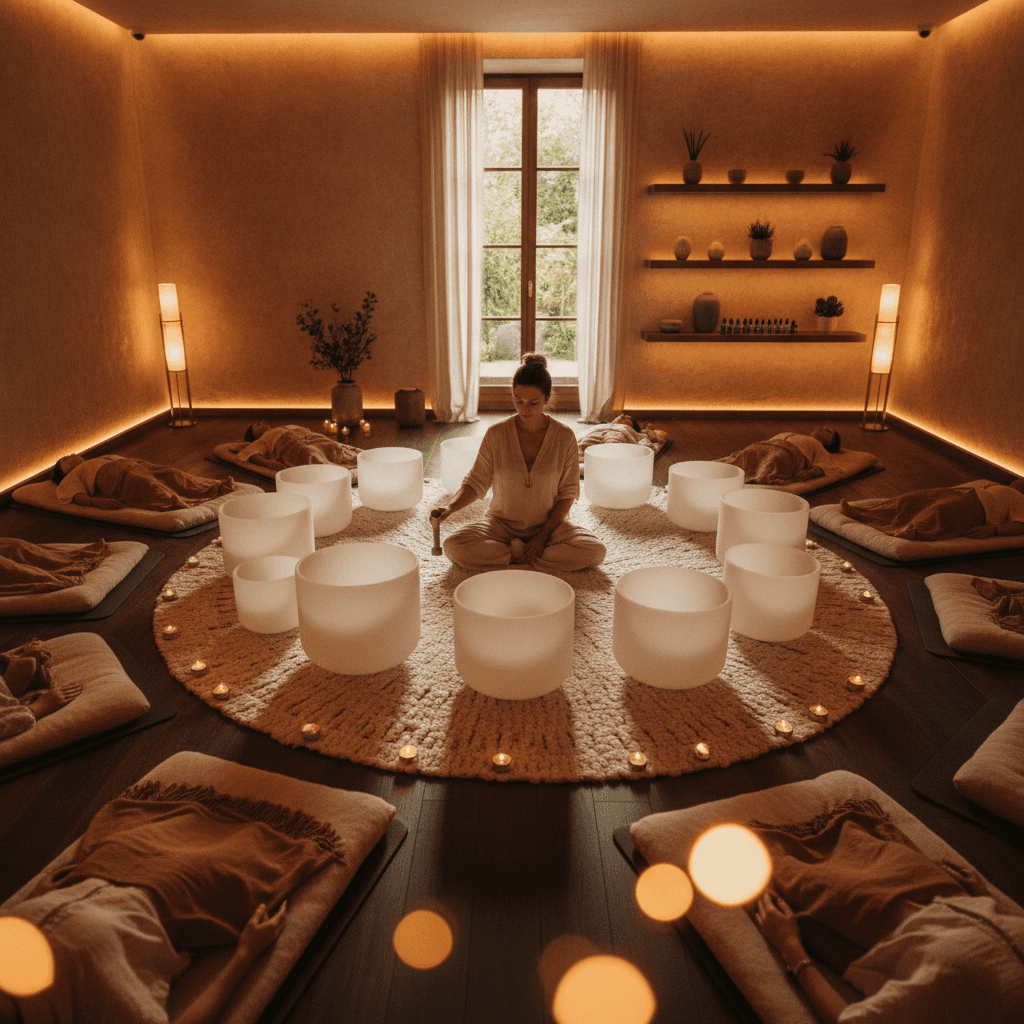
Chanting, Consent & Choice: Soul Art's Approach to Sound
Key Insights
Explore the science of chanting and why informed consent is paramount in group sound wellness, as championed by Larissa Steinbach at Soul Art Dubai.
The Resonant Power of Voice: Chanting, Consent, and Conscious Participation
Did you know that the simple act of vocalising, alone or in a group, can profoundly shift your physiological state, reducing stress and fostering a deep sense of connection? For centuries, cultures worldwide have harnessed the power of chanting, recognising its capacity to move us beyond everyday consciousness into states of heightened calm and unity. Yet, in modern wellness spaces, the critical element of individual consent and participation choice often receives less attention than it deserves.
At Soul Art, Dubai's premier sound wellness studio founded by Larissa Steinbach, we believe that true well-being blossoms when scientific insight meets compassionate practice. This article delves into the fascinating neuroscience behind chanting, explains why conscious consent is non-negotiable for a truly transformative experience, and unveils Soul Art’s unique approach to empowering your vocal journey. Prepare to discover how the deliberate fusion of voice, intention, and informed choice can unlock unparalleled avenues for relaxation and self-discovery.
The Physiological Symphony of Chanting
The act of chanting, whether it’s a simple "Om," a melodic hum, or a rhythmic repetition of phrases, initiates a cascade of physiological responses throughout the body. Far from being merely a spiritual exercise, chanting is a powerful bio-hack that engages our nervous system, influences brainwave patterns, and modulates neurotransmitter release, contributing significantly to holistic well-being.
The Vagus Nerve and Parasympathetic Activation
One of the most significant mechanisms through which chanting impacts our well-being is its direct stimulation of the vagus nerve. This crucial nerve, often referred to as the "wandering nerve," is the longest cranial nerve and plays a central role in regulating numerous internal organ functions, including heart rate, digestion, and respiratory rate. Chanting, especially when it involves prolonged exhalation and deep, resonant vocalisation, is a potent activator of the vagus nerve.
Activation of the vagus nerve shifts our autonomic nervous system from a sympathetic ("fight or flight") state to a parasympathetic ("rest and digest") state. This shift is associated with a decrease in heart rate, improved heart rate variability (an indicator of nervous system resilience), reduced muscle tension, and a general sense of calm. Preliminary studies indicate that practices involving sustained vocalisation may support enhanced vagal tone, leading to improved emotional regulation and stress resilience.
Brainwave Entrainment and Flow States
The rhythmic and repetitive nature of chanting has been associated with brainwave entrainment, a process where brainwave frequencies begin to synchronise with the external rhythm. While our waking state is typically dominated by Beta waves (13-30 Hz), chanting often encourages a transition into Alpha (8-12 Hz) and Theta (4-7 Hz) brainwave states. Alpha waves are linked to relaxed alertness, intuition, and creativity, while Theta waves are often associated with deep relaxation, meditation, and access to subconscious insights.
This shift can facilitate a "flow state," where individuals become deeply immersed in the present moment, losing track of time and experiencing a sense of effortless focus. This neurophysiological state may support mental clarity, reduce rumination, and foster a peaceful internal environment. The consistent, predictable patterns in chanting provide a gentle anchor for the mind, allowing it to disengage from external distractions and internal chatter.
Neurotransmitters and Emotional Regulation
Beyond nervous system and brainwave modulation, chanting also influences the release of key neurotransmitters, the chemical messengers of the brain. The rhythmic breathing and vocalisation involved in chanting can stimulate the release of endorphins, natural opioids produced by the body that are known for their pain-relieving and mood-boosting effects. Many people report feelings of euphoria and well-being during and after chanting sessions, which may be partly attributed to this endorphin release.
Furthermore, group chanting, particularly in a supportive environment, may foster the release of oxytocin, often called the "love hormone" or "bonding hormone." Oxytocin is associated with feelings of trust, empathy, and social connection, reinforcing the communal aspect of shared vocalisation. Some research suggests that regular engagement in sound wellness practices, including chanting, has been associated with balanced levels of serotonin and dopamine, neurotransmitters critical for mood, motivation, and pleasure, thereby acting as a complementary approach to emotional regulation and stress management.
Cultivating Conscious Participation: The Role of Consent in Chanting
While the scientific benefits of chanting are compelling, their true potential is unlocked only when underpinned by a profound respect for individual autonomy. In any group wellness setting, particularly one as personal as vocalisation, consent is not merely a formality; it is the cornerstone of a safe, empowering, and truly transformative experience. Consent ensures that participation is voluntary, informed, and continuously honored.
Connecting theory to practice means recognising that a person's comfort level with vocalising can vary immensely, even within a single session. Some individuals may arrive eager to chant loudly, while others might prefer to listen, hum softly, or simply absorb the vibrations in silence. A wellness studio committed to integrity understands that all these modes of participation are equally valid and deserve full respect. The core principle, as highlighted in research on ethical participation, is that "taking part in this study is your choice. You can choose to take part, or you can choose not to take part... You can also change your mind at any time. Whatever choice you make, you will not lose access to... any legal rights or benefits." Translating this to a wellness context means individuals should feel no pressure or fear of losing out on the experience if they choose to observe rather than vocalise.
Informed choice is paramount. Participants should understand what chanting involves—the types of sounds, the duration, the group dynamic, and any potential sensations or emotional releases that might arise. This transparency empowers them to make a decision aligned with their comfort and readiness. For a sound journey, this might involve an initial explanation of the practice, an invitation to participate, and a clear statement that "I may refuse to participate without consequence" and "I have a choice of not answering specific questions," which in this context means a choice not to vocalise or engage in specific movements.
Facilitators at Soul Art create a space where consent is ongoing and non-verbal cues are meticulously observed. This means explicitly inviting participants to join in, rather than demanding or assuming their vocal engagement. The language used is always one of invitation, not coercion. For example, a facilitator might say, "You are invited to join us in this vocalisation, or you may simply listen and receive the sounds," clearly establishing that both options are equally welcome.
This proactive approach to consent extends to the ability to withdraw at any moment. Participants must be explicitly informed that they can cease vocalising or even leave the group at any point, "whenever they want and reassured that they will face no disbenefit from withdrawing their participation." This ensures a truly safe container where personal boundaries are honoured, promoting a deeper sense of trust and allowing for more authentic engagement when a participant does choose to vocalise. The collective energy of a group chanting session is powerful, but that power is only truly positive when every individual's agency and comfort are at its heart.
Soul Art's Ethos: Chanting with Integrity and Intention
At Soul Art, Larissa Steinbach has cultivated a philosophy that places conscious participation and individual empowerment at the very core of every sound wellness experience. Our approach to chanting is deeply rooted in both scientific understanding and profound respect for personal boundaries, ensuring that every interaction is not just resonant, but also genuinely uplifting and safe. We understand that true healing and relaxation occur when individuals feel completely at ease and in control of their journey.
What makes the Soul Art method unique is its commitment to creating a non-coercive, inviting atmosphere where the choice to vocalise, or simply to listen, is equally valued. Larissa Steinbach and her team are meticulous in their facilitation, beginning each session with a clear articulation of the session's intentions and an open invitation for participation. There is never any language that may inadvertently coerce a participant into vocalising if they are not ready or willing. We recognise that for some, the deepest connection comes from silent reception, while for others, it is through their own resonant voice.
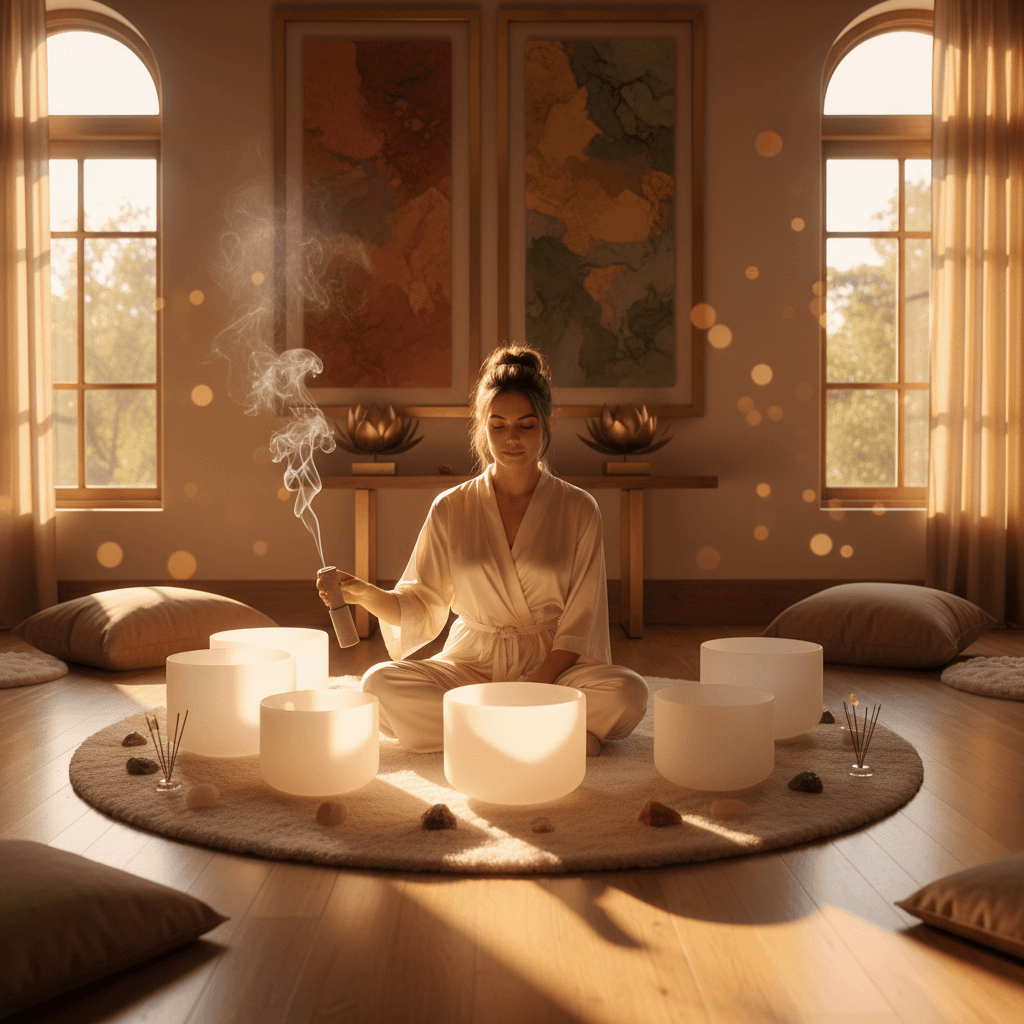
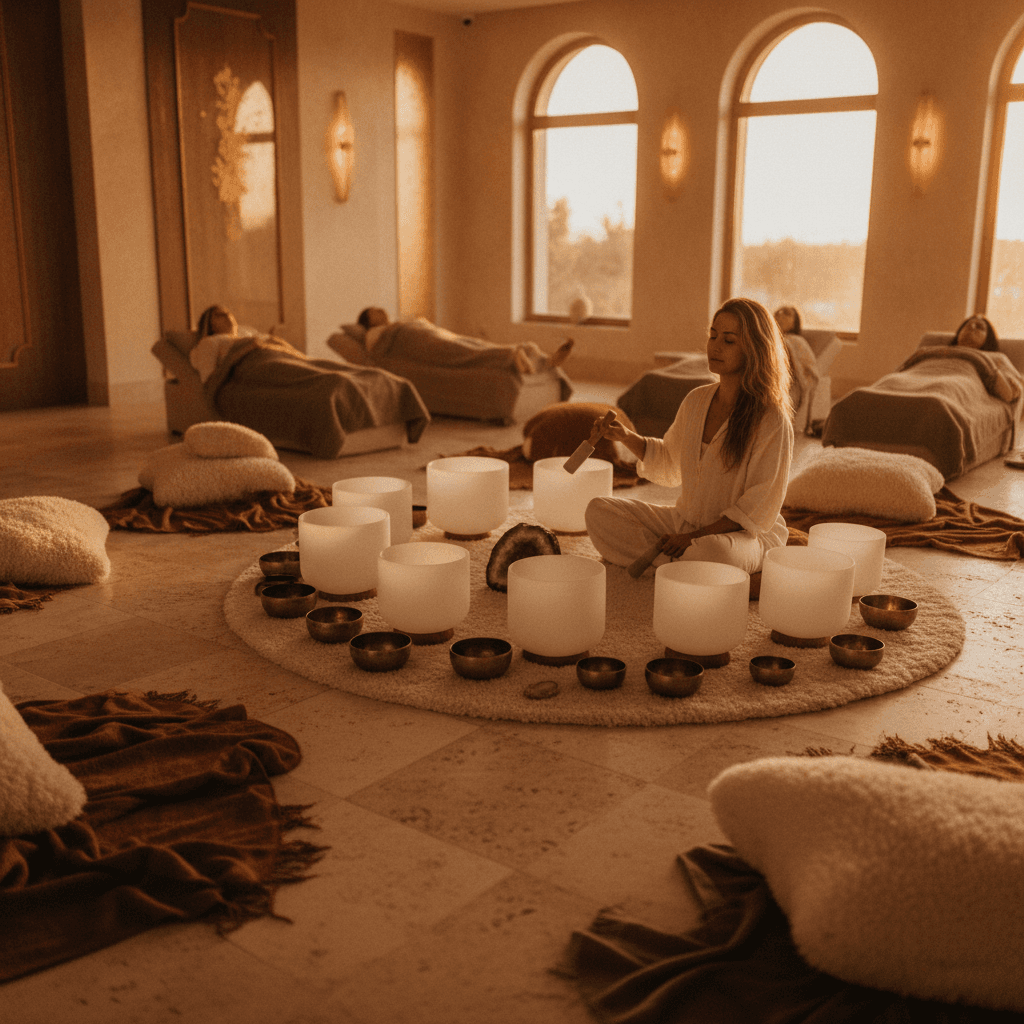
Soul Art sessions often integrate a variety of sacred instruments, such as Himalayan singing bowls, crystal bowls, and gongs, which create a rich sonic tapestry. These instruments are carefully chosen to complement the human voice, providing a foundation of harmonic frequencies that may support deeper relaxation and brainwave entrainment. When chanting is introduced, it is always presented as an option, a gentle suggestion to explore one's own vocal expression within the supportive ambient soundscape. The focus is on the experience of sound and vibration, whether created externally or internally.
Larissa Steinbach champions the idea of "auditory spaciousness," where there is ample room for individual expression without pressure. Facilitators are trained to observe non-verbal cues and to maintain an "ongoing consent process," ensuring that participants feel seen and respected throughout the session. This might involve offering gentle guidance, but always with an understanding that the participant's comfort and preference take precedence. Our methodology ensures that you are invited to participate, not asked, fostering an environment where your inner wisdom guides your sound journey.
"True well-being is not found in forced participation, but in the authentic expression of self that emerges from a space of deep respect and unwavering consent. At Soul Art, we invite you to find your voice, or simply to listen, knowing that either choice is perfectly complete." — Larissa Steinbach
Embarking on Your Sound Journey: Practical Steps
Integrating the principles of chanting, consent, and conscious participation into your daily life can be a profoundly enriching wellness practice. Whether you are new to vocalisation or a seasoned practitioner, these practical steps can help you explore sound with greater intention and self-awareness.
- Begin with Mindful Listening: Before vocalising, take time to simply listen to sounds around you. Notice how different frequencies and rhythms make you feel. This practice hones your auditory perception and prepares you for internal vocalisation.
- Explore Gentle Vocalisations Privately: Start with simple hums, "Om" sounds, or even just long exhales with an open mouth in a private space. Pay attention to the vibrations in your body and the natural resonance of your voice without judgment. This builds comfort and confidence.
- Seek Out Guided Sound Experiences that Prioritize Consent: Look for wellness studios or practitioners, like Soul Art, that explicitly discuss their approach to consent, ensuring you feel safe to participate as much or as little as you desire. This empowers you to choose your level of engagement.
- Pay Attention to Your Body's Responses: During any vocalisation practice, continuously check in with your physical and emotional state. If anything feels uncomfortable or forced, gently adjust or pause. Your body is your best guide.
- Reflect on Your Intentions: Before you vocalise, take a moment to set an intention. Are you seeking relaxation, clarity, or connection? This conscious awareness can amplify the benefits of your chanting practice and align it with your personal wellness goals.
Ready to explore the profound benefits of sound wellness in a space where your choice is always celebrated? Soul Art offers unique experiences designed to restore your nervous system and invite deep relaxation.
Harmonising Voice and Choice: A Concluding Reflection
The ancient practice of chanting, when approached with a modern understanding of its scientific underpinnings and the paramount importance of consent, offers a powerful pathway to enhanced well-being. From stimulating the vagus nerve and entraining brainwaves to fostering neurotransmitter release, the act of vocalisation is a sophisticated tool for stress management and emotional regulation. However, the true depth of this practice is only accessible when individuals feel completely empowered to participate on their own terms, knowing their choices are respected at every moment.
Larissa Steinbach and the team at Soul Art stand as a beacon for this mindful approach, crafting immersive sound journeys where every client's autonomy is honoured. By consciously integrating consent and participation choice, Soul Art creates a sanctuary for authentic self-expression and profound relaxation. We invite you to experience this unique blend of scientific precision and compassionate practice, discovering the transformative potential of your own voice and presence.
Bookings Coming Soon
Soul Art is still in preparation. Session details and booking will be published here after launch.
Coming Soon
Wellness Disclaimer: This article is for educational and informational purposes only. It does not constitute medical advice, diagnosis, or treatment. Soul Art Dubai provides non-medical wellness experiences focused on relaxation, stress management, and general wellbeing. Sound wellness is a complementary practice and should not replace professional medical care.
Related Articles
Ramadan Sound Bath: Elevating Well-being with Respect & Science
Celebrate with Sound: Birthday Rituals for Deep Reflection
Beyond the Echo: Mastering Closing Rituals for Sound Journeys