Brain Training: Unlocking Neuroplasticity Through Sound at Soul Art

Key Insights
Explore how sound influences neuroplasticity, enhancing brain function, memory, and emotional balance. Discover Soul Art's unique approach with Larissa Steinbach.
Have you ever considered that the sounds you hear might be actively reshaping your brain, not just momentarily, but structurally and functionally? The human brain, a marvel of adaptability, is constantly evolving in response to experiences, and recent scientific discoveries are illuminating the profound role sound plays in this incredible process, known as neuroplasticity. This isn't just about listening to your favorite song; it's about harnessing specific sonic frequencies and structured auditory experiences to potentially optimize brain health, enhance cognitive function, and cultivate profound emotional balance.
At Soul Art, Dubai’s premier sound wellness studio, we believe in a holistic approach to wellbeing, deeply rooted in scientific understanding. Under the guidance of our founder, Larissa Steinbach, we explore how intentional sound exposure can serve as a powerful tool for what we term "brain training," leveraging the brain’s innate capacity for change. This article will delve into the fascinating neuroscience behind neuroplasticity and sound, explore how these principles are applied in practice, and reveal the unique methodology offered by Soul Art to help you unlock your brain’s full potential.
The Science Behind Sound and Neuroplasticity
Our brains are not static organs; they are dynamic, constantly rewiring themselves in response to learning, experience, and even injury. This remarkable ability, known as neuroplasticity, allows the brain to form new neural connections, strengthen existing ones, and even reorganize its pathways. Understanding this fundamental principle is key to appreciating how sound can be a potent catalyst for positive change within our intricate neural networks.
What is Neuroplasticity?
Neuroplasticity refers to the brain's astonishing capacity to adapt throughout an individual's life. It's the physiological basis for learning, memory, and recovery from brain injury. This adaptability manifests in several ways, including changes in synaptic strength (the connections between neurons), alterations in gray matter volume, and modifications in white matter integrity (the brain's communication highways). Without neuroplasticity, we would be unable to learn new skills, form memories, or adapt to new environments.
Scientific research consistently supports the brain's inherent plasticity, showing that challenging experiences, including auditory ones, can drive these adaptive changes. From natural development to targeted interventions, the brain demonstrates an incredible capacity for reorganization. This means that with the right stimuli, we can actively participate in shaping our brain's architecture and function.
How Sound Influences Brain Connections
The impact of sound on neuroplasticity is a burgeoning field of research, revealing how various forms of auditory input can modulate brain activity and structure. Studies demonstrate that sound can influence the brain on multiple levels, from the microscopic changes in neuronal connections to macroscopic alterations in brain regions. This includes not only active musical training but also passive, attentive listening experiences.
One exciting area of research involves using advanced sound waves, like focused ultrasound, to directly modulate neuroplasticity. Scientists have designed forms of ultrasound to mimic brain waves associated with learning and memory. In a study published in Science Advances, researchers stimulated the brains of mice either continuously or intermittently. They found that intermittent stimulation significantly increased the potential for strong connections between neurons in targeted brain areas, with effects lasting up to an hour. Conversely, continuous stimulation had the opposite effect, reducing the potential for strong connections.
This non-invasive neuromodulation method holds significant promise for future applications, offering precise stimulation of deep brain areas with potentially long-term effects and minimal side effects. While this research is still in its early stages for human application, it strongly underscores the scientific understanding that sound, in its various forms, can be a powerful tool to modulate brain's plasticity. The implications are vast, suggesting potential benefits for stroke rehabilitation, cognitive enhancement in conditions like Alzheimer's disease, or even accelerating skill acquisition for healthy individuals.
Beyond advanced ultrasound, more accessible forms of sound, such as music and structured audio programs, have long been recognized for their brain-shaping capabilities. Extensive research using neuroimaging techniques like Diffusion Tensor Imaging (DTI) and functional MRI (fMRI) has provided compelling evidence for training-related plasticity induced by musical engagement. Studies show that musical training leads to structural adaptations within auditory and motor regions of the brain, enhances functional coupling between these areas, and can even increase white matter expansion in critical conduction pathways like the corpus callosum and corticospinal tract. This is why professional musicians often exhibit distinct differences in brain morphology, serving as models for understanding skill acquisition and expert behavior.
However, neuroplasticity through sound is not exclusive to performance musicianship. Attentive listening to music and structured auditory programs can also lead to significant plastic changes, both in the short and long term. This is because attentive listening is a cognitively challenging activity, engaging several types of memory, attention, content processing, and target detection. Programs utilizing structured music have been shown to enhance brain function in areas such as memory, attention, and emotional regulation, offering support for learning challenges, auditory sensitivities, and social-emotional development. Some research suggests that gamma-frequency stimulation, often incorporated into brain-training audio programs, can improve memory performance. Moreover, auditory cognitive training, even with low sound intensity levels, has been associated with changes in brain structures like gray matter volume and functional connectivity, as observed through MRI studies.
"The brain is the guiding agency in this, and that brain is extremely plastic, as evidenced by the phenomenon of neuroplasticity, which refers to the brain’s ability to adapt in response to challenging experiences."
These findings collectively highlight the brain’s remarkable responsiveness to auditory input, demonstrating that carefully designed sound experiences can actively contribute to neuroplastic changes. Whether through highly targeted ultrasound or the rich tapestry of musical soundscapes, the potential for sound to optimize brain function is increasingly clear.
From Theory to Transformation: Experiencing Sound's Impact
Understanding the scientific underpinnings of sound and neuroplasticity is one thing; experiencing its real-world application is another. When these scientific principles are thoughtfully applied, the resulting experiences can be profoundly transformative, fostering a deeper sense of well-being and improved cognitive function. This is where the bridge between cutting-edge research and holistic wellness practices becomes tangible.
In a sound wellness session, the goal is often to create an immersive auditory environment that encourages the brain and nervous system to shift into states conducive to relaxation, contemplation, and healing. While we do not claim to offer medical treatments or directly "rewire" the brain in the same way clinical interventions might, many people report significant benefits that align with enhanced neuroplasticity. These often include improved mental clarity, reduced stress, and an elevated capacity for emotional regulation. The intentional arrangement of frequencies and vibrations aims to guide brainwave patterns towards states associated with deep relaxation and focused attention, such as alpha and theta waves.
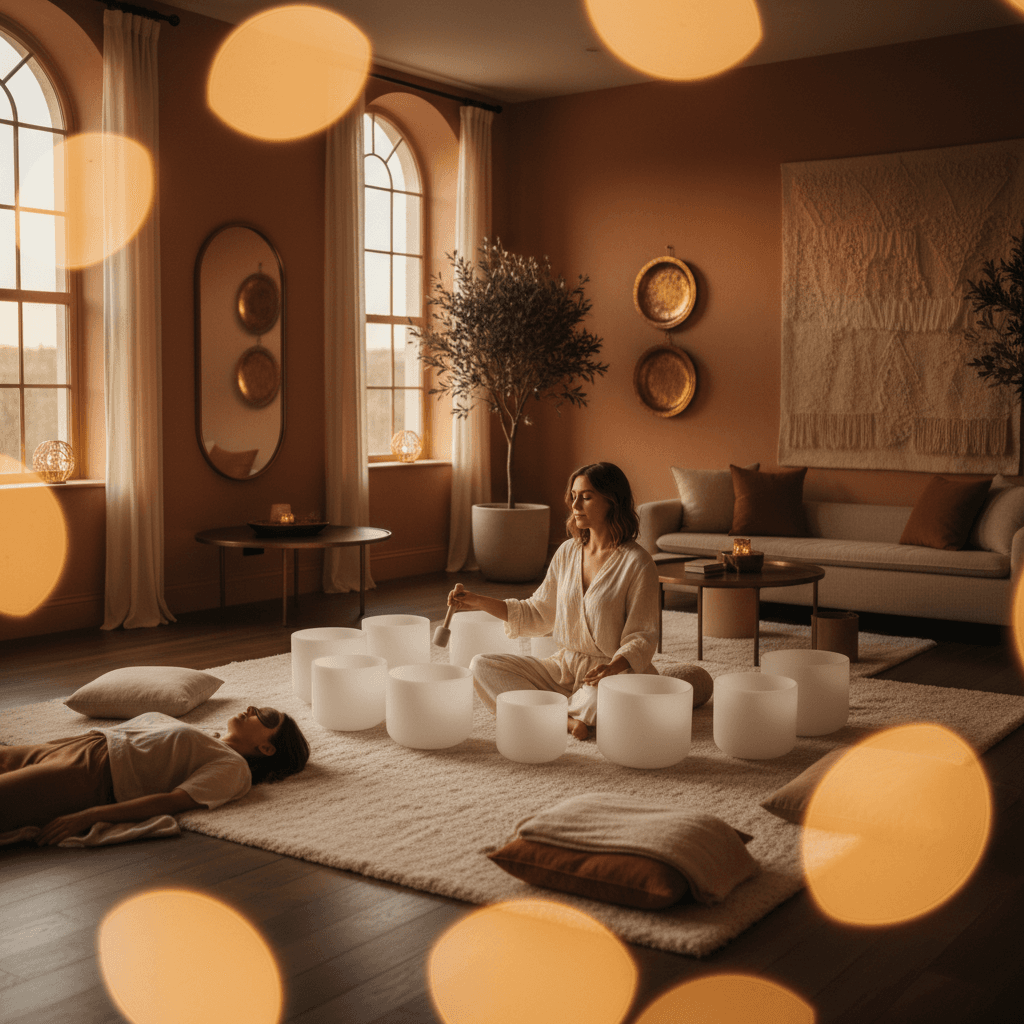
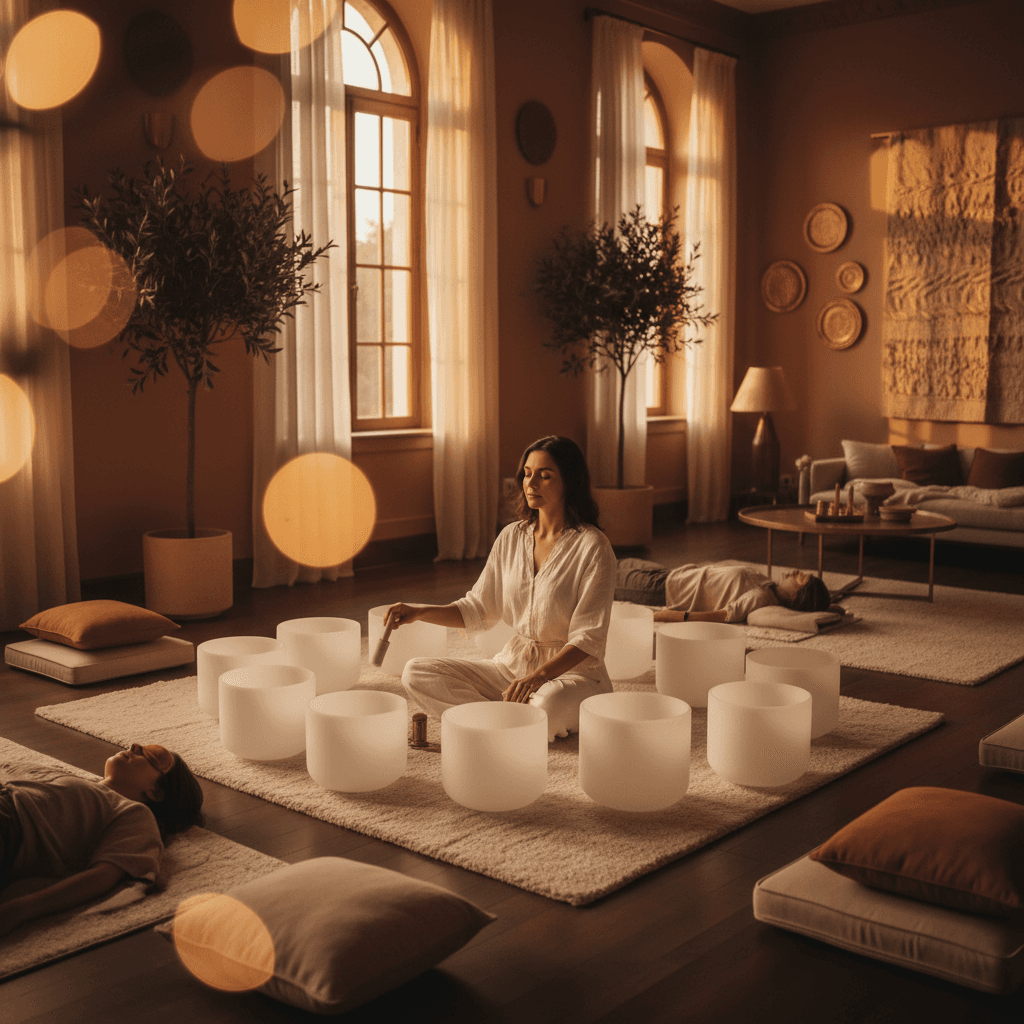
Clients undergoing sound wellness sessions often describe a profound sense of calm washing over them. As the resonant frequencies of instruments such as crystal singing bowls, gongs, and tuning forks permeate the space, they may feel a gentle vibration throughout their body. This sensory experience is designed to invite the mind to settle, moving away from the chatter of daily thoughts and into a more receptive state. This mindful presence can be a powerful catalyst for the brain's adaptive processes, strengthening neural pathways associated with peace and cognitive flexibility.
Beyond the immediate relaxation, ongoing engagement with sound wellness practices may support sustained improvements in various aspects of daily life. Many people report enhanced focus and concentration, making it easier to engage with tasks and learning opportunities. Others describe a heightened sense of emotional balance, finding themselves better equipped to navigate challenges with greater resilience. Anecdotal evidence suggests that regular sound exposure, particularly when approached with intention, can contribute to a feeling of being more "connected" and present. These subjective experiences align with the broader understanding that challenging yet supportive experiences – like attentive listening in a resonant sound environment – can foster the kind of brain adaptability that underpins neuroplasticity. The goal is to cultivate a brain that is not only calmer but also more agile and capable of forming new, positive associations and responses.
The Soul Art Difference: Larissa Steinbach's Bespoke Method
At Soul Art, we synthesize the scientific insights into neuroplasticity through sound with a deeply holistic and intuitive approach. Founded by Larissa Steinbach, our studio offers more than just sound baths; we curate immersive sonic journeys designed to support optimal brain function and overall wellbeing. Larissa's expertise lies in her ability to craft personalized soundscapes that resonate with the individual needs of her clients, creating an environment ripe for neural growth and profound relaxation.
Larissa Steinbach applies the principles of intentional sound exposure to guide clients toward states that promote neuroplasticity. Drawing on her deep understanding of vibrational acoustics and human physiology, she carefully selects and plays a diverse array of instruments, including Himalayan singing bowls, precision-tuned crystal bowls, symphonic gongs, and therapeutic tuning forks. Each session is meticulously crafted, not as a performance, but as a facilitative experience aimed at creating an optimal internal environment.
What makes the Soul Art method truly unique is its emphasis on the individual’s journey and the specific frequencies and rhythms chosen to induce particular brainwave states. For instance, creating longer, sustained tones may encourage a shift into deeply meditative theta states, while more intricate, rhythmic patterns might gently stimulate focus and alertness. Larissa's unique talent lies in her intuitive ability to layer these sounds, creating a harmonious and deeply engaging auditory experience. This bespoke approach allows for a gentle yet powerful form of "brain training," where the brain is invited to respond and adapt to nuanced sonic stimuli.
Soul Art's philosophy integrates the scientific understanding of sound’s impact on the brain with practices that honor the mind-body connection. The intention behind each frequency, the resonance within the body, and the overall immersive environment work in concert to create an experience that may support the brain’s natural capacity for self-regulation and positive change. It is a space where the subtle yet profound influence of sound can nurture a more resilient, adaptable, and vibrant mind.
Cultivating Your Brain's Potential: Practical Steps
Embarking on a journey to enhance your brain’s plasticity through sound doesn't have to be complex. While the intricate science might seem daunting, there are practical, actionable steps you can integrate into your daily life to start nurturing your neural pathways. These practices can complement professional sound wellness sessions and empower you to take an active role in your cognitive and emotional wellbeing.
Here are a few actionable steps you can consider:
- Mindful Listening Practices: Dedicate time each day to truly listen. This could be to nature sounds, calming music, or even guided meditations that incorporate sound. Pay attention to the textures, rhythms, and subtle shifts in the auditory landscape without judgment. This engaged listening can be a gentle form of "brain training," akin to the attentive listening referenced in neuroplasticity research.
- Incorporate Quiet Reflection: Just as stimulation is important, so is rest. Allow your brain periods of silence or very low sensory input. This can help consolidate new neural connections and reduce mental fatigue, giving your brain the space it needs to process and adapt. Consider a few minutes of quiet contemplation daily.
- Explore Structured Audio Programs: Look for reputable audio programs designed for focus, relaxation, or sleep. Many of these incorporate specific frequencies or binaural beats intended to guide brainwave states. Remember to use these as a complementary approach to your overall wellness strategy.
- Journal Your Experiences: After listening to sound or engaging in a sound wellness session, take a moment to journal about how you feel. Noticing changes in your mood, clarity, or energy can help you become more attuned to your brain’s responses and reinforce positive shifts.
- Prioritize Holistic Wellness: Remember that sound is one piece of a larger wellness puzzle. Support your brain health with adequate sleep, balanced nutrition, regular movement, and stress management techniques. A healthy lifestyle provides the optimal foundation for neuroplasticity.
These steps are designed to be accessible and supportive, encouraging a proactive approach to your brain health. Exploring the profound potential of sound for neuroplasticity can be a rewarding journey, fostering greater clarity, calm, and connection in your life.
In Summary: Rewiring for a Brighter Future
The journey into "Brain Training: Neuroplasticity Through Sound" reveals a captivating truth: our brains are incredibly adaptable, and sound is a powerful, yet often overlooked, tool for shaping their capacity. From the cutting-edge science of ultrasound modulation to the well-documented benefits of musical engagement and attentive listening, research consistently points to sound's ability to foster new neural connections, enhance cognitive functions, and support emotional balance. This dynamic relationship offers a compelling pathway for cultivating a more resilient and vibrant mind.
At Soul Art, Larissa Steinbach and her team harness these profound insights to offer unique sound wellness experiences. Our bespoke sessions are meticulously designed to create an immersive auditory environment that encourages the brain’s natural adaptive processes, leading to deeper relaxation, enhanced clarity, and a renewed sense of wellbeing. By embracing the power of sound, you are invited to actively participate in your brain’s evolution, nurturing its potential for growth and transformation. We encourage you to explore this fascinating intersection of science and serenity.
Bookings Coming Soon
Soul Art is still in preparation. Session details and booking will be published here after launch.
Coming Soon
Wellness Disclaimer: This article is for educational and informational purposes only. It does not constitute medical advice, diagnosis, or treatment. Soul Art Dubai provides non-medical wellness experiences focused on relaxation, stress management, and general wellbeing. Sound wellness is a complementary practice and should not replace professional medical care.
Related Articles
Advanced Biohacker: Optimizing Wellness with Complex Sound Protocols

Ozone Therapy & Sound: Mastering Oxidative Stress for Vitality
Hyperbaric Oxygen & Sound: Synergizing Wellness & Brain Vitality