Harmonizing Your Mind: Exploring EEG and Sound Feedback for Wellness
Key Insights
Unlock your brain's potential with EEG insights and sound feedback. Discover how Soul Art in Dubai leverages these principles for deep relaxation and focus.
Have you ever wondered about the unseen symphony playing within your own skull? What if you could not only listen to your brain's unique rhythm but also gently guide it towards states of profound calm, laser-sharp focus, or creative flow? The emerging field of brain sensing, particularly through Electroencephalography (EEG) and sound feedback, offers a captivating glimpse into this very possibility.
At Soul Art, Dubai’s premier sound wellness studio, we are deeply inspired by the scientific understanding of how sound interacts with our neural landscape. This article delves into the fascinating world where brain waves meet auditory feedback, exploring how these insights may support enhanced well-being, cognitive performance, and deep relaxation. Join us on a journey to understand the intricate dance between your brain and the therapeutic power of sound.
The Science Behind Brain Sensing: Unlocking Your Neural Symphony
Our brains are astonishingly complex electrical organs, constantly generating a tapestry of activity that dictates every thought, emotion, and action. This electrical chatter, though imperceptible to our conscious minds, can be measured and understood, opening new avenues for self-awareness and regulation. The core technology that allows us to "listen in" on this internal world is Electroencephalography (EEG).
Electroencephalography (EEG): Listening to Your Brain's Language
EEG is a non-invasive method that detects and records the electrical activity of the brain through electrodes placed on the scalp. Imagine it as a sophisticated microphone picking up the collective hum of billions of neurons communicating. This technique, celebrated for its high temporal resolution, allows researchers and wellness practitioners to observe brain activity in real-time, providing immediate insights into our mental states. Compared to other neuroimaging techniques like fMRI or MEG, EEG is particularly valued for its ease of use, non-invasiveness, and cost-effectiveness, making it an accessible tool for various applications.
The output of an EEG is a series of wavy lines, representing brain waves. These waves are primarily characterized by two crucial parameters: their frequency, measured in Hertz (Hz) or cycles per second, and their amplitude (or power), measured in microvolts, which indicates the intensity or level of mental arousal. Different frequencies are associated with distinct states of consciousness and cognitive function.
The Brain's Frequencies: A Guide to Your Inner States
Understanding the different types of brain waves is fundamental to comprehending brain sensing and its potential benefits. Each frequency band represents a different mental state:
- Delta Waves (less than 4 Hz): These are the slowest brain waves, predominantly associated with deep, restorative sleep. When present in a waking state, they can indicate deep meditative states or even certain neurological conditions.
- Theta Waves (4-8 Hz): Often observed during sleep, deep relaxation, meditation, or light hypnosis, theta waves are linked to creativity, intuition, memory, and emotional processing. Increasing theta activity, especially over alpha, through audio feedback can induce a deeply relaxed state.
- Alpha Waves (8-13 Hz): Alpha waves emerge when a person is awake but relaxed, often with eyes closed. They are associated with alertness, readiness, recall, and optimal cognitive performance. A healthy balance of alpha waves is indicative of a calm yet aware mind.
- Beta Waves (13-30 Hz): Dominant when we are awake, alert, focused, and engaged in active thinking. Beta waves are linked to concentration, problem-solving, and excitement. While essential for daily tasks, an overabundance of high beta waves can contribute to anxiety and stress.
- Gamma Waves (above 30 Hz): These are the fastest brain waves, associated with higher-level cognitive functions, intense focus, problem-solving, and states of peak performance or heightened awareness, such as profound meditation.
By measuring these specific brain wave patterns, we gain a direct window into the dynamic nature of our internal experiences, paving the way for targeted interventions like neurofeedback.
The Pioneering Work of Sterman and Wyrwicka: Discovering SMR
The concept that individuals could consciously alter their brain waves gained significant traction in the 1960s. Pioneering research by American neuroscientist M. Barry Sterman and biologist Wanda Wyrwicka laid crucial groundwork. In their groundbreaking experiments, Sterman and Wyrwicka monitored the EEGs of cats that had learned to press a lever for food. A key observation emerged when cats were conditioned to wait for a specific sound cue to end before pressing the lever. Sterman noticed that during this waiting period, successful cats entered a state of intense concentration, displaying a distinct brain-wave rhythm that became known as the Sensorimotor Rhythm (SMR).
This SMR pattern, associated with calm focus and a still body, represented an early indication of the brain's capacity for self-regulation. Subsequent work by Joe Kamiya in 1962 further demonstrated that humans could learn to distinguish and even voluntarily control their alpha brain waves through auditory feedback, correctly identifying their alpha state significantly more often than by chance. These early findings underscored the remarkable potential for brainwave training.
Neurofeedback: A Gentle Dance with Brain Activity
Neurofeedback, at its core, is a wellness practice where the brain's electrical activity is assessed and measured, with the aim of helping individuals learn to regulate their own brainwave patterns. It functions as a closed-loop system: real-time EEG data is gathered, processed, and then "fed back" to the individual in an understandable format, often through visual or auditory cues. This feedback allows the brain to perceive its own activity and learn to adjust it.
"The brain possesses an incredible capacity for neuroplasticity, the ability to reorganize itself by forming new neural connections throughout life. Neurofeedback gently taps into this inherent adaptability, guiding the brain towards more balanced and beneficial patterns."
The most common neurofeedback procedures focus on enhancing or reducing specific brainwave frequencies, such as increasing alpha waves for relaxation, or optimizing beta waves for concentration. For instance, techniques might aim to increase theta amplitude over alpha activity through audio feedback, which can lead to a deeply relaxed and meditative state. While the clinical benefits for specific conditions remain an evolving area of research, preliminary studies indicate that neurofeedback, as a wellness practice, may support improvements in creative performance, concentration, and stress management. It can be seen as a form of "brain exercise," helping to cultivate more desirable mental states through conscious awareness and gentle guidance.
Translating Brainwaves into Transformative Sound: The Feedback Loop
The true magic of "Brain Sensing: EEG and Sound Feedback" lies in its ability to transform abstract electrical signals into a tangible, sensory experience. This process creates a powerful feedback loop, allowing individuals to perceive and ultimately influence their own brain activity. Imagine your brain composing its own music, and then learning to conduct that orchestra for optimal harmony.
The Auditory Feedback Mechanism
In a neurofeedback context, as brain waves are detected by EEG electrodes, software processes this data in real-time. If the brain activity aligns with a desired target state—for example, an increase in alpha waves associated with relaxation—a specific sound or musical tone is triggered or modulated. If the brain activity moves away from the target, the sound might change or diminish. This immediate, non-invasive auditory feedback provides the brain with a continuous "mirror" of its own performance.
Neal E. Miller's pioneering work in the 1950s, where he trained humans to regulate their heartbeat frequency through auditory feedback, highlighted the power of sound in biofeedback. Later research further explored the use of sound, alongside visual cues, to provide feedback on brain activity. While some studies suggest visual feedback might be more effective for certain specific tasks, auditory feedback offers unique advantages, particularly for relaxation and states where visual distractions are minimized. The brain receives consistent, gentle prompts, encouraging it to stay within the optimal "zone" for the desired state.
Crafting Your Sonic Landscape
The sounds used for feedback are not arbitrary; they are carefully designed to be both informative and pleasant. This can range from simple beeps or tones that signal a successful brainwave state, to more complex, evolving soundscapes. For instance, if you are aiming to increase alpha waves for relaxation, as your brain produces more alpha activity, you might hear a harmonious, flowing melody. If your mind becomes too active and beta waves increase, the melody might subtly shift or become less harmonious, providing a gentle cue to return to a more relaxed state.
This creates a dynamic, personalized sonic environment. The sounds become a direct reflection of your internal neurological state. The brain, being a remarkable learning machine, quickly begins to associate specific brainwave patterns with the positive reinforcement of harmonious sounds, and naturally begins to gravitate towards those patterns. This process, often referred to as operant conditioning, allows the brain to learn self-regulation in a subtle, intuitive way.
Beyond Simple Tones: The Art of Sound Design
The application of brain sensing to sound is not limited to simple feedback loops. Researchers have also explored transforming EEG activity into complex musical expressions, creating novel musical biofeedback devices. This opens possibilities for therapeutic biofeedback and even artistic expression. Furthermore, the understanding of how sound influences brain waves has led to the development of other sound-based wellness approaches.
For example, binaural beats, where two slightly different frequencies are presented to each ear, create an "auditory illusion" of a third frequency within the brain. This "beat" frequency can entrain brain waves, encouraging them to synchronize with the desired frequency (e.g., theta for meditation or delta for sleep). While not direct EEG feedback, binaural beats leverage the principles of brainwave entrainment, demonstrating how precisely crafted sound can guide the brain towards specific states. The ability of EEG to capture these subtle responses has spurred renewed scientific interest in the neuro-physiological correlates of such auditory stimuli.
The Soul Art Difference: Larissa Steinbach's Vision for Sonic Wellness
At Soul Art, Dubai, we believe that true well-being stems from a profound connection with oneself, fostered through practices that harmonize mind, body, and spirit. Inspired by the profound insights gleaned from brain sensing and the power of sound feedback, Larissa Steinbach has meticulously crafted a unique approach to sound wellness. Our methodology doesn't directly involve real-time EEG feedback for every client session, but it is deeply informed by the scientific principles that underscore how sound can influence and guide our brainwave states towards greater balance and harmony.
Larissa Steinbach's Philosophy: Harmonizing Mind and Body
Larissa Steinbach, the visionary founder of Soul Art, is dedicated to creating transformative experiences that resonate on a deep cellular level. Her philosophy is rooted in the understanding that sound is not merely something we hear; it is a powerful vibrational force that can directly impact our physiological and psychological states. By applying the principles illuminated by EEG research – understanding which brainwave frequencies correspond to states of relaxation, focus, or deep rest – Larissa designs soundscapes intended to gently encourage these beneficial neural patterns.
The intent is to provide an environment where the brain can naturally gravitate towards states that are conducive to healing, stress reduction, and cognitive enhancement, mimicking the outcomes sought in EEG-guided sound feedback. It's about creating an external auditory experience that fosters a desired internal neurological response, promoting the brain's innate capacity for self-regulation and balance.
Unique Modalities at Soul Art
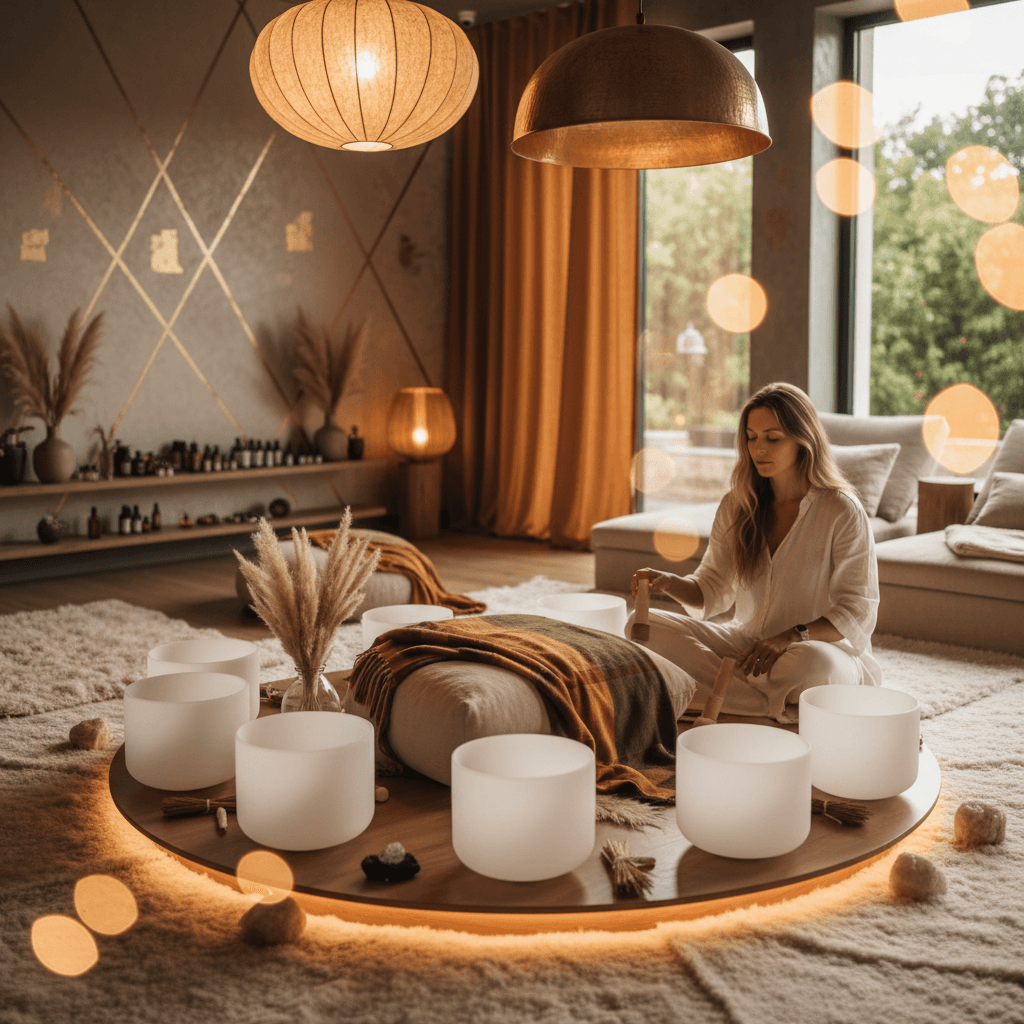
Soul Art stands apart through its intentional application of sound as a medium for transformation. While we may not use real-time EEG in every session, our practices are designed with an acute awareness of brainwave science. We employ a curated collection of resonant instruments, each chosen for its unique vibrational qualities and capacity to influence brain states:
- Himalayan Singing Bowls: The rich, sustained tones and overtones of these ancient instruments are renowned for inducing deep alpha and theta states, facilitating profound relaxation and meditative experiences.
- Gongs: The complex, encompassing vibrations of gongs create an immersive sound bath that can promote delta and theta wave activity, guiding the brain into states of deep rest and altered consciousness.
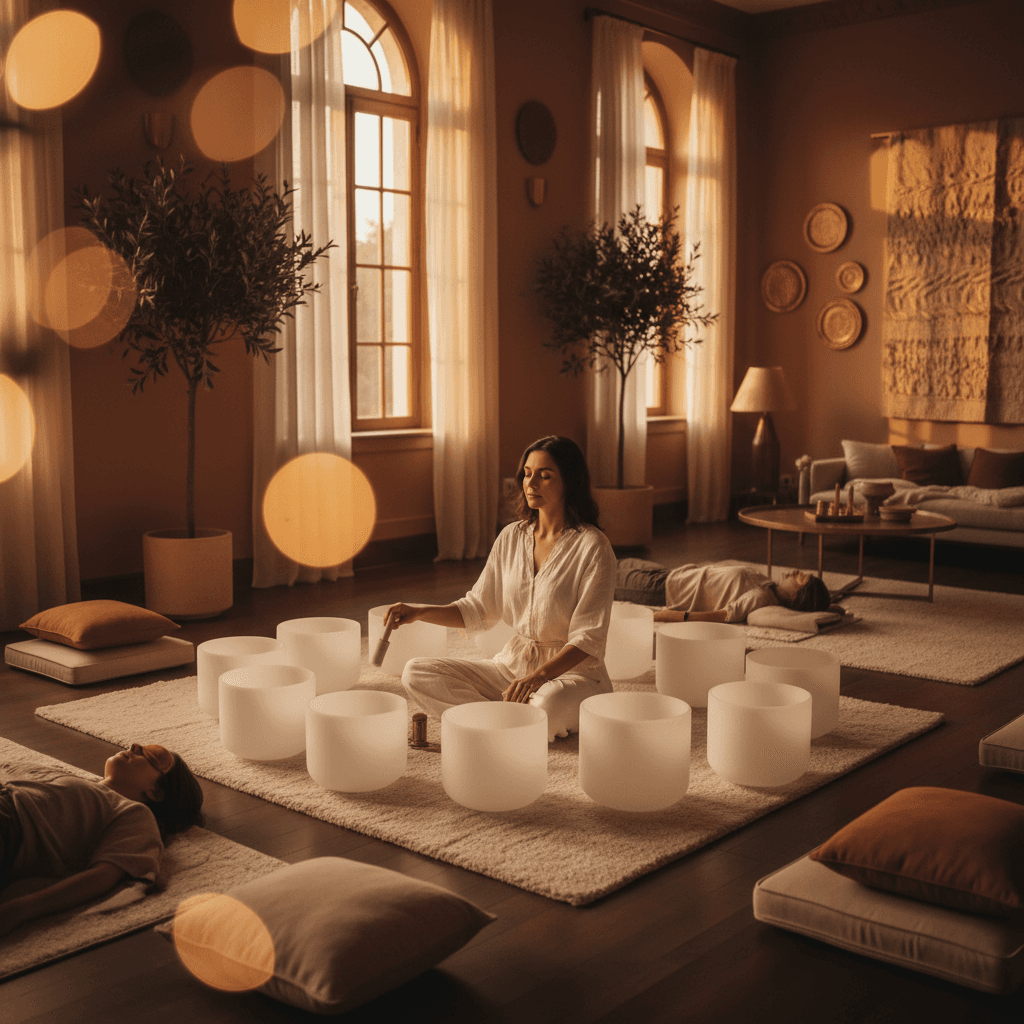
- Crystal Singing Bowls: The pure, resonant frequencies of crystal bowls are believed to align with various energy centers, fostering clarity, emotional release, and a sense of peaceful awareness.
- Voice and Chanting: Larissa Steinbach often incorporates vocal toning and sacred chants, using the human voice as a primal instrument to create specific frequencies that may encourage brainwave entrainment and nervous system regulation.
Beyond specific instruments, the structure and flow of each Soul Art session are consciously composed to guide participants through a progression of brainwave states. This journey might start with sounds designed to ease the busy beta mind, transition into relaxing alpha, and then delve into restorative theta and delta, ultimately aiming for a holistic nervous system reset.
A Bespoke Journey to Inner Resonance
At Soul Art, we understand that each individual's journey towards well-being is unique. While the underlying scientific principles of EEG and sound feedback provide a universal framework, the application is always personalized. Larissa Steinbach and her team focus on creating bespoke experiences, intuitively adjusting soundscapes and session dynamics to meet the specific needs and intentions of each participant.
Whether the goal is to alleviate stress, enhance focus, improve sleep quality, or simply reconnect with an inner sense of peace, the Soul Art method offers a powerful, complementary approach. It's a journey not of external manipulation, but of internal discovery, where the carefully curated sound environments act as a gentle guide, inviting your brain to find its optimal rhythm and resonance. This sophisticated yet warm approach embodies the quiet luxury synonymous with the Soul Art experience in Dubai.
Cultivating Inner Harmony: Practical Steps for Enhanced Well-being
The insights from brain sensing and sound feedback offer us a powerful perspective on how we can actively engage with our own well-being. While engaging in advanced neurofeedback protocols requires specialized equipment, the fundamental principles of intentional sound exposure and brainwave awareness can be integrated into your daily life to support greater calm, focus, and overall vitality. Here are some actionable steps you can take today:
- Mindful Listening: Pay attention to the sounds around you. Notice how different sounds impact your mood and mental state. Does gentle music calm you? Do harsh noises elevate your stress? Cultivating this awareness is the first step towards choosing sound environments that support your desired brain states.
- Integrate Intentional Soundscapes: Explore high-quality sound recordings designed for specific purposes. This could include binaural beats for focus or sleep, ambient nature sounds for relaxation, or calming classical music for meditation. Use headphones for the best effect with binaural beats to ensure the different frequencies reach each ear effectively.
- Practice Breathwork and Meditation with Sound: Combine sound with established mindfulness practices. Even a simple focus on your breath while listening to a resonant tone or the sound of a singing bowl can help shift your brain into a more relaxed alpha or theta state. Many guided meditations incorporate specific sound elements for this reason.
- Create a "Digital Detox" Environment: Regularly carve out time away from overstimulating digital noises. Excessive exposure to beta-wave inducing stimuli (screens, notifications, fast-paced media) can leave your brain feeling overactive. Introduce periods of silence or gentle, natural sounds to allow your brain to downshift.
- Explore Sound Wellness Sessions: Consider experiencing a professional sound wellness session, such as those offered by Larissa Steinbach at Soul Art. These guided experiences are expertly designed to leverage the power of sound to induce deep relaxation and help restore your nervous system's natural balance.
By consciously engaging with sound, you can begin to cultivate a deeper connection with your brain's rhythms and foster a more harmonious internal environment.
Bookings Coming Soon
Soul Art is still in preparation. Session details and booking will be published here after launch.
Coming Soon
In Summary: Your Brain's Potential, Amplified by Sound
The journey into "Brain Sensing: EEG and Sound Feedback" reveals a profound connection between our brain's electrical activity and the auditory world around us. From the pioneering discoveries of distinct brainwave patterns to the sophisticated feedback loops of neurofeedback, science continues to illuminate how sound can be a powerful tool for self-regulation and enhancement. While research is ongoing and neurofeedback is considered a complementary approach, the potential for using these principles to support focus, relaxation, and learning is immense.
At Soul Art, Larissa Steinbach and her team are dedicated to translating these scientific insights into tangible wellness experiences. By understanding how sound influences our brain's frequencies, we meticulously craft environments designed to guide you towards inner peace and optimal mental states. Discover the transformative power of sound and unlock your brain's natural capacity for harmony. We invite you to experience the unparalleled serenity and revitalizing energy awaiting you at Soul Art in Dubai.
Related Articles
Advanced Biohacker: Optimizing Wellness with Complex Sound Protocols
Ozone Therapy & Sound: Mastering Oxidative Stress for Vitality
Hyperbaric Oxygen & Sound: Synergizing Wellness & Brain Vitality