Biometric Tracking: Unlocking Sound's Impact on Your Health Data

Key Insights
Explore how biometric tracking reveals sound's profound influence on health data. Discover Soul Art's approach to personalized wellness with Larissa Steinbach.
Have you ever wondered if the gentle hum of a singing bowl or the resonant thrum of a gong could subtly shift the very rhythms of your body? What if there was a way to objectively observe these internal transformations? In an era where personal data illuminates every facet of our lives, the intersection of ancient sound wellness practices and cutting-edge biometric tracking offers a compelling new frontier.
This article delves into how biometric data, collected through smart wearables and other devices, can provide fascinating insights into the profound impact of sound on our physiological and mental well-being. We will explore the science behind these measurements, understand how they apply to practical wellness routines, and discover the unique approach offered by Soul Art, founded by Larissa Steinbach, in integrating these concepts for a deeper state of relaxation and harmony. Prepare to understand the hidden language of your body, illuminated by the power of sound.
The Science Behind Biometric Tracking and Sound
Biometric tracking, once confined to science fiction, is now an everyday reality for millions. It offers a window into our internal states, providing objective data that complements our subjective experiences of well-being. When combined with intentional sound practices, this data can reveal subtle yet significant shifts in our body's operating system.
What are Biometrics?
Biometrics refer to measurable physiological and behavioral characteristics that are unique to each individual. Traditionally, these have been used for identification purposes, such as fingerprints or facial recognition. However, in recent years, the application of biometrics has expanded dramatically into healthcare and personal wellness.
Research highlights the growing use of biometric identification in public programs and financial services in over 80 developing countries, demonstrating its utility in improving data quality and adherence to protocols (Zurovac et al., 2011; Otto et al., 2015; Gelb and Clark, 2013). This foundational evidence points to the power of objective measurement. In the context of wellness, biometrics move beyond simple identification, offering deep insights into our daily health patterns.
Wearable devices, now ubiquitous, continuously monitor aspects of our health, gathering longitudinal and fine-grained data that was previously only accessible through expensive medical equipment. This kind of consistent data collection is unprecedented in health tracking, offering a holistic view of our physiological responses to various stimuli, including sound (Mascolo, CORDIS).
The Body's Symphony: Sounds as Biometric Data
Our bodies are constantly producing a symphony of sounds and signals, many of which can be captured and analyzed as biometric data. These internal acoustics offer unique insights into our individual physiology, far beyond what we might consciously perceive.
Heart Sounds and Rhythms
Intriguingly, the sound of your heart can be as unique as your fingerprint. Research suggests that heart sound signals are distinct for everyone, even for individuals sharing the same heart condition. This uniqueness allows for biometric identification without requiring multiple electrodes to obtain the signal (scispace.com/pdf/biometric-systems-utilising-health-data-from-wearable-3zddfj9a4q.pdf).
Studies have developed sophisticated techniques like cepstral analysis and marginal spectrum analysis to extract unique features from heart sounds. These solutions have shown high accuracy in identifying individuals, even when sounds are acquired simply through a stethoscope attached to a computer sound card (scispace.com). This capability underscores the rich, individualized information embedded within our cardiovascular acoustics.
Vocal Acoustics and Cognitive Load
The human voice, another complex sound produced by our bodies, serves as a powerful biometric indicator. Vocal acoustic analysis, examining subtle perturbations in frequency and intensity, as well as pause behavior, has been linked to information processing load in healthy adults. This suggests that the way we speak can reflect our cognitive functioning and internal states (PMC: 4361304).
When under pronounced cognitive load, individuals may produce less speech, characterized by increased silence, longer pauses, and less variability in pitch and intensity. These findings provide compelling evidence that vocal aspects of natural speech are related to information processing resources. Computerized vocal assessment holds promise as an automated, inexpensive, and non-invasive biometric measure, potentially translatable to clinical settings for understanding neurological and psychiatric disorders (PMC: 4361304).
Respiratory and Movement Patterns
Beyond the heart and voice, other bodily sounds and movements provide critical biometric data. "Hearables"—advanced wearable devices worn in or around the ear—are increasingly capable of tracking respiratory health by analyzing bodily sounds (CORDIS). This continuous, non-invasive monitoring provides unprecedented insights into our breathing patterns and lung function.
Movement and exercise tracking represent another crucial piece of biometric data. Regular physical activity has well-documented positive effects on brain health and mental well-being (moderntinnitus.co). Tracking exercise patterns can encourage an active lifestyle, which may support overall quality of life and potentially impact symptoms like tinnitus (Boere et al., as cited by moderntinnitus.co). The environment where physical activity occurs may also play a role in its benefits, highlighting the nuanced interplay between external factors and internal responses.
The Vagus Nerve and Sonic Resonance
The vagus nerve is a superhighway of the nervous system, playing a critical role in regulating numerous bodily functions, including heart rate, digestion, and mood. It is a key component of the parasympathetic nervous system, responsible for the body's "rest and digest" response. When the vagus nerve is effectively stimulated, it can help shift the body from a state of stress to one of calm.
Sound frequencies have a remarkable ability to interact with the vagus nerve, potentially leading to a process known as vagal toning. Different frequencies and vibrations may resonate with specific neural pathways, encouraging the nervous system to enter a more relaxed and balanced state. This physiological shift is not merely subjective; it can be observed through biometric markers.
Through the targeted application of sound, as practiced by Larissa Steinbach and her team at Soul Art, we aim to gently encourage this vagal toning. The resonance experienced during a sound session may support a reduction in sympathetic nervous system activity, thereby fostering a deeper sense of peace. This process offers a complementary approach to managing daily stressors and enhancing overall well-being.
Measuring the Invisible: Biomarkers and Sound Impact
Biomarker tracking relies on the principle that physiological changes in the body can reflect or influence our overall health and perception of well-being. By monitoring various biomarkers, we can gain insights into the complex interplay between internal states and external stimuli, such as sound. These objective measures offer a comprehensive picture that complements subjective reports.
Heart Rate Variability (HRV)
Heart Rate Variability (HRV) is perhaps one of the most significant biomarkers in wellness tracking. It measures the variation in time between each heartbeat. A higher HRV generally indicates a more adaptable and resilient nervous system, better able to respond to stress and promote recovery. Conversely, low HRV is often associated with chronic stress and reduced nervous system adaptability.
Preliminary studies and anecdotal evidence suggest that consistent engagement with sound wellness practices may support an improvement in HRV. The calming frequencies and deep vibrations experienced during a sound session are thought to help balance the autonomic nervous system, shifting it towards a more parasympathetic dominant state. Over time, this could lead to a higher baseline HRV, indicating enhanced stress resilience and overall well-being.
Sleep Patterns
Restorative sleep is fundamental to physical and mental health. Biometric tracking through wearables can monitor various aspects of sleep, including duration, sleep stages (light, deep, REM), and disturbances. Many people report that sound wellness practices, particularly those focused on relaxation and calming frequencies, may support improved sleep quality.
The gentle entrainment offered by specific sounds can help quiet a racing mind and prepare the body for rest. By reducing mental chatter and promoting a state of deep relaxation, sound wellness may contribute to falling asleep more easily and experiencing more profound, uninterrupted sleep cycles. Observing these changes in sleep data before and after incorporating sound into a routine can offer valuable insights.
Stress Markers
While direct measurement of stress hormones often requires clinical tests, biometric wearables can track physiological indicators that are highly correlated with stress. These include sustained elevated heart rate, increased skin conductance, and restless sleep. The holistic approach of sound wellness aims to modulate the body's stress response.
By fostering a state of deep relaxation, sound practices may support a reduction in these physiological stress markers. Clients often report a profound sense of calm and mental clarity after sound sessions, which may be reflected in their biometric data as lower resting heart rates and more stable physiological responses. This serves as a powerful feedback loop, reinforcing the benefits of consistent practice.
Movement and Exercise Patterns
While less direct than HRV or sleep, consistent sound wellness practices can indirectly influence movement and exercise patterns. By improving sleep, reducing stress, and enhancing overall energy levels, sound may empower individuals to maintain a more active lifestyle. Better sleep and reduced anxiety can lead to increased motivation and improved physical recovery, allowing for more consistent engagement in exercise.
Tracking movement and exercise patterns alongside sound wellness engagement can reveal how a more balanced internal state may contribute to greater vitality and the ability to maintain an active routine. This comprehensive approach allows individuals to leverage their body's data to gain deeper insights into their well-being, as highlighted by approaches that combine biomarker tracking with sound therapy for conditions like tinnitus (moderntinnitus.co).
From Data to Deep Well-being: Biometric Insights in Sound Wellness
The theoretical understanding of biometrics and sound's impact truly comes alive when applied in a practical wellness setting. At Soul Art, we believe in empowering our clients with knowledge and tools to understand their unique wellness journey. While we don't directly integrate biometric devices into our sessions, we encourage our clients to observe their personal data as part of their holistic self-discovery.
Personalized Journeys: Understanding Your Unique Biome
Every individual possesses a unique physiological "biome" – a distinct set of internal rhythms and responses. This means that a soundscape that profoundly relaxes one person might have a different effect on another. Biometric insights offer a fascinating lens through which to understand these individual differences, allowing for a more personalized approach to wellness.
Before embarking on their sound wellness journey, clients may choose to track their personal biometric data, such as HRV or sleep patterns, using their own wearable devices. This initial snapshot provides a baseline, a starting point from which to observe potential shifts. It's about empowering individuals to gather their own information and become active participants in their well-being.
As clients engage with sound sessions, they are encouraged to continue tracking their data. While the effects are not always immediate or dramatic, consistent observation over time may reveal subtle, yet significant, trends. These could include improved HRV scores, more consistent deep sleep cycles, or a general reduction in perceived stress as reflected in their biometric profiles. This data serves as a complementary objective measure to their subjective feelings of peace and relaxation.
The Experience: Sounds, Sensors, and Self-Awareness
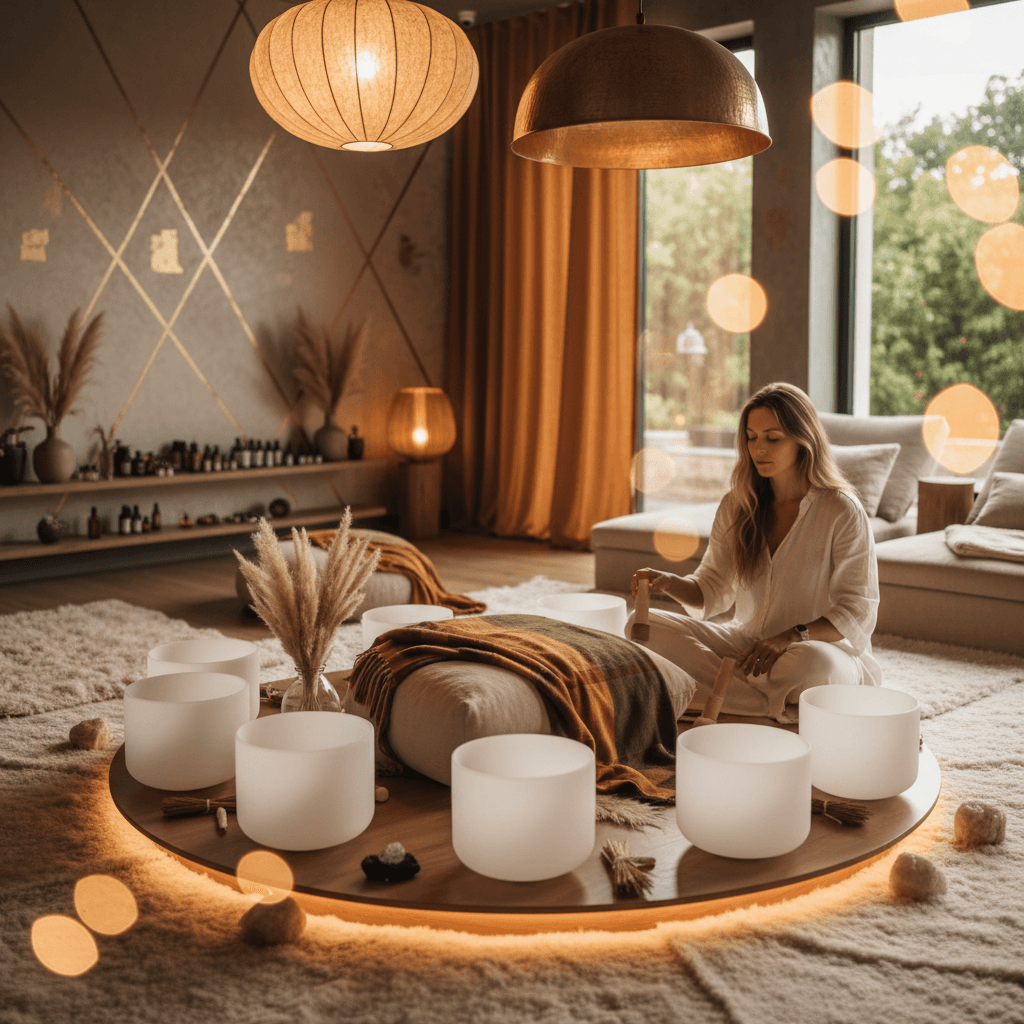
A session at Soul Art is an immersive sensory experience designed to guide you into profound relaxation. Imagine sinking into a comfortable position as the studio fills with the rich, resonant vibrations of Himalayan singing bowls, crystal bowls, and gongs. These carefully selected instruments are played with intention, creating a sound bath that washes over you, inviting every cell to release tension.
During this experience, while no sensors are attached by Soul Art, clients may notice a palpable shift in their internal state. The deep vibrations can create a sensation of internal massage, while the harmonious frequencies help to quiet the mind. Many people report a profound sense of stillness and calm, a feeling of being deeply supported and nurtured. It’s an opportunity for deep introspection and surrender.
For those who track their biometrics, the post-session data can offer intriguing insights. Some may observe an immediate rise in their HRV, indicating a shift towards parasympathetic dominance. Others might notice improved sleep quality that night or a sustained reduction in baseline stress indicators over several weeks of consistent practice. These objective observations can deepen the understanding of how intentional sound may positively impact one's physiological well-being, enhancing self-awareness and reinforcing the value of self-care.
Beyond the Session: Long-term Trends
The true power of integrating biometric tracking with sound wellness emerges when observing long-term trends. A single sound session offers immediate benefits, but consistent engagement with these practices, coupled with self-monitoring, can paint a clearer picture of sustained improvements in well-being. This allows individuals to see the cumulative impact of their self-care choices.
Over weeks and months, clients who regularly participate in sound wellness sessions and track their biometrics may begin to notice consistent patterns. These could include a more stable and higher baseline HRV, indicating increased resilience to daily stressors. They might observe more restorative sleep cycles, contributing to improved energy levels and mental clarity throughout the day.
This long-term perspective is profoundly empowering. It shifts the focus from momentary relief to sustainable health enhancement. Biometric data becomes a personal wellness journal, objectively chronicling the body’s adaptive responses to intentional sound. Many people report enhanced emotional balance, improved focus, and a greater sense of overall vitality, backed by the subtle yet measurable shifts in their physiological data. This symbiotic relationship between subjective experience and objective data provides a comprehensive understanding of one's journey toward deep well-being.
The Soul Art Difference: Larissa Steinbach's Vision for Data-Informed Wellness
At Soul Art, Larissa Steinbach brings a unique blend of ancient wisdom and contemporary understanding to the practice of sound wellness. Her vision is to create a space where clients can experience profound relaxation and self-discovery, supported by an appreciation for the body's intelligent systems and the potential insights offered by modern biometric tracking.
A Holistic Integration
Larissa Steinbach's philosophy is rooted in a holistic approach, recognizing that true well-being encompasses physical, mental, emotional, and spiritual harmony. She understands that while biometric data offers valuable objective markers, it is only one piece of the wellness puzzle. The true journey involves integrating these insights with intuitive self-awareness and a compassionate understanding of one's own body.
At Soul Art, the focus is on creating a nurturing environment where clients can safely explore their inner landscapes. We encourage clients to observe their own biometric data as part of their broader holistic journey, understanding that these numbers can complement their lived experience. It's about making informed choices that resonate with both objective evidence and subjective feeling, empowering individuals to become their own wellness advocates.
Precision in Frequency
The intentional selection and application of sound frequencies are central to the Soul Art method. Larissa Steinbach and her team utilize a curated collection of instruments, including authentic Himalayan singing bowls, resonant crystal bowls, and powerful gongs, each chosen for its unique vibrational qualities. Tuning forks, with their precise frequencies, are also incorporated to target specific areas or energy centers.
The aim is not to "treat" any specific medical condition but rather to harmonize the body's natural energetic systems and restore a sense of balance. The deep, pervasive vibrations of these instruments are designed to encourage cellular relaxation and nervous system regulation. This complementary approach to modern well-being may support the body's innate capacity for self-regulation and stress reduction, which in turn may be reflected in improved biometric data.
"True wellness emerges when we listen to our body's subtle cues, amplified by objective data, and respond with intentional practices that nourish our entire being." – Larissa Steinbach
Empowering Self-Discovery
Beyond the scientific insights and precise application of sound, Soul Art's ultimate goal is to empower self-discovery. The sound wellness experience provides a unique opportunity for clients to disconnect from external distractions and reconnect with their inner state. It's a journey inward, fostering a deeper understanding of personal needs and energetic flows.
The encouragement to observe one's own biometric data serves as a powerful feedback loop. It offers objective markers that can complement the subjective feelings of relaxation, peace, and clarity experienced during and after a session. This combination allows clients to develop a more nuanced understanding of how their bodies respond to various stimuli, including the profound effects of intentional sound. Larissa Steinbach emphasizes mindful observation over rigid measurement, promoting a gentle yet informed approach to personal wellness.
Integrating Biometric Insights into Your Wellness Journey
Understanding the potential of biometric tracking and its interplay with sound wellness is just the first step. The true benefit comes from integrating these insights into your daily life. Here are some actionable steps you can take to harness your body's data and enhance your well-being.
- Start Tracking with Awareness: If you don't already, begin tracking a few key biometrics like Heart Rate Variability (HRV) and sleep patterns using a reliable wearable device. Focus on consistent data collection rather than just single readings. This creates your personal baseline.
- Observe Trends, Not Just Moments: Look for patterns and trends in your data over days, weeks, and months. A single data point might not be significant, but consistent shifts in your HRV or sleep quality after engaging in wellness practices can be highly informative.
- Mindfully Connect Data to Experience: After a sound wellness session or any relaxation practice, take a moment to reflect on how you feel. Then, later, check your biometric data. Do you notice a correlation between your subjective sense of calm and objective markers like improved HRV or sleep? This mindful connection deepens your understanding.
- Prioritize Conscious Breathing and Mindfulness: Simple daily practices, such as diaphragmatic breathing or short mindfulness meditations, can significantly influence your nervous system. Many people report that consistent breathwork can positively impact HRV and reduce stress, offering a powerful complement to sound wellness.
- Explore Complementary Wellness Practices: Consider incorporating sound wellness sessions into your regular self-care routine. Experiences like those offered at Soul Art are designed to support your nervous system and promote deep relaxation, providing a profound anchor for your overall wellness journey.
By embracing these steps, you can begin to leverage your body's innate wisdom, illuminated by biometric data, to cultivate a life of greater balance, resilience, and serene well-being. Ready to deepen your connection?
Bookings Coming Soon
Soul Art is still in preparation. Session details and booking will be published here after launch.
Coming Soon
In Summary: The Future of Personalized Sound Wellness
Biometric tracking offers a compelling, objective lens through which to observe the intricate dance of our internal physiology. From the unique acoustics of our heartbeats and voices to the subtle shifts in our nervous system, our bodies are constantly communicating vital information. Sound wellness practices, rooted in ancient wisdom and amplified by modern understanding, provide a powerful means to gently influence these internal rhythms.
Many people report that intentional sound experiences, such as those masterfully curated by Larissa Steinbach at Soul Art, may support profound relaxation and contribute to a more balanced nervous system. When complemented by personal biometric tracking, these practices offer a unique path to personalized well-being, allowing individuals to objectively observe their journey toward greater harmony. Soul Art invites you to explore this fascinating intersection of sound, science, and self-discovery, fostering a deeper connection to your innate capacity for calm and resilience.
Related Articles
Advanced Biohacker: Optimizing Wellness with Complex Sound Protocols

Ozone Therapy & Sound: Mastering Oxidative Stress for Vitality
Hyperbaric Oxygen & Sound: Synergizing Wellness & Brain Vitality