Nourish Your Well-being: Preventing Practitioner Burnout with Self-Care
Key Insights
Discover science-backed self-care strategies to prevent practitioner burnout. Soul Art Dubai, founded by Larissa Steinbach, guides professionals to holistic wellness.
Have you ever considered that the very professionals dedicated to healing others might be the most vulnerable to their own well-being challenges? The demanding nature of caregiving professions, from mental health practitioners to educators and medical staff, often places immense emotional and psychological burdens on individuals. This constant giving can lead to a pervasive state of exhaustion that impacts both personal health and professional efficacy.
At Soul Art, Dubai's premier sound wellness studio, we understand the critical importance of self-care, particularly for those in high-stress roles. This article delves into the scientific basis of practitioner burnout and offers actionable strategies for prevention, emphasizing self-care as a vital component of sustained well-being. We will explore how dedicated self-care practices can serve as a protective shield, enhancing resilience and fostering a deeper connection to one's own inner resources.
The Silent Epidemic: Understanding Practitioner Burnout
Burnout is far more than just feeling tired; it is a chronic occupational condition characterized by emotional exhaustion, depersonalization (feelings of cynicism or detachment), and a reduced sense of personal accomplishment. For professionals across various caregiving fields, from healthcare to behavioral health, the prevalence of stress, burnout, and professional impairment is alarmingly high, making the need for intervention abundantly clear (Killian 2008; Kaeding et al. 2017; Buchanan et al. 2006).
Reactively addressing these negative outcomes often proves difficult (Van Dam et al. 2011), underscoring the necessity of prevention. This shift in focus empowers practitioners to proactively safeguard their well-being, rather than waiting for the profound impacts of burnout to manifest. Recognizing the early signs and understanding the mechanisms behind burnout is the first step towards building a robust defense.
The Power of Proactive Self-Care
Self-care emerges as a powerful, preventative approach recommended by occupational health researchers (Barnett et al. 2007) and master therapists alike (Jennings and Skovholt 1999). Empirical research consistently supports its efficacy, demonstrating that engaging in self-care as an ongoing practice not only helps prevent negative outcomes for practitioners and their clients but also actively promotes overall health and resilience (Colman et al. 2016; Santana and Fouad 2017).
Physical health, in particular, may serve as a significant protective factor. Studies show that medical students who exercise regularly often report less exhaustion and greater professional efficacy (Wolf and Rosenstock 2017), alongside lower rates of burnout and higher quality of life (Dyrbye et al. 2017). Vigorous physical activity has been associated with less stress, pain, fewer sleep problems, and depressive symptoms during stressful periods (Gerber et al. 2014). Furthermore, individuals with moderate to high fitness scores tend to report fewer symptoms of burnout and depression compared to those with low scores (Gerber et al. 2013).
Beyond physical activity, maintaining healthy sleep hygiene is crucial. Practitioners can actively engage in techniques such as maintaining a regular sleep schedule and ensuring ample, quality sleep each night to promote well-being (Barnett et al. 2007). Self-monitoring sleep habits and cultivating a restful sleep environment are effective methods for improving sleep hygiene (Mairs and Mullan 2015). Avoiding going to bed hungry or thirsty also contributes to better rest.
Resilience, defined as the ability to adapt successfully to stress and adversity, plays a significant role in mitigating burnout. Highly resilient individuals often possess stronger coping strategies, including effective stress management, spiritual growth, and healthy interpersonal relations. These strategies enable them to identify and utilize helpful activities when experiencing stress, thereby reducing their susceptibility to burnout (PMC11412677). Conversely, those with lower resilience may struggle to identify and engage in these protective self-care activities, placing them at higher risk.
Mindful self-compassion practices are also gaining recognition as an effective self-care strategy against burnout. These practices involve self-awareness and treating oneself with the same care and understanding one would offer a friend, rather than harsh self-judgment (Nelson et al. 2018; mdpi.com/2227-9032/11/20/2715). This approach helps cultivate adaptive coping skills and a positive correlation between well-being, self-care, mindfulness, and self-compassion has been well-established. It’s imperative for clinicians to direct the same level of compassion towards themselves as they do towards their clients.
Another critical factor is emotional stability, particularly in roles involving significant emotional labor. Research with nurses, for instance, suggests that those who express naturally felt emotions tend to experience lower levels of burnout compared to those who engage in surface acting (regulating and suppressing emotions) (Kim, 2020; PMC9007545). Encouraging genuine emotional expression may support overall well-being and decrease stress. The number of hours worked per week also significantly correlates with burnout levels, with long hours and blurred work/life boundaries, especially in remote work, contributing to increased risk (mdpi.com/2227-9032/11/20/2715).
How It Works in Practice
Connecting the scientific understanding of burnout and self-care to daily life means transforming theoretical knowledge into practical, sustainable habits. Self-care is not a luxury, but a vital component of professional maintenance, essential for maintaining peak performance and compassionate client care. It acts as a preventative measure, ensuring practitioners have the emotional and physical reserves needed for their demanding roles.
Holistic Self-Care: A Daily Commitment
Embedding self-care into your routine involves tending to multiple dimensions of your well-being:
- Physical Foundations: Prioritizing consistent, restorative sleep is paramount. Aim for regular sleep and wake times, as consistency matters as much as total hours, particularly for emotional regulation. Fuel your body with balanced meals rich in protein, healthy fats, and fiber to stabilize energy levels and reduce irritability throughout long days. Incorporate daily movement, even short walks, to reduce stress hormones and improve mood, serving as a protective factor against burnout. Don't forget the power of sunlight; regular exposure boosts Vitamin D levels and supports general wellness and mood.
- Mental & Emotional Fortification: Engage in stress reduction techniques like meditation, which helps reset your nervous system and directly supports clear clinical judgment. Practices like mindful self-compassion encourage self-awareness and a kinder internal dialogue, fostering resilience. Treat self-care as non-negotiable professional maintenance, not an indulgence.
- Social & Professional Boundaries: Cultivate strong connections with supportive friends, family, or colleagues. Regular contact reduces isolation, a known contributor to practitioner fatigue. Crucially, establish and maintain healthy workplace boundaries. This includes creating intentional breaks during the day – taking a dedicated lunch away from your desk, stepping outside between sessions, or setting limits on after-hours email and message checking. These pauses allow your nervous system to reset, building long-term resilience. Learn to say "no" to additional responsibilities when your capacity is reached, protecting your personal time and energy.
- Identity Beyond Work: It’s essential to maintain an identity that extends beyond your professional role. Engage in activities outside of work that capture your focus and bring genuine enjoyment, whether creative projects, physical pursuits, or learning something entirely unrelated to your profession. Your value is not solely defined by your caseload or professional achievements. Setting realistic, achievable goals that align with your values and availability also prevents feelings of inadequacy and potential burnout.
"Self-care is not selfish; it is a sacred investment in your capacity to serve, love, and thrive."
By integrating these practices, professionals can proactively manage their energy, enhance their emotional stability, and cultivate the deep inner reserves required to navigate the complexities of their work with compassion and efficacy. The goal is to create a sustainable professional life where well-being is not an afterthought, but a fundamental pillar.
The Soul Art Approach
At Soul Art, Larissa Steinbach and her team champion a profound, yet accessible, approach to self-care through sound wellness. Our methodology is deeply rooted in the understanding that the nervous system plays a pivotal role in regulating stress and promoting overall well-being. Sound wellness, in our unique application, is a powerful complementary practice designed to restore balance and foster deep relaxation, directly addressing the core physiological impacts of chronic stress and burnout.
Larissa Steinbach, with her extensive expertise, has crafted a distinctive method that moves beyond mere relaxation, aiming for cellular resonance and profound nervous system reset. The Soul Art experience integrates the scientific principles of sound frequency with an intuitive understanding of energetic flow, creating a sanctuary where practitioners can truly decompress and replenish their inner resources. We provide a space for quiet introspection and release, helping individuals reconnect with themselves away from the demands of their professional lives.
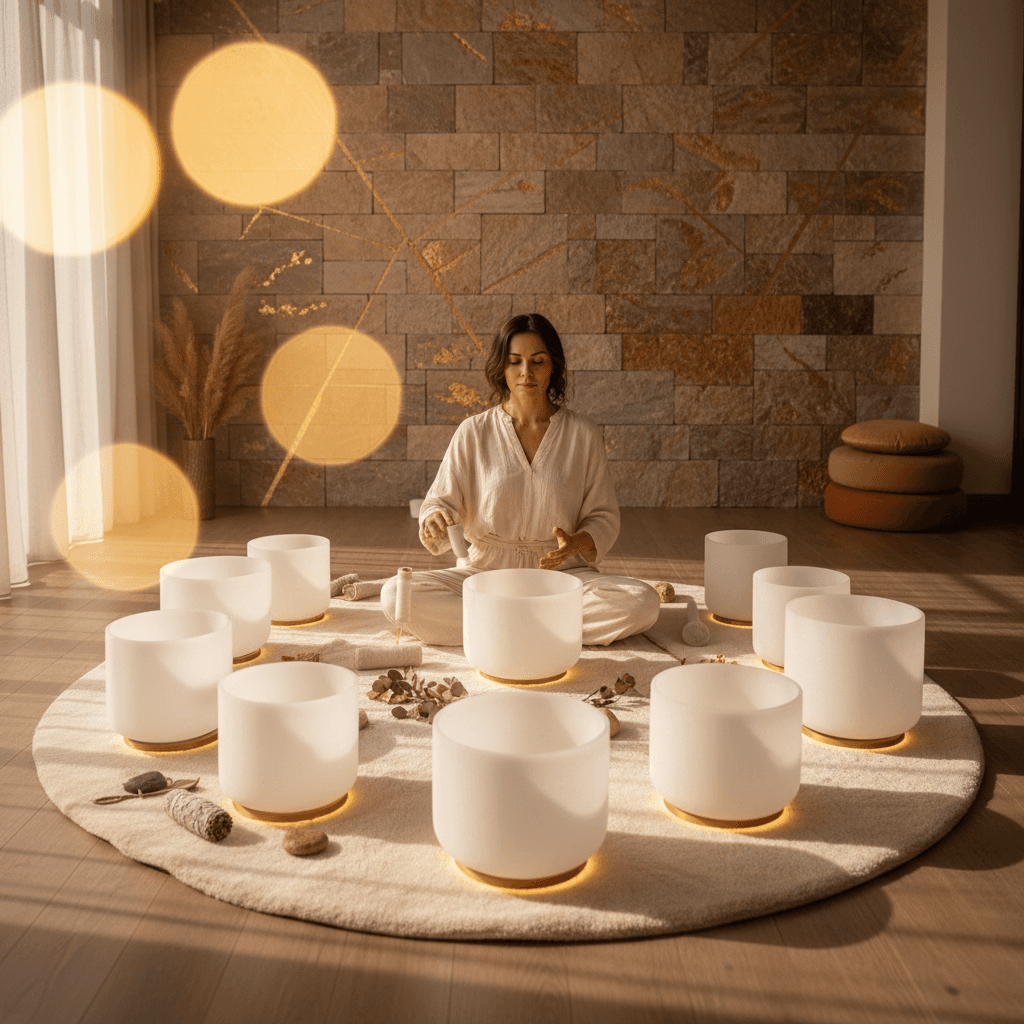
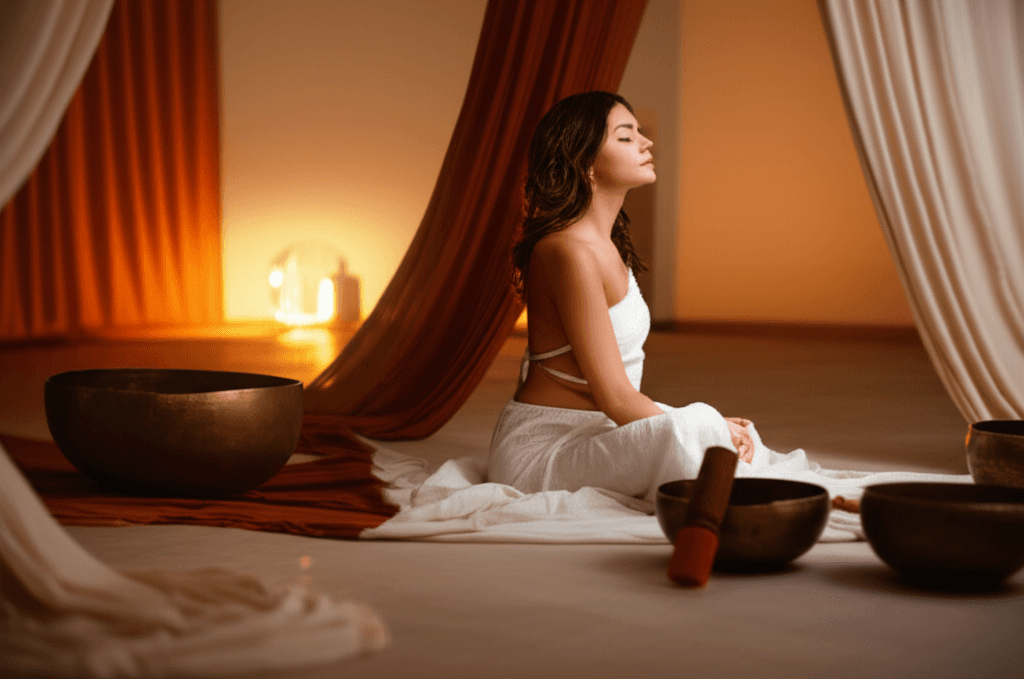
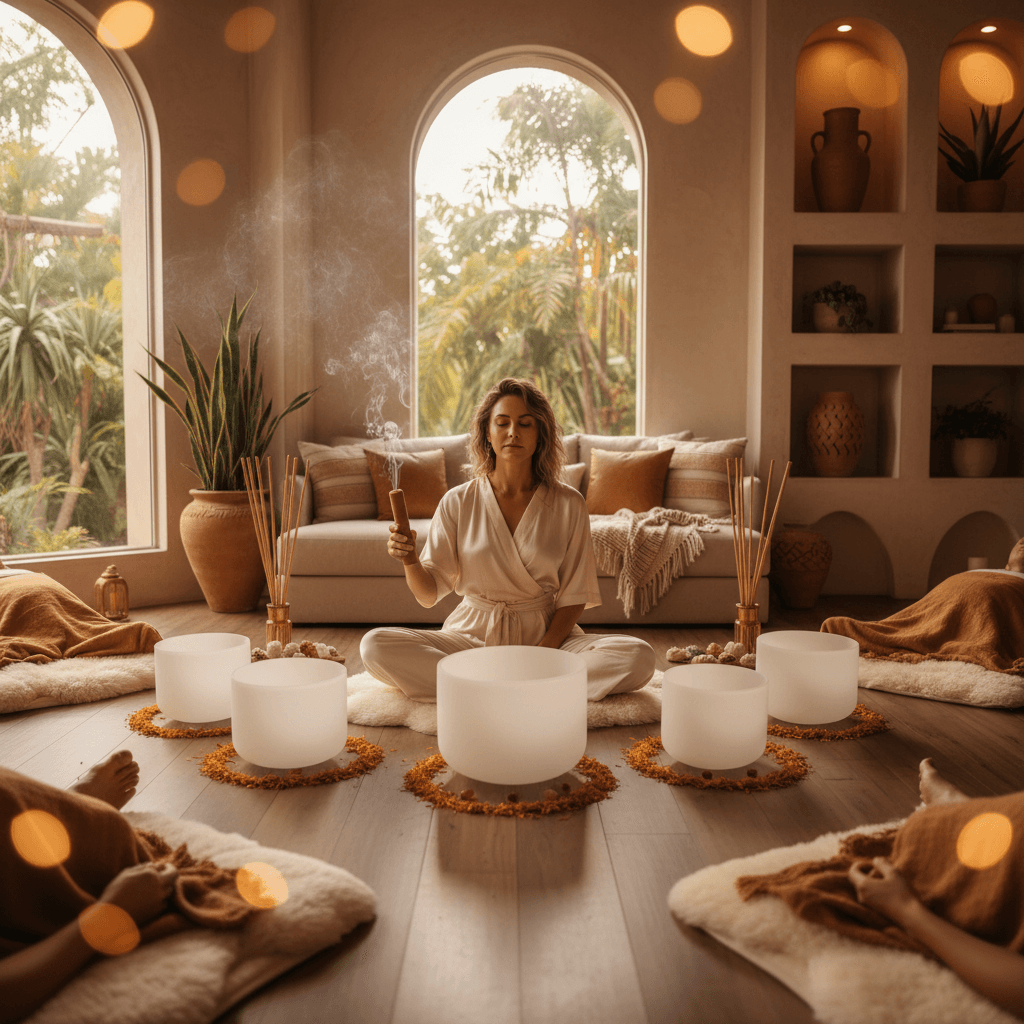
Our sessions utilize a carefully curated collection of instruments, each chosen for its specific vibrational qualities. Guests may experience the deep, enveloping resonance of large gongs, the harmonizing frequencies of Himalayan singing bowls, the crystalline purity of quartz crystal bowls, or the delicate chimes that invite subtle shifts in consciousness. These sounds work synergistically to guide the brain into slower wave states, such as alpha and theta, which are associated with deep meditation, stress reduction, and enhanced creativity.
The Soul Art method offers a tangible path for individuals to engage in restorative self-care. It supports emotional regulation, reduces mental clutter, and can significantly improve sleep quality—all critical components for preventing burnout. We aim to equip practitioners with tools for nervous system regulation, enabling them to return to their work feeling more centered, resilient, and compassionately present. Our practice serves as a vital component of a holistic self-care regimen, helping to cultivate the inner peace and stability essential for sustained professional engagement.
Your Next Steps
Preventing burnout requires intentional, consistent effort. Begin today by integrating small, impactful self-care practices into your routine. These steps are not only beneficial for your personal well-being but are also a professional imperative, allowing you to sustain your capacity to care for others.
Here are 3-5 actionable steps you can implement:
- Prioritize Sleep Hygiene: Establish a consistent sleep schedule, even on weekends. Create a calming bedtime routine, ensuring your sleep environment is dark, cool, and quiet. Consider dimming lights an hour before bed and avoiding screens.
- Schedule Non-Negotiable Breaks: Integrate short, intentional breaks throughout your workday. Step away from your desk, take a brief walk outdoors, or simply close your eyes for five minutes. These micro-pauses help reset your nervous system.
- Cultivate Mindful Moments: Practice brief moments of mindfulness or self-compassion daily. This could be a few minutes of focused breathing, observing your surroundings without judgment, or offering yourself a kind thought when feeling overwhelmed.
- Maintain Healthy Boundaries: Learn to say "no" to additional commitments that push you beyond your capacity. Set clear expectations regarding work availability outside of office hours, protecting your personal time and energy.
- Explore Sound Wellness: Consider incorporating sound wellness into your self-care regimen. The unique frequencies and vibrations can offer a profound sense of calm and help to regulate your nervous system, providing a powerful antidote to daily stress.
By actively engaging in these practices, you invest in your own resilience and ability to continue your vital work with renewed energy and compassion. Soul Art is here to support you on this journey towards holistic well-being.
In Summary
Practitioner burnout is a pervasive and serious issue, threatening the well-being of dedicated professionals and the quality of care they provide. Scientific research unequivocally highlights the necessity of proactive self-care as the most effective preventative strategy. By prioritizing physical health, fostering resilience, practicing self-compassion, and establishing clear boundaries, individuals can build a robust defense against the insidious effects of chronic stress.
Soul Art, under the guidance of Larissa Steinbach, offers a unique and deeply restorative pathway through sound wellness. Our carefully designed experiences provide a sanctuary for nervous system regulation, profound relaxation, and emotional replenishment, serving as a powerful complementary tool in your self-care arsenal. Investing in your well-being is not a luxury; it is a fundamental act of professional integrity and personal preservation. Reclaim your vitality and sustain your passion for helping others.
Bookings Coming Soon
Soul Art is still in preparation. Session details and booking will be published here after launch.
Coming Soon
Wellness Disclaimer: This article is for educational and informational purposes only. It does not constitute medical advice, diagnosis, or treatment. Soul Art Dubai provides non-medical wellness experiences focused on relaxation, stress management, and general wellbeing. Sound wellness is a complementary practice and should not replace professional medical care.
Related Articles
Unlock Deeper Healing: Recording Your Own Sound Journeys with Soul Art
Water Consciousness: Sound's Subtle Influence on H2O for Wellness
The Silent Symphony: Plant Bioacoustics & Human Wellness