Arabic Maqam: Ancient Melodies for Modern Sound Wellness at Soul Art
Key Insights
Explore the ancient science of Arabic Maqam and its modern application in sound wellness. Discover how Soul Art, founded by Larissa Steinbach, leverages these profound melodic modes for deep relaxation and self-discovery.
Could ancient melodies hold the key to unlocking profound states of relaxation and self-discovery in our modern, fast-paced world? In Dubai, where innovation meets deep cultural heritage, Soul Art is pioneering a unique approach to sound wellness that suggests precisely that. We delve into the rich tapestry of Arabic Maqam, a traditional musical system, and explore its scientific backing as a source of inspiration for deeply reflective sound rituals.
This journey invites you to understand not just the beauty of Maqam, but its potent influence on the human mind and body. We will uncover how centuries-old wisdom is now being validated by cutting-edge neuroscience. Discover how Soul Art, under the visionary guidance of Larissa Steinbach, is transforming this historical knowledge into contemporary wellness practices designed for your holistic well-being.
The Ancient Wisdom Meets Modern Neuroscience
The intricate world of Arabic music has long captivated scholars and listeners alike, recognized for its expressive depth and nuanced melodic structures. At its heart lies the concept of Maqam, a system far more complex and evocative than a simple scale. Understanding Maqam is essential to appreciating its potential in sound wellness.
What is Arabic Maqam?
Arabic Maqam refers to a system of melodic modes, each characterized by a unique scale, specific melodic phrases, and a distinct emotional or psychological character. Unlike Western music's equal temperament, Maqamat utilize microtones – pitches falling between the standard semitones – creating a rich tapestry of sound that resonates deeply with listeners. These subtle variations in intonation are not standardized across all scales, adding to the complexity and unique feel of each Maqam.
The tradition of Maqam allows for considerable improvisation and modulation, meaning musicians move between different Maqamat or specific melodic fragments (ajnas) within a single piece. This dynamic interplay of melodic ideas generates a profound sense of expectation and surprise, guiding the listener through an unfolding sonic narrative. While the Arab system is rich and varied, it is also distinct from other regional systems like the Iraqi Maqam or the Turkish Makam, reflecting a diverse musical heritage.
Historical Roots of Music Therapy in the Islamic Golden Age
The therapeutic potential of music, particularly Maqam, is not a new discovery; its roots stretch back over a millennium. Revered philosophers and polymaths of the Islamic Golden Age, such as Al-Farabi and Avicenna (Ibn Sina), extensively studied the effects of Maqamat on human physiology and mental health in the 10th century. Their work laid a foundational understanding of music's profound impact on well-being.
Ibn Sina, a towering figure in medicine and philosophy, famously articulated the intrinsic connection between music and science. He believed that "Music derives its principles from the science of nature (physics) and the science of numbers (mathematics)." This perspective highlights an ancient recognition of music's power, not just as an art form, but as a systematic tool for influencing the human condition. This historical legacy underscores Maqam’s long-standing association with balance and healing.
Contemporary Research and Neurological Insights
Today, modern science is beginning to validate these ancient observations through rigorous study. Groundbreaking research, such as that conducted by Weill Cornell Medicine-Qatar (WCM-Q), is investigating the therapeutic effects of Arabic music, including Maqam, using advanced neurophysiological and neuropsychological assessment tools. This study is believed to be the first in the world to combine such comprehensive methods to explore Middle Eastern music for receptive music therapy.
The WCM-Q research involves playing 24 distinct one-minute audio recordings of Arabic Maqams to participants. During these sessions, changes in brain activity are meticulously analyzed using an EEG device. Additionally, participants' emotional states are assessed before, during, and after listening, using the expanded Positive and Negative Affect Schedule (PANAS-X) questionnaire, which measures a wide range of positive and negative emotional states. This meticulous approach allows researchers to observe direct correlations between specific Maqam patterns and alterations in brainwave activity and emotional well-being.
The study, which has garnered recognition from clinicaltrials.gov, aims to determine if music therapy approaches drawing upon Middle Eastern musical traditions might yield better results for populations with Middle Eastern heritage and musical preferences. This acknowledges the deeply personal and cultural connection individuals have with the sounds of their heritage. Preliminary studies indicate that exposure to specific Maqamat has been associated with changes in brain activity patterns, which may support states of relaxation, reduced anxiety, and enhanced emotional regulation. The nuanced pitches and complex melodic movements of Maqam appear to activate distinct neural pathways, potentially facilitating a deeper sense of calm and introspection.
How It Works in Practice
Translating the intricate theory of Arabic Maqam into a practical, transformative wellness experience requires a deep understanding of its structure and emotional resonance. It's about more than just listening to beautiful music; it's about engaging with sound as a guide for internal exploration. The application of Maqam principles in reflective sound rituals offers a unique pathway to profound well-being.
Consider the concept of the "maqam of the day," a practice seen in Syrian Jewish liturgy, where a specific Maqam is chosen to define the emotional tone of a Sabbath service. A highly skilled cantor, much like an accomplished Arab classical singer, "must remain in that maqam and establish it for at least ten minutes before moving to another maqam." This deliberate dwelling within a particular melodic mode allows for deep immersion and the establishment of a specific emotional landscape.
This sustained immersion is key to how Maqam works in practice for reflective sound rituals. As the listener bathes in the carefully curated soundscape, the subtle shifts in pitch and interval create a dynamic yet grounding experience. The absence of a fixed, repeating rhythm, common in more active forms of music, encourages the mind to wander freely yet remain anchored by the continuous melodic thread. This fosters a state where deep introspection can flourish.
"The true power of Maqam in wellness lies not just in its auditory beauty, but in its ability to gently guide the listener's internal narrative, fostering a profound connection between sound and soul."
The nuanced microtones and the fluidity of modulation within Maqam contribute to its unique ability to evoke a spectrum of emotional and psychological states. This creates a journey of expectation and sometimes surprise, as the melodic patterns unfold. This experience is not merely passive; it is a receptive journey where the sound acts as a gentle invitation for the nervous system to relax and for the mind to enter a state of peaceful awareness. It allows individuals to observe their thoughts and feelings without judgment, promoting emotional processing and stress management.
By engaging with Maqam-inspired sound, clients may experience a reduction in mental chatter, a heightened sense of presence, and a release of accumulated tension. The ancient wisdom embedded within these melodic modes, now supported by preliminary scientific understanding, provides a powerful complementary approach to modern self-care practices. It encourages a return to inner stillness and a rebalancing of the mind-body connection, offering a distinct path to holistic wellness.
The Soul Art Approach
At Soul Art, we believe in the harmonious blend of ancient wisdom and contemporary wellness. Larissa Steinbach, the visionary founder of Soul Art, has dedicated herself to curating sound experiences that are both deeply transformative and culturally resonant. Her approach to integrating Arabic Maqam principles into reflective sound rituals is a cornerstone of Soul Art's unique offerings.
Larissa Steinbach's Vision for Reflective Sound Rituals
Larissa Steinbach's vision extends beyond simply playing beautiful music; it is about crafting an immersive environment where the specific energetic qualities of Maqam can be fully experienced. She meticulously selects and blends various sound elements, informed by the emotional and physiological associations of different Maqamat, to create a guided journey for participants. This unique methodology focuses on the inherent power of sound to induce states of deep relaxation, emotional release, and spiritual connection.
The Soul Art method is distinctive because it respects the complexity of Maqam while making its benefits accessible to a diverse audience. Larissa understands that while traditional Maqam performance is an art in itself, its application in wellness requires a different lens – one that prioritizes the listener's internal experience and nervous system regulation. The goal is to facilitate an environment where the listener can surrender to the sound and allow it to gently work its magic.
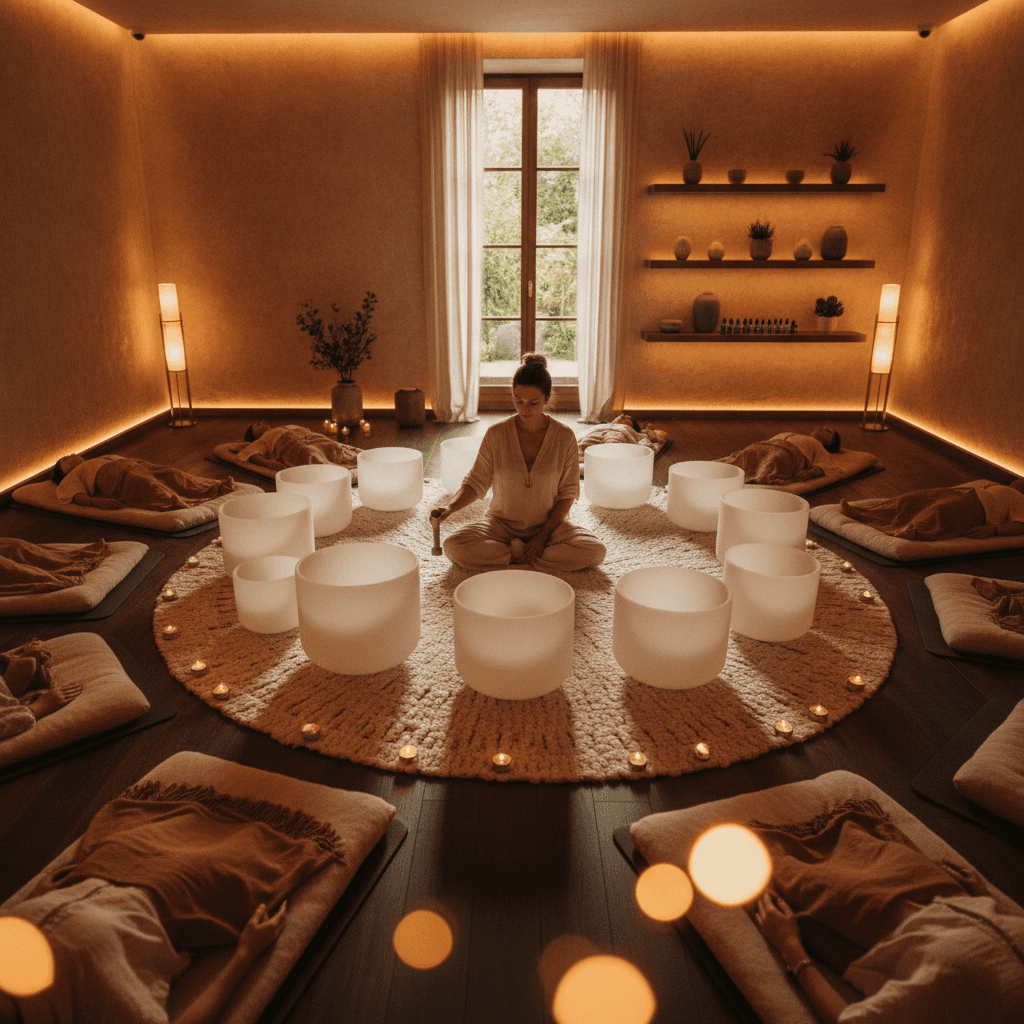
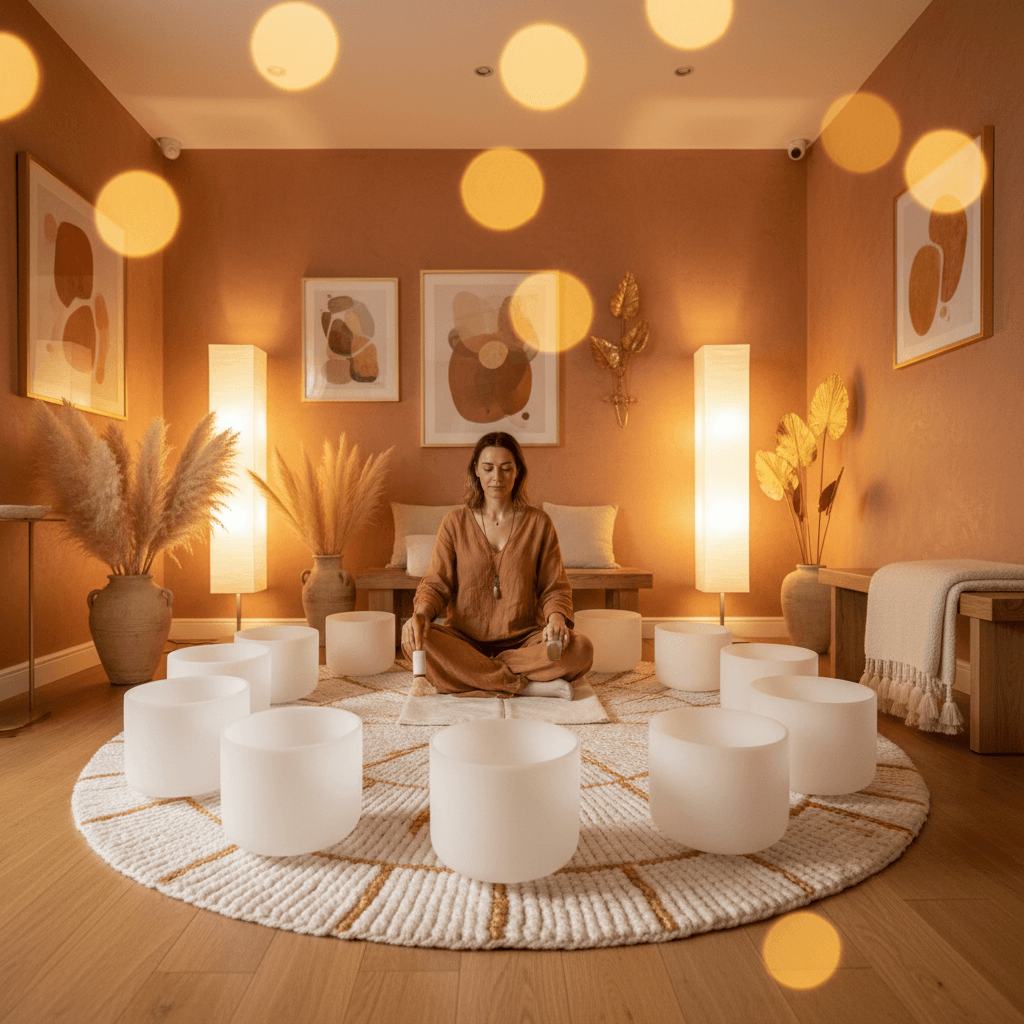
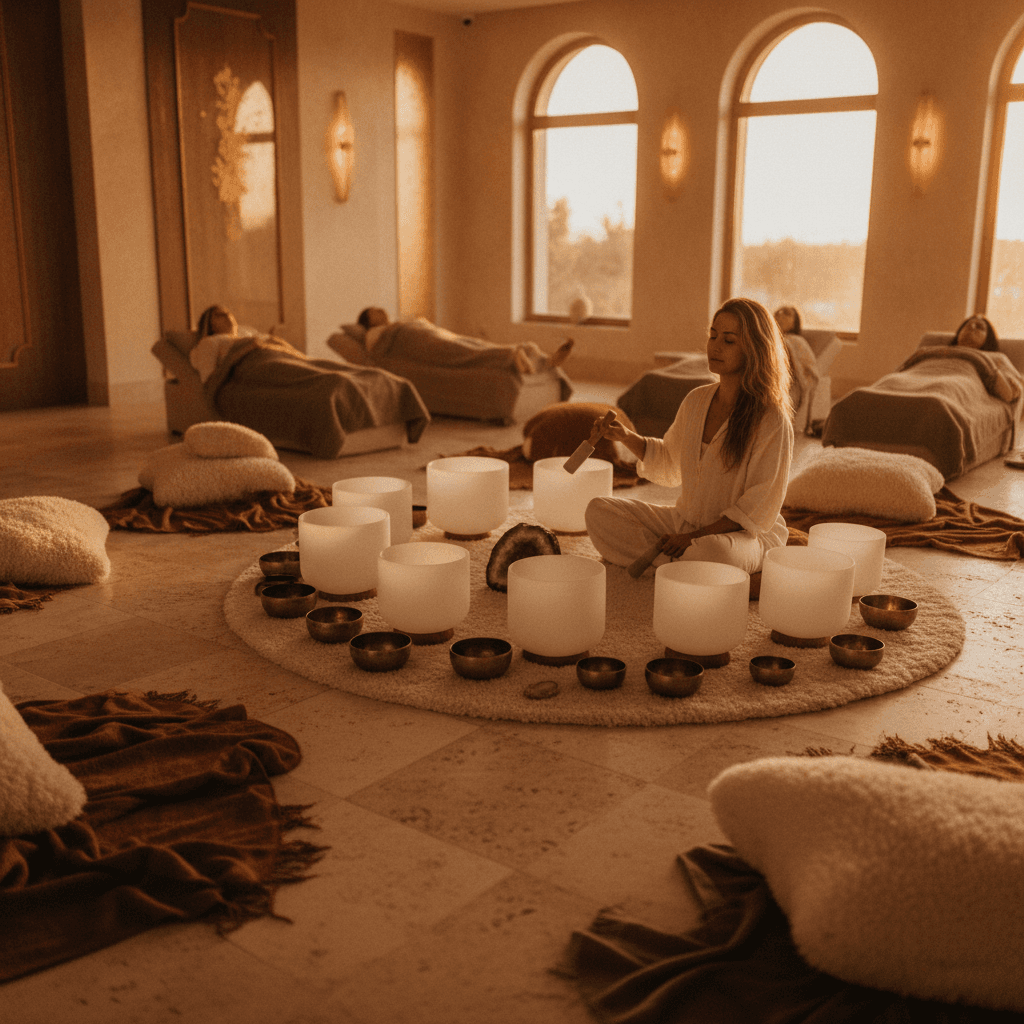
Rather than replicating a traditional concert, Soul Art sessions leverage resonant instruments such as crystal singing bowls, gongs, and other carefully chosen acoustic tools. These instruments are played with an intention that mirrors the melodic and emotional characteristics of specific Maqamat. For instance, sounds designed to evoke the contemplative nature of Maqam Rast might feature sustained tones and subtle modulations that encourage introspection. This creates a multi-sensory experience that is both grounding and expansive.
Larissa Steinbach’s expertise ensures that each sound ritual at Soul Art is a meticulously designed experience, promoting deep introspection, emotional balance, and profound stress management. By honoring the ancient wisdom of Arabic Maqam and combining it with modern sound healing techniques, Soul Art offers a truly unique and potent pathway to holistic wellness, helping clients reconnect with their inner selves in a profound way.
Your Next Steps
Embracing the profound world of Arabic Maqam-inspired sound rituals is a journey of self-discovery and holistic wellness. Whether you are new to sound practices or seeking to deepen your existing routine, there are actionable steps you can take today to integrate these transformative experiences into your life. The nuanced power of Maqam offers a unique avenue for cultivating inner harmony and supporting your well-being.
Cultivating Inner Harmony with Maqam-Inspired Sound
To begin exploring the reflective potential of Maqam, consider these practical steps:
- Mindful Listening: Seek out high-quality recordings of traditional Arabic Maqam music. Pay close attention to the subtle variations in pitch, the unfolding melodic lines, and the emotional resonance each piece evokes. Practice active, non-judgmental listening, allowing the sounds to simply wash over you without intellectual analysis.
- Create a Sacred Space: Designate a quiet, comfortable area in your home where you can immerse yourself in sound without distractions. Dim the lights, ensure a comfortable seating or lying position, and perhaps incorporate elements like aromatherapy to enhance relaxation. This environment helps optimize the receptive aspect of Maqam-inspired sound.
- Explore Guided Sessions: Many people report that structured sound wellness sessions offer a deeper and more focused experience. Look for practitioners or studios that integrate culturally significant sound systems, such as Maqam, into their practices. This can provide a guided pathway into deeper states of reflection.
- Combine with Breathwork: Integrating simple breathwork techniques, such as deep diaphragmatic breathing, can amplify the relaxation benefits of Maqam-inspired sound. Synchronize your breath with the flow of the music, allowing each inhalation and exhalation to deepen your sense of calm.
- Seek Expert Guidance: For those in Dubai, Soul Art offers expertly curated sound rituals guided by Larissa Steinbach, who deeply understands the principles of Arabic Maqam. Her sessions provide a unique opportunity to experience the therapeutic effects in a professionally guided and supportive environment, fostering profound inner peace and stress reduction.
Ready to restore your nervous system and discover deep relaxation through the profound resonance of Maqam-inspired sound? Soul Art invites you to explore a journey of inner harmony and well-being.
In Summary
The ancient wisdom of Arabic Maqam, a sophisticated system of melodic modes, offers a rich and scientifically compelling foundation for modern sound wellness practices. From the 10th-century insights of Al-Farabi and Avicenna to contemporary EEG studies at WCM-Q, research consistently highlights Maqam's potential to positively influence brain activity and emotional states. Its nuanced pitches and fluid modulations provide a unique pathway for deep relaxation, introspection, and emotional balance.
At Soul Art, Larissa Steinbach masterfully integrates these principles, crafting unique sound rituals that foster a profound sense of well-being. By combining traditional Maqam inspiration with modern sound healing instruments, Soul Art offers a complementary approach to stress management and self-discovery. We invite you to experience the transformative power of these reflective sound rituals and embark on a journey towards inner harmony and holistic wellness.
Bookings Coming Soon
Soul Art is still in preparation. Session details and booking will be published here after launch.
Coming Soon
Wellness Disclaimer: This article is for educational and informational purposes only. It does not constitute medical advice, diagnosis, or treatment. Soul Art Dubai provides non-medical wellness experiences focused on relaxation, stress management, and general wellbeing. Sound wellness is a complementary practice and should not replace professional medical care.
Related Articles
Ramadan Sound Bath: Elevating Well-being with Respect & Science
Celebrate with Sound: Birthday Rituals for Deep Reflection
Beyond the Echo: Mastering Closing Rituals for Sound Journeys