Accessible Workplace Sound Baths: Elevating Corporate Well-being with Soul Art
Key Insights
Discover how Soul Art and Larissa Steinbach are pioneering accessible workplace sound baths in Dubai. Explore the science behind sound therapy and practical strategies for inclusive corporate wellness.
The Untapped Potential: Designing Inclusive Workplace Sound Baths
Imagine a workplace where stress melts away, focus sharpens, and creativity flows effortlessly. For many, this sounds like an unattainable dream amidst the constant demands of modern corporate life. However, a growing body of preliminary research suggests that sound wellness practices, particularly sound baths, may offer a powerful, yet often overlooked, solution for enhancing employee well-being.
At Soul Art, founded by Larissa Steinbach, we understand that true wellness must be accessible to everyone. This article delves into the critical importance of accessibility planning for workplace sound baths, exploring the scientific underpinnings and practical considerations for creating truly inclusive experiences. We'll uncover how thoughtfully designed sound environments can cater to diverse needs, helping a wider variety of people benefit from these transformative practices.
By prioritizing accessibility, organizations can maximize the return on investment in employee well-being, fostering a more harmonious, productive, and empathetic work culture. This isn't just about offering a new perk; it's about embedding deep, restorative self-care into the very fabric of professional life, ensuring every team member has the opportunity to thrive.
The Science Explained: How Sound Reshapes Our Well-being
The growing interest in sound baths within corporate wellness is not merely a trend; it's rooted in fascinating scientific principles that illustrate sound's profound impact on the human body and mind. Sound therapy relies on both the auditory experience and the physical vibrations that sound waves transmit through the body. Experts believe that both these elements may hold significant potential for health benefits.
The Physiology of Sound and Relaxation
Our bodies are intricate receivers of vibrational energy. Scientific research has shown that certain sound frequencies can gently guide the body into a state of deep relaxation. This process often involves the stimulation of neurotransmitters like serotonin and dopamine, which are intrinsically linked to feelings of happiness and overall well-being. When these neurochemicals are released, they may help to alleviate feelings of stress and anxiety, fostering a calmer internal environment.
Furthermore, sound vibrations can influence our physiological stress responses. Our bodies operate on a delicate balance between the sympathetic nervous system (responsible for "fight-or-flight" responses) and the parasympathetic nervous system (governing "rest-and-digest" functions). Sound therapy may help to activate the parasympathetic system, prompting a shift from a state of hyper-arousal to one of calm and restoration. Studies investigating physiological well-being in workplaces, using wearable devices, have started to map the complex relationship between sound levels and these stress responses, indicating that sound indeed impacts our body's coping mechanisms.
Brainwave Entrainment and Cognitive Benefits
One of the core mechanisms of sound healing is brainwave entrainment. This is the process where brainwave frequencies synchronize with the frequencies produced by sound healing instruments. As participants listen to the sustained tones of singing bowls, gongs, or tuning forks, their brain activity may shift from faster beta waves (associated with active, conscious thought) to slower alpha and theta waves. Alpha waves are characteristic of relaxed, reflective states, while theta waves are linked to deep relaxation, meditation, and enhanced creativity.
An intriguing area of research is the Schumann resonance, a natural Earth frequency around 7.8 Hz. Scientists are exploring if exposure to this frequency, which coincides with the brain's flow-state rhythm, could help office workers achieve peak focus more easily. Preliminary studies indicate that using specific sound frequencies, such as binaural beats, before or during a task, may support improved memory and attention. A review of over 20 studies revealed that these auditory stimuli might have a moderate, consistent effect on anxious thoughts and cognitive function, though the optimal frequency and duration of exposure are still areas of active research.
The Body as a Resonator: Vibrational Impact
Beyond what we hear, our bodies physically respond to sound. Given that the human body is comprised of over 75% water, sound vibrations travel rapidly and profoundly through our internal systems. This principle, known as sympathetic resonance, suggests that the body's cells may begin to vibrate at the same harmonious frequencies as the sound healing instruments. This cellular resonance is believed to promote a sense of internal balance and energetic alignment.
"Although the benefits of sound therapy can be subjective, by making it more accessible, a wider variety of people may be able to benefit from it. This is not just about making a session available, but truly designing an experience that resonates with each individual's unique needs and sensitivities."
Early studies, though small, consistently report significant subjective benefits. For example, participants in one study experienced less tension, anger, fatigue, and depression after just a single sound meditation session involving singing bowls. While more extensive and consistent research is needed to meet Western medicine standards, the anecdotal and preliminary scientific evidence strongly supports sound therapy as a valuable complementary approach for stress reduction, mood enhancement, and fostering general well-being.
How It Works in Practice: Crafting Inclusive Sound Experiences
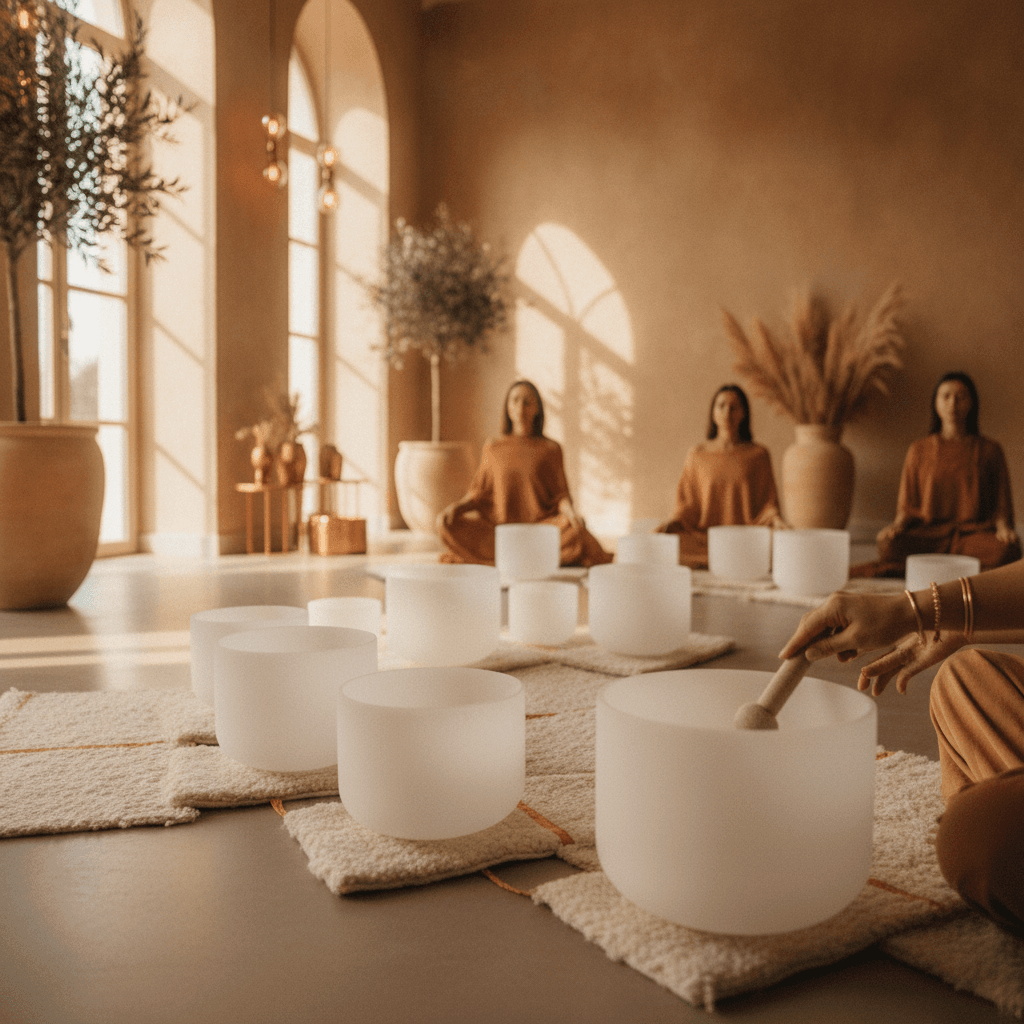
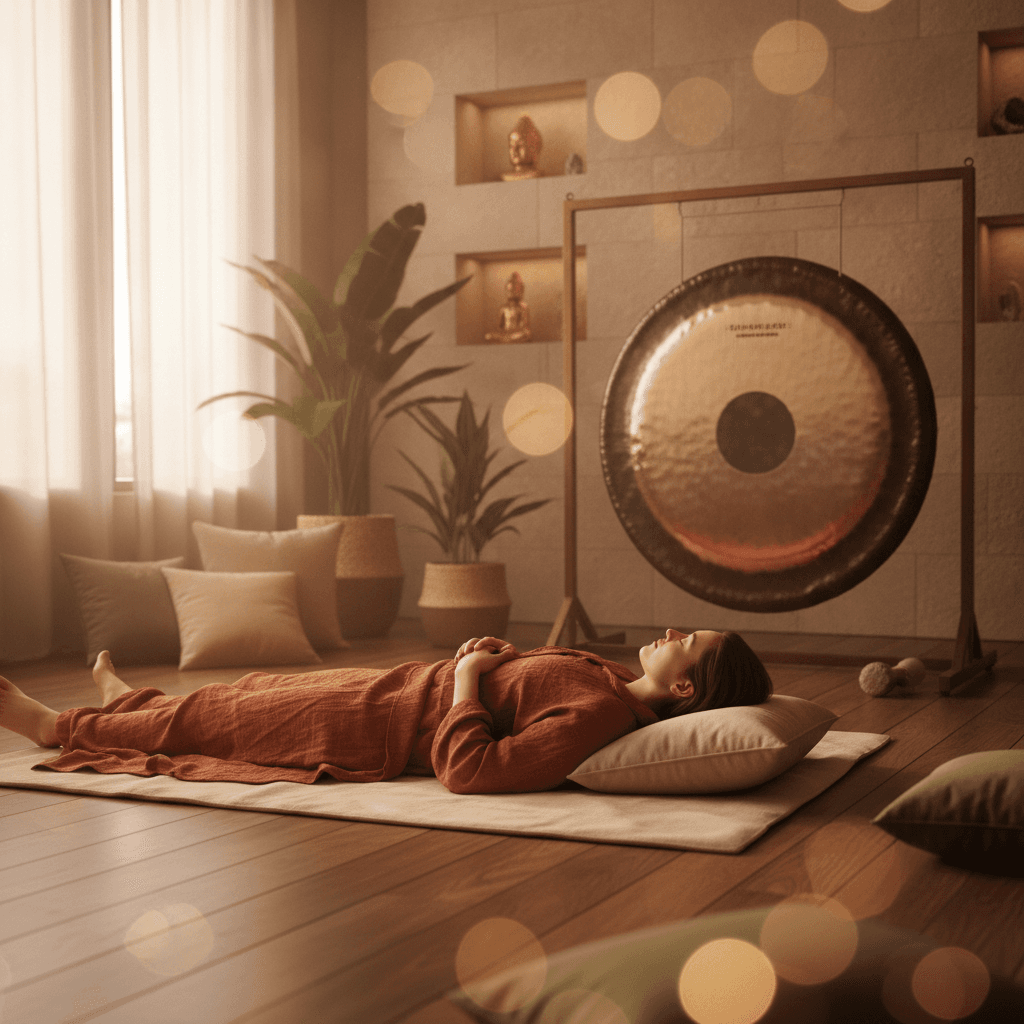
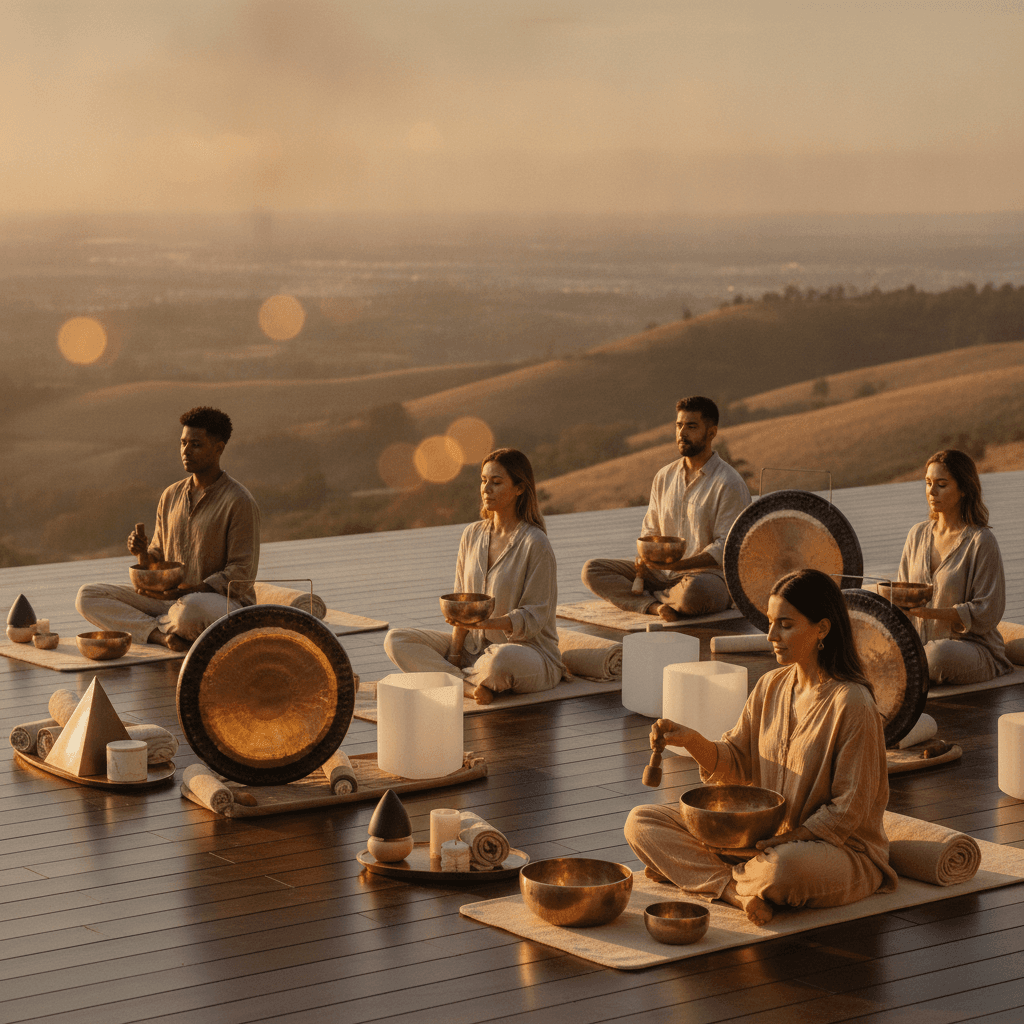
Translating the science of sound into a tangible, beneficial experience in the workplace requires thoughtful implementation, especially when aiming for accessibility. A workplace sound bath involves a practitioner creating a rich tapestry of sounds using instruments like Himalayan singing bowls, crystal bowls, gongs, chimes, and tuning forks. Participants typically lie down or sit comfortably, allowing the sound waves to wash over them, guiding them into a state of deep relaxation.
Designing for Diverse Auditory and Sensory Needs
The "one size fits all" approach to soundscapes is insufficient, particularly in diverse corporate environments. It's crucial to remember that individuals react to sound based on more than just volume; factors like pitch, texture, and the perceived meaning of a sound play significant roles. For some, a highly stimulating environment might be invigorating, while for others, it could be overwhelming. This is particularly true for individuals who are neurodivergent, such as those with Autism Spectrum Disorder (ASD) or Attention Deficit Disorder (ADD), who often exhibit heightened or lessened sensory sensitivities.
- Hypersensitivity: Many individuals find typical office noises (conversations, air conditioning, device alerts) incredibly distracting. For hypersensitive people, these can be profoundly agitating, making focus difficult. In an accessible sound bath, this means carefully curating sound levels, avoiding sudden loud noises, and offering options like noise-canceling headphones or designated quiet zones within the session space. The aim is to create a gentle immersion rather than an intense sonic experience, allowing participants to self-regulate their exposure.
- Hyposensitivity: Conversely, some individuals thrive in more complex or stimulating environments. For them, a sound bath might incorporate a broader dynamic range or more intricate sonic layers, provided these are introduced thoughtfully and with clear communication. Offering different types of sound experiences or instruments, such as handheld bowls for individual exploration, can cater to varied needs for sensory input.
Virtual vs. In-Person Accessibility
The rise of virtual sound baths, particularly during recent global shifts, has significantly increased their availability, making them more accessible geographically. This mode removes physical barriers and allows participation from remote locations. However, the qualitative impact of virtual sessions compared to in-person experiences remains an area of ongoing exploration. While virtual options offer convenience, the full, immersive, and vibrational benefits of an in-person session with a practitioner are often considered more potent. A comprehensive accessibility plan might include both virtual and hybrid options to cater to varying preferences and physical limitations.
Creating a Supportive Environment
Accessibility extends beyond just the sound itself. It encompasses the entire environment and experience:
- Physical Comfort: Providing comfortable mats, blankets, pillows, and eye masks is essential. For individuals with mobility issues, ensuring accessible seating options (chairs, recliners) and easy entry/exit to the session space is paramount.
- Clear Communication: Clearly communicate the structure of the sound bath, what to expect, and that participation is always optional. Offer clear instructions for entering and exiting the relaxed state.
- Opt-out/Opt-in Options: Allow participants to leave the space quietly if they feel overwhelmed, or to adjust their position or use personal aids (e.g., earplugs) without judgment. This empowers individuals to manage their own comfort.
- Lighting and Temperature: Consider ambient lighting (dim, soft) and comfortable room temperature. These seemingly minor details significantly contribute to the overall sensory experience and psychological safety.
By considering these practical elements, workplaces can ensure that their sound bath offerings are truly inclusive, allowing more employees to experience the profound benefits of enhanced mood, reduced stress, and improved cognition.
The Soul Art Approach: Larissa Steinbach's Vision for Inclusive Wellness
At Soul Art, Larissa Steinbach's philosophy centers on creating profoundly impactful yet deeply accessible sound wellness experiences. Understanding the diverse cultural landscape of Dubai and the varied needs of a global workforce, Larissa and her team meticulously design each workplace sound bath to be both scientifically informed and empathetically delivered. Our approach moves beyond generic relaxation to offer truly personalized and inclusive pathways to well-being.
Larissa recognizes that the journey into sound can be a deeply personal one. Therefore, Soul Art focuses on cultivating an environment of psychological safety and choice, which is fundamental to accessibility. Before any session, we engage with HR and employee wellness teams to understand the specific demographics and potential sensitivities of the group. This proactive planning allows us to tailor the session's intensity, duration, and even the choice of instruments.
What makes the Soul Art method unique is its dedication to sensory optimization and individual empowerment. Larissa integrates a blend of traditional and contemporary sound healing instruments, including:
- Ancient Himalayan Singing Bowls: Known for their rich, complex overtones that resonate deeply within the body.
- Crystal Singing Bowls: Offering pure, clear tones that some find incredibly soothing and uplifting.
- Paiste Gongs: Used judiciously to create expansive soundscapes that invite profound states of relaxation, always with sensitivity to individual auditory preferences.
- Therapeutic Tuning Forks: Applied carefully to specific points or held in the field around the body, providing precise vibrational input that bypasses the auditory system for those who may be hypersensitive to direct sound.
This curated selection allows Larissa Steinbach to modulate the sound experience, offering gentler options for those new to sound baths or with sensory sensitivities, and richer, more immersive journeys for others. We often incorporate natural soundscapes, inspired by research indicating that nature sounds can calm brains and bodies, benefiting many, including neurodiverse individuals. However, we acknowledge there's no single universal nature soundscape, so curated options are key.
Soul Art's sessions are not just about listening; they are about experiencing. Through gentle guidance and the careful orchestration of sound and vibration, Larissa empowers participants to tune into their own bodies, release tension, and cultivate inner peace. This holistic approach ensures that every employee, regardless of their background or sensory profile, can find a pathway to rejuvenation and enhanced well-being within the inclusive embrace of a Soul Art sound bath.
Your Next Steps: Integrating Accessible Sound Wellness
Introducing sound baths into your workplace wellness program is a strategic investment in your employees' health and productivity. By prioritizing accessibility from the outset, you ensure that this powerful tool benefits everyone. Here are practical steps your organization can take to plan and implement truly inclusive workplace sound baths:
- Conduct a Needs Assessment: Engage with your employees through surveys or focus groups to understand their current stress levels, wellness preferences, and any specific sensory sensitivities or accessibility requirements (e.g., mobility concerns, auditory sensitivities). This invaluable feedback will guide your planning.
- Partner with Expert Practitioners: Collaborate with experienced sound wellness providers like Soul Art, led by Larissa Steinbach, who specialize in corporate programs and have a proven track record of designing inclusive experiences. Discuss their approach to accommodating diverse needs and tailoring sessions.
- Offer Varied Formats and Environments: Consider offering both in-person and virtual sound bath options to cater to different schedules, locations, and comfort levels. When hosting in-person, prepare the space thoughtfully, providing comfortable seating/lying options, blankets, and access to personal sensory aids like eye masks or earplugs.
- Educate and Communicate Clearly: Provide clear information about what to expect during a sound bath, its potential benefits (stress reduction, improved focus), and guidelines for participation. Emphasize that it's a relaxation practice and individual responses may vary. Reassure employees that their comfort is paramount and they can adjust their participation as needed.
- Pilot Program and Gather Feedback: Start with a pilot program and actively solicit feedback from participants. Use this insight to refine your offerings, adjust session parameters, and continuously improve the accessibility and effectiveness of your workplace sound baths.
Ready to explore how accessible sound wellness can transform your corporate environment? Contact Soul Art today to discuss a customized program for your team.
In Summary: The Future is Accessible Sound Wellness
The journey towards comprehensive employee well-being in the modern workplace requires innovative, scientifically-grounded, and, critically, accessible solutions. Sound baths, as championed by Soul Art and Larissa Steinbach, offer a unique and powerful pathway to stress reduction, enhanced focus, and improved mood. By understanding the intricate science behind sound's impact on our physiology and cognition, and by meticulously planning for diverse individual needs, organizations can unlock the full potential of this transformative wellness practice.
Prioritizing accessibility ensures that every employee can engage with these experiences authentically, leading to a more harmonious, productive, and resilient workforce. Investing in inclusive workplace sound baths is not just about offering a perk; it's about fostering a culture where every individual feels seen, supported, and empowered to thrive. Embrace the future of corporate wellness with Soul Art, where profound relaxation meets thoughtful inclusivity.
Bookings Coming Soon
Soul Art is still in preparation. Session details and booking will be published here after launch.
Coming Soon
Related Articles
Unlock Corporate Value: The CFO's Guide to Sound Wellness ROI
Elevate Team Wellness: Sound Baths, Breathwork & Meditation
Navigating Biometric Data Privacy in Corporate Wellness